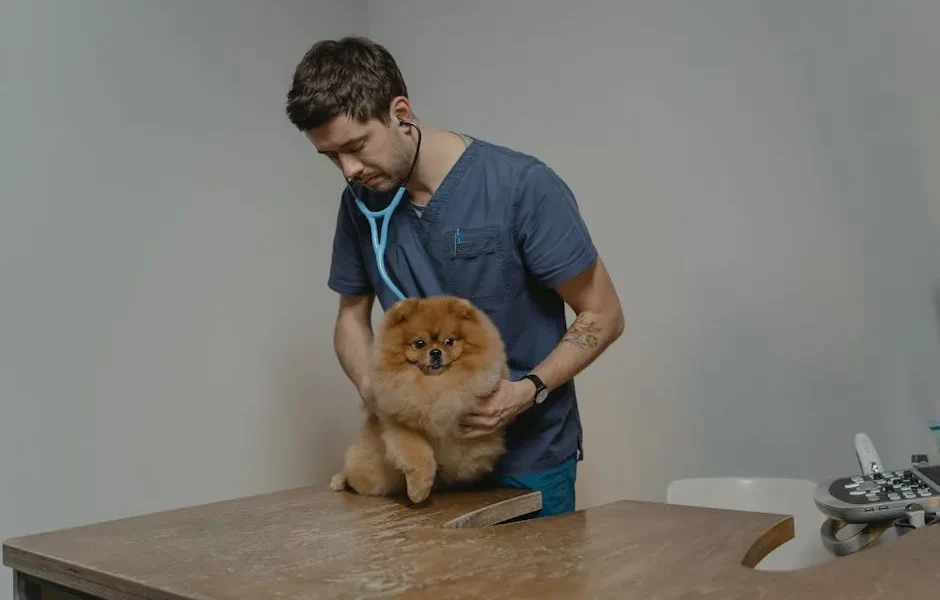
- Vetster charges per visit ($50-$100). You pick your vet. Pawp ($24/month) and Fuzzy ($25/month per pet) offer unlimited video chats with vets.
- Each platform does different things. Vetster is best for specialists. Pawp includes emergency money. Fuzzy offers wellness plans and delivers medicine.
- Virtual vets help between regular vet visits. But they don’t replace your regular vet. Know what they can and can’t do.
Last Tuesday at 11 PM, my colleague’s dog Luna had an ear problem. Luna was whimpering and pawing at her ear. My colleague wasn’t sure if she needed the emergency vet right away. Emergency vet visits cost $300 or more just for the exam.
She opened her phone. Within minutes, she was talking to a vet online. The vet helped her understand Luna’s ear infection. It could wait until morning. That’s when I realized pet care has changed.
When comparing Veterinary Booking Platforms Compared 2025: Vetster vs Pawp vs Fuzzy, you’re picking between three different types of virtual vet care. I’ve spent months learning about these platforms. I’ve talked to dozens of pet owners. The “best” one depends on what you need.
The Tale of Three Platforms: Who’s Who in Virtual Vet Care
Here’s something interesting. Pet telemedicine grew by 300% between 2019 and 2023. But only 1-5% of pet owners use these services. That tells you we’re still early. Some people love these platforms. Most people don’t know they exist yet.
Vetster works like Uber for vet visits. You look at vet profiles. You read reviews. You book with a specific vet. Visits cost $50-$100. General vets cost less. Specialists cost more. It’s available 24/7. You can get help at 2 AM just like 2 PM.
Pawp works differently. You pay $24 per month. You get unlimited video chats with vets. You don’t pick the vet. You get whoever is available next. But here’s the big thing: every membership includes $3,000 for one pet emergency per year. It’s like vet access plus safety money.
Fuzzy wants to be your pet’s main vet online. It costs $25 per month per pet. You get unlimited 24/7 video and chat with vets. You get personalized care plans. You get discounted medicine delivered to your door. They do more than just video chats. They help with overall wellness.
When My Client Asked “Which One Should I Get?”
Sarah brought her rescue dog Milo to see me last month. She asked me which platform to use. I told her what I’ll tell you. It depends on your pet and what gives you peace of mind.
The Pay-Per-Visit Person (Vetster’s Sweet Spot)
Vetster makes sense if your pet is mostly healthy. You just need expert help sometimes. You don’t pay every month. You can find specialists like skin doctors or behavior experts.
One of my clients used it to get a second opinion about surgery. She didn’t feel comfortable asking me directly. But she should want that clarity. I don’t mind. I’d do the same thing.
Picking your own vet matters. Some vets know exotic pets. Others know old pets. Some are great with worried owners. You can pick based on reviews and what they know. That helps with complex problems.
The “I Panic Easily” Pet Owner (Pawp’s Territory)
That $3,000 emergency fund is about more than money. It’s about feeling calm. Do you lie awake at 3 AM googling “is my cat dying?” Then $24 a month might save your sanity.
New pet owners with their first puppy or kitten benefit too. Unlimited questions means you don’t hesitate to ask. By the way, there are no stupid questions about your pet.
Pawp gives you the next available vet. You don’t choose. For quick questions like “Do I need the ER now or can this wait?” that fast connection matters more than picking someone.
The Comprehensive Care Seeker (Fuzzy’s Niche)
Fuzzy works for people who want a vet team managing everything. You get care plans. You get medicine delivered. You get an ongoing relationship. It feels like having a regular vet through your screen.
It costs $25 per pet monthly. That adds up with multiple animals. But for one pet, it’s a good deal if you want complete virtual care.
Fuzzy also sells wellness products. They’re a one-stop shop. That’s either convenient or overwhelming depending on what you like.
What These Platforms Actually Can (and Can’t) Do
Let’s be real about limits. This is where pet owners get frustrated.
Can they prescribe medicine? Sometimes. It depends on your state’s laws. It depends on whether they can diagnose remotely.
State rules vary a lot. Some states require an existing relationship with a vet before telehealth. Others let you start that relationship online for non-emergencies. In 2024-2025, more states allow telemedicine. But rules are still different everywhere.
Here’s what virtual vets can help with:
- Ear infections (usually)
- Skin problems with clear photos
- Stomach upset
- Behavior questions
- Medicine side effects
- Second opinions
- Wellness questions
- Minor wounds
- Emergency guidance
That’s actually a lot.
What they can’t do:
- Physical exams
- X-rays or imaging
- Blood work
- Surgery
- Dental cleaning
- Vaccinations
- Anything needing hands-on checks
If your pet needs a physical exam, you’re seeing someone like me in person.
Think of these platforms as extras, not replacements. Much like evaluating your vet’s preventive care program needs regular visits, virtual platforms fill gaps between appointments.
The Prescription Situation Nobody Talks About
This gets complicated fast.
Fuzzy has a pharmacy partner. They ship medicine directly. Vetster vets can send prescriptions to your pharmacy in many cases. Pawp’s approach depends on the vet.
But prescription rules are limited by laws and good medicine. Virtual vets can often prescribe:
- Antibiotics for clear infections
- Anxiety medicine
- Allergy treatments
- Refills for ongoing medicine
What they typically won’t prescribe without seeing your pet:
- Pain medicine (especially controlled drugs)
- New heart medicine
- Diabetes drugs without recent blood work
- Anything needing tests first
To understand what might need prescriptions, learn about allergy medications for dogs and cats. This helps you know what’s treatable online versus in person.
The Money Question: What You’re Really Paying For
Let’s look at real examples. The pricing makes more sense this way.
Scenario One: You have one healthy young dog. Sometimes they do something questionable. They eat a sock. They get a minor cut. They seem off for a day.
With Vetster, you’d pay maybe $150-200 yearly for three visits. With Pawp, you’d pay $288 yearly plus get emergency money. With Fuzzy, $300 yearly plus wellness planning.
Scenario Two: You’re anxious. You have multiple pets. Or your pet has ongoing issues needing frequent check-ins.
Vetster could cost $500+ yearly with multiple visits. Pawp’s unlimited plan at $288 looks better. Fuzzy costs $600 yearly for two pets. That’s expensive but could be worth it if you use all the features.
Scenario Three: You need a specialist for a complex problem.
Vetster’s ability to book specialists becomes worth the higher price. The subscription models give you great general vets. But specialists are harder to access.
None of these replace pet insurance. If you’re deciding between virtual vets, insurance, or both, learn what vets wish you knew about pet insurance before emergencies happen.
The Tech Experience (Because Apps Matter)
I’ll be honest. I’ve watched clients struggle with clunky apps while their pet is bleeding. It’s not pretty.
All three platforms have mobile apps. You can share photos and videos. But the experience varies.
Vetster’s booking feels familiar. It’s like other appointment apps. You can schedule ahead or book same-day. Video quality is generally good. Some users find browsing profiles overwhelming when they just want help NOW.
Pawp connects you immediately. Less clicking around. You’re usually connected within minutes. The downside? If the first vet doesn’t know your specific problem well, you’re getting general advice instead of expert opinion.
Fuzzy’s app includes care plans and product recommendations. That’s helpful or feels like selling depending on your view. The chat feature works well for non-urgent questions you’d rather type.
Real Talk: How These Fit With Your Regular Vet
Here’s where I have opinions. I work in a regular vet practice.
These platforms work best when they communicate with your main vet. They shouldn’t replace that relationship.
Good virtual vets recommend follow-up with your regular vet when needed. They should send you notes if you ask. They’re great for after-hours help. They help you decide if something can wait until morning or needs emergency care now.
What concerns me is when pet owners use virtual care to avoid necessary in-person tests. If a virtual vet says “this needs blood work” or “I’d want X-rays,” listen to them. That’s not upselling. That’s them hitting the limits of what’s possible through a screen.
Understanding how to understand your vet’s diagnosis and medical terms helps you work with both virtual and in-person vets.
The best situation? Your regular vet knows you use these platforms for quick questions and after-hours concerns. Some practices partner with or recommend specific telehealth services. Ask your vet what they think. We’re not threatened by these platforms when they’re used right.
Special Situations: Puppies, Seniors, and Chronic Conditions
New puppy or kitten owners often benefit most from unlimited plans. You’ll have a million questions about behavior, feeding, socialization, and symptoms. Paying $50 each time for “is this poop normal?” gets expensive fast.
Senior pets with chronic conditions are different. If your older dog has heart disease or your cat has kidney problems, frequent check-ins help. But they can’t replace regular blood work and monitoring. The unlimited models support medicine management between in-person visits. But you’re still coming in for tests.
Knowing when changes in senior pets need attention is tricky. Learning about recognizing early warning signs of chronic disease helps you use virtual visits better.
The 2025 Landscape: What’s Changed Recently
Pet telehealth grew up a lot in 2024. Some smaller companies closed or merged. The market is focusing on established players.
State rules got clearer in multiple states. It’s easier now for vets to start care relationships virtually.
AI is starting to be used. Some platforms test AI symptom checkers. These route cases before you connect with a real vet. I’m cautiously hopeful. AI could handle initial sorting. But it needs human oversight for actual medical decisions.
Insurance partnerships expanded a lot in 2024. More pet insurance companies now cover or partner with telehealth platforms. They offer discounted memberships as add-ons. Check if your insurance includes or discounts virtual vet access before paying separately.
Making Your Decision
Which platform should you choose? Start by honestly thinking about your situation.
Choose Vetster if you:
- Want specialist access
- Only need occasional visits
- Value selecting specific vets
- Want pay-as-you-go flexibility
Choose Pawp if you:
- Worry about emergency costs
- Ask frequent questions
- Want budget predictability
- Have one or two pets
- Want immediate connection over choosing your vet
Choose Fuzzy if you:
- Want comprehensive wellness management
- Like having products and services bundled
- Have a single pet
- Prefer ongoing relationships with a vet team
- Want personalized care plans
Or try one for a month or two. Pawp and Fuzzy let you test them affordably. Vetster lets you try a single visit without commitment. See what fits your style and your pet’s needs.
Final Thoughts
Vet care is changing fast. Virtual platforms are a useful tool when used right.
After watching these services grow and hearing from clients, I’m convinced they’re here to stay. Not because they replace in-person care. But because they fill real gaps in convenience and access.
My advice? Add one of these platforms to your pet care toolkit. But keep your relationship with your regular vet strong.
Use virtual visits for:
- Triage
- Quick questions
- Specialist second opinions
- After-hours peace of mind
But when your gut says something needs hands-on attention, listen to that feeling.
Technology enhances vet care. It doesn’t replace the value of a thorough physical exam. It doesn’t replace the relationship with a vet who knows your pet’s history.
If you’re adding a virtual vet platform, also think about other pet care planning. Like safely transitioning your pet’s diet when changes are needed. Having multiple resources creates the most complete care approach.
Sources & Further Reading
- American Veterinary Medical Association — Comprehensive telemedicine resources and state regulation updates for veterinary professionals and pet owners
- Vetster Official Platform — Detailed information on services, pricing, and available veterinary specialists across multiple countries
- Pawp Official Platform — Membership details, emergency fund coverage specifics, and virtual consultation access information
- Fuzzy Official Platform — Membership plans, wellness program details, and integrated pet care services
- American Pet Products Association — Industry statistics, market research, and pet care trends including telehealth adoption rates
