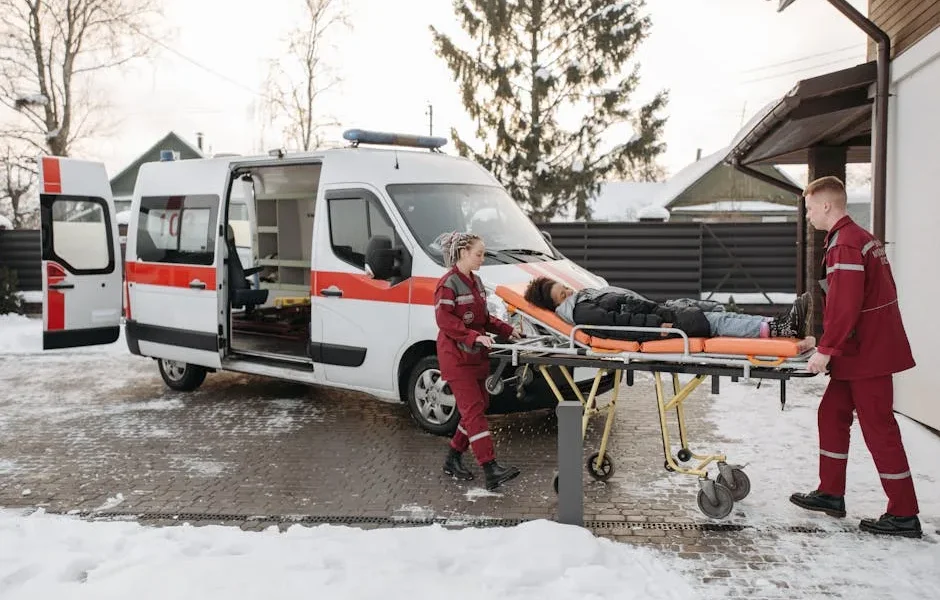
- Improper handling of Pet Fracture Emergency situations, especially those involving potential spinal injuries, can worsen neurological damage by up to 40%—proper immobilization within the first hour significantly improves recovery rates
- Use the “minimal manipulation” approach for suspected spinal injuries: slide, don’t lift, and keep the spine aligned using rigid boards or firm boxes appropriate for your pet’s size
- Recognize spinal injury red flags (inability to move legs, loss of pain sensation, abnormal posture) versus isolated limb fractures, as transport protocols differ significantly
- The golden hour matters: pets receiving veterinary care within 60 minutes of traumatic injury show 35% better outcomes than those with delayed treatment
I’ll never forget the Labrador retriever who arrived at our ER after being hit by a car. The owners had panicked—understandably—and scooped him up without support, carrying him in their arms. What started as a potentially recoverable spinal fracture became a complete spinal cord transection during that well-intentioned but catastrophic transport. That case haunts me, and it’s exactly why I’m writing this guide on Pet Fracture Emergency: How to Immobilize & Transport with Spinal Injury Protocol 2025.
When your pet suffers a traumatic injury, every second counts, but so does every movement. Approximately 10-25% of veterinary emergency visits involve fractures, and the way you handle those critical first minutes can mean the difference between full recovery and permanent disability. Let’s walk through exactly what you need to do.
1. Conduct the 30-Second Safety and Severity Assessment
Before you touch your injured pet, take a breath. I know your adrenaline is screaming at you to scoop them up immediately, but stop. First, ensure the scene is safe—if your dog was hit near traffic, you need to secure the area or you’ll become a casualty too.
Now look at your pet without moving them. Are they conscious? Breathing normally or struggling? Can you see obvious bleeding or bones? Here’s the critical question: Can they move all four legs, or are some paralyzed? If your pet can’t move their hind legs, shows loss of sensation (you touch their toes and they don’t react), or holds their body in an abnormal rigid posture, you’re dealing with a potential spinal injury. This changes everything about how you’ll proceed.
Check for shock signs: pale gums, rapid breathing, glazed eyes, or weak pulse. A pet in shock needs immediate veterinary care, but rushing the transport and causing secondary spinal injury helps no one. This 30-second assessment guides your next moves, and honestly, it’s the most important half-minute you’ll spend.
2. Recognize Spinal Injury Red Flags vs. Isolated Fractures
Not every fracture requires spinal precautions, and knowing the difference matters. About 15% of pet fractures involve the spine, but 45% affect long bones like the femur or humerus. If your pet is holding up one leg, crying when it’s touched, but can still move normally otherwise and responds to sensation in all four paws, you’re likely dealing with an isolated limb fracture.
Spinal injury red flags are unmistakable once you know what to look for. Loss of motor function (can’t move legs), loss of sensation (no response when you pinch toes), inability to urinate voluntarily, or that awful rigid posture where the pet seems “locked” in position—these indicate spinal involvement. Cats who’ve fallen from height (high-rise syndrome) and dogs hit by vehicles are highest risk. According to recent data, about 70% of confirmed spinal trauma cases present with at least one of these signs.
Here’s what I tell owners during telemedicine triage calls: when in doubt, treat it like a spinal injury. The extra precautions won’t hurt an isolated fracture, but skipping them on an actual spinal case causes irreversible damage. Spinal injuries properly immobilized within the first hour have recovery rates of 60-80%. That window matters desperately.
3. Gather Your DIY Immobilization Materials Fast
You probably don’t have a veterinary spine board lying around, and that’s fine. Your house is full of perfectly adequate alternatives. For small dogs and cats (under 20 pounds), a firm-sided cardboard box, plastic storage bin, or even a cookie sheet works. Medium dogs need something more substantial—a cutting board, sturdy piece of plywood, or even an ironing board in a pinch.
Large dogs present the biggest challenge. You’ll need something that can support 50-100 pounds without flexing: a solid door removed from hinges, thick plywood board, folding table, or even a sturdy wooden shelf. Don’t use flexible materials like blankets alone—they allow the spine to curve during movement. You’ll also need towels or clothing to pack around the pet once positioned, plus duct tape or rope to secure them (never so tight it restricts breathing, obviously).
Grab these materials before attempting to move your pet. Studies from the 2024 International Veterinary Emergency and Critical Care Symposium showed that makeshift immobilization reduces secondary injury risk by 50-70% compared to unsupported transport. That’s not a small difference—it’s often the difference between walking again and permanent paralysis.
4. Master the Slide-Board Technique for Suspected Spinal Injuries
The updated 2025 AVMA protocols emphasize “minimal manipulation,” and the slide-board technique is your gold standard. Never, ever try to pick up a pet with suspected spinal injury by scooping or lifting. Instead, place your rigid board right next to your pet. If they’re lying on their side, that’s fine—don’t try to reposition them to some “ideal” posture.
Get help if possible. One person stabilizes the head and neck, maintaining alignment with the spine. The other person gently slides or rolls the pet onto the board as a single unit, keeping the spine as straight as possible. Imagine your pet’s body as a log—everything moves together, no twisting or bending at the torso. For small pets, you can sometimes slide a board underneath them if they’re on a slippery surface.
Once on the board, use rolled towels or clothing to pack around their body, preventing side-to-side movement. Loosely secure them with tape or strips of cloth across the chest and hips—never around the neck or abdomen where it might restrict breathing. I’ve seen owners use bungee cords, which is fine for large dogs if you’re careful, but don’t make it so tight they can’t breathe comfortably. The goal is immobilization, not restraint.
5. Stabilize Isolated Limb Fractures (Non-Spinal Cases)
If you’ve determined this is an isolated leg fracture without spinal involvement, you can attempt gentle stabilization. Don’t try to set the bone yourself or pull on the limb—you’ll cause more damage. Instead, prevent movement of the affected leg. For below-the-knee fractures, a rolled magazine or newspaper wrapped around the leg and secured with tape creates a makeshift splint.
The limb should be splinted in whatever position it’s naturally holding. Don’t straighten a bent leg or bend a straight one. Apply the support from the joint above to the joint below the suspected fracture site. For example, a lower leg fracture gets splinted from above the knee to below the ankle. Keep it snug enough to prevent movement but loose enough that you can slide a finger underneath.
Honestly? For most pet owners in high-stress situations, I don’t recommend trying to splint at all unless transport time will exceed 30 minutes. It’s easy to make things worse, and getting to the ER quickly is usually better than a perfect field splint. If your pet is small enough, placing them in a carrier where movement is naturally restricted often works better than amateur splinting. Just make sure they can’t thrash around during transport.
6. Handle Pain Management and Muzzle Safety Correctly
Your sweet, gentle pet may bite when in severe pain—it’s not personal, it’s self-preservation. Before handling any injured pet, consider muzzle safety. But here’s the critical exception: never muzzle a pet having difficulty breathing, vomiting, or with facial injuries. For these cases, you’ll need thick towels or blankets to protect yourself while minimizing restraint on the pet.
If muzzling is safe, you can fashion one from a long strip of gauze or cloth. Wrap it around the muzzle with a knot on top, then tie underneath, and finally secure behind the ears. For cats and short-nosed dogs, this doesn’t work well—a towel wrapped around the head (leaving the nose clear for breathing) is safer. I’ve been bitten more times than I can count, and I promise you that adrenaline-fueled injured pets have surprising strength.
Never give human pain medications. Ibuprofen, acetaminophen, and aspirin can be toxic or fatal to pets, especially cats. I know watching them suffer is unbearable, but causing liver failure or gastric ulceration on top of their injuries helps no one. Keep them calm, warm, and quiet—that’s the best comfort you can provide. If transport exceeds 20 minutes, call ahead to your emergency vet; some may authorize specific pet-safe medication you might have at home, but only under direct veterinary guidance.
7. Set Up Safe Vehicle Transport and Secure the Patient
You’ve got your pet immobilized. Now you need to get them to the ER without undoing all that careful work. For pets on rigid boards, the vehicle floor is ideal—place the board on the floor behind the front seats or in an SUV cargo area. This keeps them low and stable, minimizing movement during turns and stops. Never place them on a seat where they could slide off.
Small pets in boxes or carriers should be secured so the carrier can’t tip or slide. Use seatbelts through carrier handles, wedge them with luggage, or have a second person hold them steady (but not on their lap—a sudden stop could crush both pet and person). Keep temperature in mind: injured pets often can’t regulate body temperature well, so avoid overheating in summer or dangerous cold in winter.
Drive smoothly. I know you want to race to the ER, but rapid acceleration, hard braking, and sharp turns jostle your immobilized pet. Every movement can worsen injuries. It’s better to arrive five minutes later with injuries unchanged than three minutes sooner with additional damage. Use hazard lights if needed, but don’t drive recklessly—adding a car accident to your pet’s emergency helps no one. If you’re too upset to drive safely, call someone else or request emergency transport assistance.
8. Know When to Call Ahead vs. Just Go
Here’s my decision tree: if your pet is breathing, conscious, and hemorrhaging is controlled, calling during transport is fine. Have a passenger make the call, or pull over briefly if you’re alone. Give the hospital your ETA, describe the injuries, and mention if you suspect spinal involvement. This lets us prepare the right equipment and staff before you arrive, shaving precious minutes off treatment time. Setting up a pet emergency contact list before crisis strikes makes these calls much easier.
Just go immediately without calling if your pet is unconscious, not breathing normally, bleeding profusely, or seizing. Every second counts, and stopping to call wastes time. You can have someone call from the car, or the hospital will understand when you rush through the door. We’ve all been there—sometimes busting through the ER entrance with a dying pet is exactly the right move.
For those who already have trusted emergency contacts established, this is where finding a trustworthy emergency vet before disaster strikes pays off. You’re not frantically googling “24-hour vet near me” while your pet bleeds—you’re heading to a facility you’ve already vetted. If you haven’t done this prep work, now you understand why we recommend it so strongly.
9. Prepare Critical Information for Emergency Vet Handoff
When you arrive, the emergency team needs specific information fast. What happened and when? Be precise: “hit by car 20 minutes ago” helps more than “he got hurt earlier.” What symptoms did you observe? Could they move all legs initially, or was paralysis immediate? Have they lost consciousness at any point? Any vomiting or difficulty breathing?
Bring medication lists if possible—knowing your pet takes steroids for allergies or has a heart condition changes our treatment approach. If your pet ate something toxic before the trauma (yes, this happens), we need to know. Current vaccination status matters for wound management. Don’t worry about having perfect information, but share what you know. Insurance information can wait—we need medical history first.
Tell us what you’ve done. Did you splint anything? Administer any substances? How long have they been immobilized? This context helps us assess what’s injury versus what’s intervention. And here’s something most people don’t realize: describing the accident scene helps us anticipate hidden injuries. A dog thrown 15 feet has different risks than one that limped away from a collision. These details guide our diagnostic approach and can literally be lifesaving.
10. Understand Common Mistakes That Worsen Outcomes
Let me tell you what not to do, because I’ve seen all of it. Don’t pull on injured limbs trying to straighten them. Don’t attempt to push protruding bones back inside—cover them with a clean, moist cloth and transport. Don’t let your pet walk “to see if they can” when you suspect fractures. Every step causes pain and potential displacement of fracture fragments.
Don’t delay seeking care because it’s expensive or inconvenient. I’ve seen fractures become life-threatening infections because owners waited to see if it would “get better.” It won’t. Don’t transport pets loose in vehicles—I’ve treated secondary injuries from pets falling off seats or getting crushed when their carrier tipped. And please, don’t give food or water before transport. If your pet needs emergency surgery, anything in their stomach increases anesthesia complications.
The biggest mistake? Assuming your regular vet can handle this tomorrow. Fractures and spinal injuries are true emergencies. Waiting until morning for your regular vet’s office hours allows swelling to worsen, pain to escalate, and complications to develop. When owners ask about costs, I understand—but comparing accident-only pet insurance versus comprehensive plans should happen before the emergency, not during. Right now, your pet needs immediate care, and that means an emergency facility equipped for trauma, often requiring specialized veterinary services beyond general practice capabilities.
Final Thoughts
Handling a pet fracture emergency, especially with potential spinal involvement, is terrifying. I’ve been the veterinarian on the receiving end of hundreds of these cases, and I can tell you that owners who follow these protocols—even imperfectly—give their pets the best possible chance. Remember that golden hour: pets receiving care within 60 minutes show dramatically better outcomes. Your job isn’t to be perfect; it’s to minimize additional damage and get them to professionals who can help.
Take action now, before emergency strikes. Identify your nearest 24-hour emergency veterinary hospital and save the information. Gather basic supplies like a rigid board or large box and keep them accessible. Review these steps with family members so everyone knows the protocol. And if you’re reading this mid-crisis, take a breath. You’re already doing the right thing by seeking information. Now put your phone down, immobilize your pet properly using these techniques, and get them to emergency care. You’ve got this, and we’ll be ready when you arrive.
Sources & Further Reading
- American Veterinary Medical Association — Emergency care resources and pet owner guidance on handling traumatic injuries
- American Animal Hospital Association — Evidence-based emergency care guidelines and pet transport protocols
- American College of Veterinary Emergency and Critical Care — Board-certified specialist guidance on trauma stabilization and critical care transport
- Today’s Veterinary Practice — Current research and clinical protocols for emergency medicine and fracture management
- Veterinary Partner — Detailed information on fractures, emergency transport, and owner first aid