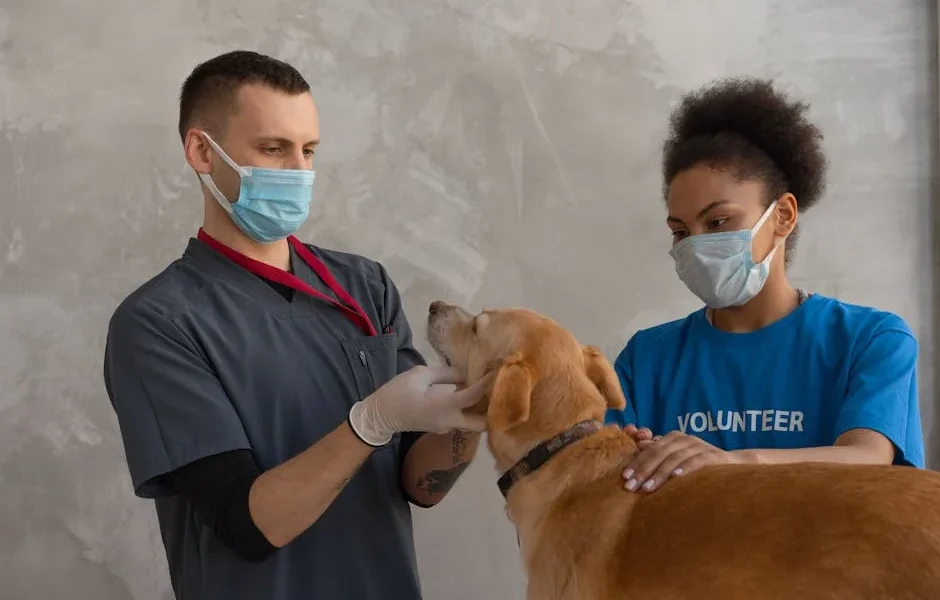
- Emergency vets use a triage system. They see patients by medical severity, not arrival time. Critical cases are seen in minutes. Non-urgent cases may wait hours.
- Emergency vets check “ABCs” first. This means Airway, Breathing, and Circulation. Some conditions like trouble breathing, bleeding, and bloat are always critical.
- Understanding triage helps reduce frustration at the ER. It also helps you spot true emergencies at home.
Last week, a woman brought her Labrador to our emergency department. The dog had been vomiting for six hours. She was anxious. She didn’t understand why her dog waited 45 minutes. Other pets arrived later but went back first. When I explained our triage system, she looked relieved. She just needed to understand how it works.
Here’s the truth: The veterinary emergency triage system can be frustrating. But it’s the best way to save the most lives. It only works when people understand it.
The Emergency Triage System: It’s About Medical Need, Not Fairness
I’ve worked in emergency medicine for fifteen years. “Fair” and “medically necessary” aren’t always the same thing.
Your regular vet works by appointments. First come, first served. That makes sense for regular visits.
Emergency hospitals are different. We use a different system.
The Veterinary Emergency and Critical Care Society created triage guidelines. Most emergency hospitals follow them. We put patients into four or five levels:
Critical/Immediate (Seen Within 5 Minutes)
These patients are dying or about to die. This includes:
– Difficulty breathing
– Uncontrolled bleeding
– Unconsciousness
– Seizures lasting more than five minutes
– Bloat in large-breed dogs
– Severe trauma from car accidents
– Male cats who can’t urinate
When these animals arrive, everything else stops. Having your pet’s medical history ready can save precious seconds.
Urgent (15-30 Minutes)
These conditions need same-day treatment. But they aren’t immediately life-threatening.
This includes moderate bleeding that’s controlled. Also suspected fractures. Severe vomiting or diarrhea causing dehydration. Eye injuries. Difficulty giving birth. Known toxin ingestion within the past few hours.
About 40-50% of our emergency visits fall here.
Semi-Urgent (30-60 Minutes)
These conditions need medical attention. But they’re stable enough to wait during busy periods.
This includes mild lameness. Ear infections causing head shaking. Minor cuts. Urinary tract infections in female dogs. Vomiting that started recently without other symptoms.
Non-Urgent (60+ Minutes)
These problems could wait for your regular vet. But owners want them addressed now.
This includes mild itching. Minor diarrhea in an otherwise bright pet. Nail trims that went too short. Suspected food allergies acting up.
Here’s what matters: Only 20-30% of our emergency visits are true emergencies. The gap between what owners think is urgent and what’s medically urgent causes frustration.
What We Actually Check First: The Primary Survey
When your pet arrives, a triage nurse does a “primary survey.” This happens before you finish the paperwork. It takes 2-3 minutes. We check the ABCs:
Airway: Is it open? Clear? Any blockage or swelling?
Breathing: How fast are they breathing? Normal is 15-30 breaths per minute for dogs at rest. Are they struggling? What do their lungs sound like? What color are their gums? They should be pink, not blue, white, or bright red.
Circulation: Heart rate. Pulse quality. Capillary refill time. We press the gums and release. Color should return in 1-2 seconds. We check blood pressure if needed.
We also check temperature. We assess for pain. We evaluate neurological status. We look for obvious trauma or bleeding.
This isn’t a complete exam. That comes later. This is life-or-death screening.
The Disconnect: Owner Perception vs. Clinical Reality
Studies show something interesting. About 35% of owners believe their pet’s condition is more critical than it is. I get it. When it’s your dog or cat, everything feels like an emergency. That’s not wrong. It’s human.
But here’s what I need you to understand: We’re not dismissing your concern. We’re making a medical decision based on physiology, not emotion.
Your dog ate chicken bones four hours ago? He’s acting normal? That’s less urgent than the dog who arrived five minutes ago unable to breathe after bee stings.
Does this system mean you sometimes wait while feeling anxious? Yes. Is there a better alternative that saves more lives? Not that I’ve seen in 15 years.
Red Flag Symptoms: When to Drop Everything
Let me tell you which conditions should send you immediately to an emergency vet. Don’t wait for your regular clinic:
- Difficulty breathing, excessive panting at rest, or blue/gray gums
- Collapse, unconsciousness, or inability to stand
- Seizures (especially lasting more than 3-5 minutes or multiple in a row)
- Severe bleeding that doesn’t stop with pressure after 5 minutes
- Suspected bloat in large dogs (swollen belly, trying to vomit but can’t, restlessness)
- Male cat straining to urinate or unable to urinate
- Severe trauma (hit by car, fall from height, dog attack)
- Known ingestion of toxins (rat poison, xylitol, antifreeze, certain medications)
- Inability to give birth after 30+ minutes of active straining
- Severe allergic reaction (facial swelling, hives, vomiting, collapse)
These conditions automatically get triaged as critical or urgent. Everything else? We evaluate based on vital signs and how your pet looks.
Finding a good emergency vet before you need one means you won’t waste time searching during a crisis.
Behind the Scenes: What Helps (and What Doesn’t)
Pet owners sometimes ask what they can say to get faster treatment. Here’s the truth: Nothing you say will bump your stable pet ahead of a critical case. That’s not how medicine works. And it’s not how it should work.
But you can help us triage more accurately. This sometimes speeds things up. Provide specific information:
What helps: Exact timeline of symptoms. List of current medications. Known medical history. Description of what you’ve observed (three episodes of vomiting versus “he’s been sick”). Any toxin exposure you can confirm.
What doesn’t affect triage priority: How much you’re willing to pay. How long you’ve been a client elsewhere. How far you drove. How worried you are. Threats to leave negative reviews. Trust me, we’ve heard it all.
I had a client recently who handed me a typed, one-page summary. It listed her cat’s symptoms with timestamps. It was beautiful. We could assess accurately in 90 seconds. We didn’t have to piece together fragmented information while examining a stressed cat.
Recent Changes in Emergency Triage
The field is changing. Many emergency hospitals now use triage software. It standardizes assessments. It flags potential critical cases.
Some facilities offer telemedicine triage. You can consult with an emergency vet tech before coming in. This helps direct true emergencies to ERs. Less urgent cases can go to urgent care clinics or regular vets the next day.
We’re also seeing more “fast track” systems in larger hospitals. Minor emergencies get separated from critical cases. This reduces wait times for everyone. It’s like urgent care versus the ER in human medicine.
Alternative veterinary service models are also helping ease the burden on emergency departments.
The Cost Factor Nobody Wants to Talk About
Emergency vet care is expensive. Triage category can affect costs.
Critical cases need immediate intervention. They need hospitalization. They need intensive monitoring. They cost more than semi-urgent cases that get examined and sent home. That’s reality.
During check-in, ask about estimate ranges for your pet’s triage category. Most emergency hospitals can give you ballpark figures before treatment begins.
Having pet insurance that covers emergencies can make these decisions less stressful financially.
I’ve never judged a client for financial limitations. What matters is having honest conversations. We need to talk about what’s medically necessary versus what’s optimal. And what you can actually afford. We can often work within constraints. But we need to know about them upfront.
When Wait Times Become Dangerous
The triage system isn’t perfect. During peak times—evenings and weekends—even urgent cases sometimes wait longer than ideal. Non-urgent cases may wait 2-4 hours or more.
If your pet gets worse while waiting, tell the front desk immediately. Don’t assume we’re monitoring everyone in the waiting room. We’re not.
If breathing becomes labored, alert staff right away. If your pet loses consciousness, tell us. If bleeding starts or restarts, let us know. If seizures begin, get our attention.
Your pet’s triage category can change. It should change if their condition changes.
There have been nights where I wished I could clone myself. The waiting room was full. I knew people were suffering—both pets and owners. The triage system helps us do the most good. But it’s not painless for anyone involved.
What About Species Differences?
Cats hide illness differently than dogs. A sick cat sitting quietly in a carrier might be far more critical than they look. We’re trained to recognize this. But you should be too.
Cats who suddenly become lethargic need evaluation. Cats who stop eating need to be seen. Cats who hide excessively should be checked. Hiding can be normal behavior. But sudden changes combined with other symptoms are concerning.
Exotic pets need special attention. This includes rabbits, birds, and reptiles. They require specialized triage knowledge.
A rabbit not eating for 24 hours? That’s a critical emergency. Call ahead to confirm your emergency vet sees exotic species before arriving.
Preparing Before You Need Us
The best time to understand emergency vet triage is right now. When your pet is healthy. Preparation makes a huge difference in emergency situations.
Here’s what to do:
- Find your nearest 24-hour emergency vet. Save the address in your phone.
- Keep a current list of your pet’s medications, allergies, and medical conditions. Put it in your wallet or phone.
- Know your pet’s baseline. Normal breathing rate. Normal behavior. Normal appetite. This helps you spot changes.
- Understand what’s a true emergency versus what can wait for your regular vet.
- Have a financial plan for unexpected emergency costs.
I keep an emergency contact list on my own pets. I’m an emergency vet, but when you’re panicked, you can’t think straight. Having information prepared helps.
Final Thoughts
The emergency veterinary triage system exists to save the most lives with available resources. It’s based on medical need, not arrival time. This sometimes creates frustrating waits for less critical cases. But it’s the most ethical approach to emergency medicine.
Understanding what emergency vets check first helps you. The ABCs are airway, breathing, and circulation. Knowing how we categorize conditions into priority levels helps you recognize true emergencies. It also helps you manage expectations during ER visits.
Here’s what I want you to do: Print out that red flag symptom list. Put it on your refrigerator. Do it right now, while your pet is healthy.
When an actual emergency happens, you’ll be scared. You won’t remember everything you read here. But if you’ve prepared in advance, you’ll handle the crisis better.
Identify your emergency vet. Gather medical records. Understand the triage system. Do these things now.
If you find yourself in our waiting room frustrated, remember this article. You’ve been there 45 minutes. Others go back first. Trust that we’re doing our jobs exactly as we should.
Sources & Further Reading
- Veterinary Emergency and Critical Care Society (VECCS) — Professional organization establishing standardized triage protocols and emergency care guidelines for veterinary medicine
- American College of Veterinary Emergency and Critical Care (ACVECC) — Board certification organization providing evidence-based emergency medicine standards and continuing education for emergency veterinarians
- American Veterinary Medical Association Emergency Care Resources — Pet owner education materials on recognizing emergencies and understanding emergency veterinary care
- Today’s Veterinary Practice — Peer-reviewed veterinary journal featuring articles on emergency protocols, triage systems, and critical care advances
- BluePearl Emergency Vet Resources — Client education resources from a major emergency veterinary hospital network on emergency care and triage processes