- Proper fasting (8-12 hours) and pre-surgical bloodwork can prevent 60-70% of surgical complications
- Full medication disclosure—including supplements and herbal remedies—is critical for safe anesthesia
- Setting up your pet’s recovery space and arranging time off work before surgery significantly improves outcomes
I’ll never forget the morning Mrs. Patterson brought her golden retriever, Bailey, in for a routine dental cleaning. She’d given him “just a small breakfast” because she felt bad seeing him beg.
Two hours later, Bailey aspirated stomach contents during anesthesia. This means food went into his lungs. What should have been a simple procedure turned into a three-day hospital stay. He had aspiration pneumonia. It was preventable—if only she’d understood why we ask what we ask.
That experience changed how I approach how to prepare your pet for surgery: what vets want you to know before the procedure. Here’s the thing: most surgical complications don’t happen on the operating table. They happen in the days and hours leading up to it. Well-meaning pet parents make small decisions that create big problems.
After two decades of practice, I’ve learned something important. Preparation isn’t just about following a checklist. It’s about understanding the why behind each instruction. And honestly, it’s about keeping both you and your pet calmer through a stressful experience.
The Week Before: More Than Just Marking Your Calendar
Seven days out from surgery might seem early to start preparing. But this is when the foundation gets laid.
Your vet should schedule pre-anesthetic bloodwork during this window. There’s a really good reason we push for this even when your pet “seems fine.”
Those blood tests catch about 60-70% of potential surgical complications. They catch them before they become life-threatening problems. We’re checking liver and kidney function because these organs process anesthesia. We’re looking at blood cell counts. We need to know your pet can clot properly and carry oxygen efficiently.
Last month, pre-op bloodwork revealed early kidney disease in a healthy-looking 7-year-old terrier. He was scheduled for a mass removal. We adjusted our anesthetic protocol accordingly. Without those results, we might have used drugs his kidneys couldn’t process properly.
The Medication Conversation You Really Need to Have
Here’s where things get tricky. Over 30% of post-surgical complications stem from medications owners didn’t mention. They didn’t think they mattered.
That glucosamine supplement? The fish oil capsules? The calming herbal remedy your neighbor swears by? We need to know about all of it.
Some supplements affect blood clotting. Others interact with anesthetic drugs.
I once had a client who didn’t mention she’d been giving her dog aspirin for “old age aches.” During surgery, we couldn’t get bleeding to stop properly. She genuinely didn’t realize over-the-counter medications counted.
If your pet is on prescription medications like prednisone or prednisolone, don’t stop them without explicit instructions. Some medications—particularly steroids—need to be tapered carefully. Others should be discontinued days before surgery.
Creating Your Pet’s Recovery Space (Before Surgery Day)
About 40% of pet owners tell me they felt completely unprepared for post-operative home care. Don’t be part of that statistic.
Setting up a proper recovery area before you drop your pet off makes things smoother. Those first critical hours home are so much easier.
Pick a quiet room away from stairs, other pets, and household chaos. I usually suggest a bathroom or laundry room. Choose somewhere you can easily clean and monitor your pet.
You’ll need:
- Soft bedding that’s easily washable (old towels work perfectly)
- Water bowl placed where your groggy pet can’t knock it over
- Any prescribed medications lined up and ready
- Your vet’s after-hours emergency number posted somewhere visible
And here’s something nobody talks about: arrange time off work now. Not “I’ll see how they’re doing” flexibility—actual committed time.
Your pet will likely need bathroom assistance. They’ll need medication administration and monitoring for complications. Scrambling for coverage while worried about your recovering pet? That’s stress nobody needs.
The Night Before: When Instructions Really Matter
This is where Bailey’s story becomes important. Most vets require 8-12 hours of fasting before anesthesia.
This isn’t us being cruel. It’s preventing aspiration pneumonia, which can be fatal. When pets vomit under anesthesia, they can’t protect their airways like they normally would. Stomach contents enter the lungs.
The anesthetic death rate in healthy dogs is about 1 in 2,000. In healthy cats it’s 1 in 1,000. Following fasting instructions properly keeps those odds in your pet’s favor.
Water is typically allowed until about 2 hours before drop-off. But confirm this with your vet. Some procedures have different requirements.
Write down your specific instructions rather than trying to remember. Your brain will be foggy with worry anyway.
Managing Your Own Anxiety (Yes, Really)
Studies show that pets sense owner anxiety. Stressed animals require 15-20% more anesthesia with longer recovery times.
I know it’s easier said than done. But your calm matters medically.
Some practices now prescribe gabapentin to give pets 2 hours before drop-off. This reduces anxiety during that car ride and initial separation. Ask if this is appropriate for your pet. It helps tremendously.
The morning of surgery, keep your routine as normal as possible. If you usually take a morning walk, take that walk (just skip breakfast).
Dramatic changes in routine signal to your pet that something’s wrong. This ramps up their stress response.
Surgery Day: What Actually Happens
When you drop your pet off, you’ll likely be anxious and rushed. Have your questions written down beforehand.
Important ones include:
- What time should I expect an update call?
- When can I pick them up, and will someone be available to explain post-op care?
- What signs should prompt an immediate emergency call?
- What’s the realistic recovery timeline?
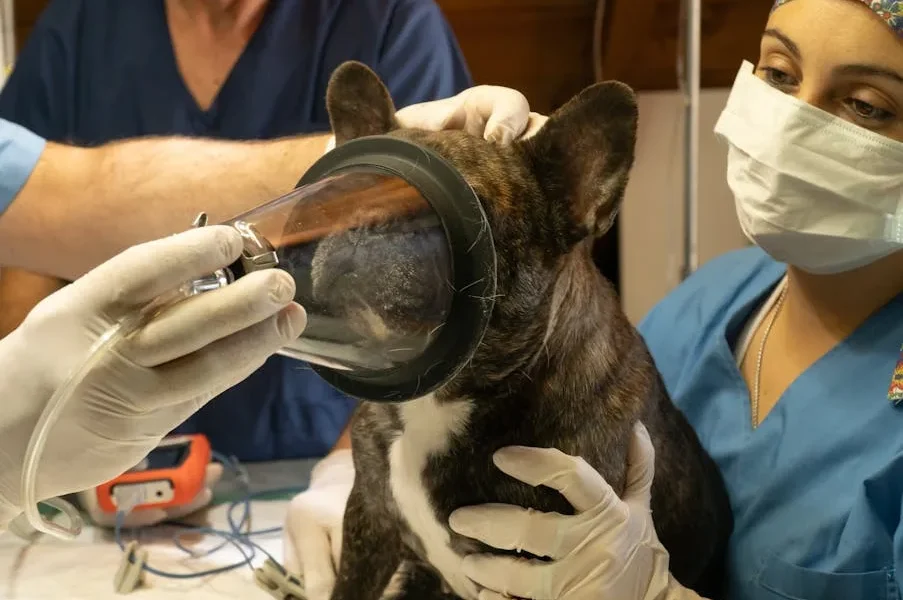
Modern veterinary practices increasingly use advanced monitoring during even routine procedures. This includes continuous blood pressure monitoring. It includes capnography to measure carbon dioxide levels. It includes ECG monitoring.
This isn’t standard everywhere yet, but it’s becoming more common. Don’t hesitate to ask what monitoring equipment will be used.
Your pet will receive an IV catheter. They’ll get pre-medications to reduce anxiety and pain. Then they’ll get anesthetic induction—usually an injectable drug that works within seconds.
They’re then intubated. This means a breathing tube is placed. They’re maintained on gas anesthesia throughout the procedure. The tube protects their airway. This is another reason fasting matters so much.
Special Considerations for Different Life Stages
Preparing a bouncy puppy for their spay surgery looks different than preparing a 12-year-old dog for a tumor removal.
Older pets often need more extensive pre-operative testing. We might recommend chest X-rays for senior patients. Or an ECG if we detect a heart murmur.
For very young pets undergoing spay or neuter procedures, fasting times might be shorter. These are still among the most common surgeries we perform. Over 80% of U.S. pets are spayed or neutered.
Puppies and kittens have less glucose reserve than adults. We balance aspiration risk against hypoglycemia risk.
Senior pets might need medication adjustments weeks before surgery. If your older pet has seizure history or other chronic conditions, expect more detailed pre-operative planning.
Red Flags That Mean Postponing Surgery
Sometimes the most important preparation is knowing when not to proceed.
Call your vet immediately if your pet develops these symptoms in the days before scheduled surgery:
- Vomiting or diarrhea
- Decreased appetite or lethargy
- Coughing or difficulty breathing
- Any signs of infection
Yes, rescheduling is frustrating. Yes, you’ve probably arranged your schedule around this date. But performing surgery on a pet who’s already compromised dramatically increases complication risks.
We’d rather delay than take unnecessary chances with your pet’s life.
I’ve postponed surgeries for seemingly minor colds that turned out to be early pneumonia. Better to catch it before anesthesia stresses an already-taxed respiratory system.
The Financial Reality Nobody Wants to Discuss
Let’s talk about something uncomfortable. Emergency surgical complications cost on average 2-3 times the original procedure.
That “simple” spay that develops an infection because post-op instructions weren’t followed? Now you’re looking at additional vet visits. You need antibiotics. Possibly even revision surgery.
Before surgery day, understand your complete financial picture. Get a written estimate. It should include not just the procedure but pain medications, post-op rechecks, and potential complications.
If you’re using pet insurance, confirm what’s covered before proceeding.
Many practices offer payment plans or work with financing companies. Having this arranged beforehand means you can focus on care decisions. You won’t be scrambling for funds if complications arise.
When You Get the “All Done” Call
That phone call saying surgery went well brings immense relief. But you’re not done preparing. Now comes the part where many pet owners struggle.
Pick-up time is usually late afternoon. This is after your pet has had several hours to wake up and stabilize.
When you arrive, actually listen to the discharge instructions. I know you’re excited to see your pet. But this information is crucial.
Many clinics now send written instructions home or follow up with emails. Take advantage of these resources.
Your pet will likely be groggy, disoriented, and possibly clingy or hiding. Both are normal responses. Some pets vocalize more than usual as anesthesia wears off. Others are eerily quiet.
Know what’s normal for your individual pet. This helps you recognize when something’s actually wrong.
The ride home requires care too. Secure your pet safely—they’re not fully coordinated yet. Have someone else drive if possible. Then you can monitor and comfort them.
Final Thoughts
After watching thousands of pets go through surgery, I can tell you something. The ones who do best have owners who prepared thoroughly.
This means not just following the fasting instructions (though please, please do that). It means understanding the whole process. Setting up recovery spaces beforehand. Arranging time off. Having honest conversations about medications and finances. Managing their own anxiety so they don’t transfer it to already-stressed pets.
Surgery is scary. There’s no getting around that. But proper preparation transforms it from a crisis into a manageable event. It becomes something with an expected recovery timeline.
Start planning today if your pet has an upcoming procedure. Write down your questions. Set up that recovery space. Have an honest conversation with your vet about every medication and supplement your pet takes.
Your future self—and your recovering pet—will be incredibly grateful you did.
Sources & Further Reading
- American Veterinary Medical Association — Comprehensive guide to anesthesia safety and what pet owners should expect
- American Animal Hospital Association — Evidence-based recommendations for surgical preparation and post-operative care
- American College of Veterinary Anesthesia and Analgesia — Detailed information on anesthetic protocols and risk factors
- Cornell University College of Veterinary Medicine — Surgical services information and patient preparation guidelines
- UC Davis School of Veterinary Medicine — Frequently asked questions about anesthesia and surgical procedures
