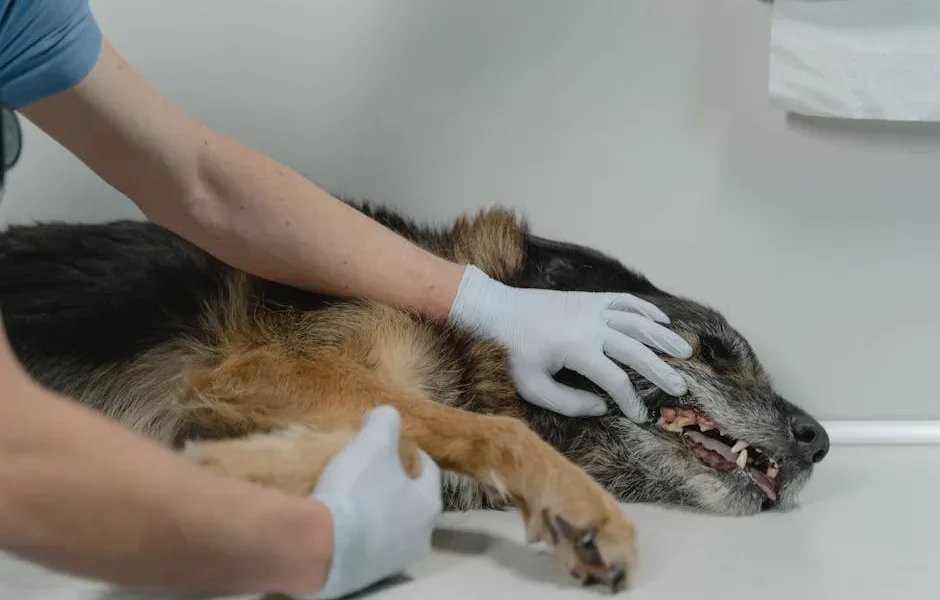
- Most pet seizures last 30 seconds to 2 minutes. Any seizure over 5 minutes needs emergency vet care right away.
- During a seizure, keep your pet safe. Move objects away. Time the seizure. Never hold your pet down or put your hands near their mouth.
- First seizures in older pets need urgent care. Multiple seizures in 24 hours need urgent care. Seizures with other bad symptoms need urgent care.
I’ll never forget a 2 a.m. phone call from a client. Her Golden Retriever, Bailey, was having her first seizure. The owner was crying. She thought her dog was dying. I could hear chaos in the background.
That call taught me something important. Every pet owner needs to know about Pet Seizure Emergency: How to Protect Your Pet During Convulsions & When to Seek Urgent Care. You need this information before a crisis happens.
When your pet is convulsing on the floor, your brain doesn’t work well. You need a plan.
Seizures are scary to watch. But knowing what’s happening helps. Knowing what to do helps. Knowing when it’s an emergency can save your pet’s life.
Understanding What’s Happening When Your Pet Seizes
A seizure is like an electrical storm in the brain. Normal brain activity is organized. During a seizure, brain cells fire in a chaotic way.
This causes the symptoms we see. Stiff muscles. Paddling motions. Loss of consciousness. Drooling. Sometimes loss of bladder or bowel control.
Here’s an important fact: about 0.5-5% of dogs will have seizures in their lifetime. Epilepsy is one of the most common brain problems in dogs.
Cats can seize too. It’s less common in cats. When cats seize, it often means a more serious problem.
Types of Seizures You Might See
Not all seizures look the same.
Generalized seizures are the classic type. They involve the whole brain. They cause full-body convulsions. The pet loses consciousness. This is what most people picture.
Focal seizures affect only one part of the brain. They might cause strange behaviors. Facial twitching. One leg jerking. Snapping at invisible things. Sudden aggression. Your pet may stay partly conscious.
Psychomotor seizures are weird. Your dog might suddenly chase their tail frantically. They might attack invisible enemies. They might act like they’re hallucinating. These are hard to recognize as seizures.
Step-by-Step: What to Do During a Pet Seizure Emergency
Your pet is seizing right now. What do you do?
First 30 Seconds: Stay Calm and Create Safety
I know “stay calm” is hard. But your pet needs you to function right now. Take one deep breath.
Move away any objects your pet could hit. Furniture. Toys. Water bowls. Anything with hard edges.
Is your pet on a couch or bed? Carefully slide them onto the floor if you can. Do this without getting near their head. Pets can fall and get hurt during seizures.
Do NOT try to hold your pet down.
Do NOT put your hand near their mouth.
This is very important. Dogs cannot swallow their tongue during seizures. That’s a myth. It’s impossible.
But they can bite down very hard during a seizure. They don’t mean to. But jaw movements are uncontrolled. I’ve seen bad injuries to owners who tried to help.
During the Seizure: Time and Observe
Look at a clock. Time the seizure. This information is critical.
Most seizures last 30 seconds to 2 minutes.
If you can, use your phone to record video. This helps your vet. They can see the seizure type. They can see how severe it is.
Keep the environment quiet. Dim lights if you can. Turn off loud TVs. Ask people to speak softly.
Too much noise and light can make seizures last longer. It can trigger more seizures.
After the Seizure: The Post-Ictal Phase
The active convulsions stop. Now your pet enters the recovery phase. We call this the post-ictal period.
This phase can last minutes to hours.
Your dog or cat might seem confused. Disoriented. Temporarily blind. Restless. Exhausted. Some pets pace a lot. Others sleep deeply.
Stay with your pet. Speak softly. Be reassuring. But don’t force interaction if they want space.
Keep them away from stairs. Keep them away from pools. They could hurt themselves while disoriented.
Offer small amounts of water. Don’t force eating right away.
When a Seizure Becomes a Life-Threatening Emergency
Not every seizure needs an immediate ER visit. But some situations absolutely do.
Understanding these red flags could save your pet’s life.
Status Epilepticus: The 5-Minute Rule
Any seizure lasting longer than 5 minutes is a medical emergency. We call this status epilepticus.
The brain is overheating. Brain cells are being damaged. Without help, permanent brain damage can occur. Death can occur.
If your pet is still seizing at the 5-minute mark, get in your car. Head to an emergency vet hospital. Call ahead so they’re ready.
Don’t wait to see if it stops. The longer it goes, the harder it is to control. The worse the outcome.
Cluster Seizures
Multiple seizures within 24 hours are called cluster seizures. About 30-60% of epileptic dogs get these.
They greatly increase the risk of status epilepticus.
If your pet has a second seizure within a few hours of the first, that’s an emergency. This is emergency vet territory. Don’t wait until Monday.
First Seizure Red Flags
Is this your pet’s very first seizure? Several factors determine urgency:
- Age matters. First seizures in pets older than 5-7 years are concerning. They’re more likely to mean serious problems. Brain tumors. Liver disease. Metabolic disorders. They’re less likely to be simple epilepsy. Older first-time seizures need prompt evaluation.
- Other symptoms. Is your pet also vomiting? Severely tired? Pale gums? Signs of eating poison? That’s an emergency combination.
- Known toxin exposure. Did your pet eat chocolate? Xylitol? Rat poison? Human medications? Toxic plants? Get to an ER immediately. Time is critical with poisoning.
Other Emergency Scenarios
Seek immediate care if your pet:
- Has trouble breathing after the seizure. Has blue or gray gums.
- Has a body temperature above 104°F. Seizures can cause dangerous overheating.
- Stays unconscious 10+ minutes after the seizure ends. Stays completely unresponsive.
- Shows signs of severe pain. Shows signs of injury from falling.
When You Can Wait (But Still Need to Call)
When is it okay to wait? When can you schedule a next-day appointment instead of rushing to the ER at 3 a.m.?
Your pet has a known seizure disorder. They’re on medication. They have a brief seizure (under 2 minutes). It’s isolated. It’s typical for them. They recover normally afterward.
In this case, you can likely wait. Contact your regular vet during business hours.
But you should still call and report the seizure. Changes in seizure frequency need evaluation. Changes in pattern need evaluation. Medication might need adjustment.
First-time seizure in a young, healthy pet? Brief seizure. Normal recovery afterward. Same-day or next-day vet evaluation is appropriate.
You don’t necessarily need emergency rates. But you do need diagnostic workup within 24-48 hours.
When in doubt? Call. Most emergency clinics offer phone help. They can help you decide if your pet needs immediate care. Or if they can safely wait.
There’s no penalty for asking.
What Causes Pet Seizures?
Understanding causes helps with prevention. It helps with long-term management.
Idiopathic Epilepsy
This is the most common cause of repeat seizures in dogs between 1-5 years old.
“Idiopathic” means “we don’t know exactly why.” There’s no identifiable brain problem. But the electrical activity is abnormal.
Certain breeds are prone to this. Beagles. German Shepherds. Belgian Tervurens. Labrador Retrievers. Golden Retrievers. And many others.
Toxins and Poisons
Common household toxins that trigger seizures include:
- Xylitol (sugar-free gum, baked goods)
- Chocolate and caffeine in large amounts
- Rat poison
- Snail and slug bait
- Human medications (antidepressants, ADHD medications, pain relievers)
- Certain plants (sago palm, brunfelsia)
- Illegal drugs
Metabolic Diseases
Liver failure can cause seizures. Kidney disease can. Severe low blood sugar can. Electrolyte imbalances can.
These typically come with other symptoms. Vomiting. Diarrhea. Increased thirst. Weight loss.
Brain Tumors and Structural Problems
These are more common in older pets. Brain tumors. Strokes. Inflammatory brain diseases. All can cause seizures.
Advanced imaging is usually needed for diagnosis. MRI or CT scan.
Heatstroke
Severe overheating can cause seizures. The brain becomes damaged by excessive temperature.
This is a true emergency. It requires aggressive cooling. It requires critical care.
Diagnostic Workup: What to Expect After a Seizure
Your vet will want to investigate why the seizure occurred. This is especially true for first-time episodes.
Basic workup typically includes bloodwork. This checks liver function. Kidney function. Blood sugar. Electrolytes. Sometimes urinalysis too.
For cats especially, urinalysis can reveal metabolic issues.
Is bloodwork normal? Does your pet fit the profile for idiopathic epilepsy? Your vet might diagnose based on history and physical exam.
Advanced diagnostics include MRI. CT scan. Cerebrospinal fluid analysis. These are recommended for certain cases:
- Older first-time seizures
- Progressive worsening of seizure control
- Neurological problems between seizures
These require referral to a vet neurologist. They represent significant cost. Typically $2,000-5,000.
This is where pet insurance really pays off. If you researched it ahead of time.
Living with an Epileptic Pet
Your pet is diagnosed with epilepsy. Now you’re looking at long-term management.
Medication Compliance Is Everything
Anti-seizure medications work by raising the seizure threshold in the brain. Common ones include phenobarbital. Potassium bromide. Zonisamide. Levetiracetam.
But they only work if given consistently. At the same times every day.
Missing doses can trigger breakthrough seizures.
Set phone alarms. Put medications where you’ll see them. Make it part of your routine.
Keep a Seizure Diary
Document every seizure. Date. Time. Duration. What happened before. How long recovery took.
Patterns emerge. These help your vet optimize medication.
Many pets have trigger factors. Stress. Missed medications. Changes in routine. Certain foods.
Seizure First Aid Kit
Keep these items accessible:
- Emergency vet contact numbers (regular vet and nearest ER)
- Rectal diazepam or other emergency seizure medication if prescribed
- Towels or blankets to cushion your pet
- Thermometer to check temperature after seizure
- Notebook and pen for documentation
- Your phone, charged (for timing and recording)
The Reality of Seizure Management
Most epileptic pets on medication still have occasional breakthrough seizures.
The goal isn’t zero seizures. Though that’s ideal. The goal is reducing frequency. Less than one every 6-8 weeks. Making sure seizures stay short. Making sure they don’t cluster.
About 20-30% of epileptic dogs are drug-resistant. They continue having frequent seizures despite medication. These cases require specialist care.
Recent developments show promise. Cannabinoid-based treatments may help drug-resistant epilepsy. Clinical trials are ongoing. Some vets now use CBD as additional therapy.
Wearable seizure-detection devices for pets are becoming available. They alert owners to seizure activity. They help track patterns.
Choosing the Right Care: Emergency vs. Regular Vet
Understanding when to use emergency services saves stress. It saves money.
Acute, first-time, or severe seizures with red flags? Emergency care is appropriate.
Established epileptic pet with typical, brief seizure and normal recovery? Follow-up with your regular vet makes sense.
If you’re unsure about the difference in services and costs, learn how to choose between emergency vets and urgent care. This helps you make informed decisions during stressful moments.
Some breeds are prone to seizures. If you have one of these breeds, find a vet familiar with breed-specific health challenges.
Choosing a vet clinic that understands breed-specific needs means better preventive care. Earlier recognition of problems.
Prevention: Reducing Seizure Risk
You can’t prevent idiopathic epilepsy. But you can minimize other seizure risks:
- Toxin-proof your home. Keep all medications in pet-proof containers. Keep cleaning products secure. Keep human foods secure. Know which plants are toxic.
- Prevent heatstroke. Never leave pets in hot cars. Provide shade and water. Limit exercise on very hot days.
- Maintain preventive care. Regular vet visits catch problems early. Regular bloodwork catches metabolic diseases before they cause seizures.
- Reduce stress. Some epileptic pets have stress-triggered seizures. Maintain consistent routines when possible.
Cost Considerations
Let’s talk money. Because it matters.
An emergency vet visit for a seizure typically runs $500-2,000. This covers initial stabilization. Diagnostics. Short-term hospitalization.
Advanced neurological workup adds significantly more.
Long-term anti-seizure medications cost $20-100+ monthly. This depends on drug and pet size. Plus regular monitoring bloodwork.
This is exactly the scenario pet insurance is designed for. Unexpected, expensive, ongoing medical needs.
But understanding coverage details matters. Compare preventive care standards and insurance options before you need them. This prevents financial crisis during medical emergencies.
Final Thoughts
Watching your pet have a seizure is one of the most frightening experiences of pet ownership.
But armed with knowledge, you transform. From helpless observer to capable protector.
Remember: most seizures are brief. Most seizing pets survive and recover fully.
Your job during those terrifying moments is simple. Keep your pet safe from injury. Time the episode. Know when it crosses from manageable to emergency.
Document everything. Call your vet. Follow through with diagnostic recommendations.
If your pet is diagnosed with epilepsy, medication compliance and monitoring become your new normal. Yes, it’s a lot.
But thousands of epileptic pets live full, happy lives with proper management. The seizure disorder becomes just one manageable aspect of your pet’s health. Not the defining feature of their life.
And honestly? You’ll handle it. Pet owners always amaze me with their resilience and dedication.
You’ve got this.
Sources & Further Reading
- American Veterinary Medical Association (AVMA) — Comprehensive guidelines on emergency seizure protocols and neurological emergency recognition
- Cornell University College of Veterinary Medicine — Evidence-based information on canine and feline neurological conditions including seizure disorders
- VCA Animal Hospitals — Client education resources on seizure types, causes, and management strategies
- ASPCA Animal Poison Control — Database of toxins that trigger seizures and emergency treatment protocols
- American College of Veterinary Emergency and Critical Care (ACVECC)
Medical disclaimer: This article is for educational purposes only and does not substitute professional veterinary advice, diagnosis, or treatment. Always consult a licensed veterinarian about your pet's health.