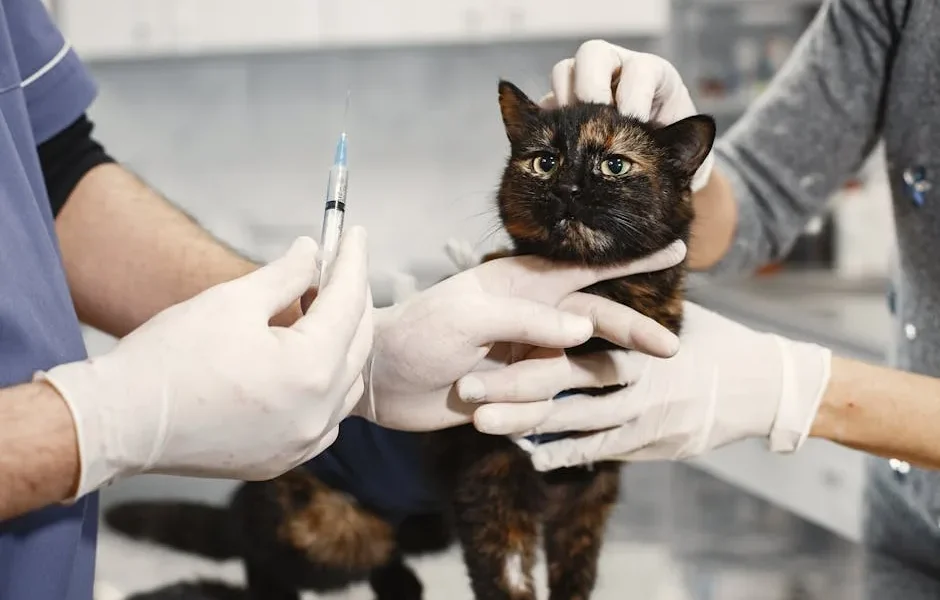
- Only 15% of U.S. veterinary practices are AAHA-accredited. This means most clinics operate without standardized oversight. Comparison is essential.
- Vaccination protocols vary a lot between clinics. Up to 40% still recommend annual vaccines. Current guidelines support 3-year intervals for adult pets.
- Cost differences of $200-400+ annually between clinics often reflect protocol variations rather than care quality. Understanding what you’re paying for is critical.
Here’s something I learned the hard way early in my career: not all preventive care is created equal. When you’re trying to figure out how to compare preventive care standards across veterinary clinics before choosing, you’re asking exactly the right question. More pet owners should ask this before their first visit.
I’ve seen pets come into the ER with entirely preventable conditions. Their previous clinic’s “wellness plan” was more marketing than medicine. I’ve watched colleagues at different practices recommend vastly different protocols for identical patients. This leaves owners confused and pets underprotected.
The truth is simple. Veterinary medicine doesn’t have the same standardization you’d find in human healthcare. We don’t have a CDC mandate for what every clinic must offer. This creates both opportunity and chaos.
Why Preventive Care Standards Vary So Dramatically
Let’s start with an uncomfortable reality. Veterinary medicine operates in a mostly unregulated market when it comes to care standards.
Sure, state boards ensure we’re licensed and facilities are safe. But the actual medicine we practice? That’s largely up to individual clinics.
Only about 15% of practices pursue AAHA accreditation. This requires meeting over 900 standards. These cover everything from anesthesia protocols to medical record-keeping.
The other 85%? They’re operating without external oversight of their medical standards. Some are exceptional. Others… aren’t.
I’ve consulted for clinics where “preventive care” meant a quick physical exam and whatever vaccines were due. Maybe 15 minutes total. Others dedicate 45 minutes to wellness visits. They include body condition scoring, pain assessments, nutritional counseling, and individualized parasite prevention based on lifestyle factors.
Both charge similar prices. See the problem?
What Actually Constitutes Evidence-Based Preventive Care
Before you can compare clinics, you need a baseline understanding. You need to know what current veterinary guidelines actually recommend.
This is where things get interesting. This is where outdated practices become obvious.
Vaccination Protocols: The Easiest Way to Spot Outdated Medicine
Here’s your first red flag detector. If a clinic automatically recommends annual vaccines for every adult dog and cat, they’re not following current guidelines. AAHA and WSAVA guidelines are clear on this.
Core vaccines provide immunity lasting three years or longer in adult pets. This includes rabies (except due to legal requirements), distemper, parvo, and adenovirus in dogs. For cats: panleukopenia, calicivirus, and herpesvirus.
Studies show up to 40% of clinics still push annual vaccination for everything. Why?
Sometimes it’s genuine ignorance. Sometimes it’s financial incentive. Annual vaccines mean annual visits. Annual visits mean annual revenue. But immunity doesn’t work on a fiscal calendar.
Now, some vaccines should be given annually. Bordetella and leptospirosis are examples. Certain lifestyle-dependent options too. The key word is “some.”
A clinic following current science will explain which vaccines your pet needs based on risk factors. Not a blanket protocol applied to everyone.
Parasite Prevention: Regional Variations That Actually Make Sense
This is where comparison gets trickier. Legitimate variation exists here.
A clinic in Arizona should recommend different parasite prevention than one in Maine. The Companion Animal Parasite Council provides geographic risk maps. These guide decisions.
What you’re evaluating isn’t whether they recommend year-round heartworm prevention. In some regions, that’s medically appropriate. In others, it’s overkill.
You’re evaluating whether they base recommendations on actual risk assessment. Or do they just sell the same protocol to everyone?
Ask potential clinics: “What parasite risks are specific to our area? How do those influence your recommendations?”
Quality clinics will reference local prevalence data. They’ll discuss your pet’s individual exposure risks.
Creating Your Preventive Care Comparison Checklist
When I advise friends choosing a new clinic, I tell them to schedule consultations. Not appointments—consultations. Visit their top three choices.
Most clinics offer free meet-and-greets. Come prepared with specific questions.
Questions That Reveal Standards
Start with: “What’s included in a standard wellness exam?”
You want specifics. Body condition scoring? Dental examination? Pain assessment? Joint palpation?
Listening to heart and lungs is baseline. What distinguishes adequate from excellent?
Then ask: “How do you determine which vaccines my pet needs?”
If the answer is “We follow a standard protocol” without mention of lifestyle factors or titer testing options, that’s concerning. Quality medicine is individualized medicine.
My favorite revealing question: “How often do you recommend dental cleanings, and how do you make that determination?”
This one’s brilliant. It forces clinics to either demonstrate personalized assessment or reveal they have a one-size-fits-all policy.
Some pets need annual cleanings. Others can go several years. There’s no universal answer. That’s exactly the point.
The Cost Transparency Test
Request itemized pricing for a year of preventive care for your pet.
Not just “wellness plan” marketing materials. Actual itemized costs.
What does the physical exam cost? Each vaccine? Fecal testing? Heartworm testing? Senior bloodwork?
When I see the numbers side-by-side, it’s rarely that expensive clinics provide better care.
Often, you’re paying more for location, facility aesthetics, or unnecessary add-ons. The $600 preventive care package might include lifestyle vaccines your indoor cat doesn’t need. Meanwhile, the $300 option covers all the essentials.
Now, some cost differences reflect legitimate value. Quality emergency vet care requires investment in equipment, training, and staff. Preventive care clinics with better resources, training, and diagnostic capabilities might reasonably cost more.
Just make sure you understand what you’re paying for.
Red Flags vs. Green Flags
After 15 years in emergency medicine, I’ve developed pattern recognition.
I can tell which clinics consistently send me well-cared-for patients. And which ones don’t.
Warning Signs
Aggressive wellness plan sales tactics. If you feel pressured to enroll immediately, that’s a problem. If you hear phrases like “You don’t want anything bad to happen to Fluffy, do you?”—that’s manipulation, not medicine.
Resistance to questions. Quality veterinarians welcome informed, engaged clients. If your questions are met with defensiveness or dismissal, that relationship won’t serve you long-term.
No access to medical records or lack of digital record-keeping. In 2026, there’s no excuse for poor medical documentation. How will specialists or emergency clinics access your pet’s history if it’s not properly maintained?
Cookie-cutter protocols without lifestyle assessment. If they’re recommending treatments without asking where you live, whether your dog goes to parks, if your cat goes outdoors—they’re not tailoring care to your pet.
Positive Indicators
AAHA accreditation or pursuit of other certifications (Fear Free, Cat Friendly Practice). These aren’t guarantees of excellence. But they demonstrate commitment to standards and continuing education.
Clear communication about what’s essential versus optional. “Your pet absolutely needs X, and here’s why. Y and Z are optional but here’s what they offer.” That’s ethical medicine.
Willingness to discuss alternatives. Can’t afford the comprehensive senior panel? A quality clinic will prioritize which tests matter most for your pet’s situation. They won’t present an all-or-nothing choice.
Integration of technology for communication and compliance. Clinics offering client portals, online appointment booking, and automated reminders generally see better preventive care compliance. This ultimately benefits your pet.
The Accreditation Question
Should you only choose AAHA-accredited practices?
Honestly? I’m conflicted on this one.
AAHA accreditation is the veterinary gold standard. Those 900+ standards cover everything from anesthesia safety protocols to pain management to staff training. Accredited practices undergo regular evaluations. It matters.
But some brilliant veterinarians operate excellent non-accredited clinics.
Accreditation is expensive and time-consuming. Some smaller practices can’t justify the cost, especially in rural areas. I know exceptional two-doctor clinics that don’t pursue accreditation but provide better medicine than some accredited corporate hospitals.
My take: Accreditation is a significant positive indicator. But its absence isn’t automatically disqualifying.
Look at the whole picture. An experienced, communicative veterinarian who stays current with continuing education and follows evidence-based guidelines can provide excellent care without the AAHA seal.
Understanding Your Pet’s Specific Needs
Here’s where the comparison gets personal.
The best clinic for a friend’s young, healthy Labrador might be wrong for your senior cat with kidney disease.
Life Stage Considerations
Puppies and kittens need practices comfortable with pediatric care. They need proper vaccination schedules, developmental assessments, and early socialization guidance.
Ask: “How many puppy/kitten wellness visits do you typically recommend in the first year, and what’s covered in each?”
Senior pets need geriatric expertise. Does the clinic have protocols for senior wellness screening? Do they discuss quality of life assessments?
Recognizing pain in pets becomes critical as they age. Does this clinic prioritize pain assessment in older animals?
Breed and Lifestyle Factors
If you have a Great Dane, does this clinic understand bloat risk? Do they discuss preventive gastropexy?
For brachycephalic breeds, do they show awareness of respiratory and anesthetic considerations?
Your lifestyle matters too. Active dogs visiting dog parks and hiking trails need different preventive strategies than homebodies.
Quality clinics ask about your life, not just your pet’s symptoms.
The Communication Factor
Technical excellence means nothing if you can’t understand or access it.
I’ve watched clients follow through with recommendations from adequate veterinarians who communicated well. Meanwhile, they ignored advice from brilliant specialists who couldn’t explain things clearly.
During your consultation, pay attention to how the veterinarian or staff explains preventive care concepts.
Do they use understandable language? Do they check for comprehension? Do they provide written summaries or resources?
Also evaluate communication systems. How do they handle appointment reminders? Can you message with questions between visits? What’s their response time?
These seemingly small factors dramatically affect preventive care compliance.
When Convenience Matters (And When It Shouldn’t)
Let’s be practical.
A clinic 45 minutes away might offer marginally better preventive care. But if the distance means you skip appointments, your pet loses. Convenience has legitimate value.
But don’t sacrifice quality for a five-minute shorter drive. Preventive care happens a few times yearly. You can manage a slightly longer trip for significantly better medicine.
What matters more than proximity: continuity of care.
If your clinic has terrible after-hours coverage or no relationship with specialists or emergency hospitals, that’s a bigger problem than location.
I can’t tell you how many times I’ve needed to reach a pet’s regular veterinarian for critical history. I hit a dead end because the clinic had no emergency backup system.
The Second Opinion Strategy
Here’s a strategy I rarely see recommended but strongly advocate.
Start with two clinics simultaneously for your first year.
Schedule your pet’s initial exam at your top choice. Three months later, do a “second opinion wellness visit” at your second choice.
This gives you direct comparison with the same patient. How did their recommendations differ? How did you feel about each interaction? What did each emphasize?
This costs more upfront but provides invaluable insight. You’ll quickly identify which clinic’s philosophy and communication style fits your needs. Then you commit to one for ongoing care.
Some might argue this is disloyal or wasteful. I’d argue that choosing your pet’s healthcare provider deserves this level of diligence.
You’re making a decision that affects years of care and potentially thousands of dollars. Two visits to ensure you’re choosing wisely is smart, not excessive.
What About Wellness Plans?
Many clinics now offer wellness plans. These are monthly payment programs covering preventive services.
About 15-20% of pet owners use them. They potentially save 20-30% compared to paying for services individually.
But wellness plans deserve scrutiny. Read the fine print.
What’s actually covered? What are the cancellation terms? Are you paying for services your pet doesn’t need?
Some wellness plans are genuinely valuable, especially for young pets needing multiple visits and vaccines. Others are financing schemes. They lock you into services while restricting your ability to seek care elsewhere.
Compare the plan’s annual cost against itemized service costs. Does the math actually favor you?
If the plan costs $480 annually but you’d only spend $350 on the included services à la carte, you’re not saving money. You’re subsidizing the clinic’s guaranteed revenue stream.
The Specialist Relationship Question
Quality primary care veterinarians know their limits. They maintain relationships with specialists.
During your evaluation, ask: “In what situations would you refer to a specialist, and which specialists do you work with?”
This reveals both humility and network quality.
If the answer is vague or defensive—”We handle everything here”—that’s concerning. Knowing when your dog needs a specialist is a sign of good medicine, not weakness.
I’ll add this from the emergency side: I can immediately identify which primary care clinics prepare their clients well.
Their pets arrive with complete medical histories. Owners understand the situation. They have reasonable expectations. Those relationships matter.
Trust Your Gut (But Verify With Facts)
After all this analysis, I’m going to say something that might sound contradictory.
Your intuition matters.
If a clinic checks all the boxes on paper but something feels off, listen to that. If you don’t trust the veterinarian, if the staff seems rushed or dismissive, if the facility feels chaotic—pay attention.
The veterinarian-client relationship is therapeutic in itself. Without trust and communication, even excellent technical medicine fails.
But don’t rely solely on gut feelings. Verify intuition with facts.
A clinic that “feels” great but recommends annual vaccines for everything or can’t explain their protocols clearly is selling you comfort, not quality care.
The ideal combination: a clinic that both meets evidence-based standards and feels right to you. Those exist. They’re worth finding.
Final Thoughts
Comparing preventive care standards across veterinary clinics takes effort. It takes more effort than most pet owners invest.
But consider this. You’re choosing a partner for potentially 10-15 years of your pet’s healthcare. Spending a few hours on thorough evaluation is time well spent.
The clinics with the flashiest marketing aren’t always the ones providing the best medicine. The most expensive aren’t necessarily the most comprehensive.
What matters is evidence-based protocols. Clear communication. Individualized care. A relationship built on trust and transparency.
Look for vaccination protocols that follow current guidelines. Parasite prevention based on actual risk assessment. Transparent pricing. Veterinarians who welcome your questions rather than dismiss them.
Start your search now, before you need urgent care. Schedule those consultation visits. Ask the hard questions about accreditation, protocols, and emergency coverage. Request itemized pricing.
And remember: you’re not just choosing a clinic. You’re choosing a medical partner who’ll help keep your pet healthy for years to come.
That decision deserves the same diligence you’d apply to choosing your own healthcare provider. Your pet can’t advocate for themselves. So you need to be informed, prepared, and willing to seek out the quality care they deserve.
Sources & Further Reading
- AAHA Vaccination Guidelines — Evidence-based canine and feline vaccination protocols updated regularly by veterinary experts
- AAHA Accreditation Standards — Comprehensive overview of 900+ standards accredited practices must meet
- Companion Animal Parasite Council Guidelines — Geographic-specific parasite prevention recommendations based on regional prevalence data
- WSAVA Global Vaccination Guidelines — International vaccination standards for dogs and cats
- AVMA Pet Care Resources — Consumer-focused information on veterinary care standards and expectations