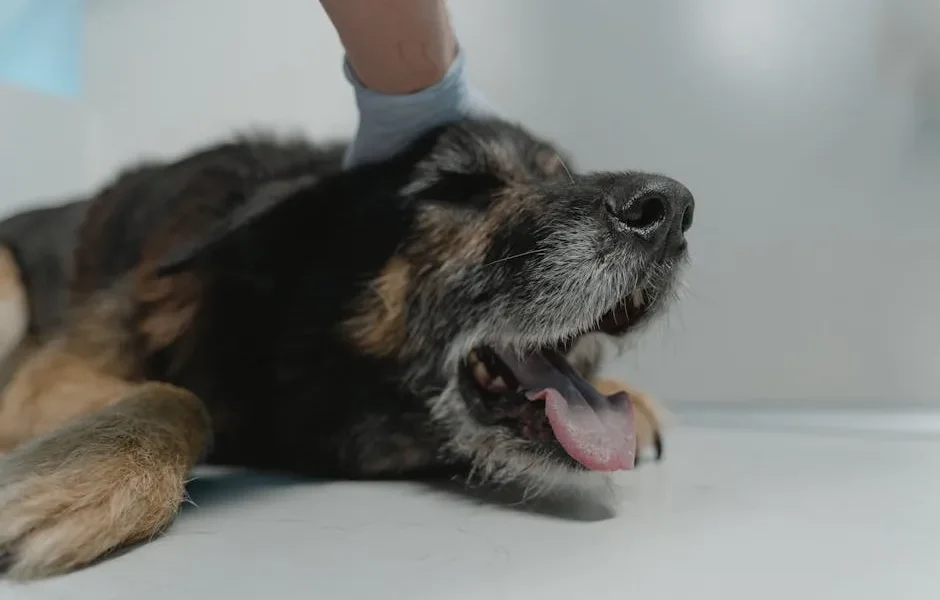
- Some symptoms need emergency care right away. These include trouble breathing, collapse, seizures, or bloat. Don’t wait for your regular vet.
- If your dog isn’t better after 2-3 treatments with your regular vet, ask about seeing a specialist.
- Specialists have special training and tools. They can find the right diagnosis faster. This can save you time and money for complex problems.
Last Tuesday, I met with a client named Sarah. Her golden retriever, Murphy, had been limping for six weeks. He had tried three rounds of medicine. He had tried two different pain medications. Sarah had spent hundreds of dollars. Murphy was still hopping on three legs.
“I just don’t know what to do,” she said. “Should I have taken him somewhere else weeks ago?”
I’ll be honest—that question stung a little. But she was right to ask it.
It’s not always easy to know when your dog needs a specialist. Even vets like me sometimes struggle with this question.
The veterinary field has changed a lot. There are 22 different specialties recognized by the AVMA. There are only about 6,000 board-certified specialists. But there are more than 120,000 vets practicing in the U.S.
Sometimes your regular vet is the right choice. Other times, a specialist can make all the difference.
When General Practice Is Exactly Right
Your general vet is like your dog’s primary care doctor. We handle routine wellness exams. We give vaccinations. We treat common illnesses and minor injuries. We do dental cleanings. We perform simple surgeries like spays and neuters.
Most dogs will never need specialty care. That’s perfectly normal.
General vets can diagnose and treat most conditions. This includes ear infections, simple skin issues, stomach upset, bladder infections, minor wounds, and basic bone problems like mild sprains.
We have X-ray machines. We have in-house lab work. Many practices have ultrasound. We have decades of experience with common dog health issues.
For Murphy’s case, general practice was the right call at first. Most limping gets better with rest and basic medicine. But here’s where it gets tricky.
The Red Flags That Change Everything
I pulled up Murphy’s chart. I showed Sarah the pattern.
Week one: mild improvement. Week two: back to limping. Week three: tried a different approach, slight improvement. Week four: worse again.
This is what we call “treatment failure.” It’s one of the clearest signs that specialty care might be needed.
If your dog hasn’t responded to treatment after 2-3 attempts, that’s your signal. It doesn’t mean your vet did anything wrong. It means the problem might be more complex.
Other red flags include:
- Symptoms that keep coming back despite treatment
- Getting worse despite treatment
- Unusual symptoms that don’t fit typical patterns
- Multiple body systems affected at the same time
- Test results that raise more questions than answers
The Emergency Exception
Some situations need emergency care right away. These bypass both general practice and specialty referrals.
Go to an emergency vet hospital immediately if your dog has:
- Difficulty breathing
- Collapse
- Seizures
- A distended or bloated abdomen
- Severe bleeding
- Inability to urinate
- Suspected poisoning
Don’t call to schedule an appointment. Don’t wait until morning. Go straight to an emergency hospital.
These situations can mean the difference between life and death.
Decoding the Specialty Landscape
I told Sarah that Murphy needed to see an orthopedic specialist. She looked confused.
“I thought you did X-rays? Didn’t we already check his bones?”
Here’s what many pet owners don’t realize. Specialists have technology and training that goes far beyond general practice.
An orthopedic specialist has advanced imaging like CT scans and MRI. They have special equipment for minimally invasive joint surgery. They have years of additional training focused only on bones, joints, and ligaments.
You might want to review advanced imaging options and their costs before your specialist appointment.
The veterinary specialty world includes:
- Internal medicine specialists handle complex digestive, hormone, liver, and kidney diseases
- Cardiologists diagnose and treat heart conditions
- Oncologists provide cancer diagnosis and treatment
- Dermatologists tackle chronic skin conditions and allergies
- Neurologists work with seizures, spinal issues, and brain conditions
- Ophthalmologists treat eye diseases and perform eye surgeries
- Orthopedic surgeons handle complex bone, joint, and ligament problems
Each specialist has completed 3-4 years of additional training beyond veterinary school. They also pass rigorous board certification exams. They see the same types of cases every day, year after year. This develops expertise that general practitioners can’t match.
The Conversation You Should Have
Murphy’s case taught me something important. Sarah later told me she’d been worried about “offending” me by asking about a specialist. She thought maybe I’d take it as criticism.
Please don’t think that way.
Good vets want you to ask these questions.
Here’s what you should feel comfortable saying to your vet:
- “We’ve tried a few approaches now. Do you think a specialist might see something we’re missing?”
- “What would a specialist be able to do differently?”
- “At what point would you recommend referral for this type of condition?”
- “Are there any risks to waiting longer before seeing a specialist?”
A confident vet will give you honest answers. Sometimes we’ll say, “Let’s try one more thing first.” Other times we’ll say, “Actually, I was going to suggest that today.”
The best vets know our limitations. We aren’t threatened by them.
For more guidance on evaluating your veterinary care, check out how to verify veterinary credentials.
The Financial Reality Nobody Wants to Discuss
Let’s talk money. I’d be doing you a disservice if I didn’t.
Specialist consultations typically cost $200-500 just for the initial visit. General practice visits cost $50-150.
Advanced imaging can add $1,500-3,000. Specialized surgery can cost $3,000-8,000 or more.
Sarah’s face went pale when I gave her the estimate range for Murphy’s orthopedic workup.
But here’s the other side. Murphy had already cost her $600 in treatments that didn’t work.
The specialist diagnosed a partial cruciate ligament tear on the first visit. They used advanced imaging we couldn’t do in general practice. One surgery later, Murphy was running again.
Total cost? $4,200.
Expensive? Absolutely. But continuing to treat blindly could have cost even more. Plus Murphy would have been uncomfortable for months.
About 80% of pet insurance policies cover specialist care when medically necessary. Many specialty hospitals offer payment plans. Services like CareCredit or Scratchpay can help. Some will work with you to prioritize diagnostics based on your budget.
Understanding the cost differences between referral centers and general practice can help you plan financially.
Geographic Challenges and Modern Solutions
Not everyone lives near a specialty center. In rural areas, the nearest specialist might be 2-3 hours away.
Wait times for non-emergency appointments can be 2-6 weeks. Sometimes longer for certain specialties like oncology and neurology. These shortages have gotten worse since the pandemic.
But the landscape is changing. Virtual consultations are expanding rapidly. Specialists can review cases remotely. They can determine if in-person care is truly necessary.
Some specialists now offer mobile services. They travel to general practices to provide advanced diagnostics.
If you live in an area without easy specialist access, ask your general vet about telemedicine options. Ask if any mobile specialists serve your region.
Sometimes a virtual consultation can guide treatment. Your regular vet can implement it locally. This saves you the trip.
The Team Approach to Your Dog’s Health
Here’s what happened with Murphy that I really loved.
After his surgery, the orthopedic specialist sent me detailed notes. They included his recovery protocol. They included physical therapy exercises. They told me exactly when to reassess him.
Murphy came back to me for suture removal. He came for recheck exams and ongoing monitoring.
The specialist handled the complex diagnosis and surgery. I handled the follow-up care and coordination.
That’s how it should work.
General vets and specialists aren’t competitors. We’re teammates with different roles. Your general vet knows your dog’s complete health history. The specialist brings focused expertise for complex problems.
Together, we provide better care than either could alone.
Keeping organized records helps this collaboration work smoothly. Consider building a digital health record system. This helps you track treatments, test results, and specialist recommendations in one place.
Trust Your Gut (And Your Vet’s Guidance)
Sometimes pet owners know something’s wrong before we can prove it. I’ve learned to listen when someone says, “This just isn’t normal for my dog.” This is true even if initial tests look okay.
If you have that nagging feeling that your dog isn’t getting better, speak up. Maybe the treatments aren’t working. Maybe something deeper is going on. A good vet will take your concerns seriously.
On the flip side, trust when your vet says, “I think we can handle this.” Not every complicated symptom needs a specialist. Your general vet has seen thousands of cases. We can often predict which will resolve with standard treatment.
The key is ongoing communication.
Medicine isn’t always straightforward. It’s a process of evaluation, treatment, reassessment, and adjustment. Stay engaged in that process.
Final Thoughts
Murphy is back to chasing tennis balls in the park. Sarah now knows the questions to ask if something seems off in the future.
The truth is, most dog health issues will be successfully handled by your general vet. That’s what we’re trained for. We’re good at it.
But recognizing when to escalate care to a specialist is important. It can prevent months of frustration. It can prevent unnecessary expense. Most importantly, it prevents prolonged discomfort for your dog.
If your dog’s symptoms aren’t improving after appropriate treatment, ask about specialty care. If conditions keep recurring, consider a specialist. If your vet suggests referral, don’t hesitate.
And if you’re ever facing an emergency situation, go straight to an emergency hospital. This includes difficulty breathing, collapse, seizures, bloat, severe bleeding, or inability to urinate.
Start building that relationship with your general vet now. Maintain open communication. Make sure your dog’s health information is organized and accessible.
Basic details like your pet’s microchip number should always be current.
Together, you and your veterinary team can make the best decisions for your dog’s health at every stage.
Sources & Further Reading
- American Veterinary Medical Association — Veterinary Specialty Organizations and board certification information
- American Kennel Club — When to See a Veterinary Specialist guidance for dog owners
- ASPCA Animal Poison Control — Emergency toxin exposure guidelines and resources
- Veterinary Specialty Centers — Patient resources on specialist referral process and expectations
