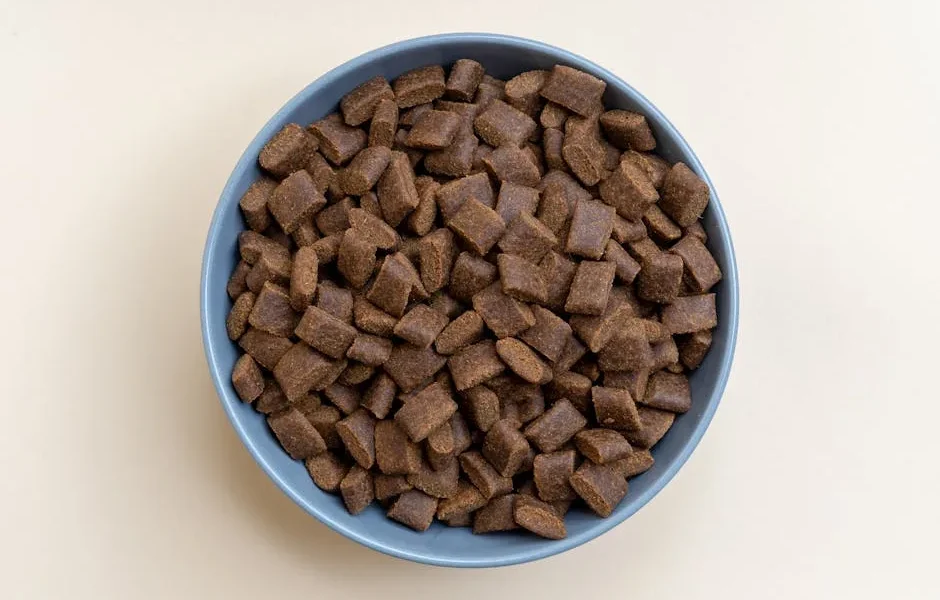
- A slow 7-10 day food switch prevents stomach problems in 70-80% of pets. Rushing causes vomiting and diarrhea.
- Start with 25% new food mixed with 75% old food. Change the mix every 2-3 days. Go to 50/50, then 75/25, then 100% new food.
- Older pets and pets with sensitive stomachs need 14-21 days to switch foods. Big diet changes (like kibble to raw food) also need more time. Probiotics can help.
I’ve seen this many times. A pet owner switches their dog’s food overnight. Two days later, they call me in a panic. Their dog has bad diarrhea all over the carpet.
The biggest mistake is moving too fast. Your pet’s gut can’t handle sudden diet changes. What seems simple to you is a big shock to their digestive system.
Here’s what most people don’t know: 20-30% of pets get stomach problems when food changes happen too fast. But almost all of these cases can be prevented. You just need to switch foods the right way.
Why Gradual Food Transitions Actually Matter
Your pet’s digestive system has trillions of bacteria. These bacteria have adapted to their current diet. They make special enzymes to break down the food your pet eats.
When you suddenly give completely different food, the bacteria can’t handle it. It’s like asking a car factory to suddenly build boats. The equipment isn’t set up for it.
The gut bacteria need 5-7 days minimum to adjust to new food. Rush this process and you invite problems. Your pet may vomit or have diarrhea. They may have gas or lose their appetite.
I’ve seen enough cases to know this: spending an extra week on a proper transition is better than spending hundreds at the vet to fix rushed transitions.
And it’s not just about comfort. Repeated fast diet changes can make your pet’s stomach more sensitive over time. This can create food sensitivities that didn’t exist before.
Step 1: Assess Your Pet’s Individual Needs
Before you start mixing foods, think about your pet. Not all pets are the same when it comes to diet changes.
Standard Transition Candidates (7-10 Days)
Most healthy adult dogs and cats fit here. They have no history of stomach problems.
If your pet has eaten different foods before without problems, use the standard plan. This works well if you’re switching between similar foods. For example, one chicken kibble to another chicken kibble.
Extended Transition Candidates (14-21 Days)
Some situations need more time. Senior pets (7+ years for dogs, 10+ for cats) have less flexible digestive systems. They need longer transitions.
About 10-15% of dogs and cats have sensitive stomachs. If your pet has ever had food-related stomach issues, they’re probably in this group.
You also want the longer timeline for big changes. This includes switching protein sources (chicken to fish). It includes changing food types (kibble to wet food). It includes switching to raw diets. These changes require big adjustments in the gut.
Puppies and kittens can adapt more easily. But they’re also more at risk from dehydration if they get diarrhea. I recommend the standard 7-10 day approach with close watching.
Step 2: Execute the 7-Day Standard Transition Protocol
Here’s your day-by-day plan for most pets:
Days 1-2: Mix 25% new food with 75% old food. Measure by weight if you can, not by eye. Different kibbles have different sizes.
Days 3-4: Move to 50% new, 50% old. Watch your pet’s poop and energy levels. Normal symptoms might include slightly softer poop or minor gas. Nothing dramatic.
Days 5-6: Move to 75% new food, 25% old food. This is where problems usually show up if they’re going to. If your pet has diarrhea or vomiting, go back to the 50/50 mix for a few more days.
Day 7: Feed 100% new food. Keep watching for another 3-4 days to make sure everything is fine.
Some clients ask if they can speed this up if their pet seems fine. Technically yes. But why risk it? The extra few days are cheap insurance against stomach problems.
Step 3: Implement the Extended Transition for Complex Cases
For sensitive pets or major diet changes, stretch the same steps over 14 days instead of 7:
Days 1-3: 25% new/75% old
Days 4-7: 50% new/50% old
Days 8-11: 75% new/25% old
Days 12-14: 100% new food
For transitions to raw or fresh food from kibble, I often recommend three weeks. You’re not just changing ingredients. You’re changing how the whole digestive system works. The moisture, bacteria, and enzyme needs are very different.
Step 4: Monitor Critical Warning Signs
Some digestive changes during transitions are normal. Others need immediate vet attention. Here’s how to tell the difference:
Normal Transition Symptoms
- Slightly softer poop (still formed, just less firm)
- Mild gas that goes away within 48 hours
- Brief hesitation at the food bowl while getting used to new taste
- One episode of soft stool without other symptoms
Warning Signs Requiring Veterinary Consultation
- Vomiting more than once in 24 hours
- Diarrhea lasting longer than 24-48 hours
- Blood in vomit or stool
- Complete refusal to eat for more than one meal
- Lethargy or behavior changes
- Signs of belly pain (hunched posture, whining when touched)
I tell my clients: when in doubt, call. I’d rather reassure you that things are normal than have you wait until a small problem becomes big. If you’re worried about your pet’s reactions, reviewing emergency response protocols can help you feel prepared.
Step 5: Support the Transition with Evidence-Based Additions
Recent research from 2024 shows good news. Probiotics during food transitions reduce digestive upset by 40-50%. I now recommend them regularly, especially for pets with sensitive stomachs.
Probiotic Guidelines
Start probiotics 3-4 days before beginning the transition. Continue through the entire process plus one week.
Use veterinary products with specific strains proven for dogs or cats. Human probiotics aren’t made for pet digestive systems. They won’t work effectively in pet guts.
Plain Pumpkin (Not Pie Filling)
Adding 1-2 tablespoons of pure pumpkin puree per meal can help. The fiber absorbs extra water in loose stools. It adds bulk to overly firm stools. It works both ways.
Smaller, More Frequent Meals
During transitions, especially for sensitive pets, divide the daily food into 3-4 smaller meals instead of two. This reduces the work the digestive system has to do at one time.
Step 6: Handle Emergency Transition Scenarios
Sometimes you can’t do the gradual thing. Food recalls happen. Sudden allergic reactions need therapeutic diets. You might run completely out of food. These situations happen.
When immediate switching is unavoidable (only about 3-5% of diet changes), here’s what to do:
- Feed 50-75% of the normal portion for the first 2-3 days
- Start probiotics immediately
- Add plain pumpkin or plain boiled chicken to help with the transition
- Divide feedings into 4 smaller meals if possible
- Watch poop quality and hydration closely
In emergencies with allergic reactions requiring immediate diet changes, your vet may prescribe anti-diarrheal medications. They may give specific digestive support to minimize upset.
Common Mistakes That Sabotage Transitions
I’ve watched well-meaning owners accidentally ruin their own transition efforts. Here are the biggest problems:
Mixing Multiple Foods Simultaneously
Don’t try to switch from Food A to Food B while also giving new treats or table scraps. Don’t try Food C “just to see if they like it better.”
You need a clean test. If stomach upset occurs, you want to know exactly what caused it.
Ignoring Treat Calories
During transitions, treats count. If you’re feeding training treats or dental chews, reduce the meal portions. Overfeeding during a transition makes digestive stress worse.
Not Accounting for Formula Differences Within Brands
Switching from one flavor to another within the same brand still needs a transition. “Chicken formula” and “salmon formula” from the same company use different protein sources. This means different digestive enzyme needs.
Switching Too Frequently
Some owners rotate foods every bag. They think variety is healthier. For most pets, this creates chronic digestive stress.
Unless your pet handles frequent changes well, stick with a food that works for at least 3-6 months.
Misreading Your Pet’s Poop
Soft-serve consistency isn’t normal, even during transitions. Poop should be formed and easy to pick up. If you need paper towels instead of a poop bag, something’s wrong.
Special Considerations for Different Diet Types
Kibble to Wet Food
The moisture change is big. Kibble is about 10% moisture. Wet food is 75-80% moisture.
I recommend a 14-day transition here. The gut bacteria that process dry food need extra time to adapt to the increased water and different texture.
Conventional to Raw
This needs the full 21-day protocol. You’re introducing raw proteins with different bacteria. You’re eliminating the cooking process that helps break down nutrients. The digestive enzymes need major recalibration.
Some vets also recommend a poop test before and after to monitor gut bacteria changes.
Prescription Diet Transitions
If your vet has prescribed a special diet for kidney disease, urinary issues, or stomach problems, they’ll give specific transition instructions.
These often need longer timelines. The pet is already managing a health condition. Never rush prescription diet transitions without clear vet guidance.
For more on managing chronic conditions, understanding what’s in your pet’s medical records can help you make informed decisions.
Breed-Specific and Individual Sensitivities
Certain breeds show up in my nutrition clinic more often. German Shepherds, Yorkshire Terriers, and Boxers have higher rates of digestive sensitivity.
Among cats, Siamese and Persians tend toward food sensitivities more than other breeds.
If you have one of these breeds, treat them as an extended transition candidate from the start. Same if your individual pet has ever had digestive issues—even once.
When to Consider Professional Guidance
Most food transitions are straightforward. But some situations benefit from veterinary nutrition expertise:
- Pets with inflammatory bowel disease or chronic digestive conditions
- Transitions to prescription therapeutic diets
- Pets who’ve failed multiple food trials
- Complicated allergy cases requiring novel protein sources
- Senior pets with multiple health conditions
Board-certified veterinary nutritionists can create personalized transition plans. They base these on your pet’s specific health status, breed, and history.
In 2025, more veterinary practices use gut bacteria testing before major diet changes. This remains supplementary rather than standard practice.
The Cost-Benefit Reality
Pet owners sometimes don’t want to “waste” old food by mixing it gradually. I get it. Premium pet food isn’t cheap.
But here’s the math that matters: a proper 7-10 day transition costs you maybe 1-2 extra days’ worth of food.
A rushed transition that causes stomach upset costs you:
– Vet exam fees ($50-150)
– Medications ($30-100)
– Possible tests if things get serious ($200-500)
– The emotional cost of watching your pet suffer
From where I sit, the extra $10-20 in food overlap is the easiest money you’ll ever save on vet care.
Final Thoughts
After years of managing diet transitions in clinical practice, I can tell you this. The pets who do best have owners who treat the process with respect.
Your pet’s digestive system is remarkably sophisticated. But it needs time to adapt to change.
The 7-10 day protocol isn’t random. It’s based on actual gut bacteria adjustment timelines. It’s based on decades of veterinary nutritional science.
Start your next food transition with a clear plan. Use the appropriate timeline. Watch closely.
If you run into problems, don’t tough it out. Contact your vet before minor stomach upset becomes a major medical issue.
Remember, there’s no prize for finishing the transition fastest. The goal isn’t speed. It’s getting your pet successfully on their new diet without making them miserable in the process.
Take it slow. Watch for warning signs. Trust that those extra few days of gradual mixing are some of the best preventive care you can provide.
Sources & Further Reading
- American College of Veterinary Nutrition — Board-certified veterinary nutritionist resources and guidelines for therapeutic diet management
- Tufts University Cummings Veterinary Medical Center Clinical Nutrition Service — Evidence-based pet nutrition information and diet transition protocols from veterinary nutrition specialists
- World Small Animal Veterinary Association Global Nutrition Guidelines — International veterinary consensus on companion animal nutrition and feeding practices
- American Veterinary Medical Association — Pet nutrition resources and veterinary practice guidelines for dietary management
- Cornell University College of Veterinary Medicine — Research-backed canine and feline health information including digestive health management