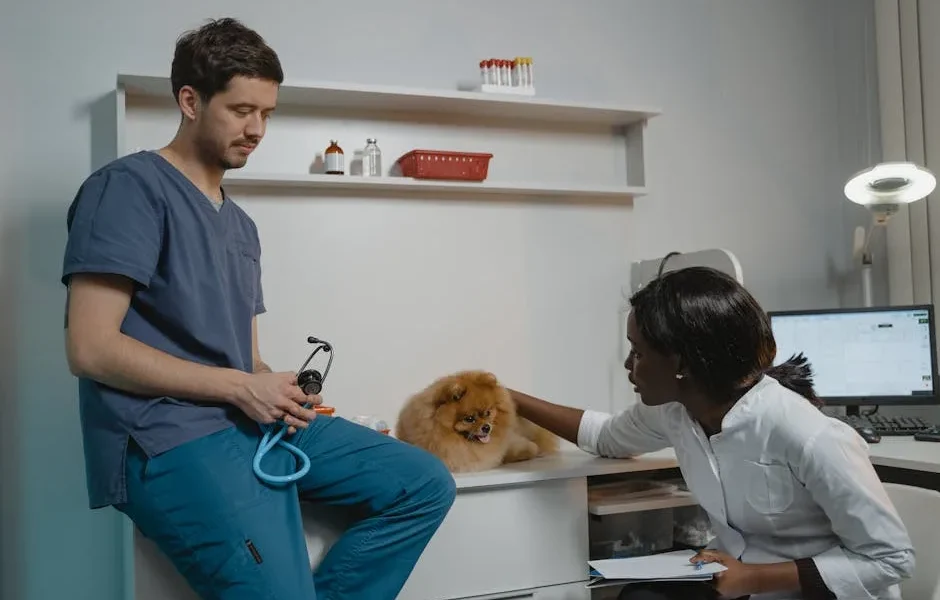
- Apoquel, Cytopoint, and the newly approved Zenrelia are top choices for dogs. Cats mainly use steroids because they have fewer FDA-approved options.
- Using multiple treatments together works better. Medications plus environmental changes and diet adjustments help 70-80% of pets. Single treatments only help 40-50%.
- Monthly costs range from $20-40 for antihistamines to $80-150 for prescription drugs. Plan your budget for long-term care.
Is your dog scratching all the time? Is your cat grooming herself until she’s raw? You’re not alone. Pet allergies are very common. They affect 10-15% of dogs and cats. They’re one of the top reasons families visit the vet.
The good news? This guide covers the best solutions available in 2025. This includes exciting new FDA-approved drugs that just came out. You might be dealing with seasonal allergies or year-round problems. Either way, knowing your options helps.
I’ll be honest. Allergy treatment isn’t always simple. What works great for one pet might not help another. But with the right information, you can work with your vet. Together, you can find relief for your pet.
1. Apoquel (Oclacitinib): The Fast-Acting Oral Tablet for Dogs
Apoquel got FDA approval in 2013. Since then, it has become the top choice for dog allergies. Vets write over 8 million prescriptions for it each year in the US.
This prescription drug works fast. It targets specific enzymes that cause itching and swelling. These are called JAK enzymes. Most dogs feel better within 4-24 hours. That’s much faster than older treatments that took weeks.
You give it twice daily at first. After 14 days, you drop to once daily. It’s approved for dogs 12 months and older. It works for both environmental allergies and food allergies.
The average monthly cost is $80-120. This depends on your dog’s weight. It costs more than antihistamines. But it’s often worth it when your dog finally stops scratching at 3 AM.
Side effects are usually mild. Some dogs get occasional vomiting or diarrhea. Apoquel affects immune function. So your vet will monitor dogs with existing infections. They’ll also watch dogs under one year old closely.
It’s not approved for cats. Cats process it differently than dogs.
2. Cytopoint (Lokivetmab): The Injectable Alternative
Cytopoint was a game-changer when it came out in 2016. Instead of a daily pill, your vet gives one injection. This injection provides 4-8 weeks of relief.
Clinical studies show good results. 80% of dogs experience major itch reduction within 24 hours. How does it work? It’s a special antibody. It targets and stops IL-31. This is the protein that triggers the itch signal.
Cytopoint is very targeted. So it has an excellent safety profile. It doesn’t suppress the immune system like steroids. It doesn’t affect liver enzymes either. This makes it great for dogs with other health problems.
The catch? You need to visit your vet for each injection. You can’t give it at home. Costs typically range from $50-150 per injection. This depends on your dog’s size and where you live.
Some dogs respond for a full 8 weeks. Others need injections every 4 weeks. Your vet might recommend monthly injections at first. This helps gauge your dog’s response.
Like Apoquel, this one’s for dogs only. There’s no feline approval yet.
3. Zenrelia (Afoxolaner): The New Kid on the Block
Zenrelia just got FDA approval in January 2024. It’s the newest option for environmental allergies in dogs. It’s creating buzz in the veterinary community.
It’s a once-monthly oral tablet. Early clinical trials showed good results. It works as well as Apoquel. But you only give it monthly instead of daily.
What makes Zenrelia interesting? It has dual action. It’s from the isoxazoline class of drugs. That’s the same family as some flea and tick preventives. But this one is specially made for allergic skin disease.
The once-monthly schedule is convenient. It appeals to pet parents who struggle with daily medications. It’s also good for dogs who’ve learned to avoid pills.
Since it’s very new, we’re still gathering real-world data. Pricing varies by region. It costs $75-130 monthly. Your vet might suggest trying this if Apoquel hasn’t worked fully. Or if daily dosing isn’t working for your household.
It’s only approved for dogs 12 months and older. We’re still learning about long-term use.
4. Corticosteroids: Still a Valid First-Line Treatment
Let’s talk about steroids. Prednisone, prednisolone, and dexamethasone have been used for decades. And honestly? They work very well.
For cats especially, steroids remain the main treatment. This is because so few allergy medications are FDA-approved for cats.
Steroids get a bad reputation for a real reason. Long-term use can cause problems. These include increased thirst and urination. Dogs and cats can gain weight. In some cases, more serious side effects happen. These include diabetes or Cushing’s disease.
But here’s the thing. For short-term flare-ups, they’re still a good choice. When cost is a major concern, they work too. They only cost $20-40 monthly.
Many vets use “pulse therapy.” They start with higher doses to control allergies. Then they taper to the lowest dose that works.
For cats with allergic skin disease, prednisolone is often the go-to. It’s absorbed better than prednisone. Some cats do great on injectable steroids like Depo-Medrol. This provides weeks of relief from a single shot. It’s perfect for cats who refuse oral medications.
The key is working closely with your vet. They’ll monitor for side effects. Together, you’ll find the minimal effective dose.
5. Antihistamines: The Over-the-Counter Starting Point
Many vets recommend trying antihistamines first. These are the same ones humans use. Common ones include diphenhydramine (Benadryl), cetirizine (Zyrtec), and loratadine (Claritin). They’re used in both dogs and cats.
The catch? They only work for about 30% of allergic pets. Compare this to 80%+ for prescription options.
Dosing matters a lot. For dogs, diphenhydramine is typically 1mg per pound of body weight. Give it two to three times daily. Cats usually receive 1-2mg per pound. Give it once or twice daily. But feline dosing requires more caution.
Always confirm with your vet before starting any antihistamine. Some formulations contain additional ingredients. These include decongestants that are dangerous for pets.
The beauty of antihistamines is the low cost. They run $20-40 monthly. Side effects are minimal. The main one is drowsiness.
They work best for mild seasonal allergies. Or as part of a combination approach. I’ve seen them work wonderfully for dogs with spring pollen allergies. But they fall short for year-round sufferers.
Worth trying? Absolutely. A miracle cure? Usually not on their own.
6. Immunotherapy: The Long-Game Solution
Want to address the root cause? Don’t just manage symptoms? Then immunotherapy deserves serious consideration.
First, allergy testing identifies specific triggers. These might include ragweed, dust mites, or mold spores. Then a custom serum is made. This gradually desensitizes your pet’s immune system.
Traditional allergy shots require injections every few weeks. At first, they’re weekly. Then they’re spaced out. This means regular vet visits.
The newer option is sublingual immunotherapy (SLIT). This involves drops given under the tongue at home. 2024 studies show it works just as well. And owner compliance is much better.
It’s not a quick fix. Most pets need 6-12 months before seeing major improvement. Some need ongoing treatment.
Cost-wise, expect $200-400 for initial allergy testing. Then $40-80 monthly for the immunotherapy itself.
But here’s why it matters. Immunotherapy is the only treatment that can actually modify the allergic response long-term. After a year or two, many pets need less medication. Some need none at all.
For young dogs or cats facing decades of allergy management, that math makes sense. Plus, you’re not dealing with potential medication side effects forever.
7. Topical Treatments: Shampoos, Sprays, and Spot-Ons
Don’t underestimate what goes ON your pet’s skin. Medicated shampoos can significantly reduce itching. They also help with secondary skin infections.
Look for ingredients like chlorhexidine, phytosphingosine, or colloidal oatmeal. Bathing allergic dogs 2-3 times weekly helps. It removes allergens from the coat. It also soothes inflamed skin.
Newer topical options include spot-on treatments and sprays. One promising product combines ceramides and fatty acids. These repair the skin barrier. Think of it like moisturizer for damaged, itchy skin.
These work particularly well alongside oral medications. They create a multi-pronged attack on allergy symptoms.
For cats who hate baths (most of them), wipes are a good option. Use ones containing similar soothing ingredients. They’re less traumatic than baths.
The key is consistency. Topical treatments work best when used regularly. Not just during severe flare-ups.
If your pet has a secondary bacterial or yeast infection from scratching, medicated topicals become essential. Use them alongside systemic medications.
Learn more about maintaining overall health through preventive care practices that support your pet’s immune system.
8. Combination Therapy: Why Multiple Approaches Work Best
Here’s what I’ve learned after years of treating allergic pets. Single-medication approaches only work about 40-50% of the time.
But combination therapy? That jumps to 70-80% improvement rates. We’re talking about strategic layering of treatments. These address allergies from multiple angles.
A typical combination might include several things. Start with Apoquel or Cytopoint for itch control. Add omega-3 fatty acid supplements. These have natural anti-inflammatory effects. Include weekly medicated baths. Make environmental modifications like HEPA filters and frequent bedding washing.
For food-allergic pets, an elimination diet becomes part of the mix too.
The beauty of this approach? You can often use lower doses of medications. This happens when combining strategies. It potentially reduces side effects and costs.
Your vet might start with one treatment. Then add others based on response. It requires patience and fine-tuning. But when you find the right combination for your pet, it’s genuinely life-changing.
Don’t forget that parasite prevention is crucial. Flea allergy dermatitis remains the most common pet allergy. So staying on top of flea control is non-negotiable.
9. When to See a Veterinary Dermatologist
Most allergic pets do fine with their regular vet. But sometimes you need a specialist.
If your dog or cat isn’t responding to standard treatments after 4-6 weeks, consider a specialist. Or if symptoms keep coming back despite medication, it’s time.
Board-certified veterinary dermatologists have advanced training. They specialize in complex skin conditions. They have access to treatments your regular vet might not offer.
Red flags that warrant a specialist referral include several things. Severe skin infections that won’t clear. Unusual patterns of hair loss. Extremely inflamed or painful skin. Or suspected autoimmune conditions.
Dermatologists can perform more advanced allergy testing. They prescribe cutting-edge treatments. They develop highly customized management plans.
Yes, specialist visits cost more upfront. Usually $200-400 for the initial consultation. But they can save money long-term. They get to the right diagnosis faster.
Many pet insurance plans cover dermatology visits and related testing. Check your policy.
Just like maintaining thorough medical records helps with continuity of care, getting specialist input when needed ensures your pet receives optimal treatment.
10. Cost Considerations and Pet Insurance Coverage
Let’s get real about money. Allergy treatment isn’t cheap.
Monthly costs for Apoquel run $80-120. Cytopoint injections cost $50-150 per dose. Immunotherapy runs $40-80 monthly after initial testing. Even antihistamines add up at $20-40 monthly.
Over a pet’s lifetime, we’re potentially talking thousands of dollars.
Pet insurance can be a game-changer here. But coverage varies wildly. Many policies cover allergy medications and testing. But the condition must have developed after your policy started. Pre-existing conditions are typically excluded.
Some plans reimburse for immunotherapy and specialist visits. Budget plans might not.
Understanding what diagnostic tests and treatments insurance covers helps you make informed decisions.
If insurance isn’t an option, talk honestly with your vet about budget constraints. Many clinics offer wellness plans. Some have generic alternatives where available. They can adjust treatment protocols to balance effectiveness with affordability.
Starting with less expensive options is a reasonable approach. Try antihistamines or steroids before moving to pricier prescriptions. This works especially if you’re dealing with mild to moderate symptoms.
No judgment here. We’d rather you can afford consistent treatment than start something unsustainable.
Final Thoughts
Managing your pet’s allergies doesn’t have to feel overwhelming. The options might seem endless at first glance. But they’re all aimed at the same goal.
Whether you choose Apoquel, Cytopoint, the new Zenrelia, immunotherapy, or a combination approach, the goal is simple. Get your dog or cat comfortable and itch-free.
Remember that finding the right solution often involves some trial and adjustment. What works perfectly for your neighbor’s golden retriever might not be ideal for your terrier mix. That’s completely normal.
Start by scheduling a thorough exam with your veterinarian. They’ll identify allergy triggers. They’ll rule out other conditions that mimic allergies.
Be patient with the process. Keep detailed notes about what helps and what doesn’t. Don’t hesitate to ask for a specialist referral if standard treatments aren’t cutting it.
Your pet’s comfort is worth the effort. With today’s treatment options, the vast majority of allergic pets can live happy, itch-free lives.
If you’re dealing with other challenging behaviors alongside allergies, understanding behavioral solutions can help address the full picture of your pet’s wellbeing.
Finally, ensure your pet stays properly hydrated during treatment. Use quality water sources that encourage drinking. This is especially important when using medications that might increase thirst.
Sources & Further Reading
- American College of Veterinary Dermatology — Professional guidelines and pet owner resources on allergic skin disease in dogs and cats
- FDA Animal & Veterinary Division — Approved medications, safety information, and updates on new allergy treatments including Zenrelia approval
- Veterinary Information Network — Peer-reviewed information on pet allergy diagnosis, treatment, and management strategies
- American Veterinary Medical Association — General pet allergy care resources and when to seek veterinary attention
- PubMed Database — Peer-reviewed research studies on canine atopic dermatitis, feline allergies, and comparative medication efficacy (2023-2025)
