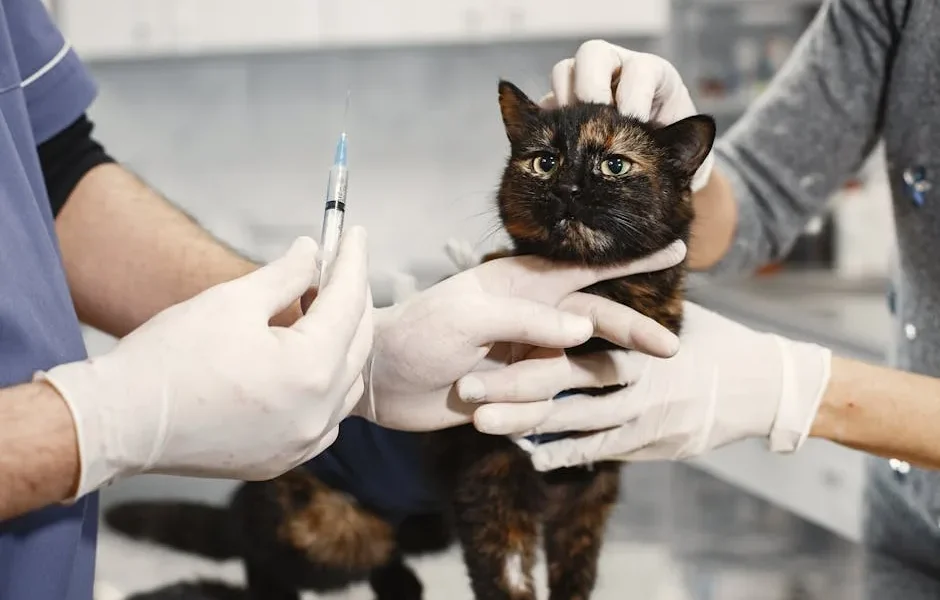
- Year-round parasite prevention costs $50-150 per year per pet. Treating heartworm disease can cost over $3,000. Prevention is much cheaper than treatment.
- Indoor pets still face parasite risks. 25-30% of cats with heartworm disease never go outside. Fleas can survive indoors when it’s above 65°F.
- At least five common pet parasites can spread to humans. Children are at high risk for infections like roundworms and hookworms.
- Climate change has expanded tick habitats by 45% over two decades. Lyme disease and other tick illnesses are now in areas that didn’t have them before.
I’ll never forget the look on Sarah’s face. I had to tell her that treating her golden retriever’s heartworm disease would cost nearly three thousand dollars.
“But we only missed a few months of his preventative,” she said. Her voice was shaking. “We moved last fall. Things got chaotic. I honestly thought we’d be fine skipping winter since it was so cold.”
Her dog, Murphy, had tested positive during his routine spring checkup. Understanding Parasite Prevention: Year-Round Protection Strategies Your Vet Wants You to Know isn’t just about following guidelines. It’s about protecting your pet from diseases that are entirely preventable. These diseases are often inexpensive to avoid. But they can be devastating to treat.
That conversation with Sarah happens more often than you’d think. And honestly? I get it.
When you’re juggling life, it’s hard. Spending money every month on prevention feels optional. You’re preventing something that hasn’t happened yet.
But after fifteen years in emergency and critical care, I’ve seen what happens when prevention lapses. I’ve walked families through treatment decisions. I’ve seen financial stress. And sometimes I’ve seen heartbreaking outcomes. All of this could’ve been avoided with a $12 monthly chewable.
Why “Seasonal” Prevention Doesn’t Work Anymore
Here’s what changed: the parasites didn’t get the memo about seasons.
Twenty years ago, conventional wisdom was different. It said you could pause flea and tick prevention during winter months in northern climates. That advice is dangerously outdated.
Fleas survive and reproduce indoors at temperatures as low as 65°F. That describes pretty much every heated home. Your cozy living room in January? Perfect flea habitat.
The heartworm situation is even more concerning. Mosquitoes carrying heartworm larvae have been documented in all fifty states. That includes Alaska.
Climate change has extended mosquito seasons. It’s pushed their geographic range into areas previously considered safe. I’ve diagnosed heartworm in dogs in Montana, Wyoming, and northern Minnesota. These are places where ten years ago we rarely saw cases.
And ticks? Don’t even get me started.
Research shows tick habitats have expanded by approximately 45% over the past two decades. Lyme disease, ehrlichiosis, and anaplasmosis are showing up in veterinary clinics where we’d never seen them before.
Just last year, I treated three dogs from suburban Philadelphia with Rocky Mountain spotted fever. This is a disease that historically wasn’t prevalent in our region.
The Indoor Pet Myth
About a third of the heartworm cases I see are in cats. Their owners swear they never go outside. Never. Not once.
Yet 25-30% of feline heartworm cases occur in indoor-only cats. This is according to multiple studies. How does this happen?
Mosquitoes come inside. They slip through doors. They ride in on clothing. They enter through window screens with tiny tears you’d never notice.
A single infected mosquito bite is all it takes. And here’s the cruel irony: we don’t have an approved treatment for heartworm in cats. Prevention is literally the only option.
Indoor dogs face similar risks with intestinal parasites. Rodents that enter homes carry parasites. So do the occasional flies that buzz around your kitchen.
I’ve seen indoor toy poodles with roundworms. I’ve seen indoor terriers with Giardia. The “indoor” designation doesn’t create an impenetrable barrier.
What We’re Actually Preventing
Let’s break down the threats. Understanding the enemy helps explain why consistent prevention matters.
Heartworm Disease
Heartworms are foot-long worms. They live in the heart and lungs. They’re transmitted by mosquitoes.
They take about six months to mature. By the time you see symptoms, significant damage has occurred. Symptoms include coughing, exercise intolerance, and weight loss.
The American Heartworm Society’s treatment protocol is serious. It involves months of restricted activity. It requires multiple injections of an arsenic-based medication. There are serious potential complications.
Some dogs don’t survive treatment. Some owners can’t afford it.
Prevention? A monthly chewable that costs about the same as your daily coffee.
Fleas and Ticks
Beyond the obvious itching and discomfort, fleas transmit tapeworms. They can cause severe allergic dermatitis.
A single flea can bite your dog up to 400 times daily. Female fleas lay up to 50 eggs per day. An infestation explodes quickly.
Ticks carry many diseases. These include Lyme disease, ehrlichiosis, anaplasmosis, and Rocky Mountain spotted fever. They carry several other diseases that can cause chronic illness.
I’ve treated dogs with tick-borne diseases who developed kidney failure. Some developed bleeding disorders. Some had neurological problems.
These aren’t minor inconveniences. They’re serious medical conditions. They require weeks of antibiotics, supportive care, and sometimes hospitalization.
Intestinal Parasites
Roundworms, hookworms, whipworms, and tapeworms all affect dogs and cats. Many monthly heartworm preventatives also protect against several intestinal parasites. That’s bonus protection for the same price.
But here’s what really matters: these parasites don’t just affect your pet.
The Human Health Connection Nobody Talks About
This is where I shift from “concerned veterinarian” to “protective father of two young kids.”
At least five major parasites that affect pets are zoonotic. That means they transmit to humans.
Roundworms cause toxocariasis in people. This happens particularly in children who play in contaminated soil or sandboxes. Hookworm larvae burrow into human skin. They cause cutaneous larva migrans. Those are the creepy red, wandering tracks under the skin.
Giardia causes severe gastrointestinal illness.
The CDC estimates millions of Americans are infected with toxocariasis. Often they don’t know it. Most cases are mild. But severe infections can cause vision loss or neurological damage.
Children are especially vulnerable. They’re more likely to put contaminated hands in their mouths.
When I recommend year-round parasite prevention, I’m protecting the whole family. Your regular veterinary visits should include discussions about parasite prevention. It’s a public health measure, not just pet health.
The Real Numbers: Prevention vs. Treatment
Let’s talk money. This calculation is honestly pretty straightforward.
Annual parasite prevention costs approximately $50-150 per year for most dogs. This covers heartworm, flea, tick, and intestinal parasites. The cost depends on size and product choice.
For cats, it’s usually $80-120 annually.
Now the treatment side:
- Heartworm treatment: $1,000-$3,000+ for the full protocol
- Lyme disease treatment: $200-500 (more if complications develop)
- Flea infestation elimination: $200-500+ (treating pet, home, yard)
- Severe intestinal parasite treatment: $150-400
The math isn’t even close. Prevention wins every single time.
But beyond money, consider Murphy, Sarah’s golden retriever. His heartworm treatment required two months of strict cage rest. No running. No playing. Minimal walking.
For a young, active dog, this was torture. He had to be sedated regularly just to keep him calm.
One vigorous play session could’ve caused a fatal pulmonary embolism. This happens as dying worms break apart and lodge in the lungs.
Sarah spent every day terrified he’d get excited and hurt himself. She took vacation days to watch him. She slept on the floor next to his crate.
The financial cost was significant. But the emotional cost? Immeasurable.
Choosing the Right Prevention Protocol
Not all parasite preventatives are created equal. What works for your neighbor’s dog might not be ideal for yours.
Oral vs. Topical Products
Oral preventatives are chewable tablets. They’re popular because they’re easy to administer. You can immediately verify your pet swallowed them.
They’re not affected by bathing or swimming. Most dogs take them readily. Manufacturers have basically turned them into treats.
Topical preventatives are applied to skin. They work well for cats and dogs who won’t take pills. They’re absorbed through the skin and distributed systemically.
The downside? You need to avoid bathing for a few days after application. They can leave a greasy spot temporarily.
What Parasites Does Each Product Cover?
This is crucial. Not all products protect against all parasites.
Some common combinations:
- Heartworm + intestinal parasites only: Traditional monthly preventatives like ivermectin-based products
- Heartworm + fleas + some intestinal parasites: Newer combination oral products
- Fleas + ticks only: Topical or oral products in the isoxazoline class
- Broad-spectrum combinations: Recently approved products covering heartworm, fleas, ticks, and multiple intestinal parasites in a single dose
Your veterinarian will recommend products based on several factors. These include your geographic region’s parasite prevalence. They include your pet’s lifestyle. And they include any health considerations.
The Companion Animal Parasite Council maintains updated prevalence maps. These show what parasites are active in your specific area. It’s fascinating (okay, I’m a nerd) and useful for customizing prevention.
Special Considerations
Certain breeds have genetic sensitivities to specific medications. Collies, Australian shepherds, and related breeds may carry the MDR1 gene mutation. This makes them sensitive to ivermectin at high doses.
Pets with seizure disorders need careful product selection. Some newer flea/tick preventatives carry warnings for animals with neurological conditions.
Pregnant animals, puppies, kittens, and senior pets all have specific product considerations. This is exactly the kind of nuanced decision-making that makes your veterinarian’s expertise valuable.
When Prevention Lapses: Warning Signs
Life happens. You forget a dose. You run out of medication. You can’t afford refills during a tough month.
What signs suggest your pet might have parasites?
Heartworm disease often shows no early symptoms. By the time you notice coughing, exercise intolerance, or difficulty breathing, the disease is advanced.
This is why annual testing is essential. This applies even for pets on prevention. We want to catch any infections early.
Flea infestations cause scratching, red skin, and hair loss. You can see visible fleas or flea dirt. Flea dirt looks like black pepper in the fur.
Some pets develop severe allergic reactions to flea saliva. This causes miserable skin infections.
Intestinal parasites may cause diarrhea, vomiting, and weight loss. They may cause poor coat quality or visible worms in stool.
But many infected pets show no symptoms at all. They’re just silently shedding parasite eggs into your environment.
Tick-borne diseases are tricky. Symptoms can be vague. These include lethargy, decreased appetite, fever, and lameness that shifts from leg to leg.
Sometimes we don’t diagnose them until months after the tick bite. That’s when chronic symptoms develop.
If you’ve missed prevention doses and notice any concerning symptoms, don’t wait. Prompt veterinary care improves outcomes significantly.
Addressing the Compliance Gap
Here’s an uncomfortable truth. Studies show only 50-60% of pet owners maintain year-round parasite prevention. This is despite veterinary recommendations.
Why the gap?
Cost is a factor for some families. I acknowledge that $10-15 monthly adds up. This is especially true for multi-pet households.
But here’s where I’ll be blunt. If the choice is between prevention and treating preventable diseases, prevention is always cheaper.
Many veterinary clinics offer wellness plans. These bundle prevention at discounted rates. Manufacturer rebate programs exist. Some nonprofit organizations help families afford preventive care.
Forgetfulness is another barrier. Set phone reminders. Mark calendars.
Many product manufacturers offer apps with reminder features. Link giving prevention to something you do monthly. First of the month, pay day, whatever works.
Skepticism about whether prevention is “really necessary” persists. I understand questioning recommendations. Especially when you’re being asked to spend money.
But the science is crystal clear. The geographic data is undeniable. The clinical outcomes I see support year-round prevention unequivocally.
What About Natural or Holistic Prevention?
I get asked this regularly. Let me be respectfully direct.
There is no scientifically validated natural alternative. Nothing provides equivalent protection to veterinary parasite preventatives.
Essential oils, garlic supplements, diatomaceous earth, brewers yeast—none of these have demonstrated efficacy in controlled studies. Some are actually harmful. Garlic is toxic to dogs in certain amounts.
Heartworm disease, Lyme disease, and other parasite-borne illnesses are serious medical conditions. They deserve prevention methods proven to work.
I respect that people want natural options. I appreciate concerns about pharmaceutical products.
But when Murphy was facing heartworm treatment because of prevention gaps, the “natural” conversation became irrelevant. The stakes are too high to rely on unproven methods.
Emerging Concerns: Resistance and New Threats
Like bacteria developing antibiotic resistance, we’re seeing concerning patterns with parasites.
The American Heartworm Society has documented potential resistance to standard heartworm preventatives in certain geographic areas. Particularly the Mississippi River valley.
This isn’t widespread panic-level yet. But it emphasizes why consistent, year-round prevention matters. We can’t afford gaps that allow resistant populations to establish.
Climate change continues expanding parasite ranges. Ticks are surviving winters they previously couldn’t. Mosquito seasons extend longer.
New tick species are establishing in regions where they didn’t exist before. They’re bringing new diseases with them.
The FDA continues monitoring safety signals. Particularly with newer product classes.
The isoxazoline flea/tick preventatives occasionally cause neurological side effects in sensitive animals. These remain rare. But veterinarians now carefully screen patients and discuss risks.
This doesn’t mean the products are unsafe. It means we’re being appropriately cautious and transparent.
Building Your Prevention Strategy
So what does an ideal prevention protocol look like?
Year-round administration: No seasonal breaks. No winter gaps. Twelve months of prevention, every year, for your pet’s entire life.
Appropriate product selection: Work with your veterinarian. Choose products covering the parasites prevalent in your region. If you travel with your pet, discuss whether you need expanded protection for areas you’ll visit.
Consistent administration: Same day each month. Or every three months for longer-acting products. Don’t skip doses. Set reminders.
Annual testing: Heartworm testing before starting prevention and annually thereafter. Fecal testing to check for intestinal parasites. This confirms your prevention is working. It catches any breakthrough infections early.
Environmental management: Keep yards maintained. Remove standing water where mosquitoes breed. Vacuum regularly if you’ve had flea issues. Prevention isn’t just about medication. It’s about reducing exposure risks.
Family protection: Regular handwashing, especially for children after playing outside or handling pets. Cover sandboxes when not in use. Neighborhood cats love them. Basic hygiene protects against zoonotic transmission.
If you’re managing multiple pets, you’ll need a system. You need to track who got what medication when. I’ve seen too many cases where one dog in a multi-pet household was accidentally skipped.
Final Thoughts
Murphy recovered from his heartworm treatment. Sarah never missed another dose of prevention.
She told me later that the two months of restricted activity and constant worry taught her something. She learned more about the value of prevention than any lecture I could’ve given.
I wish she hadn’t learned that lesson the hard way. But I’m grateful Murphy had a positive outcome. Not all cases do.
Year-round parasite prevention is one of the most cost-effective, high-impact things you can do. It protects your pet’s health and your family’s safety.
It prevents suffering. It saves money. It protects against diseases that are entirely avoidable.
The parasites are out there year-round. Your prevention should be too.
Talk to your veterinarian about the right prevention strategy for your pet’s specific needs. Get on a consistent schedule. And stick with it.
Your pet—and your wallet—will thank you.
Sources & Further Reading
- Companion Animal Parasite Council — Current prevalence maps, geographic parasite data, and evidence-based prevention guidelines updated monthly
- American Heartworm Society — Treatment protocols, prevention recommendations, and current statistics on heartworm disease prevalence and resistance patterns
- Centers for Disease Control and Prevention:
Medical disclaimer: This article is for educational purposes only and does not substitute professional veterinary advice, diagnosis, or treatment. Always consult a licensed veterinarian about your pet's health.