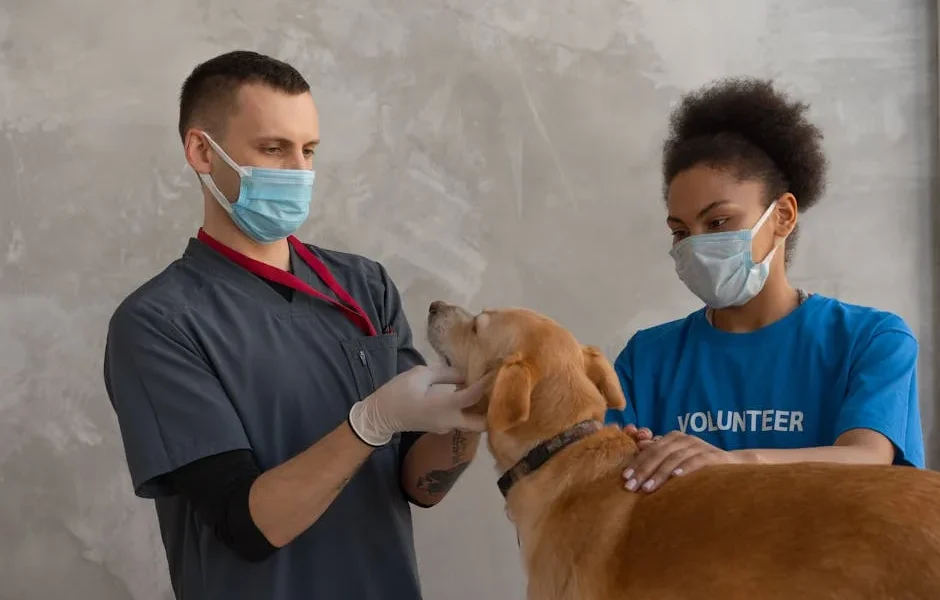
- Knowing how to handle a pet emergency after hours can save your pet’s life. Response time matters. This is especially true for conditions like bloat or toxin ingestion.
- Not all symptoms need immediate emergency care. Learn to assess how serious the problem is. This will help you make smart decisions and save money.
- Preparation is everything. Find your nearest 24-hour emergency clinic now. Keep their contact information where you can find it. Have a financial plan before an emergency happens.
It’s 11 PM on a Friday night. Your dog just ate something he shouldn’t have. Or your cat is suddenly struggling to breathe. Your regular vet’s office won’t open until Monday morning.
Sound familiar? If you’re wondering what to do about a pet emergency after hours, you’re not alone. Roughly one in four pet owners will face this exact scenario during their pet’s lifetime.
I’ve worked in veterinary emergency medicine for 15 years. I’ve handled thousands of these after-hours emergencies. The panic in an owner’s voice at 2 AM is something you never get used to.
But here’s what I’ve learned: The owners who handle these situations best are the ones who’ve thought about them before they happen.
Let’s talk about what you need to know when minutes count and your regular vet isn’t available.
How Do I Know If My Pet’s Problem Is a Real Emergency or Can Wait Until Morning?
This is the million-dollar question. And honestly, it’s one of the toughest calls pet owners have to make.
Here’s my rule of thumb: If you’re asking yourself “Is this an emergency?” with genuine concern, it’s worth calling an emergency clinic. Most will talk you through symptoms. They’ll help you decide what to do.
Some symptoms should trigger an immediate trip to emergency care. No debate:
- Difficulty breathing (open-mouth breathing in cats, labored breathing, blue-tinged gums)
- Uncontrolled bleeding that doesn’t stop after 5 minutes of direct pressure
- Loss of consciousness or collapse
- Seizures, especially if lasting more than 2-3 minutes or multiple seizures in a row
- Suspected toxin ingestion (chocolate, xylitol, antifreeze, rat poison, medications)
- Bloat symptoms in dogs (distended abdomen, trying to vomit but nothing comes up, restlessness)
- Inability to urinate, particularly in male cats
- Severe trauma (hit by car, falling from height, dog attacks)
- Heatstroke (excessive panting, drooling, temperature above 104°F)
- Eye injuries or sudden blindness
For conditions like bloat or urinary obstruction, every hour counts. Survival rates can drop 15-20% with each hour of delayed treatment.
Some things can typically wait until your regular vet opens. They still need attention, though:
- Mild vomiting or diarrhea (one or two episodes, pet still acting relatively normal)
- Small cuts or scrapes without heavy bleeding
- Limping but still able to bear some weight
- Ear infections (unless there’s severe head tilt or loss of balance)
- Mild allergic reactions without facial swelling or breathing issues
The gray area? That’s where phone triage becomes invaluable.
A simple call can help you understand the situation. Is this a “get in the car right now” situation? Or a “monitor closely and call your regular vet first thing in the morning” scenario?
What’s the Difference Between a 24-Hour Emergency Vet and My Regular Vet’s After-Hours Service?
Great question. These are actually very different things.
A dedicated 24-hour emergency veterinary clinic is staffed around the clock. They have veterinarians and technicians specifically trained in emergency and critical care.
These facilities have advanced diagnostics. Digital x-rays, ultrasound, in-house bloodwork. They have oxygen therapy, blood banks, and sometimes even specialists on call. These clinics handle everything from hit-by-car trauma to toxin ingestions to complex surgeries that can’t wait.
In my experience running a Level 1 emergency hospital, we were equipped for the worst-case scenarios. That’s what we do.
Some regular veterinary practices offer “after-hours care.” This might mean a vet on call who can meet you at the clinic in urgent situations.
This can be wonderful for established clients with relatively straightforward problems. But there are limitations. They may not have full diagnostics available outside business hours. They have limited staff support. The on-call vet might be 30-45 minutes away when you call.
Here’s what I tell people: If it’s truly life-threatening, go to the dedicated emergency clinic.
If it’s concerning but not immediately critical and your regular vet offers after-hours service, calling them first isn’t unreasonable. They know your pet’s history. That has real value.
The challenge? Only about 15-20% of U.S. communities have dedicated 24-hour emergency clinics.
If you’re in a rural area, your options may be limited. You’ll have to use whatever’s available within driving distance. This is why advance planning matters so much.
For guidance on understanding different levels of veterinary care, check out our comparison of emergency vet vs urgent care vs primary care costs.
Where Do I Even Find an After-Hours Emergency Vet?
Here’s a sobering statistic: 67% of pet owners don’t know where their nearest emergency clinic is. They don’t find out until they’re in the middle of an actual emergency.
Don’t be part of that statistic.
Do this homework right now, before you need it:
1. Ask your regular veterinarian. They typically have established relationships with specific emergency clinics. They may even share medical records with them. Get their recommendation in writing.
2. Search online for “24-hour emergency vet near me” or “veterinary emergency clinic [your city].” Look for terms like “24-hour,” “emergency,” or “critical care” in the practice name.
3. Check the Veterinary Emergency and Critical Care Society (VECCS) website. They maintain a directory of emergency practices. Not all emergency clinics are members, though.
4. Call and verify their hours. “Emergency” doesn’t always mean 24/7. Some are open nights and weekends only. Others have reduced hours due to staffing shortages. This is a real problem in 2024-2025.
5. Program multiple options into your phone. Have a backup plan. Emergency clinics can reach capacity during busy nights. You don’t want to be scrambling for alternatives when your dog is seizing in the back seat.
6. Know the drive time. Actually drive there during the day so you know the route. At 2 AM in a panic, you won’t be thinking clearly.
For those of you in “vet deserts”—rural areas where the nearest emergency clinic is 60+ minutes away—this planning becomes even more critical.
You might also want to establish a relationship with the closest available veterinarian. Even if they’re not a full emergency facility. Something is better than nothing in a true crisis.
What Should I Do Before I Get to the Emergency Vet?
Time matters in emergencies. But so does staying calm and doing a few smart things before you rush out the door.
Call ahead if possible. I know it seems counterintuitive when seconds count. But a quick phone call allows the emergency staff to prepare for your arrival. You can even call from the car.
They can have equipment ready. They can advise you on immediate first aid. And sometimes—importantly—they can tell you if there’s something you should NOT do.
For example, if your dog ate chocolate, they’ll ask what kind and how much. If your pet is seizing, they’ll tell you to keep your hands away from the mouth. If your cat is struggling to breathe, they might advise against putting them in a carrier that restricts them further.
Bring important information:
- Your pet’s current medications (or photos of the bottles)
- Recent veterinary records if you have them handy (though most emergency clinics can request these)
- Details about the incident: what happened, when it happened, what symptoms you’ve observed
- If toxin ingestion is suspected, bring the package or substance if you can do so safely
Safe transport matters. Injured or severely ill pets can bite or scratch. Even the sweetest animals do this when they’re in pain or distressed.
Use a carrier for cats. For large dogs, a blanket as a stretcher works well with two people. Try to keep the pet as still as possible. This is especially important if you suspect spinal injury.
Basic first aid you can do:
Apply direct pressure to bleeding wounds with clean towels. Don’t keep lifting the towel to check. That disrupts clot formation. Just maintain firm, steady pressure.
For heatstroke, start cooling immediately with cool (not ice-cold) water. Focus on the paws, belly, and ears. Keep the car AC on full blast during transport.
If your pet is unconscious but breathing, position them on their right side. Keep the head extended to keep airways open.
What NOT to do: Don’t try to induce vomiting unless specifically instructed by a veterinarian or poison control. Some substances cause more damage coming back up.
Don’t give human medications. Don’t put your fingers in a seizing pet’s mouth. Don’t delay transport trying to perform complex first aid you’re not trained for.
What About Poison Control—Should I Call Them First?
For suspected toxin ingestion? Absolutely yes.
The ASPCA Animal Poison Control Center (888-426-4435) and Pet Poison Helpline (855-764-7661) are staffed 24/7. They have veterinary toxicologists on staff.
There’s a consultation fee (around $75-95). But it’s money well spent.
Here’s why I recommend calling them even before you leave for the emergency clinic:
They can tell you immediately if what your pet ate is genuinely toxic at the amount ingested. They’ll tell you what symptoms to watch for. They’ll tell you whether you need emergency care right now or if home monitoring is appropriate.
They’ll also provide a case number. You can give this to the emergency vet. The vet can then call them back for detailed treatment protocols.
In 2024, both services launched enhanced mobile apps with photo recognition features. You can snap a picture of a plant or substance. The app helps identify whether it’s toxic.
Pretty impressive technology. Though I still recommend the phone consultation for confirmed exposures.
Sometimes poison control can literally save you an emergency visit. Other times, they’ll confirm you need to go immediately. They’ll tell you what to expect. Either way, you’re making more informed decisions.
Common toxins I see in emergency that pet owners don’t always realize are dangerous:
Xylitol (sugar-free gum, some peanut butters). Certain human medications (especially NSAIDs like ibuprofen). Grapes and raisins. Lilies (extremely toxic to cats). Sugar-free products.
If you’re unsure, call.
How Much Is This Going to Cost, and How Do I Pay for It?
Let’s talk about the elephant in the room.
Emergency veterinary care is expensive. It’s typically 2-3 times more than regular appointments. Average emergency visits run $800-$1,500. And that’s before any advanced treatment, surgery, or overnight hospitalization.
Why so expensive? Several reasons.
Emergency clinics have much higher overhead. They need 24/7 staffing, specialized equipment, the ability to provide critical care and surgery at 3 AM. We also handle the costliest, most resource-intensive cases.
And frankly, the veterinary staffing crisis means emergency clinics are paying premium wages. They need to keep doctors and techs on overnight shifts.
Most emergency clinics require payment at the time of service. Or they require a significant deposit upfront. This catches people off guard. But it’s standard practice.
Payment options to know about:
CareCredit is a healthcare credit card. Many veterinary practices accept it. You can apply online in minutes. Even from the emergency clinic waiting room. It offers promotional 0% interest periods if paid within 6-24 months depending on the amount.
Pet insurance can be a lifesaver. But only if you have it before the emergency happens. Emergency visits account for 35-40% of all pet insurance claims.
If you don’t have coverage yet, it’s worth considering. Though be aware: Pre-existing conditions won’t be covered.
For more on this, see our guide on veterinary specialist referral costs and insurance.
Payment plans through the clinic directly. Some emergency hospitals offer these. Especially for established clients or very high bills. Always ask.
Emergency funds. I recommend every pet owner try to set aside $1,000-2,000 specifically for pet emergencies. I know that’s not realistic for everyone. But even $50/month into a dedicated savings account adds up.
Low-cost options. Some veterinary schools and nonprofit clinics offer more affordable emergency services. They may have longer wait times or more limited hours. But they’re worth knowing about.
Here’s my honest take: The financial burden is real and significant.
But I’ve also seen too many cases where delayed treatment due to cost concerns led to worse outcomes. And ultimately higher bills.
If you’re genuinely facing financial constraints, communicate that clearly with the emergency veterinarian. We can often prioritize the most critical interventions first. We can develop a treatment plan that addresses what’s truly life-saving versus what’s ideal but less urgent.
What If I Live Somewhere Without Easy Access to Emergency Care?
This is one of the tougher realities of veterinary medicine right now.
Rural areas and some suburban communities simply don’t have 24-hour emergency clinics within reasonable driving distance.
If you’re in this situation, here’s what I recommend:
Build a relationship with your local veterinarian. Even if they don’t offer formal after-hours emergency service, having their personal contact information can be invaluable.
Many rural vets will meet established clients at the clinic in true emergencies. Make sure they know you value this possibility. Respect their time and boundaries.
Know your drive time to the nearest emergency facility. If it’s 60+ minutes away, that changes your calculations. You may need to stabilize your pet more extensively at home. Or seek guidance via telemedicine while en route.
Consider telehealth triage. Veterinary telehealth services have grown 340% between 2020-2024. Services like Vetster, Fuzzy, or others can provide immediate video consultations with licensed veterinarians.
They can assess symptoms. They can guide first aid. They can help you decide if the long drive to emergency care is necessary.
This isn’t a replacement for in-person emergency care. But it’s a valuable intermediate step.
Have a more comprehensive first aid kit. When help is far away, you need to be able to do more yourself. I’m not talking about playing veterinarian. But having supplies for wound management, basic vital sign assessment (thermometer), and stabilization makes a real difference.
Mobile emergency services. In some urban areas, mobile emergency vet units have launched. These are essentially urgent care house calls. While this isn’t common yet in rural areas, it’s worth checking. See if any mobile veterinarians in your region offer emergency consultation or care.
The reality is that geographic limitations affect outcomes. It’s one of the inequities in veterinary medicine that keeps me up at night.
But preparation and resourcefulness can help bridge some of that gap.
How Can I Prepare Before an Emergency Happens?
This is the smartest question you can ask.
The time to prepare for a pet emergency after hours is right now. Not at 11 PM when your dog is vomiting blood.
Create your emergency action plan:
- Identify and program your nearest 24-hour emergency clinic and at least one backup into your phone
- Save the ASPCA Poison Control number (888-426-4435)
- Keep your regular vet’s after-hours contact information accessible
- Know the route to your emergency clinic and approximate drive time
- Designate a pet carrier location that’s easy to grab quickly
Assemble a pet first aid kit that includes:
- Gauze pads and rolls
- Adhesive tape (vet wrap)
- Digital thermometer
- Hydrogen peroxide 3% (only use if poison control instructs you to induce vomiting)
- Saline eye wash
- Tweezers and scissors
- Disposable gloves
- Emergency contact numbers printed out
- Basic pet first aid guide
- Slip lead or extra leash
- Towels or blanket
- Muzzle (even friendly pets may bite when injured)
- Your pet’s medical records and medication list
Financial preparation:
- Research pet insurance options and consider enrolling. The younger and healthier your pet, the better the coverage and rates. Our article on choosing the right veterinarian for long-term care includes considerations about insurance
- Apply for CareCredit before you need it (easier to get approved when you’re not stressed)
- Start an emergency savings fund, even if it’s just $25-50/month
- Talk to your regular vet about payment options they offer for emergency situations
Pet-proof your home to prevent common emergencies:
- Keep medications, vitamins, and supplements in
Medical disclaimer: This article is for educational purposes only and does not substitute professional veterinary advice, diagnosis, or treatment. Always consult a licensed veterinarian about your pet's health.