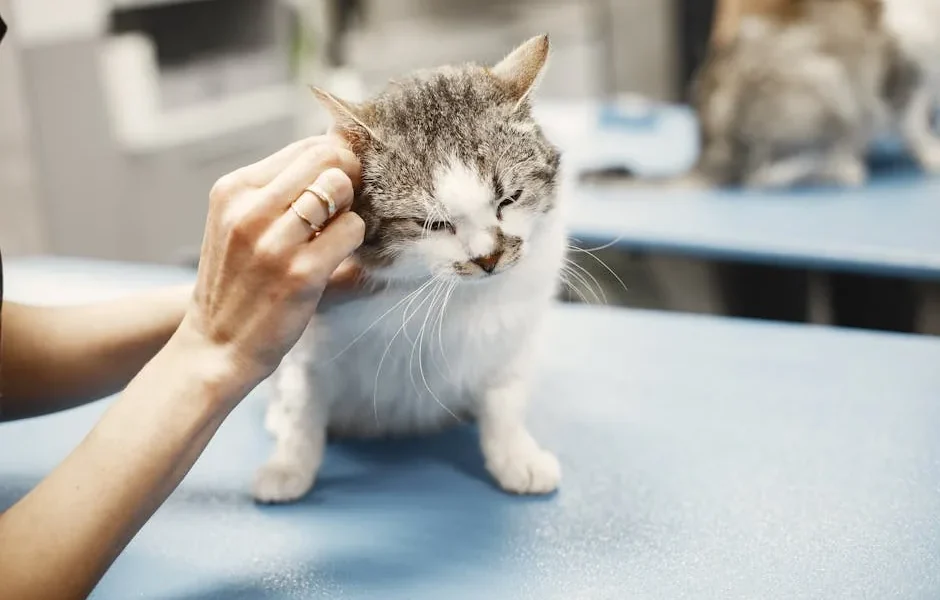
- All vets must have a DVM or VMD degree from an AVMA-accredited school. They also need a valid state license to practice legally.
- Board certification means 3-4 years of extra training after vet school. But only 15-20% of vets have this credential.
- You can check your vet’s license and history through your state’s veterinary medical board. This information is public.
- Vets must take continuing education classes each year (usually 15-35 hours). This keeps them up to date on new treatments.
I’ll be honest—I didn’t check my first vet’s credentials when I got my dog twelve years ago. I just picked the closest clinic. I hoped for the best.
That worked out fine. But looking back? I got lucky.
Not every pet owner is that fortunate. Veterinary care is becoming more specialized. It’s also getting more expensive. Knowing how to identify a qualified vet has never been more important.
The question is: what exactly should you look for? How to identify a qualified vet: 6 credentials every pet owner should verify isn’t just about finding someone with “DVM” after their name.
It’s about understanding the difference between basic licensing and specialized expertise. It’s about knowing where complaints get filed. It’s about recognizing when your pet needs more than a general vet can offer.
Let’s break down the credentials that actually matter. I’ll show you where you can verify them yourself.
1. DVM or VMD Degree from an AVMA-Accredited Institution
This is the foundation. Every vet in the United States must hold a Doctor of Veterinary Medicine (DVM) or Veterinary Medical Doctor (VMD) degree.
These degrees are the same. Different schools just use different names.
But here’s what really matters: that degree needs to come from an AVMA-accredited school. The American Veterinary Medical Association’s Council on Education accredits 33 veterinary colleges.
Why does accreditation matter so much? Non-accredited programs may not meet U.S. standards. This includes many international veterinary schools.
Graduates from non-accredited schools often can’t get a U.S. license. Or they face extra requirements and exams.
You can find the complete list of accredited programs on the AVMA’s website. Check this if you’re considering a vet who graduated from an unfamiliar school.
Most vets display their degrees in their offices. If you don’t see one? It’s perfectly reasonable to ask where they went to school.
A qualified vet will never be offended by that question.
2. Valid State Veterinary License
Having a veterinary degree doesn’t automatically mean someone can practice. Every state requires vets to pass exams before they can legally treat animals.
Vets must pass the North American Veterinary Licensing Examination (NAVLE). They also take any state-specific exams.
And that license isn’t permanent. It requires renewal, typically every one to two years.
Here’s what many pet owners don’t realize: you can verify your vet’s license yourself. It usually takes about five minutes.
Every state has a veterinary medical board. They maintain publicly searchable databases.
Just search for “[your state] veterinary medical board license verification.” You’ll find the portal. You can look up your vet by name.
Confirm their license is current, active, and unrestricted.
What are you looking for? An active, unencumbered license.
If you see terms like “probation,” “suspended,” or “restrictions,” that’s a red flag. You need to ask follow-up questions.
Most vets who’ve maintained clean records for years won’t hesitate to provide their license number. It’s public information anyway.
3. Clean Disciplinary Record
About 1-2% of vets face disciplinary action from state boards each year. Issues range from negligence to fraudulent billing practices.
That’s a small percentage. But it means these cases aren’t exactly rare either.
The good news? These records are public.
When you look up a vet’s license (see credential #2), you’ll typically see any disciplinary actions listed right there. You’ll also see complaints or sanctions.
State boards take complaints seriously. They investigate allegations of incompetence, impairment, ethical violations, and malpractice.
If action was taken, there’s usually a summary. It explains what happened and what penalties were imposed.
Does one old complaint from fifteen years ago mean you should run? Not necessarily. Context matters.
But patterns of complaints are concerning. Recent serious violations should factor into your decision. Ongoing restrictions are also important to consider.
If you’re unsure what something means, call the state board directly. They can explain the situation in plain English.
4. Board Certification (For Specialists)
This is where things get interesting. All licensed vets can legally perform general practice.
But board certification indicates someone has gone way beyond the basics.
Only about 15-20% of vets pursue certification through the American Board of Veterinary Specialties. It requires 3-4 years of intensive residency training after vet school. They also must pass rigorous exams.
Board-certified specialists use credentials like DACVIM (Diplomate, American College of Veterinary Internal Medicine). Or DACVS (Surgery). Or DACVO (Ophthalmology). Or DACVECC (Emergency and Critical Care).
These aren’t just letters. They represent thousands of additional hours of focused training.
If your pet has cancer, you want a board-certified specialist. The same is true for a complex orthopedic issue or chronic heart disease. You don’t just want a general vet doing their best.
You can verify board certification through the American Board of Veterinary Specialties website. They maintain a directory of all board-certified vets organized by specialty.
If you’re being referred to a specialist or considering choosing a specialist vet, take two minutes to confirm their certification. Confirm they actually hold the certification they claim.
It matters—a lot.
5. DEA Registration (For Controlled Substances)
Does your vet prescribe pain medications? What about sedatives or other controlled substances?
If so, they must hold a valid Drug Enforcement Administration registration number. This credential proves they’re authorized by the federal government to handle these medications legally and safely.
Not every vet needs DEA registration. Those who only work with non-controlled medications might not bother maintaining it.
But if your pet requires ongoing pain management, your vet should have this credential. This includes conditions like arthritis.
Your pet might also need sedation for anxious vet visits. In that case, your vet should definitely have this credential.
You can verify DEA registrations. It requires contacting the DEA directly or asking your vet for their registration number. You can then check it against prescriptions.
Most vets who prescribe controlled substances regularly will mention this credential. Or they’ll display it.
If you’re dealing with chronic pain management and your vet seems reluctant to prescribe appropriate medications, checking their DEA status might explain why.
6. Current Continuing Education Compliance
Veterinary medicine evolves constantly. New treatments emerge. Protocols get updated. New diseases appear.
What was standard practice five years ago might be outdated today.
That’s why most states require vets to complete 15-35 hours of continuing education (CE) annually or biennially. This is required to maintain their licenses.
These aren’t just box-checking exercises. Quality CE programs cover everything from new surgical techniques to updated vaccination protocols.
They also cover recognizing early signs of illness in pets.
Vets who actively pursue education beyond minimum requirements often participate in conferences. They take specialized training programs. They complete online courses throughout the year.
How do you verify this? It’s built into the license verification process.
If a vet hasn’t met their CE requirements, their license won’t renew. It’ll show as expired or inactive when you look it up.
You can also simply ask during your first visit. Ask what recent training or conferences they’ve attended.
Enthusiastic, detailed answers suggest someone who takes ongoing education seriously. Vague or defensive responses? That might tell you something too.
Red Flags and When to Walk Away
Sometimes it’s not about what credentials a vet has. It’s about warning signs that something’s off.
Reluctance to provide license numbers is concerning. Practicing significantly outside their area of expertise without referring to specialists is a problem. Inability to explain their qualifications clearly warrants concern.
I’ve also seen practices where credentials are prominently displayed for one vet. But other staff members’ qualifications remain mysteriously unclear.
In corporate practices especially, it’s worth verifying credentials. Make sure the individual vet treating your pet—not just the practice owner—holds appropriate credentials.
Corporate chains now represent 25-30% of the veterinary market. This transparency has become increasingly important.
Another red flag: emergency clinics that can’t or won’t verify their vets’ credentials during off-hours.
Before you face a crisis at 2 a.m., research emergency options in your area. Understand what to do when your regular vet clinic is closed.
Verify that emergency vets hold appropriate licenses. Ideally, they should have emergency specialty certification (DACVECC).
The Telemedicine Credential Question
Veterinary telemedicine exploded in recent years. With it came new credentialing challenges.
Can that vet on the video call legally practice in your state?
As of 2025, eight states have joined the Veterinary Interstate Licensure Compact. This makes multi-state practice easier. But it also makes your verification job more complex.
The Veterinary Virtual Care Association established new standards in 2024. They require valid licenses in the state where your pet is physically located.
Before using any telemedicine service, confirm the vet holds an active license in your state. Not just where their office happens to be located.
The same license verification databases work for telemedicine vets. Just make sure you’re checking the right state.
Questions to Ask Without Feeling Awkward
Nobody wants to offend their vet by questioning their qualifications. But here’s the thing: qualified vets expect these questions.
They welcome them.
A simple “Can you tell me about your background and training?” during a first visit opens the door naturally.
You can follow up with “Are you licensed in [state name]?” Or ask, “Have you completed any specialized training in [relevant area]?”
If you need a specialist referral, asking “Is the specialist you’re recommending board-certified in this area?” is completely standard.
In fact, most vets will volunteer this information. Board certification is something they respect. They want you to understand it.
When discussing veterinary specialist referral costs, understanding credentials helps justify those expenses.
For ongoing care, establishing confidence in your vet’s qualifications makes everything else easier. This is especially true with multiple pets with different dietary needs or health conditions.
You’ll feel better asking questions. You’ll feel more comfortable following treatment recommendations. You’ll trust their judgment when it really matters.
Final Thoughts
Verifying your vet’s credentials isn’t about being paranoid or distrustful. It’s about being informed.
The vast majority of vets are highly qualified, dedicated professionals. They’ve worked incredibly hard to earn their credentials.
Taking a few minutes to verify those credentials protects your pet. It also gives you confidence in the care they’re receiving.
Check for an accredited DVM or VMD degree. Confirm active state licensure with a clean disciplinary record. Verify board certification for specialists. Ensure they maintain DEA registration and continuing education compliance.
Your next step? Look up your current vet (or the one you’re considering) through your state veterinary medical board’s website.
It takes five minutes. It requires no special access. It gives you peace of mind.
If you’re facing a complex health issue or considering specialist care, verify those additional certifications too.
Your pet’s health deserves that level of diligence. And honestly, your wallet does too.
When you’re confident in your vet’s qualifications, everything becomes more manageable. From routine check-ups to emergency situations.
Sources & Further Reading
- American Veterinary Medical Association (AVMA) — Comprehensive information on veterinary licensing requirements, accredited veterinary colleges, and board certification standards
- American Association of Veterinary State Boards (AAVSB) — Directory of state veterinary boards and license verification resources for all U.S. states
- American Board of Veterinary Specialties (ABVS) — Official registry of board-certified veterinary specialists and information about specialty certification requirements
- Veterinary Emergency and Critical Care Society (VECCS) — Resources on emergency veterinary credentials and critical care specialist certification
- AVMA Council on Education — Current list of accredited veterinary colleges in the United States and accreditation standards
