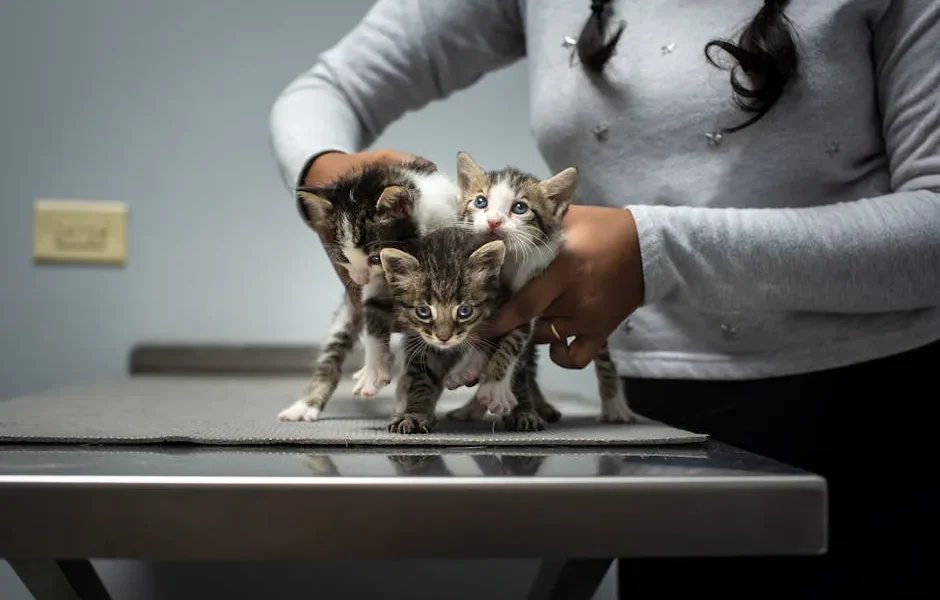
- 50-90% of cats over age 4 have dental disease. If not treated, it can damage vital organs and shorten their life by 2-3 years
- Cats hide dental pain very well. 60% keep eating normally even with painful mouth problems. This is why regular vet exams are so important
- Professional cleanings under anesthesia are the only way to treat disease below the gumline. At-home brushing can reduce plaque buildup by up to 70%
- Modern anesthesia is very safe when cats are screened first. The risks of untreated dental disease are much worse than anesthesia concerns
Cat dental health is important. This isn’t just another guilt-trip article from your vet. I’ve seen too many cats suffer because their owners didn’t know what was happening. Here’s the thing—dental disease is sneaky in cats. By the time you notice something’s wrong, we’re often dealing with serious problems. Problems that could have been prevented. Let me explain what every cat owner needs to know.
Why Is Dental Disease Such a Big Deal in Cats?
Dental disease is one of the most common health problems we see in cats. It affects 50-90% of cats over age four. Those aren’t small numbers.
But it’s not just about bad breath or yellow teeth. Plaque hardens into tartar. Bacteria build up along the gumline. This creates gum disease. This infection doesn’t stay in the mouth.
Bacteria enter the bloodstream every time your cat chews or grooms. They travel to vital organs like the heart, liver, and kidneys.
Studies show that untreated dental disease can shorten a cat’s lifespan by 2-3 years. It’s not because of the teeth themselves. It’s the chronic infection, poor nutrition from painful eating, and strain on their organs.
And here’s what really gets me: cats are masters at hiding pain. Research from UC Davis found that 60% of cats with painful mouth problems continue eating normally. They’ll suffer in silence rather than show weakness. That’s why waiting for obvious symptoms doesn’t work.
How Do I Know If My Cat Has Dental Problems?
Since cats won’t complain, you need to watch for signs. Look for these warning signs:
Bad breath is often the first clue. Yes, cat breath isn’t minty fresh normally. But it shouldn’t smell rotten or make you pull back.
Changes in eating habits might be subtle. Dropping food. Chewing on one side. Taking longer to eat. Suddenly preferring wet food over dry. Some cats will act interested in food but then walk away after a few bites.
Drooling (especially if it has blood), pawing at the mouth, or rubbing their face against furniture can mean oral pain.
Behavioral changes matter too. A cat who becomes less social might be in pain. One who stops grooming or seems grumpier. One of my patients, a sweet tabby named Oscar, started hissing at his favorite human when she tried to pet his head. It turned out he had severe tooth damage. Just the vibration from purring hurt.
Visible signs include red or bleeding gums. Yellow-brown tartar buildup on teeth. Loose or missing teeth. But remember—most dental disease hides below the gumline where you can’t see it.
If you’re noticing behavioral changes in your cat, pain might be the cause. Our article on excessive meowing discusses how medical issues often show up as behavior problems.
What Actually Happens During a Professional Dental Cleaning?
Let me explain this process. I know the anesthesia part scares people.
First, we do bloodwork before anesthesia. We check liver and kidney function. This helps us identify cats who might need special anesthetic protocols. Modern anesthesia is very safe when we screen properly.
Once your cat is safely under anesthesia, we can examine the entire mouth. We monitor heart rate, blood pressure, oxygen levels, and temperature continuously. This is impossible with an awake, uncooperative cat.
We take dental X-rays to see what’s happening below the gumline. This is huge. Up to 60% of dental disease exists where we can’t see it during a regular exam. X-rays show tooth root abscesses, bone loss, and damage that would otherwise go undetected.
Scaling removes tartar both above and below the gumline. We use ultrasonic equipment. This is the critical part that anesthesia-free “cleanings” can’t do. They only polish the visible tooth surface. They leave disease-causing bacteria undisturbed beneath the gums.
After scaling, we polish the teeth. This smooths microscopic scratches that could trap bacteria. Then we do a final exam. If necessary, we extract damaged teeth that can’t be saved.
Your cat wakes up pain-free. Often for the first time in months. Usually they go home the same day.
Is Anesthesia Really Safe for My Cat?
This is the question I hear most often. I get it. Putting your beloved cat “under” feels scary.
Here’s the reality: modern veterinary anesthesia is very safe. The risk of anesthetic complications in healthy cats is about 0.1-0.2%. For cats with health issues, that increases slightly. But we adjust our protocols accordingly.
Compare that to the guaranteed harm from untreated dental disease. Chronic pain. Infection. Organ damage. The risk-benefit calculation becomes clear.
For older cats, the concern is even more understandable. But consider this: a 12-year-old cat with painful dental disease isn’t going to get younger. Delaying treatment means they’ll potentially face anesthesia when they’re older and sicker. I’ve successfully done dental procedures on cats well into their late teens when screening showed they were good candidates.
What about “anesthesia-free” dental cleanings? Major veterinary organizations have issued strong warnings against these. The American Veterinary Medical Association included. They’re purely cosmetic. They make teeth look cleaner without addressing the disease below the gumline.
Worse, they can traumatize cats. They make cats resistant to necessary veterinary dental care later. It’s like painting over mold instead of removing it.
If you’re concerned about finding a qualified veterinarian for your cat’s dental care, our guide on identifying qualified vets can help you make an informed choice.
Can I Do Anything at Home to Prevent Dental Disease?
Absolutely. This is where you have real power to make a difference.
Tooth brushing is the gold standard. Daily brushing can reduce plaque and tartar buildup by up to 70%. I know—only 5-10% of cat owners actually do this. But it’s genuinely effective.
Starting young helps. But I’ve taught plenty of adult cats to tolerate brushing. The key is going slowly:
- Week 1: Let them lick pet toothpaste off your finger. Never use human toothpaste—xylitol is toxic
- Week 2: Rub the paste on their gums with your finger
- Week 3: Introduce a cat toothbrush or finger brush
- Week 4: Start actual brushing. Focus on the outside surfaces of the teeth where tartar builds up most
Even a few times per week makes a difference. And honestly? Even brushing just the large canines and premolars is better than nothing.
Dental treats and toys provide some benefit. Look for products with the VOHC seal of acceptance. That’s the Veterinary Oral Health Council. These products have been tested. They’re shown to reduce plaque or tartar. But they’re supplementary. They’re not replacements for brushing or professional care.
Water additives are convenient but vary in effectiveness. Again, check for VOHC approval. Some cats also refuse water that tastes different. This defeats the purpose.
Many cat owners have success with pet water fountains to encourage drinking. Our fountain comparison guide can help you choose one your cat will actually use.
Dental diets are formulated with larger kibble or special textures. They can help mechanically clean teeth. Your vet can recommend appropriate options. These work best as part of a comprehensive dental care plan. Not as a sole solution.
What Are Tooth Resorptions and Why Do They Matter?
Tooth resorption is something specific to cats. You need to know about it. It’s also called FORL—Feline Odontoclastic Resorptive Lesions.
These lesions occur when the cat’s body starts destroying its own tooth structure from the inside out. They affect 20-75% of cats. They are extremely painful. Imagine having cavities that extend into the nerve without any filling or treatment.
We don’t fully understand what causes them. There may be genetic and inflammatory components. What we do know is that they often occur below the gumline. You can’t see them without X-rays.
Cats with resorptions need extraction of affected teeth. There’s no saving them once they’ve started. This is another reason why professional dental cleanings with X-rays are so important. They catch these lesions before they cause months or years of hidden suffering.
I had a client who couldn’t figure out why her cat stopped jumping on the couch. It turned out the cat had multiple resorptive lesions. Even the impact from jumping was painful. After extractions, she was back to her old self within a week. Cats are amazingly resilient once we remove the source of pain.
How Often Should My Cat Have Professional Cleanings?
This varies based on your individual cat. Here are general guidelines:
Most cats benefit from professional cleanings every 1-3 years. Start around age 3-4.
Cats prone to dental disease may need annual cleanings. This includes certain breeds like Persians and Siamese. Other purebreds too. Flat-faced breeds often have crowded teeth that trap more debris.
Cats with previous dental disease might need more frequent monitoring and cleaning. Potentially every 6-12 months.
Your vet will examine your cat’s mouth at every wellness visit. They’ll recommend cleaning when they see significant tartar buildup, gum inflammation, or other concerning changes.
Don’t skip those annual exams. Or twice-yearly exams for senior cats. Early detection is everything.
Speaking of wellness visits, knowing the right questions to ask can help you get the most valuable information. This includes dental care recommendations.
And yes, I know professional cleanings aren’t cheap. They typically cost $300-$1,500. It depends on your location and what’s needed. But treating advanced dental disease with multiple extractions and complications can exceed $2,000-$3,000.
An ounce of prevention truly is worth a pound of cure. Some pet insurance plans now cover dental cleanings if you’ve maintained preventive care. But many exclude dental disease entirely if you haven’t been proactive.
Final Thoughts
Dental health isn’t glamorous. But it’s fundamental to your cat’s quality of life and longevity.
When I see a senior cat who’s maintained good dental health throughout their life versus one who hasn’t, the difference is striking. Not just in their teeth. In their overall vitality, comfort, and health.
Here’s what I want you to do: Schedule a dental exam if your cat hasn’t had one in the past year. Start some form of at-home dental care. Even imperfectly. And please, don’t let fear of anesthesia prevent your cat from getting necessary treatment.
The compassionate choice is addressing problems before they become crises. Your cat may not thank you out loud. But they’ll show you through years of healthier, happier life. And honestly? That’s what this job is all about.
Sources & Further Reading
- American Veterinary Dental College — Professional organization providing pet owner education on dental health and disease prevention
- Cornell University College of Veterinary Medicine — Research-based information on feline dental conditions and treatment protocols
- Veterinary Oral Health Council — Independent organization that evaluates and lists dental products proven effective for plaque and tartar control
- American Veterinary Medical Association — Evidence-based guidelines on pet dental care and position statements on anesthesia-free dentistry
- American Association of Feline Practitioners — Cat-specific veterinary guidance and preventive care recommendations
