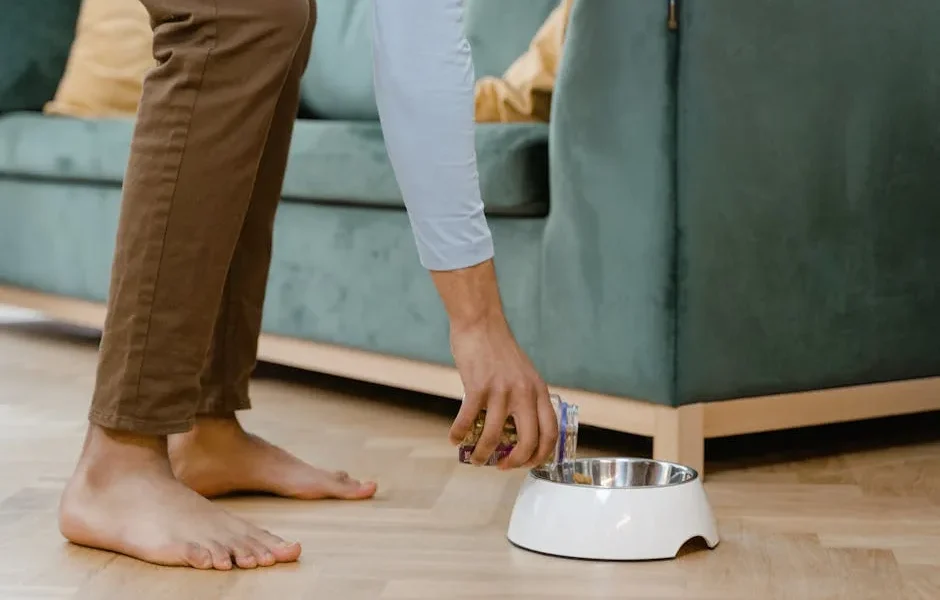
- Cats drinking from fountains consume 20-30% more water daily, helping prevent urinary and kidney issues
- Stainless steel fountains last 5-7 years on average, while plastic models typically need replacement after 2-4 years
- Ceramic and stainless steel materials don’t harbor bacteria in scratches like plastic and reduce feline acne risk
- Total 5-year ownership costs can vary by $200-400 between materials when factoring in replacements and maintenance
Last month, Mrs. Patterson came to our exam room. She was almost crying. Her 12-year-old cat, Whiskers, had kidney disease. “I thought he was drinking enough,” she said. “His bowl always had water in it.”
This happens a lot. And it’s why picking the right water fountain matters. We need to understand the Best Pet Water Fountains 2025: Ceramic vs Stainless Steel vs Plastic Compared.
Here’s the thing. Static water bowls don’t make pets want to drink. Especially cats. We see this every day in our exam rooms.
Why Your Pet’s Fountain Material Actually Matters
I’ll be straight with you. Not all pet water fountains are the same. The material you choose matters a lot. It affects your pet’s health. It affects your wallet too.
Studies show something important. Cats using water fountains drink 20-30% more water each day. That’s compared to cats using bowls. This helps prevent urinary crystals. It helps prevent bladder stones. It helps prevent chronic kidney disease.
But here’s what studies don’t tell you. The fountain material matters. It affects whether your pet actually uses it. And whether it’s helping or hurting.
The Bacterial Growth Nobody Talks About
Plastic fountains scratch easily. Every time you clean them, they get scratched. Every time your dog’s tags hit the side, they get scratched. These tiny grooves form.
And those grooves? They’re perfect for bacteria. Soap and water alone won’t get rid of it.
We’ve seen cats develop chin acne from plastic. Those are black crusty spots around their mouth. Scratched plastic holds bacteria. That bacteria irritates their skin.
Switch to ceramic or stainless steel. Often the acne clears up in weeks.
Plastic Fountains: The Budget-Friendly Starting Point
Let’s talk plastic first. Most pet owners start here. And honestly? There’s nothing wrong with that.
Plastic fountains cost $20-50 for quality models in 2025. They’re lightweight. They come in fun colors. If you’re testing whether your cat will use a fountain, it’s low risk.
The catch: they don’t last long. Data shows plastic fountains last 2-4 years. That’s before the plastic gets too scratched. Or discolored. Or the pump gives out. Many look grimy around 18 months even with regular cleaning.
When Plastic Makes Sense
If you’re on a tight budget, plastic is fine. If you have a new pet, plastic is fine. You’re not sure they’ll use a fountain yet.
Just look for BPA-free options. Most good brands are BPA-free now. But always check. And be ready to replace it sooner than other materials.
About 60% of plastic fountains can go in the dishwasher. They won’t warp. Read the fine print. Hand-washing a fountain every 3-5 days gets old fast.
Ceramic Fountains: The Aesthetic Middle Ground
Ceramic fountains look nice. They feel like they belong in your home. They don’t scream “pet product.” They cost $40-90 for quality options.
There’s something nice about how they blend with your décor.
From a vet standpoint, ceramic is excellent. It’s non-porous when properly glazed. It doesn’t scratch easily. It doesn’t harbor bacteria like plastic does. We see fewer cases of feline acne with ceramic fountains.
They’re durable too. They last 4-6 years on average. That’s double what you’d get from plastic.
The Weight Factor
Here’s the thing about ceramic. It’s heavy. For some pets, that’s good. It’s less likely to tip over. Especially when your enthusiastic Labrador drinks.
For you? It means cleaning is harder. Moving a wet, heavy ceramic fountain to the sink isn’t fun.
The good news: about 85% of ceramic fountains are dishwasher-safe. Just take it apart. Let the machine do the work.
Ceramic fountains are quiet. They run at 25-35 decibels when the pump works properly. That’s whisper-quiet. You can even put them in your bedroom.
Stainless Steel: The Veterinary Favorite
If I’m recommending a fountain material, stainless steel wins. Yes, it costs more upfront. It’s $50-120 for quality models. But hear me out.
Stainless steel is the most durable option. It lasts 5-7 years on average. Some owners say their fountains last even longer.
It’s completely non-porous. It doesn’t scratch easily. You can sanitize it thoroughly. You don’t have to worry about damaging the material.
For pets with health problems, stainless steel is best. Think senior animals. Those with chronic health conditions requiring medications. Or immunosuppressed pets. Stainless steel is the most hygienic option.
The Multiple Pet Advantage
Got several pets? Stainless steel holds up better to heavy use. Three cats or two dogs using the same fountain all day? You need something durable. Something that won’t show wear quickly.
If you’re already managing different dietary needs for multiple pets, you don’t want to worry about fountain replacement too.
Stainless steel fountains are slightly louder than ceramic. They run at 30-40 decibels. But new magnetic drive pumps came out in 2024. They’ve reduced noise by 40-50% compared to older models. Check product specs for “ultra-quiet” or “whisper pump” technology.
The Real Cost: Looking Beyond the Price Tag
Let’s do some math. Math that actually matters to your budget.
Filter replacement costs average $30-60 yearly for plastic fountains. $40-70 for ceramic. $35-65 for stainless steel. Not a huge difference each year.
But when you factor in replacement, things change.
Say you buy a $30 plastic fountain. Over five years, you’ll replace it twice. That’s $90 in fountains. Plus about $250 in filters. Total: $340.
Compare that to a $70 stainless steel fountain. You buy it once. Plus $275 in filters over five years. Total: $345.
Basically the same cost. But the stainless fountain is more hygienic. It lasts longer. You don’t have to shop for replacements.
The Sustainability Question
This matters more to some people than others. But it’s worth mentioning.
Throwing away plastic fountains every 2-3 years adds up. It’s not good for the environment.
Major brands now make recycled stainless steel options. And biodegradable filters. This is in response to what consumers want.
Ceramic and stainless steel fountains create less waste. If that’s important to your household.
What About Those New High-Tech Features?
The 2025 pet fountain market has gotten fancy. Several brands launched app-connected fountains at CES 2024. They monitor water levels. They track filter life. They even track your pet’s drinking patterns.
Are they necessary? Not really.
But if you travel a lot, they’re useful. Or if you have a pet with kidney disease. Tracking water intake matters then. They’re legitimately useful tools.
Mid-to-high-end models now have UV-C LED purification systems. They claim to reduce bacteria by 99%+. The technology works. But you still need to clean the fountain regularly.
Don’t let fancy features replace basic maintenance.
Matching Fountain to Pet: It’s Not One-Size-Fits-All
Dogs generally aren’t picky. They’ll drink from anything that holds water.
Cats, though? Whole different story.
Cats often prefer ceramic or stainless steel. There’s no plastic taste or smell. Some cats are genuinely sensitive to this. They’ll drink less from plastic fountains.
If you’ve got a cat who’s already not drinking enough, material choice matters more. Maybe you’re dealing with issues you’d discuss during a comprehensive vet visit. Then it becomes more critical.
For large dogs or multiple pets, look for fountains with at least 2-liter capacity. Stainless steel holds up best here.
For toy breeds or single cats, smaller ceramic fountains work great. They take up less counter space.
Maintenance Reality Check
Here’s something nobody tells you. Not until you’ve owned a fountain for a month. Cleaning schedules aren’t suggestions.
You need to clean your fountain every 3-5 days. This is true for all materials. Weekly is pushing it.
The pump needs cleaning too. Or it’ll get clogged with pet hair. And mineral buildup.
Filters? Replace them monthly. Yes, monthly. Some manufacturers say 2-4 weeks. Others say 6-8 weeks. From what we see in the clinic, monthly replacement keeps water freshest. It prevents bacterial overgrowth.
Stainless steel and ceramic make this easier. They’re dishwasher-safe. They don’t stain. Plastic fountains develop a slimy film faster. They often need more scrubbing.
Red Flags to Avoid
I’ve seen countless fountains in clients’ homes over the years. Here’s what I’d steer clear of.
Fountains with lots of nooks and crannies. Ones that are hard to clean. If you can’t easily take it apart and reach every surface, mold will grow. It’ll grow in hidden spots.
Super cheap plastic fountains under $20. They’re usually loud. They break quickly. They use pumps that aren’t pet-safe if they break.
Fountains without replacement parts available. Check before buying. Can you purchase replacement pumps and filters? Some brands stop making products fast.
If Your Pet Won’t Use the Fountain
Sometimes you buy a nice fountain. And your cat looks at it like you’ve lost your mind.
Give it time. Place it away from the litter box and food. Cats don’t like their water near their bathroom. Or their dining area.
Some cats need a week or two to adjust. To adjust to the sound and movement.
Try different flow settings. Some cats prefer gentle bubbling. Others like streams. Experiment.
If after two weeks they’re still not interested, it might be placement. It might be fountain style. Or just personality. Some pets genuinely prefer bowls. And that’s okay too.
Final Thoughts
Choosing between ceramic, stainless steel, and plastic isn’t just about looks. It’s not just about budget. It’s about what’ll work best for your pet’s health. And your lifestyle long-term.
Stainless steel offers the best durability and hygiene for most situations. Ceramic provides a quieter, attractive middle ground. Plastic works fine for tight budgets or trial runs. Just plan on replacing it more often.
Here’s what I’d do. Assess your specific situation. Multiple pets or large dogs? Go stainless steel. Single cat and you care about décor? Ceramic. Testing whether your pet will use a fountain at all? Start with BPA-free plastic.
And regardless of material, commit to the maintenance schedule. A clean fountain in any material beats a neglected one in the “best” material.
Your pet’s health is worth the few extra minutes every few days. If you’re unsure what’s right for your specific pet’s needs, bring it up during your next check-up. Especially if they have existing health concerns. Sometimes the best fountain recommendation comes from someone who knows your pet’s complete health picture.
Sources & Further Reading
- PetMD — Veterinary perspective on water fountains and feline hydration
- American Kennel Club — Pet hydration benefits and fountain recommendations
- National Institutes of Health — Peer-reviewed veterinary studies on pet hydration and urinary health
- American Veterinary Medical Association — Pet health and care resources
- Consumer Reports — Independent product testing and comparisons
