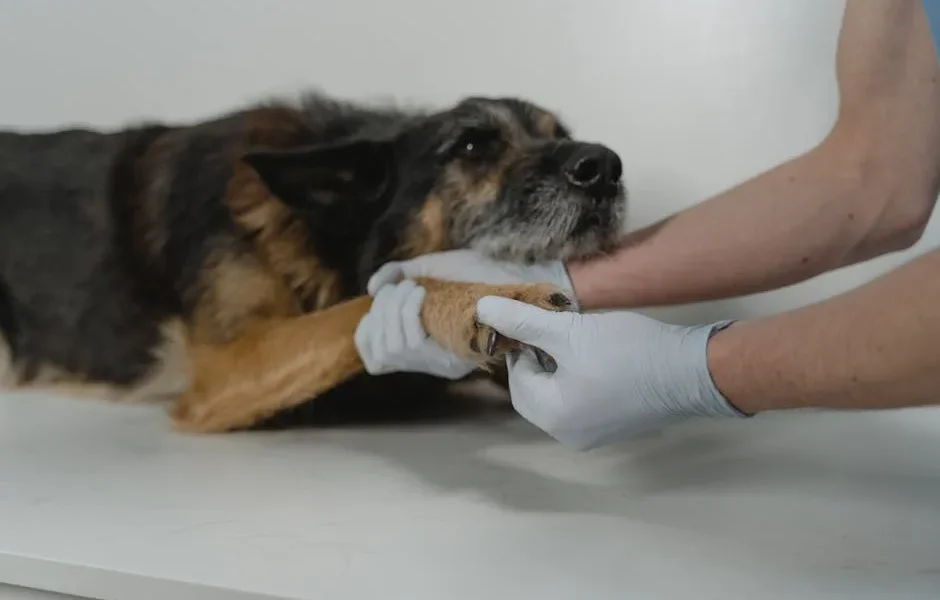
- Complete vet records should include vaccination history, microchip details, medication lists, surgical reports, blood work results, and allergy information for comprehensive care continuity
- You have legal rights to access your dog’s medical records—most practices provide copies within 30 days for little to no cost, with many now offering free digital portal access
- Keeping accessible copies of your dog’s records (digitally or in a physical emergency kit) can reduce treatment delays by 20-30% during emergencies and prevent dangerous drug interactions
Last month, I rushed my dog to an emergency vet at 2 a.m. She ate something bad. The first thing they asked? “Does she have any health problems or allergies?” I panicked. I couldn’t remember. Luckily, I had her records on my phone.
That experience taught me something important. You need to know what’s in your dog’s vet records. You need to know how to access them anywhere. This matters for emergencies, travel, or switching vets. Having organized medical records isn’t just convenient. It can save your dog’s life.
Let’s answer the most common questions pet owners have about vet records. You’ll never be caught unprepared again.
What exactly should be included in my dog’s complete veterinary records?
A complete vet file is more than just shot records. The American Veterinary Medical Association says complete records should show your dog’s full health history.
Here’s what should be in there:
- Vaccination records with dates, vaccine makers, and lot numbers. Rabies certificates are especially important. You often need them for travel and boarding.
- Microchip information with the chip number and registry details. Only 58% of microchipped pets have current owner info on file. Check that yours is updated.
- Spay/neuter certificates with surgery date and any problems
- Prescription medications your dog takes now. Include dosages and how often they take them.
- Chronic conditions like diabetes, heart disease, or arthritis. Include when they were diagnosed.
- Known allergies to medications, foods, or things in the environment
- Blood work results and other test results over time
- Surgical reports with anesthesia notes and after-care instructions
- Weight history tracked over visits to watch for changes
- Dental cleaning records. Regular dental care is crucial for preventing serious health issues.
Think of it like your dog’s medical resume. The more complete it is, the better any vet can care for them.
How do I actually get copies of my dog’s vet records?
Good news: you have legal rights here. In most U.S. states, vets own the physical records. But they must give you copies when you ask. This usually happens within 30 days.
The process is simple:
Call your vet’s office. Ask for a complete copy of your dog’s medical records. Be specific. Say you want everything, not just a summary. Some practices have a form. Others handle it informally.
Most clinics charge between $0-25 for records. Some charge per page. About 65-70% of vet practices now use electronic records. So digital copies are becoming normal. They’re often free.
If you’re switching vets, your new clinic can request records directly. They’ll use a medical release form. But I recommend getting your own copy too. That way you don’t depend on offices talking to each other. That can take forever.
Pro tip: When you’re visiting a new vet for the first time, bring existing records. This helps start the relationship right.
Can I access my dog’s medical records online?
More and more, yes! The vet world is catching up with human healthcare. Digital access is growing.
Many major vet chains offer client portals now. Banfield, VCA, and BluePearl all have them. You can access records 24/7. You can schedule appointments. You can request prescription refills. You can message your vet team securely. These portals usually have mobile apps too. Your dog’s entire health history lives in your pocket.
If your current vet doesn’t offer a portal, ask about email. Some smaller practices haven’t adopted this technology yet. But most will email you digital copies of records as they’re created.
There are also third-party apps for pet health records:
- PetDesk and VitusVet work with many vet practice systems
- Pet First Aid by American Red Cross includes medical record storage
- Simple cloud storage like Google Drive or Dropbox works great. Just create a folder for your dog.
Some companies are testing blockchain systems for permanent pet health records. But these are still new as of 2024-2025.
What records do I need for travel or emergencies?
Different situations need different documents. Let’s break this down.
For emergency situations:
Time matters in emergencies. Having records ready can reduce treatment delays by 20-30%. It also prevents dangerous drug interactions.
Keep these readily available. Put them on your phone digitally. Keep a physical copy in your car or pet emergency kit:
- Current medication list with dosages
- Known allergies and bad reactions
- Chronic conditions and recent bloodwork
- Emergency contact numbers. Include your regular vet and nearest 24-hour emergency clinic.
- Recent weight. This helps with medication dosing.
For travel within the U.S.:
Interstate travel rules vary by state. But you’ll generally need:
- Current rabies certificate. Usually valid 1-3 years depending on vaccine type.
- Health certificate or Certificate of Veterinary Inspection (CVI). Usually valid for 30 days.
- Proof of other core vaccinations
For international travel:
This gets more complex. As of August 2024, new CDC rules apply. All dogs entering the U.S. must be at least 6 months old. They must be microchipped. They need specific documents. This includes rabies vaccination records and health certificates.
Requirements vary a lot by destination country. Start researching at least 2-3 months before travel.
Airlines also have their own rules for pets traveling in-cabin or cargo.
How should I organize and store these records?
Here’s what works in real life:
The hybrid approach is best. Keep both digital and physical copies. Technology fails. Phones die. Having backup matters.
For digital storage, create folders like this:
- Main folder: “[Dog’s Name] Medical Records”
- Subfolders: Vaccinations, Bloodwork & Lab Results, Surgical Records, Medications, Insurance Claims, Emergency Info
Scan everything as PDFs. Name files with dates: “2025-03-15_Rabies_Vaccine.pdf”. They’ll sort by date automatically.
For physical storage, use a three-ring binder with dividers. Or use a file folder. Keep one copy at home. Put essential documents in your car in a waterproof bag. These include current vaccinations, medication list, and emergency contacts.
If you have multiple dogs, color-code them. Or use separate binders. It’s easy to grab the wrong dog’s prescription when you’re in a rush.
The emergency “go-bag” approach:
I keep a small waterproof pouch in my car with:
- Laminated card with current medications, allergies, and my vet’s emergency number
- Copy of rabies certificate
- Recent photo of my dog. Helpful if she ever got lost.
- USB drive with complete digital records
Sounds paranoid? Maybe. But when emergencies happen, you’ll be glad you prepared.
What if my vet won’t give me my records or is making it difficult?
This is rare, but it happens. Some practices are disorganized. Others worry about losing you as a client.
First, try the friendly approach. Call and politely explain you need records. Say it’s for travel, insurance, or “your own files.” Most resistance goes away when you don’t say you’re leaving their practice.
If that doesn’t work, know your rights. Check your state’s veterinary board rules. Most states require vets to provide records within a reasonable time. Usually 30 days.
You can mention this without being rude: “I understand state regulations require medical records within 30 days. Can we arrange that?”
If all else fails, contact your state’s veterinary licensing board. They take record access seriously. Proper documentation is crucial for maintaining professional standards in veterinary medicine.
Remember: these are your dog’s records about your pet. You’re entitled to them.
How do good records help with pet insurance claims?
If you have pet insurance, organized records are worth a lot.
Insurance companies need documentation to process claims. They need pre-existing condition histories. They need diagnosis dates, treatment plans, and itemized invoices.
When everything’s organized and ready, you can submit claims quickly. You can provide follow-up documents immediately.
This matters because delayed or incomplete claims often get denied. Having complete records helps. They show the timeline of a condition. This is especially important for chronic issues. The timeline helps tell the difference between pre-existing conditions and new diagnoses. This directly affects coverage.
For example, if you need information about what lab work your insurance will cover, organized records help. Records of previous bloodwork show what’s routine versus what’s needed for a new condition.
Some insurance companies now work directly with vet software. They automatically pull records for claims. But you still want your own copies as backup.
Final Thoughts
Here’s the truth: your dog’s medical records seem unimportant. Until the moment you desperately need them.
I learned this during that 2 a.m. emergency room visit. I’ve been careful about record-keeping ever since.
You might face an emergency. A cross-country move. A specialist referral. Aging-related health changes. Having complete, organized, accessible records gives you peace of mind. It gives your vet team the information they need. Any vet team can provide the best possible care.
Start today. Call your vet and request complete records. Set up digital storage. Create that emergency folder.
Take fifteen minutes now. Save yourself hours of stress later. Prevent potentially dangerous delays.
When it comes to choosing qualified veterinary care for your dog, being organized helps. Being informed makes you a better partner in your dog’s healthcare.
Your future self will thank you. And so will your dog.
Sources & Further Reading
- American Veterinary Medical Association — Comprehensive guidelines on veterinary medical records standards and legal requirements
- Centers for Disease Control and Prevention — Official requirements for bringing dogs into the United States, including updated 2024 regulations
- American Animal Hospital Association — Veterinary practice statistics, pet care standards, and microchip registry data
- Today’s Veterinary Business — Industry trends on digital record adoption and veterinary technology developments
