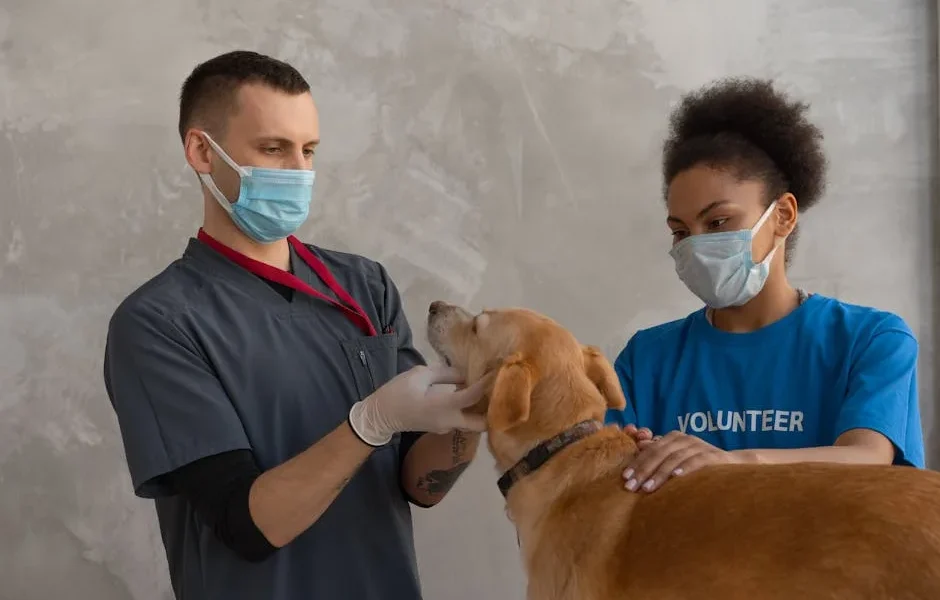
- A good preventive care program includes wellness exams, vaccines, parasite control, dental care, and bloodwork—not just yearly shots
- Look for clinics with clear pricing, written care plans, reminders, and education resources
- Warning signs include pressure to buy unnecessary services, cookie-cutter recommendations, poor communication, and dismissive attitudes
I’ll never forget a young couple who brought their Labrador to our emergency room at 2 AM. Duke was having seizures and vomiting. His bloodwork showed kidney failure. He was only five years old.
“He seemed fine yesterday,” they kept saying.
When I asked about his last vet visit, they looked at each other blankly. “He had puppy shots… maybe three years ago?” No annual exams. No bloodwork. No dental cleanings. Nothing.
Duke survived, but barely. The hospital bill was over $8,000.
A good preventive care program would have caught his kidney disease early. It would have been manageable and treatable then. This happens more often than you’d think. That’s why knowing how to evaluate your vet’s preventive care program: what to look for when choosing a clinic isn’t just about convenience. It’s about your pet’s lifespan.
I’ve worked in emergency medicine for fifteen years. About half the critical cases I see come from preventable conditions. Not because owners didn’t care. But because they didn’t know what good preventive care looked like.
What Actually Belongs in a Preventive Care Program
Let’s start with the basics. A real preventive care program isn’t just a vaccine clinic. It’s a structured approach based on your pet’s life stage.
At minimum, you should see:
Regular wellness exams. Twice yearly for senior pets (over 7-8 years old). Once a year for healthy adults.
These shouldn’t be quick visits. They should include a thorough physical exam, weight tracking, body condition scoring, and discussion of behavior changes.
If a vet spends less than 10 minutes with your pet during a “wellness exam,” that’s a warning sign.
Core vaccines on the right schedules. Not every pet needs every vaccine every year. Current guidelines recommend many adult dog vaccines every three years, not annually.
If your clinic insists on annual everything without discussion, they’re behind the times.
Cats need even more individualized plans. Indoor-only cats have different needs than outdoor cats.
Complete parasite prevention and testing. This goes beyond just heartworm pills.
Year-round flea, tick, and intestinal parasite control should be standard. So should annual fecal testing and heartworm checks.
With climate change, parasites are spreading to new areas. Progressive clinics now recommend broader tick-borne disease panels.
Dental health assessment and care. Here’s a shocking fact: 80% of dogs show dental disease by age three.
Yet dental care gets overlooked constantly.
A quality preventive program includes oral exams at every visit. It includes dental cleaning recommendations based on actual need. And it includes education about home care.
Baseline and screening bloodwork. Young healthy pets need baseline values. Middle-aged pets benefit from annual screening to catch problems early. Senior pets should have bloodwork every six months minimum.
Routine screening finds problems in 15-20% of apparently healthy adults. It finds problems in up to 40% of seniors.
Nutrition counseling should be part of every wellness visit. Obesity is the most common preventable disease I see. Yet many clinics barely mention it.
Your vet should discuss appropriate diet choices and body condition at every appointment.
The Communication and Technology Factor
Here’s something I learned running an emergency department. The clinics with the best patient outcomes weren’t always the ones with the fanciest equipment. They were the ones with the best communication systems.
What does this look like?
Written care plans after every visit. Not just a receipt. An actual document outlining what was done, what was found, and what’s recommended next.
Verbal recommendations get forgotten. Written plans get followed.
Studies show 40-60% better compliance with written recommendations versus relying on memory.
Automated reminder systems that actually work. You should receive reminders for upcoming preventive care. Vaccines, dental cleanings, annual exams, refills for parasite prevention.
If you’re responsible for remembering everything yourself, gaps will happen.
Only 40-50% of dogs are current on core vaccines despite universal recommendations. The system matters.
Client portals with medical record access. Being able to see your pet’s complete history online isn’t just convenient. It’s essential for continuity of care, especially in emergencies.
When Duke came in seizing at 2 AM, his owners couldn’t tell me what medications he was on. They didn’t know if he’d ever had bloodwork. A client portal would have given me that information instantly.
Educational resources beyond the exam room. Does the clinic provide handouts, email newsletters, or online resources about preventive care topics?
Quality practices invest in client education. Informed owners make better decisions.
Red Flags Versus Green Flags
After years of hearing “my regular vet said this was fine” before admitting pets in crisis, I’ve learned what separates excellent preventive care from inadequate programs.
Red Flags That Should Concern You
Pressure tactics around services. Especially expensive diagnostics or treatments without clear explanation of why they’re necessary right now.
There’s a difference between evidence-based recommendations and upselling.
One-size-fits-all protocols. If every dog gets identical vaccine schedules regardless of lifestyle, that’s lazy medicine.
Indoor-only lap dogs and hunting dogs in tick-heavy regions need different preventive strategies.
Dismissive attitudes toward your questions. You should never feel stupid for asking why something is recommended.
If a vet can’t explain their reasoning in terms you understand, either they don’t know or they don’t respect you. Neither is acceptable.
Inconsistent recommendations between doctors in the same practice. Some variation is normal. But wildly different preventive care philosophies within one clinic suggests lack of standards.
No follow-up after identifying problems. If bloodwork shows early kidney changes or dental disease is noted, there should be a clear plan and timeline for rechecking.
“Let’s watch it” without structure usually means nothing gets watched.
Green Flags of Quality Programs
Personalized recommendations based on your specific pet. Their breed, age, lifestyle, and risk factors should all matter.
Progressive clinics now use risk assessment tools to customize prevention rather than applying blanket protocols.
Transparent pricing with options. You should be able to get cost estimates before services. You should understand what’s included.
Many quality clinics now offer tiered wellness packages. Basic, comprehensive, and premium. You can choose what fits your budget while maintaining essential care.
Fear-Free or low-stress handling certification. This isn’t just about making visits pleasant (though that matters).
Stress elevates blood pressure and affects exam findings. It makes future visits harder. Clinics investing in fear-free techniques demonstrate commitment to quality care.
Willingness to discuss alternatives. Sometimes there are different ways to accomplish the same preventive goal.
Good vets present options and help you make informed decisions. They don’t dictate one approach.
Active involvement in continuing education and professional organizations. AAHA accreditation requires meeting hundreds of quality standards and ongoing education.
It’s not the only indicator of quality. But it demonstrates commitment.
The Money Conversation Nobody Wants to Have
Look, preventive care costs money. But here’s what I tell people:
You can pay me $300 once a year for comprehensive preventive care. Or you can pay me $8,000 when your dog goes into kidney failure at 2 AM.
Studies consistently show that regular preventive veterinary care reduces lifetime healthcare costs by 30-50%. It’s not even close.
But you need to understand what you’re paying for.
When evaluating costs between clinics, compare apples to apples.
That $45 “wellness exam” that doesn’t include any diagnostics isn’t the same as a $85 exam that includes bloodwork, fecal testing, and a comprehensive written plan.
Wellness plans work brilliantly for some people and poorly for others. These are monthly payment programs that bundle preventive services.
They’re worth it if you actually use all the included services and would get them anyway. They’re not worth it if you’re paying for things your pet doesn’t need just because they’re “included.”
Do the math. Get itemized pricing for the preventive services your pet actually needs. Then compare that to the annual cost of the wellness plan.
For most healthy adult pets, the numbers are pretty close. For puppies, kittens, and senior pets who need frequent visits, wellness plans often save money.
Questions to Ask Before Committing
When you’re touring potential clinics or interviewing new vets, these questions cut through the marketing:
“What does a typical preventive care schedule look like for my pet’s age and breed?” Listen for personalized responses, not generic answers.
“How do you determine which vaccines my pet needs?” You want to hear about lifestyle risk assessment. Not “everyone gets everything annually.”
“What’s your protocol when screening tests show early abnormalities?” There should be clear follow-up plans. Not vague “we’ll keep an eye on it” statements.
“How do you communicate test results and recommendations?” Email? Phone calls? Portal messages? Make sure it matches your preferences.
“What happens if I need emergency care after hours?” Know whether they have emergency services or relationships with emergency clinics. Or if you’re on your own finding help at midnight.
“Can you provide an itemized estimate for annual preventive care costs?” If they can’t or won’t, that’s concerning.
When Life Stage Changes Everything
What works for a healthy three-year-old dog doesn’t work for a twelve-year-old with early arthritis.
Your vet’s preventive care program should evolve as your pet ages.
Puppies and kittens need frequent visits. Every 3-4 weeks initially. For vaccines, parasite control, behavior discussion, and monitoring growth.
If your clinic isn’t interested in puppy/kitten socialization and behavior during these critical windows, they’re missing huge preventive opportunities. Behavior problems are the leading cause of pet relinquishment.
Healthy adults (typically 1-7 years) need annual comprehensive exams. They need regular parasite prevention, dental monitoring, and baseline bloodwork.
This is when prevention pays the biggest dividends. You’re catching problems before they become crises.
Senior pets need more intensive monitoring. Twice-yearly exams minimum. More frequent bloodwork. And proactive management of age-related changes.
The clinics that excel with senior care treat aging as a manageable process, not an inevitable decline.
If your clinic uses the same exact approach regardless of life stage, they’re not providing truly preventive care.
The Second Opinion Dilemma
Sometimes you need a gut check.
If your vet recommends extensive preventive testing or treatments that seem excessive, seeking a second opinion is completely appropriate. Same if they dismiss your concerns about symptoms.
Here’s when I’d definitely get another perspective:
When recommendations include expensive diagnostics without clear explanation. When your concerns are dismissed repeatedly. When treatment plans don’t match information from credible veterinary sources. Or when your gut says something’s off.
Quality vets don’t get offended by second opinions. We encourage them when there’s uncertainty or significant expense involved.
If your vet reacts defensively to the suggestion, that tells you something.
Final Thoughts
Evaluating your vet’s preventive care program isn’t about finding perfection. It’s about finding commitment.
The clinic that personalizes recommendations, communicates clearly, follows up consistently, and treats you as a partner will serve you far better than the fanciest practice with poor systems.
Duke, the Labrador I mentioned at the start, is nine now. His owners found a new clinic with a comprehensive preventive program. He’s thriving.
They tell me the monthly wellness plan costs about what they’d spend on coffee. They haven’t had a single emergency since.
That’s not luck. That’s what good preventive care accomplishes.
Start by auditing your current clinic against these standards. If gaps exist, have a conversation with your vet about concerns.
If the response is defensive or dismissive rather than collaborative, you have your answer.
Your pet deserves a preventive care program that actually prevents problems. Not one that just checks boxes.
Make the evaluation. Ask the hard questions. And don’t settle for mediocre when excellent care is available.
Sources & Further Reading
- American Animal Hospital Association (AAHA) — Accreditation standards, preventive care guidelines, and practice quality benchmarks
- American Veterinary Medical Association (AVMA) — Evidence-based practice guidelines, pet ownership statistics, and vaccination protocols
- Companion Animal Parasite Council (CAPC) — Current parasite prevention recommendations and geographic risk maps
- Banfield Pet Hospital State of Pet Health Report — Large-scale veterinary health data and preventive care outcomes
- North American Pet Health Insurance Association — Wellness plan data, trends, and consumer satisfaction research