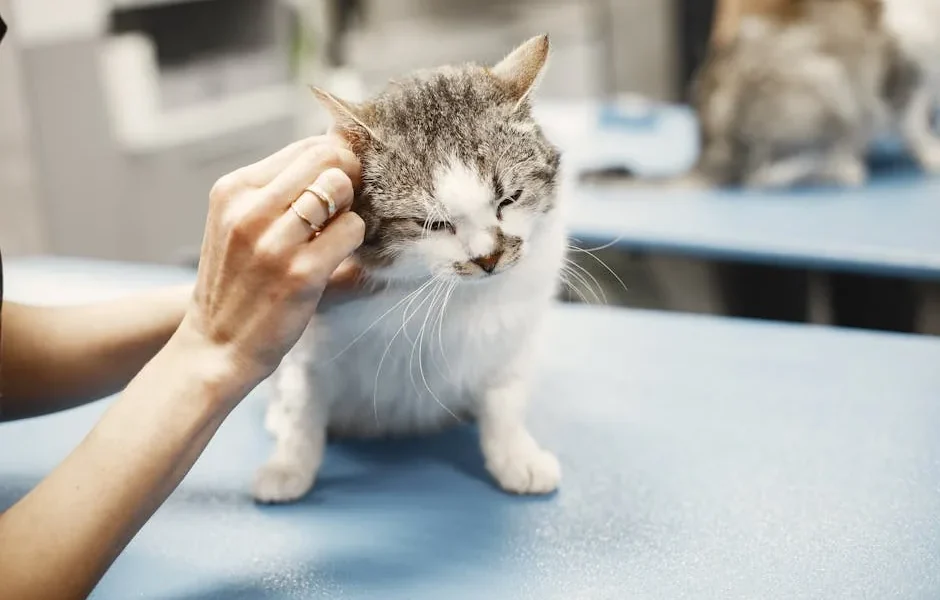
- Cats age about 4 human years for every calendar year after age 2. Health problems can develop quickly between yearly visits. Routine care helps find issues early.
- By age 3, up to 70-85% of cats have dental disease. About 30-40% of cats over 10 develop kidney disease. These problems are often found during wellness exams before symptoms show.
- Preventive care costs 3-10 times less than treating advanced disease. Routine exams find hidden illnesses that cats naturally hide as a survival instinct.
I’ll admit something: for years, I assumed my indoor cat Whiskers was invincible. She acted healthy and ate well. Her biggest health crisis seemed to be the occasional hairball.
Then I finally scheduled her first wellness exam in three years. The vet found early-stage kidney disease through routine bloodwork. She showed zero symptoms at home.
That wake-up call taught me an important lesson. Your cat’s routine vet visit matters more than you think. Preventive care isn’t just a clinical concept. It’s the difference between catching problems early and facing heartbreaking late-stage diagnoses.
If you’re like most cat owners, you probably assume your cat will let you know when something’s wrong. Unfortunately, that’s not how cats work.
The statistics are sobering. Only about 55-60% of pet cats in the U.S. receive regular veterinary care. That’s compared to over 80% of dogs. This gap in care has real consequences for our feline companions.
The Hidden Reality of Feline Aging and Disease
Here’s something that catches most cat owners off guard: your cat is aging much faster than you realize.
By the time your kitten celebrates their first birthday, they’re already like a 15-year-old human. At age 2? They’re like a 24-year-old adult. After that, each calendar year equals about four human years.
Think about what this means. If you skip two years of vet visits, your cat has aged eight human years without medical oversight. Would you go eight years without seeing your doctor? That’s the reality for cats who don’t receive annual wellness exams.
Why Cats Are Masters of Deception
Cats evolved as both predators and prey animals. In the wild, showing weakness meant becoming someone else’s dinner.
This survival instinct is hardwired into domestic cats. They instinctively hide pain, illness, and discomfort until they simply can’t anymore. By the time you notice symptoms at home, the disease has often progressed significantly.
Veterinarians are trained to detect the subtle signs your cat works so hard to conceal. A slightly elevated heart rate. A small mass during palpation. Early dental disease. Abnormal bloodwork values.
These findings during routine exams catch problems months or years before they become emergencies. As covered in our discussion of wellness exams, early detection fundamentally changes treatment outcomes and prognosis.
What Actually Happens During a Routine Wellness Exam
Many cat owners avoid vet visits because they’re not sure what to expect. Or they wonder whether the stress is justified. Let’s demystify the process.
A comprehensive feline wellness exam typically includes:
- Physical examination: Your vet will feel your cat’s abdomen checking for problems with organs, masses, or pain. They’ll listen to the heart and lungs. They’ll examine the mouth for dental disease. They’ll check eyes and ears. They’ll assess body condition and feel for lumps or skin issues.
- Weight and body condition assessment: Weight changes can signal thyroid issues, diabetes, or other metabolic problems.
- Behavioral and lifestyle discussion: Changes in appetite, water consumption, litter box habits, or energy levels provide crucial diagnostic clues.
- Vaccination review: Determining which vaccines your cat actually needs based on age, lifestyle, and previous vaccination history.
- Parasite prevention: Even indoor cats can be exposed to parasites through insects or if they escape outside.
- Bloodwork (when appropriate): Baseline values establish normal ranges for your individual cat. This makes future abnormalities easier to detect.
The entire exam typically takes 20-30 minutes. Your vet should explain findings and recommendations in plain language. They should never rush you through questions or concerns.
The Most Common Conditions Caught During Routine Exams
Dental Disease: The Silent Epidemic
By age 3, about 70-85% of cats show signs of dental disease. This isn’t just about bad breath.
Untreated dental disease allows bacteria to enter the bloodstream. This can cause infections in the heart, liver, and kidneys.
During wellness exams, vets assess dental health. They recommend cleaning before the disease becomes painful or systemic.
One client’s cat seemed perfectly fine at home. But her wellness exam revealed severe tooth resorption causing constant pain. After dental surgery, the owner said, “She’s like a kitten again—playing with toys she’d ignored for months. I had no idea she was hurting.”
Chronic Kidney Disease: The Stealthy Killer
Chronic kidney disease affects 30-40% of cats over age 10.
Kidneys are remarkably resilient organs. By the time symptoms appear, about 75% of kidney function has already been lost. Symptoms include increased thirst, weight loss, and vomiting.
Routine bloodwork detects kidney disease years earlier. It looks at markers like creatinine, BUN, and SDMA (a newer biomarker that catches kidney issues even sooner).
Early detection allows for dietary changes, hydration support, and medications. These can extend quality life by 2-3 years on average. The difference between catching kidney disease early versus late is profound.
Hyperthyroidism: The Great Imitator
Hyperthyroidism affects about 10% of senior cats. It causes weight loss despite increased appetite. It causes hyperactivity, vomiting, and behavior changes.
Left untreated, it damages the heart and other organs.
A simple blood test during a wellness exam identifies this condition. It’s highly manageable with medication, diet, or radioactive iodine therapy.
Heart Disease: The Silent Condition
Many cats have heart murmurs or early heart disease without any symptoms.
Veterinarians detect these during routine exams by listening carefully to the heart. Early diagnosis allows for monitoring and, when necessary, medications. These improve quality of life and longevity.
Diabetes: Increasingly Common
Feline diabetes is on the rise, particularly in overweight cats.
Caught early through bloodwork and urinalysis, diabetes can sometimes be reversed. Weight loss and dietary changes can help. If you’re concerned about your cat’s weight, check out our review of weight management tools that can help you track progress.
The Financial Reality: Prevention vs. Crisis
Let’s talk money. Veterinary costs are a legitimate concern for many pet owners.
A routine wellness exam typically costs $50-150. The cost depends on your location and whether it includes vaccinations. Senior wellness bloodwork adds $100-250. Annual preventive care for an adult cat usually runs $200-400 per year.
Now compare that to treating advanced disease:
- Emergency treatment for a urinary blockage: $1,500-3,000
- Managing advanced kidney disease: $3,000-5,000+ annually
- Diabetes management: $500-2,000+ annually
- Treating advanced dental disease: $800-1,500
- Emergency surgery for intestinal obstruction: $2,000-5,000
Preventive care costs 3-10 times less than treating advanced disease.
It’s not just about money, though. It’s about your cat’s quality of life and your peace of mind. Having organized health records also makes it easier to track preventive care and share information when needed.
Many veterinary practices now offer wellness plans. These bundle preventive services for a monthly fee. This makes routine care more budgetable. It’s worth asking your vet about these options.
Age-Specific Preventive Care: From Kitten to Senior
Kittens (Birth to 1 Year)
Kittens need frequent visits to complete vaccination series, spay/neuter surgery, and monitor growth.
These early visits also establish positive veterinary experiences. This makes future care easier. Baseline bloodwork before spay/neuter surgery ensures your kitten is healthy enough for anesthesia.
Adult Cats (1-7 Years)
Healthy adult cats should have annual wellness exams.
They may seem invincible during these years. But this is the time to establish baseline health values and catch any emerging issues early. Bloodwork every 2-3 years helps track trends.
Senior and Geriatric Cats (7+ Years)
Senior cats should have wellness exams every 6 months. This is due to their rapid aging and increased disease risk.
Comprehensive bloodwork and urinalysis should be performed annually or more frequently if issues are detected. These visits often include thyroid testing, blood pressure checks, and more thorough physical exams.
Reducing Vet Visit Stress: Making Wellness Care Easier
If your cat turns into a furry tornado at the sight of the carrier, you’re not alone. Vet visit anxiety is a major reason cats don’t receive regular care. But there are solutions.
Carrier Training
Leave the carrier out year-round as furniture. Feed treats inside it. Make it cozy with familiar bedding.
When the carrier only appears before vet visits, cats associate it with stress.
Fear-Free and Cat-Friendly Practices
Ask if your veterinary clinic is Fear-Free or Cat Friendly Practice certified.
These clinics use pheromone diffusers and gentle handling techniques. They have separate feline waiting areas. They understand that cats need different approaches than dogs. When looking for a new veterinarian, consider these steps for finding the right fit.
Pre-Visit Strategies
- Use calming pheromone sprays in the carrier 30 minutes before departure
- Cover the carrier with a towel during transport to reduce visual stimulation
- Schedule appointments during quieter times if possible
- Consider anti-anxiety medication for severely stressed cats (discuss with your vet)
- Request exam rooms immediately upon arrival rather than waiting in the lobby
Some cats do better with house-call veterinary services. These are increasingly available in urban areas. While typically more expensive, they eliminate transportation stress.
Indoor Cats vs. Outdoor Cats: Do They Need Different Care?
Yes and no. Indoor cats face lower risk of trauma, infectious diseases, and parasites. But they’re not immune to internal health problems.
Indoor cats still need:
- Core vaccines (rabies is legally required in most areas)
- Regular wellness exams to detect internal diseases
- Dental care
- Some parasite prevention (fleas and ticks can enter homes)
Outdoor and indoor-outdoor cats need more comprehensive vaccination protocols. They need consistent parasite prevention. Your vet will tailor recommendations based on your cat’s lifestyle and risk factors.
The Bloodwork Question: When and Why?
Many cat owners wonder if bloodwork is really necessary for a “healthy” cat. Here’s the thing: bloodwork reveals what physical exams can’t.
Baseline bloodwork should ideally be done in young adult cats. It establishes normal values for your individual cat. Not every cat has the same “perfect” numbers—some variation is normal. Having baseline values makes it easier to detect meaningful changes later.
Senior wellness panels include:
- Complete blood count (CBC) checking for anemia, infection, and blood cell abnormalities
- Chemistry panel evaluating kidney and liver function, blood sugar, proteins, and electrolytes
- Thyroid testing (T4) to screen for hyperthyroidism
- Urinalysis to assess kidney function and check for diabetes, infection, or crystals
These tests catch diseases months to years before symptoms appear. This is when interventions are most effective and least invasive.
Creating Your Cat’s Preventive Care Timeline
Here’s an actionable schedule based on current veterinary guidelines:
Kittens (8 weeks to 1 year):
- Visits at 8, 12, and 16 weeks for vaccines and deworming
- Spay/neuter at 4-6 months with pre-anesthetic bloodwork
- Final kitten visit around 1 year
Adults (1-7 years):
- Annual wellness exam
- Vaccine boosters as needed (typically every 1-3 years depending on vaccine type and lifestyle)
- Baseline bloodwork at least once, ideally around ages 2-4
- Bloodwork every 2-3 years if healthy
Seniors (7-11 years):
- Wellness exam every 6 months
- Comprehensive bloodwork and urinalysis annually
- Blood pressure screening
- Dental care as recommended
Geriatric (11+ years):
- Wellness exam every 6 months (or more frequently if health issues present)
- Comprehensive bloodwork every 6-12 months
- Regular monitoring of any chronic conditions
If your cat needs surgery at any age, proper preparation ensures the best outcomes.
When Supplements and Therapeutic Diets Enter the Picture
As cats age or develop health conditions, your vet may recommend supplements or therapeutic diets.
Early kidney disease might be managed with special kidney-support diets. Hyperthyroidism can sometimes be controlled through iodine-restricted food. Joint supplements can improve mobility in arthritic cats.
These interventions work best when implemented early. This is only possible through regular wellness care. If you’re curious about when supplements are beneficial or how to select therapeutic diets, we’ve covered those topics in detail.
The Role of Technology in Modern Preventive Care
Veterinary medicine is evolving rapidly.
Telemedicine has expanded access to veterinary advice for minor concerns and follow-up care. Physical exams remain essential for comprehensive wellness checks, though. Some practices now offer online portals where you can access records, lab results, and educational resources.
Advanced screening tests, like the SDMA kidney biomarker, detect disease earlier than traditional tests. These innovations make routine wellness care even more valuable. They’re only helpful if your cat actually gets to the vet to receive them.
The Bottom Line: Prevention Is Love
Every time I see Whiskers now—a senior cat who’s thriving on her kidney-support diet—I’m grateful for that wellness exam that revealed her hidden disease. She likely has years of quality life ahead because we caught it early. That wouldn’t have happened if I’d waited for symptoms.
Your cat depends on you to recognize what they can’t tell you. They can’t explain that their teeth hurt. They can’t say that they’re feeling more tired lately. They can’t mention that they’re drinking more water than usual.
Those routine vet visits you might see as optional? They’re actually your cat’s voice. They translate subtle physical signs into actionable health information.
Yes, vet visits cost money. Yes, they require time and effort. Yes, your cat might complain the entire way there (and probably the entire way home).
But in the veterinary world, we see preventable tragedies every day. These are cats who could have been helped if only we’d seen them sooner.
Final Thoughts
Why your cat’s routine vet visit matters more than you think: preventive care explained comes down to this simple truth.
Cats age faster. They hide illness better. They develop serious diseases more commonly than most owners realize.
Those annual (or biannual for seniors) wellness exams aren’t about vet profit margins or unnecessary procedures. They’re about catching treatable problems before they become heartbreaking diagnoses. They’re about extending both the length and quality of your cat’s life. They ultimately save you money while preventing suffering.
If your cat is overdue for a wellness exam, make that appointment today. If your senior cat isn’t on a twice-yearly schedule, talk to your vet about transitioning.
Bring your questions. Discuss your concerns. Don’t be embarrassed if your cat hasn’t been to the vet in years. What matters is getting back on track now.
Your future self (and your cat) will thank you for making preventive care the priority it deserves to be. And remember, if you ever face a health emergency, knowing when to seek immediate care can be lifesaving.
Sources & Further Reading
- American Association of Feline Practitioners — Comprehensive feline-specific veterinary guidelines and cat-friendly practice standards
- American Veterinary Medical Association — Pet owner resources, statistics on veterinary care utilization, and evidence-based health information
- <a href="https://www.vet.cornell.edu/departments-centers-and-institutes/cornell-feline-health
Medical disclaimer: This article is for educational purposes only and does not substitute professional veterinary advice, diagnosis, or treatment. Always consult a licensed veterinarian about your pet's health.