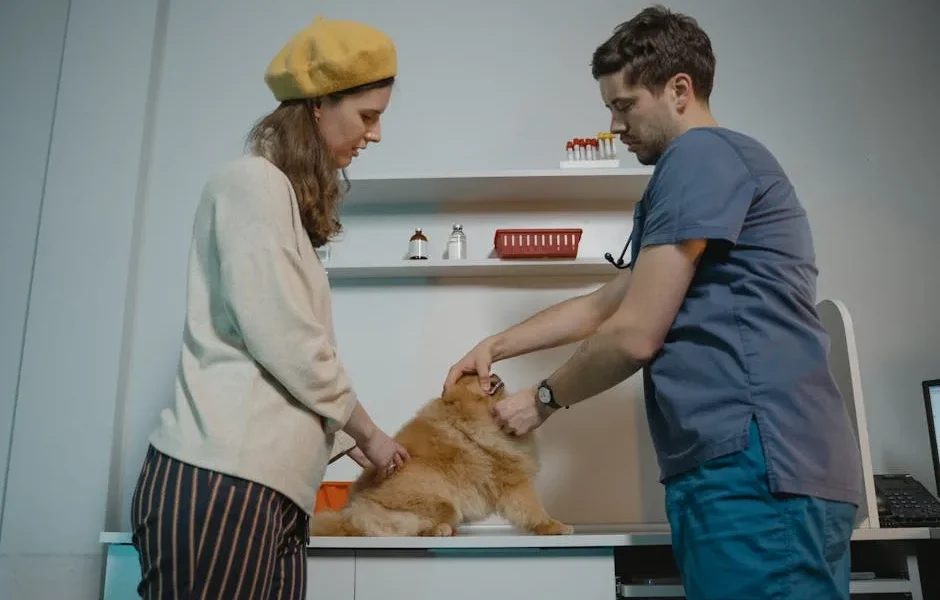
- Check vet credentials on your state’s veterinary board website. Look for AAHA accreditation. Only 15% of practices have it.
- Do a “trial visit” first. Try a nail trim or wellness check. See how they communicate. Check if the place is clean. Watch how staff treat animals.
- Ask about emergencies, specialists, and costs before you need them. This helps you avoid surprises later.
Moving to a new city is stressful. Worrying about your pet’s care makes it worse.
Many pet owners pick the first vet they find. They regret it later. Communication problems happen. Costs get too high.
How to Find a Trustworthy Vet in a New City: 9 Verification Steps (2025) is about more than just finding a name on Google. It’s about finding a good healthcare partner. This could save your pet’s life one day.
Things have changed in the vet world. New patients wait 2-4 weeks in many cities. Over 25% of practices are now owned by corporations. You need a plan to find the right fit.
Let me answer the most common questions pet owners ask.
How Do I Actually Verify a Vet’s Credentials and Licensing Status?
Start with your state’s veterinary board website. Every state has a public database. You can check if a vet’s license is valid. You can see if they have any complaints. You can make sure they’re in good standing.
This takes about five minutes. It answers basic questions about their qualifications.
But licensing is just the start. Look for AAHA accreditation next.
The American Animal Hospital Association only accredits about 15% of hospitals. Their standards are much higher than state requirements. They check anesthesia protocols. They review medical records. They look at pain management practices.
Check if the vet has extra certifications. Board-certified specialists complete tough residency programs. Regular vets might have advanced training too. They might know more about dentistry, skin problems, or exotic animals.
You can find this on the practice website. You can also ask when you call.
Read online reviews, but be smart about it. Studies show people post negative reviews three times more than positive ones. A few complaints don’t mean the care is bad.
Look for patterns instead. Do several people mention the same problems? How does the practice respond to criticism?
What Should I Look for During a Facility Tour or First Visit?
Ask for a quick tour before you book an appointment. Good practices will say yes. If they refuse or act uncomfortable, that’s a red flag.
During your visit, check the basics. Is the waiting room clean? Do you smell strong odors? That could mean poor cleaning.
Are sick animals separated from healthy ones? This prevents disease spread. It’s just as important as treatment.
Look at the equipment. Modern practices should have digital x-rays. They should have lab equipment on site. They should have proper sterilization tools.
You don’t need to see everything. But ask about their testing abilities. Do they send out samples for basic blood work? Or can they get results in hours during emergencies?
Watch how staff treat animals and people. Are they gentle and patient? Do they seem to know what they’re talking about?
Staff turnover is high in vet medicine. The job is stressful. But you want a team that works well together. You want people who really care about the animals.
Ask about medical records. Practices with digital records can share information easily. This helps if you need a specialist. It helps if you move again.
Since 2024, vet computer systems share information better. Ask if they can send records electronically to other vets.
What Questions Should I Ask About Emergency Care and After-Hours Support?
This might be the most important step. About 80% of pet owners don’t know where the nearest 24-hour clinic is. They only find out when they need it badly.
Ask your potential vet: “What happens if my pet has an emergency when you’re closed?”
Good practices have clear answers. Some handle their own after-hours emergencies. Others work with emergency hospitals. They should explain the process clearly.
Get specific contact information. Will you call the main number? Is there a separate emergency line?
Some practices now offer video calls after hours. These help you decide if something needs immediate care. Or if it can wait until morning.
Understand the costs too. Emergency vet care costs 2-3 times more than regular visits. Knowing this helps you plan. You might want to consider pet insurance.
Our guide on wellness exam costs versus emergency visit costs explains the money side.
Find out where the emergency clinic is. Save it in your phone. During a crisis, you don’t want to waste time searching.
Drive by the emergency clinic. Know exactly how to get there from your home.
How Can I Assess a Vet’s Communication Style and Philosophy?
Bad communication causes more unhappy clients than bad medical care. You need a vet who explains things clearly. One who welcomes questions. One who respects your role in decisions.
Book something simple first. Try a wellness check or nail trim. Pick something low-stress. This gives you time to evaluate.
Does the vet explain things in plain language? Do they use scare tactics to sell services? Or do they present options with clear pros and cons?
Ask about their approach to preventive care. Vaccine rules have changed. Research shows some vaccines work longer than we used to think.
A good vet stays current with new information. They don’t automatically recommend annual vaccines for everything.
Talk about topics that matter to you. Are you interested in combining different therapy types? Find out if they’re open to that.
Do you prefer evidence-based medicine only? Make sure they agree.
Notice if they actually listen. Do they interrupt you? Do they dismiss your concerns?
Or do they take time to understand your pet’s lifestyle? Do they consider your budget? Do they ask about your goals for your pet’s care?
The best vets treat you as a partner. Not just someone who signs forms.
What About Pricing Transparency and Payment Policies?
Vet care costs vary wildly. Sometimes by 50-150% between practices in the same city.
Routine exams might cost $50 to $250. It depends on the clinic type and location.
Ask for a fee schedule upfront. Good practices give written estimates for procedures. They clearly explain what’s included.
Several states passed laws in 2024-2025. These require cost estimates before procedures. But it’s not required everywhere yet.
Understand their payment rules. Do they require payment right away? Do they accept pet insurance?
Will they file claims directly? Or do you pay first and seek reimbursement? Do they offer payment plans through CareCredit or Scratchpay?
Subscription wellness plans have grown 40% since 2023. These bundle preventive care for a monthly fee. They include exams, vaccines, and parasite prevention.
If your new vet offers this, do the math. It might save you money compared to paying for each service separately.
Watch out for practices that won’t discuss costs. Or ones that make you feel guilty for asking. You have the right to understand what you’re paying for. And why.
Should I Verify Their Specialist Network and Referral Process?
Regular vets refer about 10-15% of cases to specialists. These are complex conditions. Your regular vet can’t be an expert in everything.
Knowing when to refer patients shows good judgment. It’s not a weakness.
Ask which specialists they work with regularly. Do they have relationships with board-certified surgeons? What about cancer doctors, heart doctors, or brain specialists?
How do they handle referrals? Do they send medical records ahead of time? Do they coordinate care? Or do they just give you a phone number?
Ask about their referral philosophy. Some practices welcome second opinions. Others get defensive. You want the first kind.
Before any major surgery or serious diagnosis, you should feel comfortable getting more input. Our surgery preparation guide talks about being fully informed before procedures.
Check if they use advanced diagnostic tools. Some progressive practices now use AI to read x-rays. This improves accuracy.
This technology came out in many practices between 2023-2024. It can catch things human eyes might miss.
What Red Flags Should Make Me Keep Looking?
Trust your gut. If something feels off, it probably is.
Dirty facilities are a dealbreaker. Vet medicine requires strict cleaning rules. Visible dirt, strong odors, or cluttered treatment areas show problems with basic standards.
Dismissive attitudes toward your questions are bad news. You know your pet better than anyone. If a vet brushes off your concerns, find someone else.
If they make you feel stupid for asking questions, leave.
Aggressive sales tactics are another warning sign. Yes, preventive care matters. Diagnostics help find hidden problems.
But if every visit turns into high-pressure sales, that’s not about medicine. It’s about money.
Long wait times beyond your appointment suggest poor planning. Occasional emergencies happen. They cause delays. But chronic lateness shows disrespect for your time.
Poor communication about test results is surprisingly common. It’s completely unacceptable. If your vet runs blood work and you don’t hear back, that’s a problem.
If you have to call repeatedly for results, that’s a systems failure. Important findings should be shared promptly and clearly. We discuss this in our article about what blood work actually reveals.
Refusal to provide medical records is both a red flag and potentially illegal. Your pet’s records belong to you. Any hesitation about transferring them suggests something to hide.
Final Thoughts
Finding a trustworthy vet takes more effort than picking the closest clinic. But it’s worth it.
The relationship you build now could determine outcomes during your pet’s next health crisis.
Take time to verify credentials. Tour facilities. Assess communication styles. Understand emergency protocols. Do this before you actually need them.
Start with that trial visit. Maybe just a nail trim or quick wellness check. Observe everything.
Watch the cleanliness. Notice the staff interactions. See how they handle your pet. Listen to how they explain things to you.
Check their credentials through your state veterinary board. Ask the hard questions about costs, emergencies, and specialist access.
And if something feels wrong, trust that feeling. Keep looking.
Your pet deserves a healthcare advocate. One who combines technical skill with genuine compassion. You deserve a partner who respects both your concerns and your budget.
For more guidance on managing your pet’s healthcare, check out our resources. Learn about maintaining digital health records. Understand emergency veterinary visits.
Sources & Further Reading
- American Veterinary Medical Association — Professional organization providing veterinarian licensing information, industry statistics, and find-a-vet resources
- American Animal Hospital Association — Accreditation standards, hospital search tool, and quality care guidelines for veterinary practices
- UC Davis School of Veterinary Medicine — Research updates, veterinary industry trends, and evidence-based practice information
- Veterinary Practice News — Industry developments, practice management insights, and emerging veterinary medicine technologies