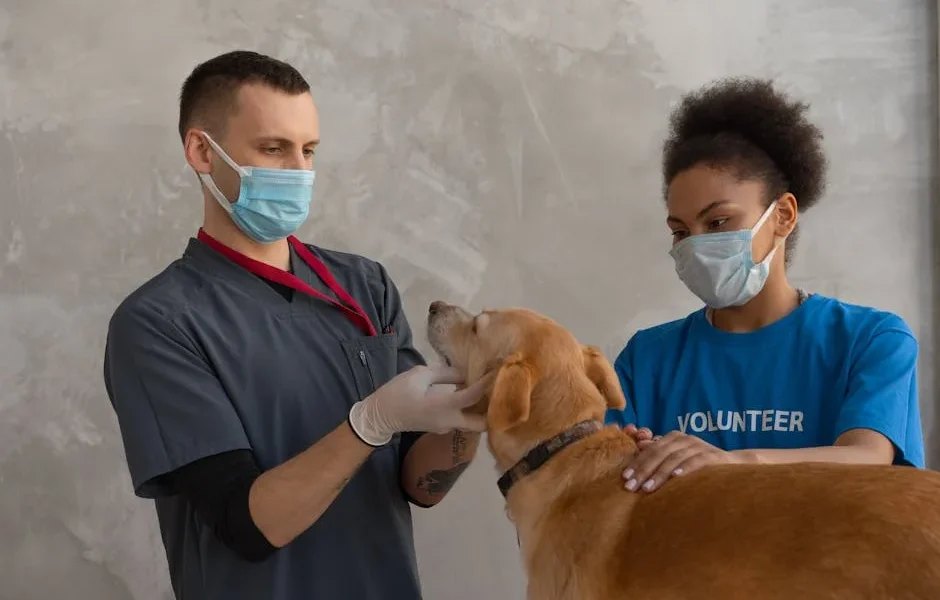
- Emergency vets use a triage system. The sickest pets go first. You may wait 1-4 hours if your pet is stable.
- You’ll need to pay a deposit upfront. This is usually 50-100% of the estimated cost. Typical emergencies cost $800-$1,500. Critical cases cost $2,000-$5,000 or more.
- Most emergency visits take 2-4 hours from start to finish. This includes triage, tests, treatment talk, and either going home or staying at the hospital.
I’ll never forget Mrs. Patterson’s face. She carried her Labrador, Bailey, through our emergency doors at 2 a.m. She looked terrified. Bailey had eaten chocolate. She had no idea what would happen next.
She kept asking, “What do I do? What happens now?” That’s when I knew. Most pet owners have no idea what to expect at an emergency vet.
Here’s the thing. Emergency vet visits aren’t like regular appointments. The process is totally different. It’s sometimes confusing. And it’s often expensive.
But knowing what’s coming helps. You can advocate better for your pet. You can keep your anxiety in check when every minute feels like an hour.
Before You Walk Through Those Doors
Call ahead if possible. I know that sounds obvious. But many people just show up.
Calling gives us a heads-up. We can prep a treatment space. We can have antidotes ready for toxicity cases.
Grab whatever you can that might help us:
- Any medications your pet takes (bring the actual bottles)
- Recent medical records if you have them
- A timeline of symptoms—when it started, what changed, what got worse
- The toxin packaging if your pet ate something (the chocolate box, the pill bottle, the plant)
- Your regular vet’s contact information
Don’t worry if you don’t have everything. We’ll figure it out. But these things speed up the process a lot.
Most of the time we can access your pet’s medical records online. But it’s not guaranteed at 3 a.m.
The Check-In: Yes, There’s Paperwork Even Now
You’ll hit the front desk first. Even in an emergency, there’s paperwork.
I know it feels wrong when your dog can’t breathe. But we need basic information. And we need financial information.
Most emergency clinics require a deposit upfront. Usually 50-100% of estimated costs. This catches people off guard.
We’re not being heartless. It’s just how emergency medicine works. The average emergency visit costs $800-$1,500. Critical cases cost $2,000-$5,000 or more.
Only about 43% of pet owners have pet insurance. Most people pay out of pocket.
If cost is a concern, say something right away. We work with financing companies like CareCredit and Scratchpay. Some clinics offer payment plans.
We need to know where things stand. Then we can have honest talks about options.
The Triage Assessment Happens Fast
While you’re doing paperwork, a vet tech does a quick check. They’ll take your pet to the back for vital signs.
They check temperature, heart rate, breathing rate, blood pressure, and oxygen levels. They also check for pain. They figure out how urgent your pet’s condition is.
We use a triage system. Just like human emergency rooms. It works like this:
- Critical: Seen right away (not breathing well, unresponsive, active seizures, severe bleeding)
- Urgent: Seen within 30 minutes (trouble breathing, severe pain, suspected bloat)
- Semi-urgent: Seen within 2 hours (vomiting, ate toxin but no symptoms yet, limping)
- Non-urgent: Stable, can wait (minor wounds, mild vomiting, ear infections)
This is why you might wait. A dog that arrived after yours might go back first. It’s not personal. It’s life-and-death math.
The Waiting Room: Where Time Stops
If your pet is stable enough, you’ll wait. And wait. Sometimes for hours.
This is the hardest part for owners. You’re scared. Your pet is suffering. And you’re stuck in a lobby watching other people’s dramas.
The wait can be 15 minutes to 4 hours. It depends on how busy we are. And how sick the other patients are.
Many emergency clinics now use text updates. Or apps to keep you informed. Some let you wait in your car. They text you when we’re ready.
The COVID pandemic actually improved this. We got better at remote communication when we had to.
Behind the scenes, we’re triaging constantly. New critical cases come in. Patients already in treatment crash. It’s controlled chaos back there.
We’re doing our best to get to everyone.
Finally: The Examination Room
When it’s your turn, you’ll meet the emergency vet. Policy varies by clinic. Many places now let owners stay with their pets during the initial exam. Some don’t.
Especially if we need to do procedures immediately.
I’ll be straight with you. I always want owners present if possible. You know your pet best. You can tell me what’s normal and what’s not.
But sometimes we need you to step out. If your pet is aggressive due to pain or fear. Or if we need to do something invasive right away.
The Diagnostic Phase
This is where things get expensive quickly. We’ll likely recommend:
- Bloodwork (checking organ function, blood cell counts, electrolytes)
- X-rays (looking for foreign objects, broken bones, bloat, fluid in the chest)
- Ultrasound (examining organs, looking for internal bleeding)
- ECG (if heart problems are suspected)
- Urinalysis (for kidney issues, bladder problems, toxins)
Every test costs money. I know it adds up fast.
But here’s the thing. We’re not trying to rack up charges. We’re trying not to miss something that could kill your pet.
Bloodwork reveals critical information we can’t get any other way.
That said, if budget is limited, tell us. We can sometimes do the most essential tests first. And make a plan from there.
The Treatment Discussion: Making Decisions Under Pressure
Once we have results, we’ll present options. This is where emergency medicine gets emotionally hard.
Sometimes there’s one clear path forward. Sometimes there are multiple options. With different price tags. And different odds of success.
I’ll give you the gold standard treatment. But I’ll also tell you about reasonable alternatives if cost is a factor.
You might need to make decisions quickly. That’s stressful, I know.
Ask questions. Ask us to repeat things if you’re overwhelmed. Ask about success rates. Ask what happens if you do nothing.
The most common emergencies we see. And their typical success rates with prompt treatment:
- Toxin ingestion: 90%+ survival with early treatment
- Bloat/GDV: 80-85% survival if treated within 6 hours
- Trauma: 70-80% depending on severity
Time matters. A lot. That’s why we push for decisions and treatment quickly.
Treatment and the Long Wait
Once treatment starts, you’re back to waiting. If your pet needs IV fluids, monitoring, or observation, you might not see them for hours.
We’ll update you periodically. But we’re busy back there actually treating patients.
Some pets need hospitalization. Usually 24-48 hours or longer. Others get treated and go home the same day.
It depends entirely on the condition. And how they respond to initial treatment.
Hospitalization vs. Going Home
We hospitalize pets who need:
- Continuous IV fluids or medications
- Monitoring every 2-4 hours
- Oxygen support
- Post-surgical care
- Conditions that could get worse quickly
If your pet goes home, you’ll get discharge instructions. Read them carefully.
We’ll explain medications. Activity restrictions. Feeding instructions. And warning signs that mean you need to come back immediately.
You’ll also need to follow up with your regular vet. Usually within 24-72 hours.
We’re emergency medicine. We stabilize and save lives. Your regular vet provides ongoing care and monitoring.
Think of it like the difference between an ER doctor and your primary care doctor. Both are essential. But different roles.
What About the Cost? Let’s Talk Numbers
The financial piece is real. It’s often the most stressful part after knowing your pet will survive.
According to current data, you’re looking at:
- Basic emergency exam and treatment: $800-$1,500
- Moderate emergencies requiring hospitalization: $1,500-$3,000
- Critical care cases: $2,000-$5,000+
- Surgical emergencies: $3,000-$7,000+
Pet insurance helps a lot. But even then, most policies require you to pay upfront. You get reimbursed later.
If you’re comparing coverage options, understand the difference. Between wellness coverage and emergency coverage. It can save you thousands.
Some emergency clinics work with rescue organizations. Or financial assistance programs. Ask if you’re truly stuck.
We’d rather help you find resources. Than have you decline treatment because of cost.
The Follow-Up: Your Responsibility Starts Now
Emergency vets stabilize. Your regular vet continues care. Don’t skip the follow-up appointment.
Watch for warning signs we mention in discharge instructions. Subtle signs of pain or distress can mean complications.
Call us back if something doesn’t seem right. We’d rather you call unnecessarily than wait too long.
Keep all medications in their original bottles. Follow dosing instructions exactly. Set phone reminders if needed.
Give the full course of antibiotics. Even if your pet seems better.
When to Come Back to Emergency vs. Wait for Regular Vet
Come back to emergency if:
- Your pet can’t breathe properly
- There’s uncontrolled bleeding
- Your pet collapses or can’t stand
- There’s a seizure lasting more than 3 minutes or multiple seizures
- Your pet’s gums are white, blue, or bright red
- There’s severe abdominal swelling (bloat)
- Your pet hasn’t urinated in 24+ hours
Wait for regular vet hours if:
- Your pet is eating, drinking, and acting relatively normal despite symptoms
- There’s mild vomiting or diarrhea with no blood
- Your pet has a small wound that’s not bleeding
- You want a second opinion on the emergency treatment plan
When in doubt, call. Most emergency clinics offer phone help. They can help you decide.
Some even have telemedicine options now. You can video chat with a vet before deciding whether to come in.
Finding the Right Emergency Facility Before You Need One
Don’t wait for an emergency to figure out where you’ll go. Research options now.
Different types of emergency facilities offer different levels of care.
Look for:
- Board-certified emergency vets (DACVECC credential)
- 24/7 availability with doctors on-site (not just techs)
- In-house diagnostics (bloodwork machines, X-ray, ultrasound)
- Relationship with specialists for referrals
- Clear payment policies posted on their website
Drive by the facility during the day. So you know where it is. And how to get there.
Save the phone number in your phone under “EMERGENCY VET.” So you can find it quickly at 2 a.m.
If you’re evaluating emergency clinics, read reviews. But take them with a grain of salt.
People who’ve just spent $3,000 and their pet died will leave angry reviews. Even if we did everything right.
Look for patterns in reviews. Not individual complaints.
Final Thoughts
Emergency vet visits are stressful. They’re expensive. And they’re unpredictable.
But they’re also where we save lives. Sometimes in dramatic fashion. Sometimes just by catching things before they become deadly.
Knowing what to expect won’t make the experience pleasant. But it’ll help you feel less lost in the chaos.
You’ll understand why you’re waiting. Why we’re recommending certain tests. And what your financial obligations are before you’re hit with a massive bill.
The best emergency vet visit is the one you never have to make. Preventive care and pet-proofing your home prevent many emergencies.
But when something does happen—and eventually something will—now you know what’s coming.
Research emergency clinics in your area now. Save their numbers. Consider setting aside an emergency fund or getting pet insurance.
Your 2 a.m. self will thank you for the preparation.
Sources & Further Reading
- American Veterinary Medical Association Emergency Care Resources — Comprehensive pet owner guidance on recognizing emergencies and what to expect during emergency veterinary visits
- Veterinary Emergency and Critical Care Society — Evidence-based information on emergency triage systems and critical care standards from the leading organization of board-certified emergency veterinarians
- ASPCA Animal Poison Control Center — Up-to-date statistics on toxin ingestion emergencies and treatment success rates
- VCA Animal Hospitals Emergency Care Overview — Detailed information on emergency visit procedures, costs, and what pet owners should prepare
- North American Pet Health Insurance Association — Current statistics on pet insurance ownership and emergency care costs