
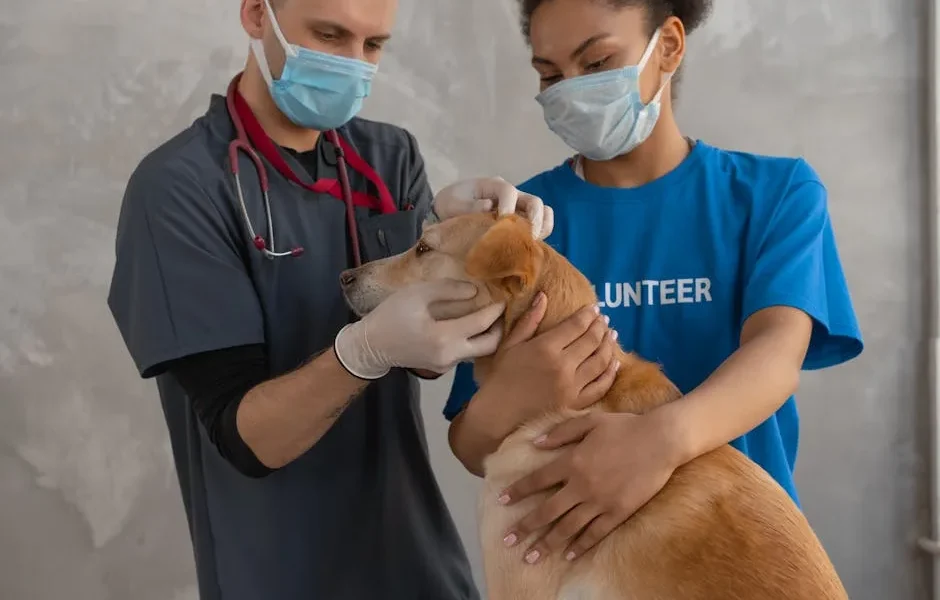
- Emergency vet clinics and 24-hour animal hospitals are very different. They have different staff, equipment, and services. Knowing which one your pet needs can save time and money.
- True 24-hour animal hospitals have specialists and full services all day and night. Emergency clinics often have regular vets working overnight shifts.
- Emergency visits cost 2-3 times more than regular visits. Critical care can cost over $5,000. Know your payment options and insurance coverage before an emergency happens.
It was 2 a.m. Sarah’s golden retriever, Max, started vomiting and wouldn’t stop. She grabbed her phone and searched for “emergency vet near me.”
She found two options. One was called “24-Hour Animal Hospital” and was fifteen minutes away. The other was “Emergency Vet Clinic” just seven minutes down the road.
She panicked. She had no idea which one to choose. She didn’t know the difference could affect Max’s care and cost her a lot of money.
This happens thousands of times every night across the country. Most pet owners don’t know there’s a big difference between emergency vet clinics and 24-hour animal hospitals.
They don’t find out until they’re standing in a parking lot at 3 a.m., desperate for help. This Emergency Vet Clinics vs 24-Hour Animal Hospitals: 2025 Guide to After-Hours Pet Care Options will tell you everything you need to know before an emergency happens.
Being prepared makes all the difference.
What Actually Makes Them Different?
Here’s a surprise: only 15-20% of vet practices offer true 24-hour services.
Most places that say “emergency care” are actually emergency-only clinics. They have limited overnight staff. They are not full-service hospitals running at full capacity all day and night.
The difference matters a lot.
The Staffing Difference
24-hour animal hospitals have special emergency vets on every shift. These vets are called board-certified emergency and critical care veterinarians (DACVECC).
They did extra years of training just in emergency medicine. They have full support teams with vet techs and radiologists.
They often have specialists in surgery, internal medicine, or heart care who can be called in.
Emergency clinics usually have regular vets working rotating overnight shifts. They are qualified vets. But they may not have special emergency training.
They may not have specialists on call right away like hospitals do.
An emergency vet told me something important. She said, “We can handle most emergencies well. But when a dog comes in with a ruptured spleen at 3 a.m., I have to call a surgeon who needs to drive in.”
She added, “At a 24-hour hospital, that surgeon might already be there with another case.”
Equipment and Diagnostic Capabilities
Both types of places will have X-ray machines, ultrasound, and basic lab tests.
But 24-hour animal hospitals usually have advanced imaging. This includes CT or MRI scanners. They have fully-equipped surgical rooms with special monitoring systems.
They have intensive care units with continuous patient monitoring.
Emergency clinics usually focus on stabilization. They diagnose the problem and give immediate treatment.
If your pet needs advanced surgery or special care, they will transfer you to a 24-hour hospital. Or they will refer you back to your regular vet when they open.
Neither approach is “wrong.” They serve different purposes.
When to Choose Which Facility
How do you decide where to go when your pet is in distress?
For trauma cases, go to a 24-hour hospital. This includes if your dog was hit by a car, fell from a high place, or was attacked by another animal.
These situations often need immediate surgery, advanced imaging, and intensive monitoring. Emergency clinics may not offer these on-site.
The same goes for certain medical emergencies like bloat. Bloat is also called gastric dilatation-volvulus. It requires immediate surgery.
Does your large-breed dog have a swollen belly? Is he trying to vomit but nothing comes up? Does he seem restless or in pain?
You need the most complete facility available. Minutes matter with bloat.
For poisoning, severe allergic reactions, or sudden illness, an emergency clinic can often give excellent care. This is true if your pet is stable but clearly needs immediate attention.
They will assess the situation, run tests, and provide treatment.
If you’re dealing with a potential allergic reaction, know the signs of anaphylaxis beforehand. This helps you communicate clearly with the triage nurse.
Still not sure? Call ahead. Most facilities now offer phone triage.
Call and describe the symptoms. They will tell you whether to come in right away. Or they will tell you if the situation might be okay until morning.
This practice has increased by 60% since 2023. Many clinics now partner with telemedicine services for symptom assessment.
Our guide on when to rush versus when to wait can help you make these decisions before panic sets in.
The Cost Reality (And Why It Matters)
Let’s talk money. Emergency care is expensive no matter which facility you choose.
Average emergency visits cost $800 to $1,500. That’s before any major procedures.
Critical care can easily cost over $5,000.
These costs are typically 2-3 times higher than regular appointments. There’s a reason for this.
Emergency facilities maintain expensive equipment and specialized staff. They stay open 24/7 even during slow periods.
24-hour hospitals generally cost more than emergency clinics for the same problem. This is because of their better capabilities and specialist staff.
But here’s the thing: if your pet needs care an emergency clinic can’t provide, you’ll pay for stabilization there. Then you’ll also pay for transfer and treatment at a hospital anyway.
Payment Options You Should Know About
Most emergency facilities require payment in full when you get service. I know it’s stressful. But there are options:
CareCredit and ScratchPay are healthcare financing services. Many facilities accept them.
You can often get approved within minutes, even during overnight hours. Payment plans range from 6 to 24 months.
Pet insurance can be a lifesaver. But here’s what you need to know.
Most policies require you to pay upfront. Then you submit claims for payment back later.
According to the North American Pet Health Insurance Association, 40% of pet insurance claims involve emergency or after-hours visits. Payment back rates are typically between 70-90% depending on your policy.
Some facilities offer in-house payment plans. These are becoming less common. This is especially true at corporate-owned chains.
It doesn’t hurt to ask, though.
Subscription emergency services are a newer option. They launched in 2024.
For $30-50 per month, some companies offer priority access to emergency care. They also offer discounted visits.
Do you have a breed prone to emergencies? This includes flat-faced dogs and large-breed puppies at risk for bloat. These might be worth investigating.
Geographic Realities Nobody Talks About
Here’s an uncomfortable truth. Where you live dramatically affects your emergency care options.
Urban areas average one emergency facility per 50,000 people.
In rural areas, you might be looking at a 30+ mile drive to the nearest 24-hour care.
I’ve known pet owners in remote areas who keep their regular vet’s emergency protocol. This might involve driving to a facility 45 minutes away. Or even traveling to the nearest university veterinary teaching hospital.
If you live somewhere with limited options, planning ahead is critical.
Identify your closest emergency facility and a backup option. Save addresses and phone numbers in your phone.
During a crisis, you don’t want to squint at Google Maps trying to figure out which route to take.
When you’re choosing your regular veterinarian, ask about their after-hours protocol.
Some practices have arrangements with specific emergency facilities. This can make it easier to transfer medical records and information.
The Medical Records Gap
Speaking of records—this is something that frustrates both vets and pet owners.
Only 35% of emergency clinics automatically share records with your primary vet.
That means if Max gets treated for poisoning at 3 a.m., your regular vet might not know about it. They might not find out when you bring him in for his annual exam six months later.
24-hour hospitals with integrated systems do better. They have about 75% transfer rates. But that still leaves a gap.
This fragmentation can lead to duplicate testing, medication interactions, or missed diagnoses.
Your best defense? Request copies of all emergency records. Bring them to your next regular vet appointment.
Better yet, ask the emergency facility to fax or email records directly to your primary vet. Most will do this if you ask.
Our article on transferring pet medical records has strategies for ensuring continuity of care.
Red Flags and Quality Indicators
Not all emergency facilities are equal. How do you check quality before you need them?
VECCS certification is a gold standard. This stands for Veterinary Emergency and Critical Care Society.
Facilities with this accreditation meet tough standards for equipment, staffing, and procedures. It’s not required, but it’s a strong sign of quality commitment.
When you’re evaluating a facility, you should visit before an emergency if possible. Look for:
- Clean, well-organized waiting and treatment areas
- Clear communication about wait times and triage procedures
- Posted information about which specialists are available and when
- Transparent pricing information (at least rough estimates for common emergencies)
- Staff who answer questions patiently, even during busy times
If you’re checking out a new facility, the same principles apply. They come from our guide on evaluating vet clinics.
Trust your gut about professionalism and communication.
The Veterinary Shortage Impact
Here’s a trend affecting emergency care right now. There’s a 15% vacancy rate for emergency vet positions as of late 2024.
Some facilities that previously operated true 24-hour services have reduced hours. They now have limited overnight hours.
This shortage means longer wait times. This is especially true for non-critical cases.
Emergency facilities triage based on how serious the problem is. Does your dog ate something questionable but is otherwise acting normal?
You might wait 1-3 hours. Truly critical cases get seen first. This includes difficulty breathing, severe trauma, and seizures.
It’s frustrating when you’re worried about your pet. But it’s necessary. The dog having a seizure really does need to be seen before the dog with a minor limp.
The shortage has also accelerated consolidation. Corporate chains like Mars Petcare and NVA have been buying independent emergency clinics.
This standardizes procedures but has raised concerns about increasing costs.
Between 2024 and 2025, this trend has intensified. In some regions, 30-40% of independent practices have been acquired.
New Technology and Alternative Options
Emergency care is changing beyond just physical facilities.
AI triage tools launched in 2024-2025. They offer symptom checkers that help you assess urgency before driving to a clinic.
Are they perfect? No.
Should you rely on them for truly scary symptoms? Absolutely not.
But for gray-area situations—”My dog is limping but otherwise seems fine”—they can provide helpful guidance.
Telemedicine emergency triage has also exploded. Services like Pawp and Vetster connect you with licensed vets via video chat within minutes.
They can’t provide hands-on treatment. But they can help you determine whether you need to rush to an emergency facility. Or they can tell you if the issue can wait until morning.
Some situations genuinely can wait. Does your pet have a minor issue during evening hours? Does your regular vet have urgent care appointments the next morning?
That might be a better option than emergency care. It’s also more affordable.
The key is getting professional guidance to make that call.
What to Ask When You Call Ahead
If your pet needs emergency care, call ahead. This serves two purposes.
You get triage advice. And the facility can prepare for your arrival if it’s truly urgent.
Questions to ask:
- “Do you have a veterinarian currently on-site?” (Some emergency clinics have only techs overnight. They have vets on-call.)
- “What’s the current wait time for [describe your pet’s condition]?”
- “Do you have [specific capability] available right now?” (surgical room, specific imaging, blood transfusion capabilities)
- “What are your payment options? Do you accept CareCredit/ScratchPay?”
- “If you can’t handle this case, where would you transfer us?”
That last question is crucial. If they would need to transfer your pet to another facility anyway, you might want to go directly to that facility instead.
Planning Ahead: Your Emergency Action Plan
The best time to research emergency care options is right now. Not at 2 a.m. when your pet is sick.
Create a simple emergency contact list on your phone:
- Primary vet with their emergency protocol
- Nearest emergency clinic with address and phone number
- Nearest 24-hour animal hospital
- Backup options if the first two are full or closed
- Poison control hotline (ASPCA: 888-426-4435)
Does your pet have ongoing health conditions? Keep a summary document with their medical history, current medications, and known allergies.
If you’re already dealing with something serious like chemotherapy for your pet, that information becomes even more important during emergencies.
Consider visiting your local emergency facilities during business hours. Introduce yourself. Ask for a tour if they offer them.
Get a feel for the environment. It’s much less stressful to check out a facility when you’re not worried about your sick pet.
The Follow-Up Care Coordination Challenge
Emergency care doesn’t end when you leave the facility.
You’ll receive discharge instructions. Read them carefully, even if you’re exhausted.
Ask questions about:
- Medication schedules and potential side effects
- Activity restrictions
- Warning signs that require a return visit
- When to follow up with your regular vet
- Whether they’ve already contacted your regular vet or if you need to do that
Most emergency facilities give you medications to get you through the next few days. But you might need to fill prescriptions for longer-term medications through your regular vet or a veterinary pharmacy.
Schedule that follow-up appointment with your regular vet before you leave the emergency facility if possible.
They’ll want to see your pet within a few days. They want to make sure recovery is going well. They will integrate the emergency treatment into your pet’s overall care plan.
Special Considerations for Chronic Conditions
Does your pet have ongoing health issues? Emergency care becomes more complex.
Pets with chronic conditions need emergency vets who understand their baseline health. They need to know current treatment plans.
This is where having medical records readily available becomes absolutely critical.
Keep a folder—physical or digital—with recent bloodwork, medication lists, and treatment plans.
Is your pet on a special diet? This includes those following homemade pet food plans for health reasons. Mention this to emergency staff.
It might affect treatment decisions or dietary recommendations during recovery.
Understanding your pet’s nutritional needs also helps you make informed decisions. This includes decisions about feeding after emergency treatment.
Final Thoughts
The difference between emergency vet clinics and 24-hour animal hospitals comes down to scope, staffing, and capabilities.
It’s not necessarily about quality of care. Both serve vital roles in pet healthcare.
Understanding which facility type matches your pet’s emergency needs is important. Combine this with advance planning and clear communication.
This gives you the best chance of a positive outcome when crisis strikes.
Don’t wait for an emergency to research your options.
Spend an hour this week identifying the emergency facilities in your area. Save their contact information. Create that emergency action plan.
Talk to your regular vet about their after-hours recommendations.
Do you have pet insurance? Review what emergency care coverage you actually have.
Don’t have pet insurance yet? Consider whether it makes financial sense for your situation. This is especially true if you have a young pet or a breed prone to emergencies.
Being prepared won’t prevent emergencies from happening. But it will help you handle them with confidence rather than panic.
Sources & Further Reading
- American Veterinary Medical Association — Emergency care standards, workforce statistics, and geographic distribution data
- Veterinary Emergency and Critical Care Society — Professional standards, facility accreditation guidelines
Medical disclaimer: This article is for educational purposes only and does not substitute professional veterinary advice, diagnosis, or treatment. Always consult a licensed veterinarian about your pet's health.