
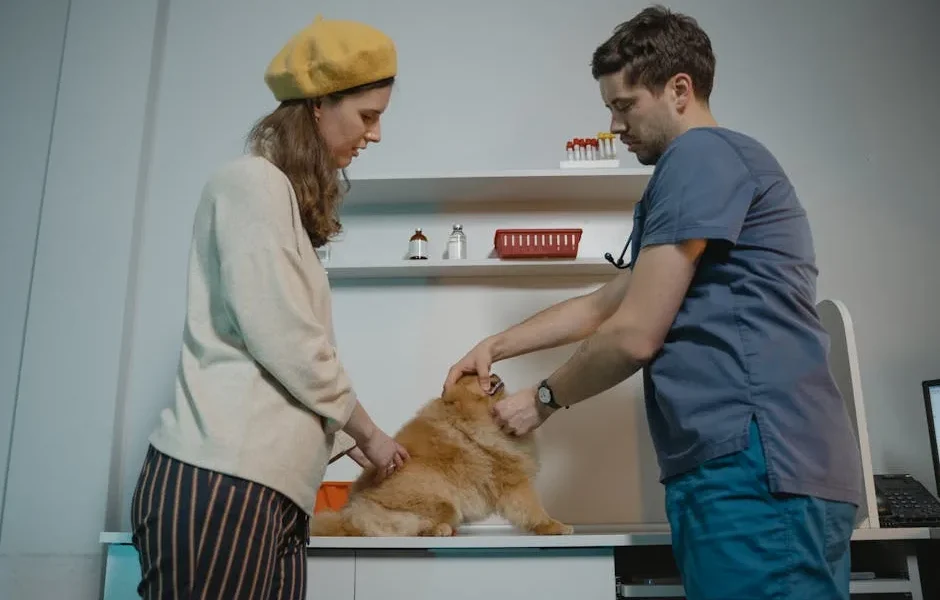
- True pet emergencies requiring immediate care include difficulty breathing, bloat/GDV, urinary blockage, severe bleeding, collapse, seizures lasting over 5 minutes, and known toxin ingestion—these conditions worsen rapidly without treatment.
- Many concerning symptoms like single vomiting episodes, mild limping, or decreased appetite can safely wait until morning if your pet is otherwise alert and responsive, saving unnecessary emergency costs averaging $800-$1,500 per visit.
- Use the ABC assessment (Airway, Breathing, Circulation) plus consciousness level to quickly triage at home, and consider 24/7 telehealth triage services now covered by most pet insurance to help determine urgency before rushing to the ER.
Three a.m. Your dog’s been vomiting. Your cat’s limping. Your puppy ate something questionable. Do you rush to the emergency vet right now, or can it wait until your regular veterinarian opens in the morning? This is the question I’ve heard thousands of times during my 15 years in emergency and critical care medicine—and honestly, it’s one of the most anxiety-inducing decisions pet owners face. When to Rush vs. When to Wait: A Pet Owner’s Guide to Emergency Veterinary Decisions is something every pet owner should understand, especially since 67% of pet emergencies happen outside regular veterinary hours when the decision becomes even more complicated.
Here’s what makes this decision so tough: Only about 35% of pet owners can correctly identify life-threatening symptoms. Meanwhile, the average emergency visit costs $800-$1,500 compared to $50-$250 for routine care. The financial pressure is real, but so is the risk of waiting too long. I’ve seen pets whose lives were saved because their owners acted within that critical “Golden Hour,” and I’ve also seen unnecessary panic over conditions that could’ve waited. Let me walk you through the true emergencies and the can-wait situations so you can make informed decisions when your pet needs you most.
1. Difficulty Breathing or Choking: Always Rush Immediately
If your pet is struggling to breathe, making choking sounds, gasping, or has blue-tinged gums, this is a drop-everything emergency. I’m talking about visible chest effort with little air movement, open-mouth breathing in cats (which is never normal), or any situation where your pet seems panicked about getting air. These cases deteriorate within minutes, not hours.
Don’t wait to see if it improves. Airway compromise can result from foreign objects, severe allergic reactions, heart failure, asthma attacks in cats, or trauma. The treatment window is incredibly narrow—brain damage from oxygen deprivation starts within 3-5 minutes. I’ve had dogs come in with tennis balls lodged in their throats who wouldn’t have survived another 10 minutes of delay.
While transporting, keep your pet as calm as possible (stress increases oxygen demand), ensure nothing is wrapped around their neck, and drive safely but quickly. If you see an obvious foreign object you can safely remove without pushing it deeper, do so—but don’t waste time trying if it’s not immediately accessible.
2. Bloat/GDV in Dogs: A True Life-or-Death Race
If your dog’s abdomen suddenly becomes distended and hard like a drum, and they’re retching without producing anything, acting restless, drooling excessively, or seems painful when you touch their belly—you’re potentially looking at gastric dilatation-volvulus (GDV). This condition is almost exclusively seen in deep-chested, large-breed dogs, and it’s one of the few true veterinary emergencies where every minute literally counts.
Without treatment within a few hours, mortality rates reach 50-70%. With prompt surgical intervention, we can get that down to 15-25%. The stomach has twisted on itself, cutting off blood supply and causing rapid shock. I cannot overstate the urgency here—I’ve never seen a case of true GDV where “waiting until morning” was the right call.
While driving to the ER, don’t try to make your dog vomit or give them anything by mouth. Keep them as still as possible. If you own a high-risk breed (Great Dane, Standard Poodle, German Shepherd, Weimaraner, Irish Setter, etc.), familiarize yourself with these symptoms now. This isn’t the time for second-guessing. If you even suspect bloat, you need to be in the car heading to emergency care within minutes of recognizing symptoms.
3. Urinary Blockage: More Common (and Dangerous) Than You Think
Male cats are particularly prone to urinary blockages, and this is genuinely life-threatening within 24-48 hours. Signs include straining in the litter box with little or no urine production, crying when attempting to urinate, lethargy, vomiting, or hiding. Many owners mistake this for constipation—it’s not. If your male cat is straining repeatedly and you’re not seeing urine output, this needs immediate attention.
A blocked bladder causes toxins to build up rapidly in the bloodstream, leading to kidney failure, dangerous heart rhythms from potassium imbalances, and eventually death. I’ve seen cats go from “seems uncomfortable” to critical condition requiring intensive care within 12 hours of complete blockage. The treatment is relatively straightforward when caught early—we pass a urinary catheter, flush the bladder, and manage the underlying cause—but delayed treatment turns a manageable emergency into a life-threatening crisis requiring days of hospitalization.
Female cats and dogs can also develop blockages, though it’s less common. Any pet repeatedly straining to urinate without success needs same-day evaluation at minimum. If it’s happening at night and your pet seems distressed, don’t wait until morning. If you’ve been considering understanding your cat’s urinary health, this is exactly why early intervention matters.
4. Seizures: Context Determines Urgency
Seizures are terrifying to witness, but the urgency depends on several factors. If your pet has a single seizure lasting less than 2-3 minutes and then recovers relatively normally within 15-30 minutes, you can typically wait until morning for veterinary evaluation—though you should definitely get them checked out that day. However, if seizures last longer than 5 minutes, occur in clusters (multiple seizures within a few hours), or your pet doesn’t regain consciousness between seizures, you’re looking at status epilepticus—a true emergency.
First-time seizures in adult pets also warrant quicker evaluation than seizures in a pet with known epilepsy who’s otherwise stable. Puppies or kittens seizing need immediate attention, as do older pets experiencing their first seizure, since this often indicates something serious like a brain tumor, toxin exposure, or metabolic crisis.
During a seizure, don’t try to hold your pet’s tongue or put anything in their mouth—they won’t swallow it, and you’ll get bitten. Clear the area of objects they could hurt themselves on, keep them away from stairs, note the time the seizure started, and record what you observe on your phone if possible. This information is incredibly valuable for diagnosis. If the seizure continues past 5 minutes or they have another one, you need emergency care immediately.
5. Known Toxin Ingestion: Timing Is Everything
Your dog just ate a chocolate bar, raided the medication cabinet, or got into the xylitol-containing peanut butter. What now? This is where timing and type matter enormously. For many toxins, there’s a narrow window where we can induce vomiting and prevent absorption—typically within 1-2 hours of ingestion. After that, the toxin is already in the system and we’re managing effects rather than preventing them.
Call the Pet Poison Helpline (855-764-7661) or ASPCA Animal Poison Control (888-426-4435) immediately—yes, there’s a fee, but they’ll calculate whether the dose your pet ingested is actually dangerous and provide specific treatment protocols. For example, chocolate toxicity depends entirely on the type (baker’s chocolate vs. milk chocolate), the amount, and your pet’s size. A 70-pound Lab who ate two milk chocolate chips? Not an emergency. A 10-pound dog who ate a dark chocolate bar? Absolutely rush.
Some toxins require immediate emergency care regardless of timing: antifreeze (ethylene glycol), xylitol in any amount for dogs, grapes/raisins, rat poison, lilies for cats, and human medications like ibuprofen or acetaminophen. Don’t wait to see if symptoms develop with these—by the time symptoms appear, significant internal damage has often occurred. And please, bring the packaging or plant with you to the ER so we can identify exactly what we’re dealing with. If you’re concerned about the costs of emergency treatment, understanding typical emergency care expenses can help you prepare financially.
6. Severe Bleeding or Trauma: Assess the Volume and Location
Not all bleeding is an emergency, but some absolutely is. If blood is spurting, the bleeding won’t stop after 5 minutes of direct pressure, it’s coming from the chest or abdomen, or there’s significant blood volume loss (pooling, soaking through multiple towels), you need emergency care now. The same goes for obvious trauma like being hit by a car, falling from height, or large dog attacks—even if your pet seems “okay” afterward.
Here’s what many pet owners don’t realize: Pets are remarkably good at hiding internal injuries. I’ve seen dogs trotting around normally after being hit by a car, only to collapse an hour later from internal bleeding. The adrenaline response masks pain and severity initially. Any significant trauma event warrants immediate evaluation, even if external signs seem minimal.
For minor bleeding—small cuts, torn nails, or minor bite wounds—apply direct pressure with clean gauze or a towel for 5-10 minutes without lifting to check (every time you peek, you restart the clotting process). If bleeding stops and the wound is small, you can typically clean it at home and schedule a next-day vet visit. But if you’re soaking through the bandage, if the wound is deep or gaping, or if it’s over a joint, that needs professional attention promptly. Deep wounds often require surgical closure within 6-8 hours for best results.
7. Collapse or Inability to Stand: Never a “Wait and See” Situation
If your pet suddenly collapses, can’t get up, or is unresponsive, you’re looking at a critical emergency regardless of the underlying cause. This could indicate anything from heart disease to internal bleeding to toxins to neurological events—none of which should wait. Even if they seem to recover after a few minutes, something caused that collapse, and it’s likely to happen again or worsen.
I particularly worry about collapse in large-breed dogs, as this can signal splenic tumors that have ruptured and are bleeding internally. The dog may seem okay after the initial collapse (the bleeding temporarily stops), only to collapse again when the tumor rebleeds—at which point they’re in much worse shape. These cases need immediate ultrasound and often emergency surgery.
Sudden rear leg weakness or paralysis, especially in dogs, can indicate intervertebral disc disease (IVDD) or other spinal emergencies. The faster we address these, the better the prognosis for regaining function. Waiting even 12-24 hours can mean the difference between walking again and permanent paralysis. If your pet’s back legs suddenly aren’t working right, this is a rush situation, not a wait-until-morning situation.
8. Vomiting and Diarrhea: Context Makes All the Difference
This is probably the most common “should I rush or wait?” question I get, and the answer depends entirely on the context. A single vomiting episode in an otherwise normal, alert pet? Not an emergency—you can wait until morning if it doesn’t continue. But vomiting combined with lethargy, abdominal pain, bloating, or repeated attempts that produce nothing—that changes everything.
Red flags that move vomiting/diarrhea into emergency territory include: blood in vomit or stool (especially if it’s significant), signs of pain, inability to keep down any water, lethargy or weakness, known foreign body ingestion, puppies/kittens (who dehydrate much faster), or symptoms lasting more than 24 hours with no improvement. Also consider your pet’s overall health—vomiting in a diabetic pet or one with kidney disease is more concerning than in a young, healthy dog.
For mild, isolated GI upset, you can try withholding food for 6-8 hours (but not water—keep them hydrated), then offering small amounts of bland food. If your pet remains bright, alert, and is keeping down water, it’s reasonable to monitor overnight and call your regular vet in the morning. But trust your gut—if something feels very wrong, it probably is. GI emergencies like intestinal blockages or pancreatitis often start with vomiting that seems “normal” initially but progressively worsens.
9. Eye Injuries: Don’t Gamble With Vision
The eyes are one area where I lean heavily toward “when in doubt, get checked out sooner.” Any obvious trauma to the eye, suddenly squinting with eye discharge, visible cloudiness or redness, prolapsed eye (it looks like it’s bulging out), or your pet pawing frantically at their face—these warrant prompt attention. Many eye conditions can progress from “treatable” to “permanent vision loss” within 24-48 hours.
Corneal ulcers, glaucoma, and eye injuries are incredibly painful and time-sensitive. While they’re rarely life-threatening, they’re definitely sight-threatening. If it’s the middle of the night and your pet’s eye looks abnormal but they’re otherwise comfortable and not in obvious distress, you might reasonably wait until morning—but first thing in the morning, not “whenever you can fit it in.” For severe trauma, vision loss, or obvious agony, don’t wait.
One exception: Mild conjunctivitis (pink eye) with some discharge but no pain and no cloudiness of the eye itself can typically wait for a regular appointment. You’ll see redness and some goopy discharge, but your pet won’t be squinting or avoiding light. That said, “true emergency” versus “urgent but can wait until morning” versus “schedule an appointment this week” represents a spectrum with eye issues—when uncertain, err on the side of earlier evaluation.
10. Heat Stroke: Minutes Matter in Summer Emergencies
Heat stroke is one emergency where the immediate actions you take at home matter as much as getting to the ER. If your pet has been in a hot environment (car, unshaded yard, even just a hot walk), and is now panting excessively, drooling, seems wobbly, has dark red gums, or is collapsing—start cooling them immediately while someone else drives you to emergency care.
Use room-temperature or cool (not ice-cold) water on their paws, belly, and armpits. Place them in front of a fan. Offer small amounts of water if they’re conscious and can drink. Don’t submerge them in ice water—this causes the surface vessels to constrict, which actually traps heat inside and can trigger shock. Your goal is to gradually lower their body temperature while getting them to professional care.
Heat stroke causes multi-organ failure, brain swelling, and DIC (disseminated intravascular coagulation—a catastrophic clotting disorder). Even pets who seem to recover after cooling can deteriorate 24-48 hours later from delayed organ damage. Every case of heat stroke needs emergency veterinary evaluation and monitoring, even if your pet seems better after cooling. This is especially true for brachycephalic breeds (Bulldogs, Pugs, etc.), who are at higher risk and may need more aggressive intervention.
When It Can Wait Until Morning: The “Monitor Closely” List
Let’s talk about the flip side—conditions that seem alarming but can reasonably wait for your regular vet when it opens, saving you that $800-$1,500 emergency fee. I’m not suggesting you ignore these symptoms, but rather that you monitor them overnight and get your pet checked the next day (not next week—next day).
Mild limping in a pet who’s otherwise acting normally can typically wait, especially if you know they overexerted themselves at the dog park. Small wounds that have stopped bleeding, mild diarrhea without blood or other symptoms, decreased appetite for less than 24 hours, occasional coughing or sneezing without respiratory distress, and minor skin irritations—these all fall into “monitor and schedule a vet visit” rather than “rush to ER at midnight.”
The key phrases here are “otherwise acting normally” and “mild.” If that limp is accompanied by crying out in pain, complete refusal to use the leg, or your pet seems distressed, bump it up to urgent care. If the decreased appetite is in a small breed dog (who can develop low blood sugar), a diabetic pet, or continues beyond 24 hours, move it up the priority list. The “wait until morning” category requires that your pet is still alert, responsive, and relatively comfortable—just not completely normal. Trust your baseline knowledge of your pet’s personality. If something feels significantly off beyond the specific symptom, err toward getting checked sooner. And if you’re ever questioning whether your current veterinarian is right for these situations, consider reading about when it might be time for a change.
Using Telehealth Triage: The Modern Middle Ground
One of the best developments in veterinary medicine has been the expansion of telehealth services for triage—and as of 2024, most major pet insurance companies now cover these consultations. Services like Fuzzy, Pawp, Vetster, and others offer 24/7 access to licensed veterinarians who can help you determine whether your situation truly needs immediate ER care, can wait until morning, or might be managed at home.
These virtual consultations typically cost $30-$50 if you’re paying out of pocket, but that’s a bargain compared to an unnecessary middle-of-the-night ER visit. You can describe symptoms, show the vet your pet via video, and get professional guidance on urgency. The veterinarian can’t diagnose definitively without physical examination and diagnostics, but they can tell you whether what they’re seeing/hearing warrants emergency care.
Have this information ready when you call: your pet’s age, breed, weight, current medications, the specific symptoms you’re observing, when they started, and any relevant history. Be prepared to check your pet’s gum color (should be pink, not white or blue), capillary refill time (press on the gums and see how quickly the color returns—should be less than 2 seconds), and heart/respiratory rate if possible. This information helps the consulting vet assess severity remotely. Just remember—telehealth is a triage tool, not a replacement for in-person emergency care when it’s truly needed. If the triage vet says go to the ER, go to the ER.
The Financial Reality: Making Decisions When Money Matters
Let’s address the elephant in the room—emergency veterinary care is expensive, and not everyone has $1,500 sitting around for a middle-of-the-night vet visit. This creates an agonizing dilemma when you’re trying to decide if something can wait. I’ve been in emergency medicine long enough to know that financial limitations are real, and pretending they don’t factor into decision-making is naive.
Here’s my honest take: For the true life-threatening emergencies I listed first (can’t breathe, bloat, urinary blockage, severe bleeding, collapse, toxins, prolonged seizures), you need to find a way to get care. Most emergency hospitals offer payment plans through companies like CareCredit or Scratchpay. Some have financial assistance programs. You can also check if your regular vet offers a less expensive urgent care option, or look for newer “urgent care” veterinary clinics that serve as a middle tier between ER and regular appointments.
For the gray-area situations—things that need attention but might not be immediately life-threatening—this is where telehealth consultation can really help