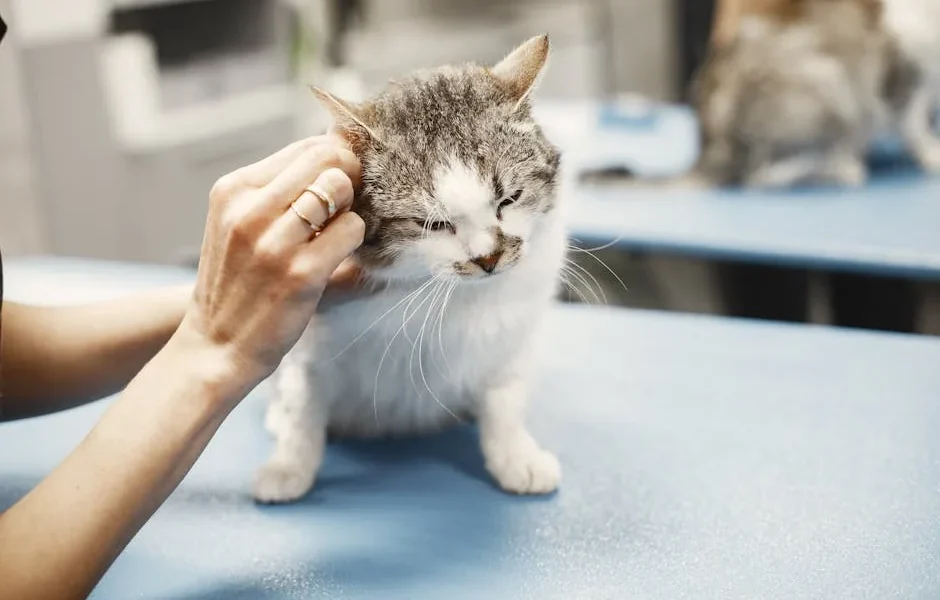
- Poor communication, dismissive behavior, and lack of transparency are the top reasons to switch vets. Trust your gut when something feels wrong.
- Many vets have longer wait times right now. But there’s a difference between staffing issues and bad care.
- Switching vets is normal. The process is simple. Your pet’s medical records belong to you. The vet must transfer them when you ask.
I’ve switched vets twice as a pet owner. Both times I felt guilty about it for too long. It feels weird, right? Like breaking up with someone who cares for your pet.
But here’s the truth. Knowing when to switch vets is very important for your pet’s health in 2025. Your vet should be a trusted partner. They shouldn’t cause you stress.
Today, 66% of U.S. households own pets. Vet care costs are rising 10-12% each year. Finding the right vet matters more than ever.
The reality? You don’t need to justify your decision. If your gut says something’s wrong, it probably is. But it helps to know what red flags to watch for.
Sign #1: Communication Has Broken Down
This is the big one. Studies show that 60% of pet owners switch vets because of poor communication. This is more than cost or location.
Your vet should explain things clearly. They should use language you understand. They should welcome your questions. They shouldn’t make you feel stupid for asking.
Are you leaving appointments confused? Do you not understand what’s wrong with your pet? Is the treatment plan unclear? That’s a problem.
Poor communication looks like:
- Phone calls or messages that don’t get returned (consistently, not just once during a busy week)
- Rushed appointments where you feel pushed out
- Dismissive responses to your concerns
- Medical jargon without explanation
- No follow-up after procedures or serious diagnoses
Now, here’s something to consider. Vet burnout rates hit 58% in 2024. Staffing shortages affect about 75% of practices. Sometimes your vet is truly overwhelmed.
One bad interaction during a crisis week doesn’t mean you need to switch. But a pattern? That’s different.
Sign #2: You’re Being Dismissed or Your Concerns Are Minimized
You know your pet better than anyone. Period.
Maybe you notice behavioral changes. Maybe you see subtle symptoms. Maybe something just seems “off.” If your vet brushes this aside without investigating, that’s a big red flag.
I’ve heard too many stories. Pet owners insisted something was wrong. They got dismissed. They sought a second opinion. They discovered a serious condition.
Your observations matter. A good vet takes them seriously. Even if everything turns out fine.
This is especially important for senior pets. It matters for pets with chronic conditions. Subtle changes can mean bigger problems.
Are you being made to feel like an overreactive “helicopter pet parent”? Find someone who respects your role as your pet’s caregiver.
Sign #3: Lack of Transparency About Costs
Let’s talk money.
Average annual vet costs for dogs run $1,500-$2,000. About 78% of pet owners say transparent pricing is a top priority. You deserve upfront information about costs.
Red flags include:
- Refusal to provide cost estimates before procedures
- Surprise bills with unexplained charges
- Pressure to authorize treatments without discussing alternatives
- No itemized invoices
- Defensive or evasive responses when you ask about costs
Good vets understand that money matters are real. They should work with you. They should help you prioritize care. They should discuss options.
If you need payment flexibility for major procedures, learn about veterinary payment plans. This helps you have informed conversations.
High prices don’t automatically mean you’re being gouged. Quality care costs money. But you should always know what you’re paying for and why.
Sign #4: Outdated Practices or Unwillingness to Adapt
Veterinary medicine advances rapidly. A vet who graduated in 1995 needs to keep up with education. If they haven’t, that’s a problem for your pet.
Warning signs:
- Refusing to consider newer treatment options or medications
- Dismissing evidence-based approaches you’ve researched
- Not offering or discussing preventive care advances
- Unwillingness to refer to specialists when needed
- No adoption of beneficial technology (like digital records or modern diagnostic equipment)
Here’s an important fact. About 89% of vets say they wouldn’t be offended by second opinions on complex cases.
Does your vet get defensive about referrals? Do they refuse to acknowledge the limits of their expertise? That’s ego getting in the way of your pet’s care.
When you need specialized care, know how to choose the right veterinary specialist. Your primary vet should support that process.
Sign #5: Persistent Scheduling and Access Issues
This one’s complicated in 2025. The veterinary shortage is real. Only 35% of practices offer after-hours emergency services. Longer wait times are frustrating. But they’re often unavoidable.
However, there’s a difference. “We’re booked two weeks out for routine appointments” is one thing. “We can’t see your sick pet for five days” is another.
Consider switching if:
- You consistently can’t get appointments when your pet needs care
- The practice has no system for urgent same-day visits
- There’s no clear emergency plan or after-hours guidance
- Office hours don’t align with your schedule and they offer no flexibility
- The location has become truly inconvenient (you’ve moved, changed jobs, etc.)
Know when your pet needs emergency care. Your vet should help you understand how to access urgent help.
Sign #6: Aggressive Sales Tactics or Questionable Ethics
Your vet should recommend what your pet needs. Not what makes them more money.
Unfortunately, corporate companies now own over 25% of U.S. vet clinics. This has raised concerns about profit-driven decisions.
Watch for:
- Hard-selling products, supplements, or premium foods without medical justification
- Pushing unnecessary tests or procedures
- Making you feel guilty for declining optional services
- Conflicts of interest that aren’t disclosed
- Pressure to purchase retail products only from their practice
Good vets make recommendations. They respect your decisions. They explain why they suggest certain products or treatments. They accept when you choose alternatives.
For example, when discussing preventive care, they should give balanced information. They should discuss options like flea and tick medications. They shouldn’t pressure you toward the most expensive choice.
Sign #7: Safety or Cleanliness Concerns
This should go without saying. If you see safety issues, run. Immediately.
Non-negotiable red flags:
- Unsanitary conditions in exam rooms or waiting areas
- Improper handling of your pet (rough, careless, or causing unnecessary stress)
- Staff members who seem untrained or unsupervised
- Expired medications or vaccines
- Lack of proper safety protocols during procedures
More pet owners now demand fear-free and low-stress handling. Your pet deserves not just medical competence. They deserve compassionate, safe care that minimizes stress.
Your vet’s handling techniques matter.
Sign #8: Your Instincts Are Screaming
Sometimes you can’t point to a specific issue. But something just feels off.
Maybe it’s how staff interact with each other. Maybe it’s a vibe you get. Maybe you just don’t feel heard or valued as a client.
Trust that feeling.
The vet-client relationship is built on trust. If that foundation isn’t there, everything else suffers. You’re not being picky or difficult. You’re advocating for your pet.
Is it possible you’re wrong? Sure. But it’s also possible you’re picking up on subtle cues. Give yourself permission to explore other options.
How to Make the Switch (Without the Awkwardness)
You’ve decided to switch. Now what?
First, research new vets thoroughly. Read reviews carefully. Look for patterns, not single complaints. Ask for recommendations from friends. Check local pet communities. Look at breed-specific groups.
Check credentials. Look at hospital accreditation. See what services are available.
Schedule a meet-and-greet or consultation before committing. Many practices offer this. It’s worth it to ensure the new relationship feels right.
When you’re ready to transfer care:
- Request your pet’s complete medical records in writing. They legally belong to you.
- Most practices provide records within 1-2 weeks. Some charge a small fee.
- You don’t owe an explanation. But constructive feedback can help practices improve.
- Transfer records to your new vet before your first appointment.
- Bring vaccination records, medication lists, and recent test results to your first visit.
Technology has made this easier in 2025. Many practices now use integrated medical record systems. They can transfer information digitally with your authorization.
When Staying Makes Sense
Not every frustration means you should switch. Consider giving your current vet another chance if:
- Issues are clearly temporary (new staff training, construction, short-term staffing shortage)
- The practice acknowledges problems and shows improvement
- Your concerns are addressed when you raise them directly
- The quality of medical care itself remains excellent despite frustrations
- You have a long, positive history and recent issues are unusual
Direct communication sometimes fixes problems. If you’ve never voiced your concerns, consider doing that first. Give your vet that opportunity before switching.
Special Considerations for Different Life Stages
Your pet’s changing needs might naturally prompt a switch.
A practice great for puppy and kitten care might not excel at geriatric medicine. A general vet might serve you well until your pet develops a chronic condition. That might require specialized knowledge.
This is normal. It’s okay to use multiple vets for different purposes. It’s okay to switch as your pet ages.
Final Thoughts
Switching vets isn’t a betrayal. It’s responsible pet ownership.
Your pet depends on you to make decisions in their best interest. Sometimes that means finding a better vet partner.
The relationship should be built on mutual respect. It should have clear communication. It should have shared commitment to your pet’s wellbeing.
Vet care costs are rising. The shortage is creating access challenges. Finding a vet you trust matters more than ever.
Are you experiencing any of the eight signs we discussed? Poor communication? Dismissive behavior? Safety concerns? Start researching alternatives.
Request initial consultations. Trust your instincts.
Your pet deserves a vet team that values both of you. They should listen to your concerns. They should provide transparent, compassionate, evidence-based care.
Don’t let guilt or inconvenience keep you in a relationship that isn’t working. Make the switch. Give yourself permission to find the right fit.
Sources & Further Reading
- American Veterinary Medical Association — Industry statistics on veterinary workforce shortages, practice standards, and professional guidelines
- American Pet Products Association — Comprehensive pet ownership statistics and trends for 2023-2024
- American Animal Hospital Association — Accreditation standards, best practices, and resources for evaluating veterinary care quality
- Veterinary Practice News — Industry surveys on client satisfaction, communication, and reasons for switching veterinary practices
- Cornell University College of Veterinary Medicine — Research-based pet owner education and veterinary care resources