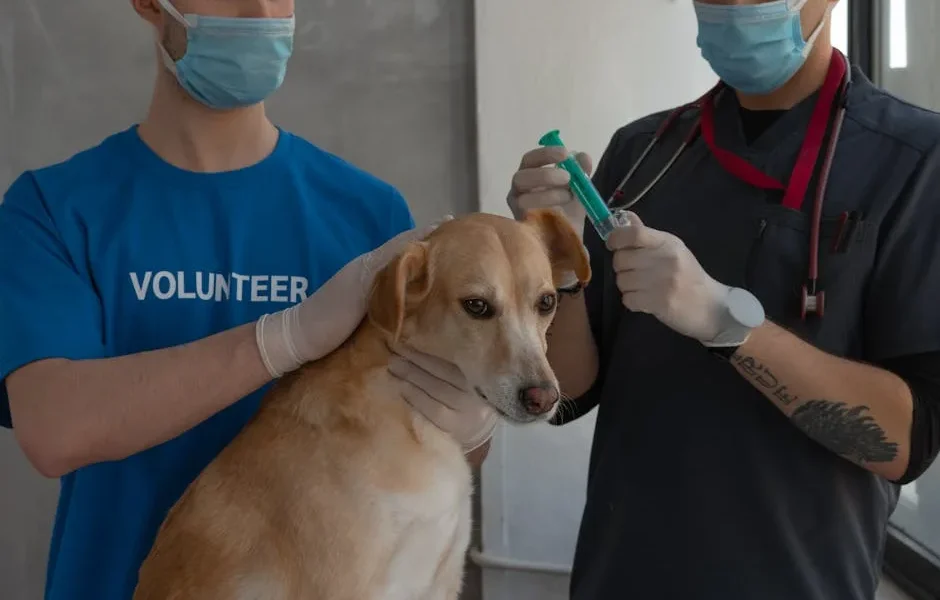
- Oral flea and tick medications start working in 2-4 hours. Topical treatments take 12-24 hours to work fully.
- Never use dog flea products on cats. Products with permethrin can kill cats.
- Most pets now need year-round prevention. Warmer weather and indoor fleas make this necessary.
- The FDA issued safety alerts for some products. But most pets can use them safely.
- Some parasites are now resistant to older treatments. Your vet’s advice is more important than ever.
Protecting your pet from parasites can feel confusing. Many pet owners ask me which flea and tick medications work best. They also want to know which ones are safe.
The choices keep growing each year. New products come out. Parasites become resistant to older treatments. Understanding your options matters more than ever.
The pet medicine market is now worth nearly $10 billion worldwide. This growth comes from more pet owners and real concerns about diseases and safety.
Let’s talk about what actually keeps your pet protected.
Why Choosing the Right Flea and Tick Prevention Actually Matters
Fleas and ticks aren’t just annoying. They carry diseases that can make your pets very sick. Sometimes they can make you sick too.
Fleas can transmit tapeworms. They cause flea allergy dermatitis that makes dogs miserable.
Ticks carry serious diseases. These include Lyme disease, ehrlichiosis, anaplasmosis, and Rocky Mountain spotted fever.
The “wait and see” approach doesn’t work anymore. Ticks stay active whenever it’s above 40°F. This means year-round in many areas.
Fleas survive indoors forever. They breed in your carpets and furniture. By the time you spot one flea, hundreds more are hiding in your home.
Northern areas used to have “off seasons.” Not anymore. Climate data shows they now need year-round protection.
The Companion Animal Parasite Council updated their 2024 recommendations. What worked for older generations doesn’t cut it today.
Step 1: Understand the Different Types of Flea and Tick Medications
Let’s break down your main options. They’re not all the same.
Oral Medications (Tablets and Chewables)
Your pet swallows a pill. The medication enters the bloodstream. Parasites die when they bite.
Popular brands include NexGard, Simparica, Bravecto, and Simparica Trio.
The big advantage? They work fast. Usually within 2-4 hours.
You don’t worry about kids touching your pet. The medication won’t wash off during baths.
Monthly versions cost $20-35. Extended-release options like Bravecto last 3 months. They cost $50-80 per dose.
The catch? Some pets won’t eat them. If your dog vomits within a few hours, you might need another dose. Check with us first.
Topical Treatments (Spot-On Applications)
You apply these directly to your pet’s skin. Usually between the shoulder blades.
Examples include Frontline Plus, Advantage, and Revolution Plus.
They take longer to work fully. About 12-24 hours. They spread through the skin’s oil layer.
Monthly topicals cost $15-30. This makes them cheaper.
But there are problems. Kids might pet freshly treated pets. Early baths can wash away protection. The fur can look greasy.
Collars
The Seresto collar is the most popular prescription option. It lasts up to 8 months.
It slowly releases ingredients over time. It’s cost-effective for long-term use.
But some pets get skin irritation where the collar sits. There have been safety concerns. The FDA is watching them closely.
What About “Natural” Alternatives?
I’ll be honest because I care about your pet’s safety.
Studies show essential oil products work less than 30% of the time.
Worse, some oils are toxic to cats and small dogs. Tea tree and pennyroyal are dangerous.
The ASPCA Animal Poison Control sees cases regularly.
Natural sounds good. But parasites respond to chemistry that actually works.
Step 2: Match the Product to Your Pet’s Specific Needs
Not all pets can safely use all products. This is where your vet’s help is crucial.
For Dogs
Most healthy dogs handle modern products well. Your choice depends on lifestyle.
Dogs who swim a lot do better with oral medications.
Dogs with seizure histories need careful choices. The FDA issued alerts in 2018-2019. Some drugs can cause neurological reactions in rare cases.
Certain breeds have genetic sensitivities too. Collies and Australian Shepherds can have severe reactions to some products. We test for this when needed.
For Cats
This is critical: NEVER use dog flea products on cats.
Permethrin is common in dog treatments. It can be fatal to cats.
Even exposure from a treated dog can cause toxicity.
Safe cat options include Revolution Plus, Bravecto Plus for cats, and Cheristin.
Cats are often harder to medicate. Talk to your vet about the easiest method. Some cats tolerate topicals better. Others do well with newer oral options.
For Puppies, Kittens, and Senior Pets
Young animals need special consideration. Most products have minimum age and weight requirements.
Usually 8 weeks and certain weights.
Senior pets with liver or kidney disease may need adjusted plans. They process medications differently.
Step 3: Evaluate Product Effectiveness Against Regional Parasites
Where you live matters more than you think. Parasite resistance isn’t the same everywhere.
Recent studies from 2022-2024 show problems. Fleas in Southern states resist older treatments. Some areas see 50-70% reduced effectiveness.
If your old product suddenly stops working, resistance is likely why.
The Companion Animal Parasite Council has updated maps. They show disease risk in your specific area.
Check their website when deciding which parasites to protect against.
Gulf Coast residents need products for brown dog ticks. Northeast pet owners should focus on Lyme-carrying blacklegged ticks.
Some products now include heartworm prevention too. If you live in a mosquito-heavy area, products like Simparica Trio offer all-in-one protection.
Step 4: Administer Medications Properly
Even the best product fails if used incorrectly.
For Oral Medications
Give with or after a meal. This helps absorption and reduces stomach upset.
If your pet’s picky, hide the tablet. Use a pill pocket, cream cheese, or peanut butter. Make sure the peanut butter has no xylitol.
Chewable versions are flavored. But not all pets think they’re treats.
If your pet vomits within two hours, contact us before giving another dose. You might cause an overdose.
If it’s been more than two hours, the medication is likely absorbed.
For Topical Applications
Part the fur to expose skin. Don’t just squeeze it onto the hair.
Apply to areas your pet can’t lick. Between shoulder blades for cats. Along the back from shoulders to tail for large dogs.
Keep pets separated until the spot dries. This is especially important with dogs and cats together.
Don’t bathe your pet for at least 48 hours before or after. The medication needs skin oils to spread properly.
Mark Your Calendar
Set phone reminders. Miss a monthly dose and you create a gap in protection.
For extended-release products, note the exact redosing date.
Similar to scheduling emergency vet appointments when needed, preventative care needs to stay on schedule.
Step 5: Monitor for Side Effects and Know When to Call Us
Most pets handle flea and tick medications fine. But bad reactions can happen.
Common Mild Side Effects
Temporary tiredness is normal. Mild upset stomach happens sometimes. Slight itching at application sites can occur.
These usually go away within 24-48 hours. They don’t usually need treatment. Let us know if they continue.
Serious Warning Signs
Contact us immediately if you notice:
- Seizures or tremors
- Trouble walking or coordination problems
- Excessive drooling or vomiting
- Severe skin reactions or hives
- Behavior changes like unusual aggression or anxiety
These symptoms are like some emergency conditions requiring immediate attention.
Neurological reactions are rare. But they do happen. Quick help matters.
What About Breed-Specific Reactions?
We keep records of breeds with known sensitivities.
Herding breeds need testing before certain products. Small breed dogs sometimes react to standard doses. We might adjust accordingly.
Always mention your pet’s breed during appointments. Tell us about any previous medication problems.
Top Tips for Successful Flea and Tick Prevention
Here’s what actually makes a difference:
Treat all pets in your household. Fleas don’t discriminate. If one pet’s protected and another isn’t, parasites just cycle between animals.
Don’t skip winter months. Unless you live somewhere truly cold year-round, continue prevention. Fleas thrive indoors at room temperature. Mild winter days bring ticks out.
Vacuum frequently during infestations. Adult fleas on your pet are only 5% of the problem. The other 95% live in your home. Eggs, larvae, and pupae hide everywhere.
Vacuum every other day. Throw away the bag or canister contents outside immediately.
Buy from reputable sources. Online pharmacies must verify prescriptions. But counterfeit products do exist.
Buy from veterinary clinics or verified online pharmacies.
Don’t double up. Using multiple flea products at once doesn’t increase protection. It increases toxicity risk. Stick with one complete program.
Track your spending. Compare annual costs. That expensive 3-month product might save money compared to monthly options.
Many manufacturers offer rebates. Ask us about current programs.
Just as understanding veterinary payment options helps with major procedures, smart prevention planning stretches your budget.
Common Mistakes That Undermine Protection
Let’s talk about what not to do. I see these errors repeatedly:
Underdosing based on guessed weight. “He looks about 40 pounds” isn’t accurate enough.
We weigh pets at appointments to dose correctly. Too little leaves gaps in protection. Too much risks toxicity.
Splitting dog products between pets. Dosing doesn’t work that way. You can’t divide one large-dog dose between two small dogs safely.
Assuming indoor-only means parasite-free. Fleas hitchhike on clothing and other pets. Even indoor cats need protection.
I’ve seen infestations in 10th-floor apartments.
Stopping prevention after not seeing parasites. Prevention works because you don’t see parasites.
Problems emerge when you stop. Think of it like brushing your teeth. You don’t see cavities because you brush. That’s the point.
Buying expired products online. Deeply discounted medications from questionable sources may be expired. Or stored badly.
Effectiveness drops. You’ve wasted money while leaving your pet vulnerable.
Ignoring environmental treatment during infestations. You can’t just treat the pet. Flea eggs and pupae survive in carpets for months.
Complete treatment includes home environmental control.
Understanding the Cost-Benefit Analysis
Prevention costs money. But flea infestations and tick diseases cost more. Financially and emotionally.
Treating flea allergy dermatitis costs several hundred dollars. This includes repeated vet visits, antibiotics, and itch medications.
Lyme disease treatment involves weeks of antibiotics. Often exceeds $500-1000.
Heartworm treatment costs thousands of dollars.
Generic alternatives cost 20-40% less than brand names. They contain the same active ingredients.
Most pets tolerate generics fine. Occasionally we see different reactions to inactive ingredients.
Manufacturer rebate programs can save $50-75 annually. Ask us about current promotions.
What’s New in 2025
The parasite medication landscape keeps changing.
Several combination products gained FDA approval in 2024. They add heartworm prevention to flea and tick coverage.
These all-in-one options make things simpler.
Resistance monitoring programs expanded. CAPC and veterinary universities now provide detailed tracking.
Updated resistance maps are available online. They help us recommend products that work best in our area.
The FDA increased scrutiny of compounded medications in 2024. This followed safety concerns.
FDA-approved products undergo rigorous testing. Custom formulations don’t. We recommend sticking with approved options.
Climate change continues affecting parasites. Extended warm seasons mean year-round risk in more areas.
What worked for childhood pets doesn’t match today’s recommendations.
Multi-Pet Household Considerations
Managing prevention gets more complex with multiple animals. Especially dogs and cats together.
Schedule all pets’ treatments on the same day. First of the month is easy to remember.
Keep cats away from freshly treated dogs. This matters if you use topical dog products with permethrin.
Even physical contact before drying can poison cats.
Bulk purchasing often saves money. But make sure you use it before expiration. Most products stay stable for 2-3 years. Check dates.
For households with both species, oral medications for dogs eliminate cross-contamination concerns.
Cats can safely be around dogs taking oral flea preventatives.
When to Reassess Your Prevention Strategy
Just as you’d recognize early warning signs of disease, certain situations mean it’s time to revisit your plan:
- Breakthrough infestations despite consistent use
- Moving to a new region with different parasites
- Changes in your pet’s health status
- New pets joining the household
- Side effects from current products
- Lifestyle changes (indoor cat now going outside, etc.)
We adjust recommendations based on these factors.
Annual wellness exams are perfect times to discuss whether your current strategy still fits.
Final Thoughts
Choosing flea and tick medications doesn’t have to be overwhelming.
The best product for your pet depends on many factors. Species, age, health status, lifestyle, location, and household situation all matter.
There’s no universal “best” product. Just the best one for your specific pet right now.
Year-round prevention using vet-recommended products is your safest bet in 2025.
The few dollars spent monthly on quality prevention pays off. You avoid disease, prevent home infestations, and keep your pet comfortable.
Schedule a consultation with us. Discuss which option fits your situation best.
Bring questions about cost, how to give medications, and any concerns about specific products.
We’re here to help you make informed decisions. Decisions that protect your pet effectively and safely.
And remember—consistency matters most. The best prevention plan is the one you’ll actually follow every month.
Sources & Further Reading
- FDA Center for Veterinary Medicine — Official drug safety information, approval status, and adverse event alerts for veterinary parasiticides
- Companion Animal Parasite Council (CAPC) — Evidence-based parasite prevention guidelines, parasite prevalence maps, and resistance tracking data
- American Veterinary Medical Association (AVMA) — Pet owner resources on medication safety and parasite control recommendations
- ASPCA Animal Poison Control — Toxicity information for various flea and tick products and guidance on adverse reactions
- Veterinary Research Journal — Peer-reviewed studies on parasiticide efficacy, resistance patterns, and safety profiles