
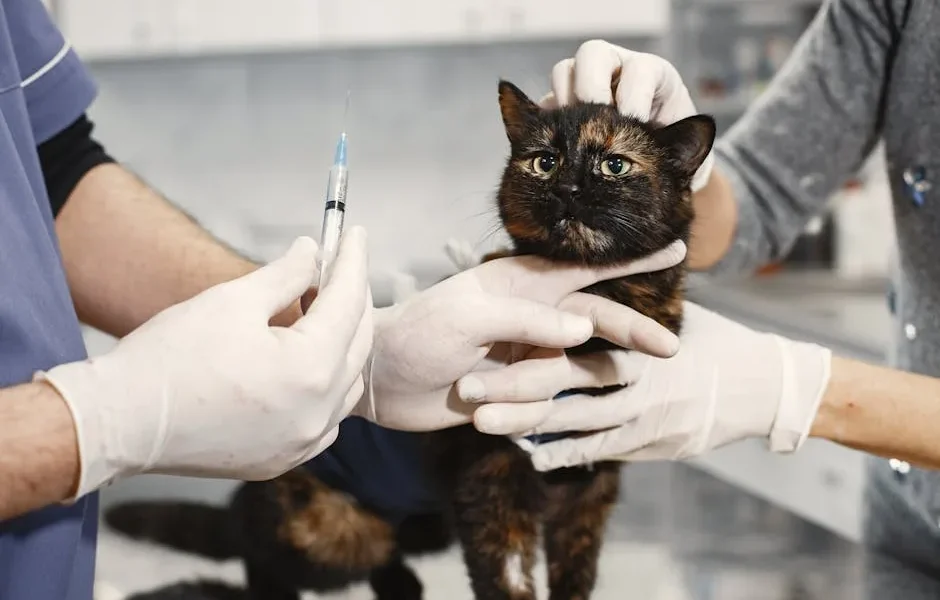
- Special cat certifications like Cat Friendly Practice® and Fear Free training help reduce your cat’s stress and improve care
- The right vet has cat knowledge plus things like emergency access and clear communication
- Match your vet choice to your cat’s needs—routine care, ongoing conditions, or special care—for better results
Why Choosing the Right Vet for Your Cat Actually Matters
Here’s something I’ve learned after years at Animal Hospital Clinic: most cat owners don’t know their cat needs different care than a dog. When you’re figuring out how to choose the right veterinarian for your cat’s specific health needs, you’re not just picking a close location. You’re picking a partner who knows cats aren’t small dogs.
Cats are different from dogs. They act differently. They get way more stressed about vet visits.
The numbers prove this. Cats get about half the vet care that dogs do. Stress is a big reason why.
But here’s the good news: choosing a vet who focuses on cat care can cut stress behaviors by 30% during visits. That’s not just better for your cat. It leads to better exams, better diagnoses, and treatments your cat will actually tolerate.
Your cat might need routine wellness care. Or they might have an ongoing condition like diabetes or kidney disease. Or you might be dealing with mystery symptoms. Either way, the vet you choose makes all the difference.
Let’s walk through exactly how to make that choice.
Step 1: Identify Your Cat’s Specific Health Requirements
Before you start calling clinics, get clear on what you need.
A healthy two-year-old indoor cat has different needs than a senior cat with health problems.
Life Stage Considerations
Kittens need someone who knows vaccination schedules and spay/neuter timing. They need early socialization advice.
Adult cats (1-7 years) need vets who focus on preventive care. These vets can catch small changes before they become emergencies.
Senior cats (7+ years) really need vets who understand older cat medicine. About 50% of cats don’t get annual exams. Seniors especially need checkups twice a year for early disease detection.
Existing Health Conditions
Got a diabetic cat? You need a vet experienced with insulin therapy management and glucose monitoring.
Common cat conditions like chronic kidney disease, hyperthyroidism, and inflammatory bowel disease need a vet who’s seen them many times. Not someone learning on your cat.
Behavioral and Anxiety Issues
Does your cat turn into a tornado at the sight of a carrier? You need a Fear Free certified practice.
Some cats need veterinary behaviorists for severe anxiety or aggression. Don’t settle for “that’s just how cats are.”
Step 2: Research Feline-Specific Credentials and Certifications
Not all vets are equal when it comes to cats. Here’s what actually matters.
Cat Friendly Practice® Certification
The American Association of Feline Practitioners (AAFP) certifies practices that meet specific cat care standards.
These clinics have separate cat waiting areas. They use cat-friendly handling techniques. Staff train specifically for cat behavior.
The program was relaunched in 2024 with stricter requirements. This certification means something real.
Fear Free Certification
Over 8,000 veterinary professionals have completed Fear Free training with cat-specific protocols.
These vets use pheromone diffusers and gentle handling techniques. They design visits to minimize anxiety.
Your cat notices the difference—trust me.
Board Certification for Complex Cases
Here’s a reality check: only about 500 board-certified feline specialists exist in the United States. Compare that to over 100,000 general practice vets.
If your cat has a serious or mystery condition, a Diplomate of the American Board of Veterinary Practitioners (Feline) brings rare and valuable expertise.
Step 3: Evaluate the Practice Environment and Approach
Time to visit potential clinics. What should you look for?
Green Flags
Separate cat waiting areas or exam rooms away from dogs.
Pheromone diffusers (Feliway) in exam rooms.
Soft towels instead of cold metal tables.
Staff who handle cats confidently but gently. They support the hindquarters and move slowly.
Willingness to let your cat explore the exam room first.
These details show a practice that truly understands cat needs.
Red Flags
Rough handling or restraint.
No accommodation for anxious cats.
Dismissive attitudes about cat behavior (“all cats hate vets”).
Pushing unnecessary procedures without clear explanations.
If staff seem rushed or irritated with a scared cat, walk away.
Questions to Ask
During your first consultation, ask these questions:
What’s your approach to handling anxious cats?
Do you offer sedation for extremely stressed cats?
What percentage of your patients are cats?
How do you stay current on feline medicine?
What’s your emergency protocol?
Can I get same-day appointments for urgent issues?
The answers tell you whether this practice is truly cat-focused or just checking boxes.
Step 4: Consider Practical and Geographic Factors
Specialized care is great. But logistics matter too.
Distance vs. Expertise Trade-off
Should you drive 45 minutes to a cat-only practice? Or use the clinic five minutes away?
Honestly, it depends.
For routine wellness visits, convenience reduces stress for both you and your cat.
For specialty care, chronic disease management, or complex diagnostics, the drive is worth it.
Emergency Accessibility
Here’s a sobering stat: only 35% of cat owners know where their nearest 24-hour emergency clinic is before they need it.
Ask your potential vet about their after-hours protocol.
Do they have emergency coverage? Which emergency clinic do they refer to? How do they handle urgent calls?
Clinic Hours and Availability
If you work traditional hours, evening or weekend appointments might be essential.
Some practices offer early drop-off or telehealth follow-ups. These work better for busy schedules.
Mobile veterinary services for cats have grown 40% since 2023. In-home care eliminates travel stress entirely for routine visits.
Step 5: Assess Communication Style and Partnership Potential
You’re not hiring a vet for one visit. You’re building a relationship that could last 15-20 years.
Communication Preferences
Some vets explain every detail. Others give short recommendations.
Neither is wrong. But which matches your style?
Do they listen to your observations about your cat’s behavior at home?
Do they explain treatment options with pros and cons? Or do they dictate a single path?
Medical Records Access
Progressive practices offer online portals. You can access your cat’s complete medical history, lab results, and vaccination records.
This transparency makes it easier to get second opinions or travel with your cat.
It also shows the practice values your involvement in care decisions.
Willingness to Collaborate
The best vets treat you as part of the care team.
They’re open to discussing treatment plans and considering your budget constraints. They explain why they recommend specific approaches.
If a vet becomes defensive when you ask questions or seek a second opinion, that’s a problem.
Step 6: Understand Financial Considerations Upfront
Money is awkward to discuss. But it’s crucial for your cat’s long-term care.
Pricing Transparency
Routine cat wellness exams range from $50-$250. This depends on location and practice type.
Specialty practices typically charge 40-60% more than general practices.
Ask for written estimates for common procedures. Good clinics provide this without hesitation.
Payment Options and Insurance
Does the practice accept pet insurance?
Do they offer payment plans?
Do they work with CareCredit or similar programs?
If your cat has a chronic condition requiring ongoing care, these options matter tremendously.
For more context on what to evaluate financially, check out our guide on evaluating new clinics.
Value of Preventive Care Investment
Wellness care seems expensive until you’re facing a $3,000 emergency.
Vets who emphasize preventive medicine save you money long-term. This includes new early-detection tests like SDMA screening for kidney disease. This is now standard in many 2024 wellness panels.
These vets also show you they prioritize your cat’s health, not just billable procedures.
Step 7: Know When to Seek Specialty or Referral Care
Even the best general practice vet can’t handle everything.
Internal Medicine Specialists
Persistent vomiting, unexplained weight loss, complex hormone disorders—these warrant referral to a veterinary internal medicine specialist.
Your general vet should recognize when a case exceeds their expertise. They should facilitate referrals without ego.
Veterinary Behaviorists
Severe aggression, compulsive behaviors, or anxiety that doesn’t respond to basic help needs a board-certified veterinary behaviorist.
These are rare specialists (even rarer than feline specialists). But they can transform quality of life for both you and your cat.
Emergency and Critical Care
Know your vet’s relationship with emergency clinics before you need one.
Do they communicate directly with emergency vets? Will they follow up on emergency cases?
This continuity matters enormously during health crises.
Common Mistakes to Avoid When Choosing a Cat Veterinarian
Let’s talk about what trips people up.
Choosing Based Solely on Proximity
The closest vet isn’t always the best vet.
Convenience matters. But for a cat with specific health needs, driving an extra 20 minutes to someone with real feline expertise is worth it.
That said, having a closer backup option for emergencies isn’t a bad idea either.
Ignoring Your Gut Reaction
If something feels off during your first visit, trust that feeling.
Dismissive communication, rough handling, vague answers to direct questions—these are warning signs.
You know your cat best. If the vet doesn’t respect your observations or concerns, find someone who does.
Not Preparing for the First Visit
Walking in unprepared wastes everyone’s time. It also stresses your cat unnecessarily.
Bring medical records. Write down questions beforehand. Understand what you want from the visit.
Our complete first visit checklist covers exactly what to bring and expect.
Overlooking Technological Capabilities
Some practices still use paper records and film X-rays.
Others offer digital radiography, in-house lab work, and even AI-assisted diagnostics. These help with conditions like arthritis and heart disease.
Technology isn’t everything. But it affects diagnostic accuracy and how quickly you get answers.
Failing to Discuss End-of-Life Care Philosophy
This is uncomfortable but important.
Does the practice offer in-home euthanasia?
How do they handle quality-of-life discussions?
What’s their approach to palliative care?
You don’t want to discover philosophical mismatches during an already devastating time.
Tips for Building a Strong Partnership with Your Chosen Veterinarian
Once you’ve found the right vet, invest in that relationship.
Maintain Regular Wellness Visits
Cats are masters at hiding illness.
Annual exams (twice a year for seniors) let your vet establish baseline normals for your cat. When something changes, they’ll notice it faster.
For guidance on what your cat actually needs, see our vaccination and preventive care guide.
Be Honest About Home Observations
Notice your cat drinking more water? Hiding more than usual? Skipping meals?
Share these details even if they seem minor.
Your day-to-day observations provide context that physical exams alone can’t capture.
Follow Through on Recommendations
If your vet recommends follow-up labs or diet changes, do it.
When you don’t, they can’t effectively manage your cat’s care.
If cost is an issue, say so. Most vets will work with you on prioritization or payment plans.
Keep Communication Open
Call with questions. Email about concerns.
Good vets want to hear from you between visits. It helps them catch problems early and shows you’re engaged in your cat’s care.
Final Thoughts
Choosing the right veterinarian for your cat’s specific health needs isn’t just about finding someone with a degree. It’s about matching expertise to your cat’s life stage, health conditions, and personality.
It’s about finding someone who communicates in a way that works for you. Someone who operates with transparency. Someone who truly understands that cats aren’t small dogs.
The feline-specific credentials, Fear Free certifications, and cat-friendly practice designs aren’t marketing gimmicks. They represent real differences in care quality and stress reduction.
Start by assessing what your cat actually needs right now and what they might need in the future.
Research practices with legitimate feline credentials. Visit to evaluate the environment and approach. Have honest conversations about communication styles and costs.
If you’re relocating and need to start fresh, our guide on finding a trustworthy clinic in a new city can help.
Don’t settle for “good enough” when it comes to your cat’s healthcare partner.
The right veterinarian makes wellness visits less stressful. They catch problems earlier. They help your cat live a longer, healthier life.
That’s worth the effort to find them.
Sources & Further Reading
- American Association of Feline Practitioners — Cat Friendly Practice certification program and comprehensive feline care guidelines for owners and veterinary professionals
- Fear Free Pets — Certification program for veterinary professionals focused on reducing pet anxiety, with searchable directory of certified practices
- American Board of Veterinary Practitioners – Feline Specialty — Board certification information and directory of Diplomates specializing in feline medicine
- American Veterinary Medical Association — Pet owner resources including guidance on finding qualified veterinarians and understanding veterinary care standards
- Cornell Feline Health Center — Research-based feline health information and educational resources for cat owners