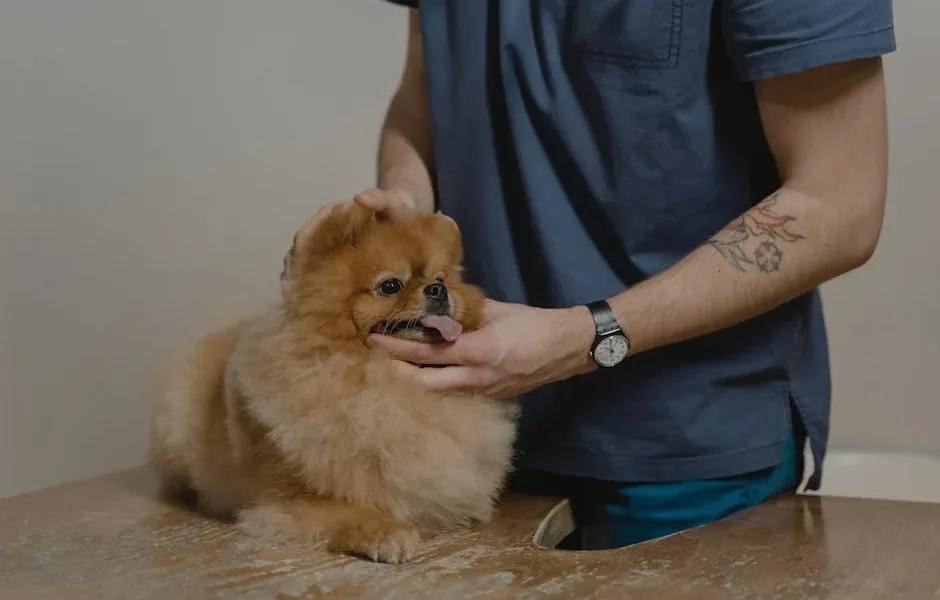
- Schedule your pet’s first vet visit within the first week of bringing them home. Puppies should go at 6-8 weeks. Kittens should go at 8 weeks. Adult pets should go as soon as possible.
- Preparation is everything. Bring all medical records and a list of questions. Get your pet used to their carrier days before the appointment.
- Know what happens during the visit. This includes the physical exam and vaccinations. Understanding these things reduces anxiety for both you and your pet.
- The first visit sets the foundation for your pet’s lifelong health. It’s one of the most important appointments you’ll schedule.
Here’s what I believe after 15 years working with new pet parents: How to Prepare Your Pet for Their First Vet Visit: Complete Checklist 2025 isn’t just about showing up with a nervous puppy or kitten. It’s about setting the stage for a lifetime of stress-free veterinary care.
I’ve watched too many owners wing it. They arrive unprepared. Their pets are terrified. They’re missing crucial information. Then they wonder why their dog trembles at the clinic’s doorstep years later. That first visit? It matters more than you think.
The statistics back this up. Roughly 78% of dogs experience fear, anxiety, or stress during vet visits. For cats, it’s 85%. But here’s the thing: much of that anxiety is preventable. You just need to prepare properly from day one.
Your pet’s first experience at the vet clinic shapes every visit that follows. Get it right, and you’re investing in decades of easier care.
Why the First Vet Visit Deserves Your Best Effort
Let me be direct. Skipping preparation for your pet’s first vet appointment is like skipping driver’s ed before getting behind the wheel. Sure, you might survive. But you’re making things harder than they need to be.
That first visit accomplishes several critical things. Your vet establishes a baseline for your pet’s health. This includes weight, heart rate, body condition, and dental health.
They screen for health issues you might not notice at home. They start the vaccination series that protects against potentially fatal diseases. And perhaps most importantly, they answer your questions before small concerns become big problems.
Timing matters too. Puppies should see a vet at 6-8 weeks of age. Kittens should go at 8 weeks. Adopted adult pets? Within the first week of bringing them home.
I know you’re busy bonding with your new family member. But delaying this visit risks missing early health issues. And those vaccination schedules don’t wait.
The Complete Pre-Visit Preparation Checklist
Starting Three Days Before
Don’t wait until the morning of the appointment to introduce your pet to their carrier. That’s a recipe for scratches, escapes, and starting the visit on the wrong paw.
Three days out, place the carrier in your living space with the door open. Toss treats inside. Feed meals near it. Let your cat explore it as furniture, not a trap.
For dogs, practice short car rides to fun destinations. Go to the park, not just the vet. You’re building positive associations.
If you haven’t already, locate all the documentation you have. This includes adoption papers, breeder health records, any vaccination history, and microchip numbers.
About 40% of new owners show up without records they actually have at home. Then they can’t answer basic questions about their pet’s history.
24 Hours Before: Final Preparations
Write down your questions. Seriously—grab your phone and start a list.
What should you feed? How much exercise is appropriate? Are those quirky behaviors normal? Is pet insurance worth it? (Spoiler: usually yes, especially if you set it up before any conditions are diagnosed.)
When you’re in the exam room, your mind goes blank. A written list saves you.
Collect a fresh stool sample if you can. Place it in a sealed plastic bag. Keep it refrigerated and bring it along.
Your vet will likely test for intestinal parasites. These affect 10-45% of puppies and kittens. Having that sample ready speeds up the process.
Check your appointment time. Morning slots often work better. Your pet hasn’t built up anxiety throughout the day. And the clinic is typically calmer before the afternoon rush.
Day-Of Essentials
Here’s what goes in your bag:
- All medical records and adoption paperwork
- Current medications or supplements (bring the actual bottles)
- Your questions list
- High-value treats your pet loves
- A favorite toy or blanket for comfort
- Leash and collar (even for cats—you need control if they escape the carrier)
- Pet insurance information if you have it
- Payment method (first visits typically run $150-$250 for comprehensive wellness exams)
Don’t feed a large meal right before the appointment. If your pet tends toward car sickness or anxiety-related vomiting, avoid food for 2-3 hours beforehand. Water is fine.
What Actually Happens During That First Visit
Knowledge reduces anxiety—yours and your pet’s. Let me walk you through what to expect during those 30-60 minutes.
Check-In and Waiting Room Strategy
Arrive about 10 minutes early to handle paperwork. But not so early your pet stews in the waiting room.
Keep dogs close to you, not mingling with other pets. Keep cats in their carriers, covered with a light towel to reduce visual stress.
Many practices now offer Fear Free certification. Over 5,000 clinics in North America as of 2024 use this approach. These facilities use low-stress handling techniques designed for anxious pets.
If you haven’t already, ask if your clinic follows Fear Free protocols. It makes a real difference.
The Physical Examination
Once in the exam room, your vet will conduct a nose-to-tail assessment. They’ll check your pet’s eyes, ears, teeth, and gums. They’ll listen to their heart and lungs. They’ll feel their abdomen. They’ll check their joints and lymph nodes. They’ll take their temperature (yes, rectally—it’s quick and more accurate than other methods).
For puppies and kittens, they’re assessing growth and development. For adult adoptees, they’re establishing that baseline I mentioned. They’re also checking for any existing conditions.
This is your time to mention anything you’ve noticed. Scratching? Limping? Unusual bathroom habits? Bring it up now.
No concern is too small. I’ve seen “minor” observations lead to early diagnosis of significant issues.
Vaccinations and Preventive Care
Core vaccines for dogs include DHPP. This covers distemper, hepatitis, parvovirus, and parainfluenza. Dogs also need rabies shots.
For cats, the core vaccine is FVRCP. This covers feline viral rhinotracheitis, calicivirus, and panleukopenia. Cats also need rabies shots.
Your pet will need a series of shots. Typically 2-3 visits spaced 3-4 weeks apart. This builds full immunity.
Your vet will also discuss parasite prevention. Heartworm, fleas, ticks—these aren’t optional concerns. They’re serious health threats with straightforward prevention protocols.
Many practices now offer comprehensive wellness plans. These bundle preventive services at a discount. This can save you several hundred dollars in that critical first year.
Microchipping often happens during this first visit too. Several states added microchipping requirements in 2024. It’s become standard practice. It’s quick and relatively painless. It dramatically increases the chances of reuniting if your pet ever gets lost.
After the Visit: Following Through
The appointment doesn’t end when you leave the clinic. Your vet will send you home with instructions—read them.
Vaccination side effects are usually mild. Temporary soreness and slight lethargy are normal. But you should know what’s normal and what requires a callback.
Schedule your follow-up visits before you leave. Those vaccination boosters aren’t optional. They’re essential for your pet’s protection.
Add them to your calendar immediately. Three weeks flies by faster than you think.
If your vet recommended dietary changes, preventive medications, or behavior modifications, implement them. The right nutrition plan matters from day one.
If questions arise as you’re following their instructions, call. That’s what they’re there for.
Addressing the “But My Pet Will Freak Out” Objection
I hear this constantly. “My cat hates carriers.” “My dog is terrified of strangers.” “Can’t I just wait until they’re older and calmer?”
No, you really can’t. Delaying that first visit doesn’t make things easier. It makes them harder.
Diseases don’t wait for your pet to “mature.” Socialization windows close. Health issues progress.
But I get it. Pet anxiety is real. That’s exactly why preparation matters so much. The carrier training, the positive associations, the high-value treats—these aren’t optional extras. They’re the foundation of manageable veterinary care.
For severely anxious pets, talk to your vet about pre-visit calming options. Some practices now offer pre-appointment telemedicine consultations to discuss anxiety management.
Others might prescribe mild sedatives for particularly stressed animals. Mobile vet services have also expanded by about 40% since 2023. They offer house-call first visits for pets where clinic stress is extreme.
The key is acknowledging the challenge and addressing it—not avoiding it. Every pet who “hates the vet” started somewhere. Often with an unprepared first visit that set a negative precedent. You can do better.
Special Considerations Worth Noting
For Rescue and Adopted Adult Pets
Unknown medical history complicates things. Your vet will likely run more comprehensive screening. This includes bloodwork, additional parasite testing, and sometimes X-rays if there are concerns about previous injuries.
Be honest about what you don’t know. “The shelter said he’s about three years old, but they weren’t certain” is valuable information. Your vet can make educated estimates based on dental wear, eye clarity, and overall condition.
For Senior Adopted Pets
Older pets need baseline bloodwork to assess organ function. This is especially important if you plan to start them on preventive medications.
This initial panel becomes the comparison point for future monitoring. It’s more expensive upfront. But it’s essential for long-term care planning.
For Exotic Pets
Rabbits, birds, reptiles—they’re not dogs and cats. Find a vet with exotic animal experience before you even bring your pet home.
Their first visit requirements differ significantly. This includes specialized handling techniques and species-specific health concerns. Don’t assume your neighborhood clinic sees ferrets just because they see dogs.
The Cost Conversation Nobody Wants to Have
First vet visits typically range from $50-$300. Comprehensive wellness exams average $150-$250 including initial vaccinations. That’s not pocket change.
But here’s my opinion: complaining about vet costs while spending $80 on a designer pet bed misses the point. Healthcare isn’t negotiable. Your pet depends on you for literally everything, including medical care.
That said, smart financial planning helps. Pet insurance is most affordable before your pet develops any conditions. Sign up early.
Many practices offer wellness plans that spread costs across monthly payments. Some provide discounts for adopting multiple pets. Ask about payment options before you need them.
The financial investment in that first visit—and the prevention plan it establishes—saves you exponentially more in emergency care down the road. The routine check-ups your vet recommends? They’re cheaper than treating advanced disease.
Questions You Should Definitely Ask
Beyond your personal list, make sure you cover:
- What’s the vaccination schedule, and what will each visit cost?
- What preventive medications do you recommend, and why?
- What diet is appropriate for my pet’s age, breed, and activity level?
- What’s normal for bathroom habits, sleep patterns, and behavior?
- When should I schedule the next visit?
- What constitutes an emergency worthy of after-hours care?
- Do you offer payment plans or accept pet insurance?
- How do I reach you if concerns arise between visits?
A good vet welcomes questions. If yours seems rushed or dismissive, that’s valuable information. It tells you whether this is the right clinic for you. Finding a trustworthy vet you communicate well with is worth the effort.
When to Schedule an Urgent First Visit
Most first visits can happen within a week or two of bringing your pet home. But some situations can’t wait:
- Vomiting or diarrhea lasting more than 24 hours
- Lethargy or extreme weakness
- Refusal to eat for more than a day
- Difficulty breathing
- Eye injuries or sudden vision changes
- Seizures
- Suspected poisoning
- Visible injuries or bleeding
These situations warrant same-day or emergency care, not a scheduled first visit. Know the difference.
Having a pet emergency kit and understanding emergency protocols before you need them is part of responsible pet ownership.
The Digital Health Revolution
Since 2024, most veterinary practices have adopted client portals and apps. You can upload photos of concerns. You can access records instantly. You can message your vet between visits. You can receive appointment reminders.
Set this up during your first visit. Take the five minutes to download the app and create your account.
You’ll thank yourself later when you need to share records with a specialist or emergency clinic. Or when you’re wondering at 10 PM whether that behavior warrants concern.
Some practices even offer pre-visit virtual consultations now. If your pet’s anxiety is severe, ask if you can do a video call first. It won’t replace the physical exam. But it might reduce the time and stress of the in-person visit.
Final Thoughts
Look, that first vet visit is going to happen whether you prepare or not. But the difference between winging it and doing it right? That difference echoes through every veterinary interaction for the next 10-20 years.
Your stressed, unprepared puppy becomes a dog who needs sedation for basic exams. Your calm, well-prepared kitten becomes a cat who tolerates necessary care without drama.
The checklist I’ve given you isn’t complicated—it’s just intentional. Start carrier training early. Gather your documents. Write down questions. Bring treats. Understand what will happen. Follow through on recommendations.
These steps aren’t burdensome. They’re foundational.
So here’s what you do next: Schedule that appointment if you haven’t already. Block time in your calendar for preparation, not just the visit itself. Print this checklist or save it to your phone.
And remember that your vet is your partner in keeping your pet healthy. But that partnership starts with you showing up prepared. Your pet is counting on you to get this right. Now you know exactly how to do that.
Sources & Further Reading
- American Veterinary Medical Association — Comprehensive guidance on first veterinary visits and what to expect
- Fear Free Pets — Evidence-based low-stress handling techniques and certified practice directory
- Companion Animal Parasite Council — Current parasite prevention guidelines and prevalence data
- CDC Healthy Pets — Vaccination schedules and disease prevention protocols
- American Animal Hospital Association — Pet care basics and wellness standards