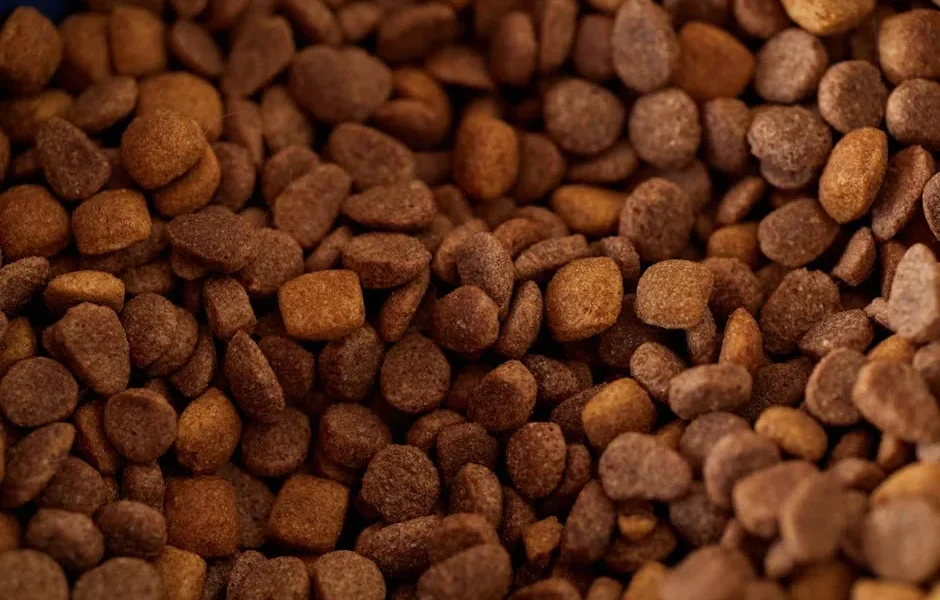
- Pets’ caloric needs can change 10-90% with the seasons. This depends on climate, activity level, and if they live indoors or outdoors
- Summer dehydration risk increases by 40%. Pets need moisture-rich foods and more water
- Winter weight gain affects 25-35% of pets. This happens due to less activity and same feeding portions. Adjustments are critical
- Senior pets (7+ years) need 30% more careful seasonal monitoring. They don’t regulate temperature as well
- Seasonal allergies, coat changes, and activity level changes all need specific nutritional adjustments throughout the year
I’ll be honest with you: for the first few years of practice, I didn’t think much about Seasonal Nutrition for Pets: Adjusting Your Dog or Cat’s Diet Throughout the Year 2025.
Then I started noticing a pattern.
Every January, I’d see the same Labrador — let’s call him Duke. He’d somehow gained 8 pounds over winter.
Every July, the same Persian cat would come in dehydrated. This was despite having water bowls everywhere.
It hit me that we veterinarians were missing something fundamental. Our pets’ nutritional needs aren’t static. They shift with the seasons just like ours do.
Climate-controlled homes haven’t eliminated this reality. They’ve just made it less obvious.
Your dog’s metabolism doesn’t care that your thermostat is set to 72°F year-round. Her morning walks go from balmy May strolls to frigid February sprints.
Your indoor cat’s water needs spike when summer humidity drops and furnace heat kicks in.
So why does this matter now, in 2025?
Because we’re seeing unprecedented climate variability. We’re seeing extended summer seasons and more extreme temperature swings.
The old “feed the same amount year-round” advice? It’s outdated and potentially harmful.
Why Seasonal Nutrition Actually Matters for Your Pet
Let’s talk numbers for a second.
Dogs living in genuinely cold climates can require 30-90% more calories during winter. They need this just to maintain body temperature.
That’s not a typo — nearly double the food.
Meanwhile, the average indoor cat needs only about 10-15% adjustment. But those small changes add up fast on a 10-pound frame.
The Association for Pet Obesity Prevention found that 25-35% of pets gain noticeable weight during winter months.
Why?
Their humans kept feeding them the same portions while activity levels dropped by an average of 35%.
It’s simple math: same calories in, fewer calories out equals pudgy pets.
But it’s not just about weight. Seasonal changes affect:
- Hydration status (40% higher dehydration risk in summer)
- Coat quality and shedding patterns
- Immune function and allergy responses
- Energy levels and behavior
- Digestive efficiency and gut microbiome composition
Recent 2024 research even shows that pet microbiomes shift seasonally.
Your dog’s gut bacteria in January aren’t identical to his gut bacteria in July. This means rotating probiotic strains quarterly might actually optimize digestive health.
If you’re already thinking about preventive care strategies, seasonal nutrition should be part of that conversation.
Step 1: Assess Your Pet’s Current Baseline and Living Conditions
Before you change anything, you need to know where you’re starting.
Here’s what matters:
Indoor vs. Outdoor Living
This is the biggest variable.
An outdoor livestock guardian dog in Montana needs completely different seasonal adjustments than a Chihuahua who lives in a Miami apartment.
Indoor-only cats need subtler changes than barn cats. But they still need changes.
Temperature-controlled environments reduce but don’t eliminate seasonal nutrition needs.
Your indoor pet still experiences:
- Changes in natural light exposure (affecting circadian rhythms)
- Variations in activity level based on weather limiting outdoor time
- Indoor humidity shifts (furnace heat, air conditioning)
- Your own seasonal routine changes affecting their schedule
Body Condition Scoring
Learn to body condition score your pet properly.
On a 9-point scale, your dog or cat should be around 4-5. This means ribs easily felt but not visible. It means visible waist from above. It means abdominal tuck from the side.
Do this assessment at the start of each season. Around March 20, June 20, September 20, and December 20.
Take photos from above and the side.
Weight alone doesn’t tell the whole story. A dog can maintain the same weight while losing muscle and gaining fat.
Activity Monitoring
If you use a GPS pet tracker or activity monitor, review the data quarterly.
Most show a clear 25-40% activity decrease from summer to winter for typical pets.
If you don’t have tech, estimate honestly: how much does your pet actually move each day in different seasons?
Step 2: Calculate Winter Caloric Adjustments
Winter is when most pets need fewer calories if they’re primarily indoors.
But they need more calories if they’re active outdoors in cold weather.
For Indoor Pets
Reduce portions by 10-15% starting in late November if your pet’s activity decreases noticeably.
This sounds small. But for a 50-pound dog eating 900 calories daily, that’s 90-135 fewer calories. This prevents about 1-1.5 pounds of weight gain per month.
Split the reduction across meals rather than cutting one meal entirely.
If you’re feeding 1 cup twice daily, go to 7/8 cup twice daily.
For Outdoor/Active Cold-Weather Pets
Working dogs, outdoor cats, and pets who spend significant time in temperatures below 45°F need more calories.
Start with a 20% increase for moderately cold conditions. This means 35-45°F for several hours daily.
For extreme cold (below 20°F) or extended outdoor time, increase by 30-50%.
Focus on calorie-dense, high-fat foods during winter.
Fat provides 9 calories per gram versus 4 for protein or carbs. So it’s the most efficient fuel for thermogenesis.
Coat Support Nutrition
Pets growing winter coats need 20-25% more protein. They need increased essential fatty acids starting in September-October.
Look for foods with quality animal protein as the first ingredient. Look for omega-3 fatty acid sources like fish oil.
Supplementing with 1000mg EPA/DHA daily for an average 50-pound dog supports both coat health and reduces inflammation.
Cats need about 250mg daily.
Step 3: Implement Summer Hydration and Cooling Strategies
Summer nutrition is fundamentally about hydration and preventing heat stress.
Dehydration risk jumps 40% during hot months. Cats are particularly vulnerable.
Increase Moisture Content
If your pet eats primarily kibble, add water or low-sodium broth to create a “soup.”
Let it sit for 5-10 minutes before serving so it softens.
Or transition to incorporating wet food. Even one wet meal daily makes a significant difference.
Cats especially need this.
They should consume 50-60ml water per kilogram of body weight daily in summer.
A 10-pound cat (4.5kg) needs about 225-270ml daily. That’s nearly a full cup.
Most cats won’t drink that much. So moisture must come from food.
Adjust Feeding Times
Feed during cooler parts of the day. Early morning and evening.
Digestion generates heat (called the thermic effect of feeding). So you don’t want your pet digesting a big meal at 2 PM in July.
Consider smaller, more frequent meals.
Three smaller meals spread across the day create less metabolic heat than two large meals.
Safe Cooling Foods
These can be incorporated as small treats or meal toppers. Use no more than 10% of daily calories:
- Frozen watermelon cubes (seedless, no rind) — 92% water
- Plain frozen blueberries — antioxidant-rich
- Ice cubes made from low-sodium bone broth
- Sliced cucumber — hydrating and low-calorie
- Plain yogurt frozen in puzzle toys (if dairy-tolerant)
Never give grapes, raisins, xylitol-containing foods, chocolate, or anything with artificial sweeteners.
Prevent Food Spoilage
Wet food spoils faster in heat.
Don’t leave it out longer than 30-60 minutes in summer.
Refrigerate open cans and use within 3 days.
Kibble should be stored in airtight containers in cool, dry places. Hot garages aren’t ideal.
Step 4: Navigate Spring Transition and Allergy Season
Spring is transition time.
Your pet is shedding winter coat. Activity is increasing. And 10-15% of dogs and cats deal with seasonal allergies.
Support Shedding Season
Increase zinc and B-vitamins to support healthy skin and coat turnover.
Foods rich in these include:
- Beef (zinc, B12)
- Egg (biotin, B vitamins)
- Salmon (omega-3s, B vitamins)
- Pumpkin (zinc, fiber)
Gradually reduce the extra protein and fat you added for winter coat growth.
Transition over 7-10 days to avoid digestive upset.
Allergy-Supporting Nutrition
Omega-3 fatty acids reduce inflammatory responses.
For dogs with spring allergies, 1000mg EPA/DHA daily can help. That’s about 1 teaspoon of quality fish oil for a 50-pound dog.
Some pets benefit from limited ingredient diets during allergy season. This means removing common environmental trigger foods. Though true food allergies are less common than environmental allergies.
If you’re dealing with complex dietary issues, understanding grain-free and other specialized diets becomes important.
Gradually Increase Portions
As activity naturally increases in spring, watch body condition closely.
You may need to increase food by 10-20% as walks get longer and outdoor play increases.
Do this gradually. Add 10% and reassess in two weeks.
Step 5: Prepare for Fall Activity Changes and Holiday Season
Fall brings cooler weather, often increased activity, and the lead-up to holiday season challenges.
Boost Nutrition for Active Fall Months
September and October are often peak activity months.
Perfect hiking weather. Comfortable temperatures. Longer outdoor adventures.
Working dogs and hunting breeds especially ramp up activity.
Monitor your pet’s body condition weekly during this period.
Highly active pets may need 20-30% more food during fall peak activity. This is especially true for dogs doing agility, flyball, herding work, or going on regular long hikes.
Prepare for Winter Coat Growth
Start increasing protein and essential fatty acids in mid-October for most climates. Earlier if you’re in northern regions.
This supports the winter coat growth cycle that naturally begins as daylight decreases.
Plan for Holiday Challenges
Thanksgiving through New Year’s is when most pets gain unwanted weight.
Plan ahead:
- Reduce regular meals by 10-15% if you know you’ll be giving extra treats
- Reserve healthy treats (small pieces of cooked plain turkey, green beans, pumpkin)
- Keep toxic foods completely off-limits (onions, garlic, grapes, chocolate, xylitol, fatty bones)
- Maintain exercise routines even when your schedule is busy
Step 6: Adjust for Life Stage and Special Needs
Age and health status significantly affect seasonal nutrition requirements.
Senior Pets Need Extra Attention
Dogs and cats 7+ years old have 30% less efficient thermoregulation. Younger for giant breeds.
They feel temperature extremes more acutely. They need more careful seasonal adjustments.
Senior pets may need:
- Smaller, more frequent meals (better for metabolism)
- Higher-quality protein sources (more digestible)
- Joint-supporting nutrients increased in active seasons
- More dramatic calorie reductions in sedentary winter months
- Enhanced hydration strategies year-round
Regular veterinary check-ups become even more critical.
Your vet can catch subtle weight or condition changes before they become problems.
Speaking of which, both canine routine check-ups and feline routine visits should include body condition assessments.
Puppies and Kittens
Young, growing animals need consistent, high-quality nutrition year-round.
Don’t restrict calories seasonally during growth phases. Generally first 12-18 months depending on breed size.
However, do adjust activity levels seasonally.
Young animals playing in extreme heat or cold need supervision and appropriate environmental modifications.
Pets with Chronic Conditions
Seasonal adjustments get more complex with conditions like diabetes, kidney disease, or heart disease.
For example, if your diabetic pet needs insulin therapy, any caloric changes require corresponding insulin dose adjustments.
Always consult your veterinarian before making seasonal changes if your pet has a diagnosed medical condition requiring therapeutic nutrition.
Common Mistakes to Avoid
After years of consultations, I see the same errors repeatedly:
Mistake 1: Changing Too Much, Too Fast
Even when transitioning for seasonal reasons, change gradually.
Sudden diet changes cause digestive upset. Vomiting, diarrhea, appetite loss.
Transition over 7-10 days minimum. Mix increasing amounts of the new portion size or food type with the old.
Mistake 2: Using Human Appetite as a Guide
“But he acts like he’s starving!”
I hear this constantly.
Dogs especially will act hungry regardless of whether they actually need more food.
It’s evolutionary. In the wild, you eat when food is available because you don’t know when the next meal comes.
Use body condition scoring and weight trends, not begging behavior, to guide portion decisions.
Mistake 3: Forgetting About Treats
Treats count.
If you’re giving training treats, dental chews, bully sticks, or table scraps, those calories must be factored into daily totals.
Treats should be no more than 10% of daily calories.
A 50-pound dog needing 900 calories daily should get maximum 90 calories from treats. That’s about 3-4 medium dog treats, not a whole bag.
Mistake 4: Seasonal Adjustments Without Activity Monitoring
Don’t assume seasonal patterns.
Your specific pet might be more active in winter (loves snow) or less active in summer (hates heat).
Base adjustments on actual activity and body condition for your individual animal.
Mistake 5: Ignoring Water Intake
Especially in winter, pets drink less because they’re less thirsty.
But dry air from heating systems still causes fluid loss.
Monitor water bowl levels daily. If intake drops significantly, add moisture to food.
Mistake 6: Seasonal Foods Without Safety Checks
Fall means pumpkin spice everything. But nutmeg is toxic to pets in significant amounts.
Spring means Easter lilies (extremely toxic to cats).
Summer means picnics with corn cobs (intestinal blockage hazard) and grapes (kidney failure risk).
Winter means chocolate everywhere.
Always verify safety before sharing seasonal foods. When in doubt, stick to pet-specific foods.
Pro Tips for Successful Seasonal Nutrition
Here’s what I tell my clients who really want to optimize their pets’ year-round nutrition:
Tip 1: Set Quarterly Calendar Reminders
Put reminders on March 1, June 1, September 1, and December 1.
Assess body condition. Review activity levels. Adjust portions accordingly.
Make it routine, not reactive.
Tip 2: Keep a Simple Log
Write down or photograph: weight, body condition score (1-9 scale), daily food amount, activity level (low/moderate/high), and any health issues.
Review quarterly