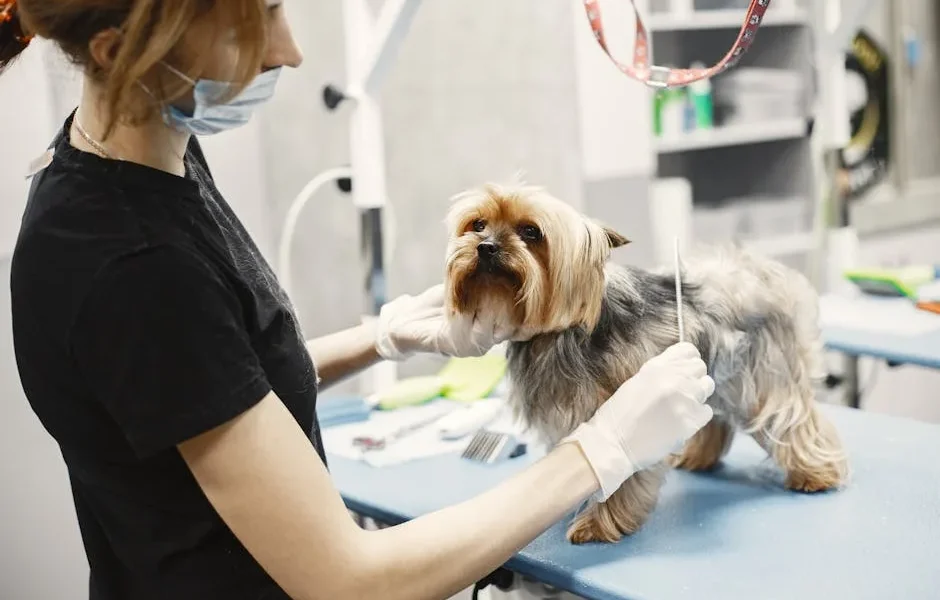
- Start looking before you move. Many clinics make new patients wait 2-4 weeks. Finding a vet early helps you avoid emergencies.
- Check credentials through state boards. Look for AAHA accreditation. Only 15% of practices have it, but it means they meet over 900 care standards.
- Schedule a wellness visit in your first month. This creates medical records, builds trust, and helps you learn their emergency plans before you need them.
I’ve moved four times in my career. Each time, I had to find new vets for my pets—two dogs and one cat with health problems.
It’s one of the most stressful parts of moving. You’re trusting someone with a family member’s health. You don’t have years of history with them yet.
But I’ve gotten good at finding trustworthy vet clinics in new cities. I want to share what works for me and what I tell my clients.
About 35-40 million Americans move each year. And 67% of households own pets. So you’re not alone in this search.
The good news? There’s a clear approach that helps you find great clinics and avoid bad ones. Let’s go through it.
1. Start Your Search Before Moving Day
Here’s what most people don’t know: veterinary clinics are very busy. After 2020, many areas have 2-4 week waits for new patients.
If you wait until after you move, your pet might go months without care. Or worse, you’ll end up at an emergency clinic for something simple because you couldn’t get in anywhere else.
Start your search 4-6 weeks before you move. Ask your current vet for help. They often know vets in other cities.
Request your pet’s complete medical records early. Most clinics need 3-5 business days to gather everything. Make sure vaccination records are current. Having a current rabies certificate makes things much easier.
Does your pet have ongoing medical needs? This could be chronic conditions, prescription medications, or specialty care. Then this timeline is even more important.
You’ll want enough medication to bridge any gaps. You might need referrals to specialists in your new area. Don’t assume you can “figure it out later.” Later comes fast. Pharmacies won’t refill prescriptions without an established relationship with a vet.
2. Verify Credentials and Accreditations That Actually Matter
Not all veterinary clinics are the same. The differences matter more than you’d think.
Start with basics: Check that vets are licensed with your state’s veterinary board. Most states have online databases. You can check credentials and see if there have been any disciplinary actions.
It takes five minutes. But only 12% of pet owners do this step.
Then look for AAHA accreditation. The American Animal Hospital Association certifies only about 15% of U.S. practices.
To earn certification, clinics must meet over 900 standards. These cover everything from pain management to medical records to equipment maintenance. It’s voluntary. That means accredited hospitals chose to meet higher standards.
Is it the only marker of quality? No. But it’s a reliable one.
I also like Fear Free certification. This newer designation means staff trained in low-stress handling. They reduce pet anxiety during visits.
If you have a nervous dog or a cat who panics at the vet, this makes a huge difference. It shows the practice cares about emotional experience, not just medical care.
3. Read Reviews Strategically (Not Just Emotionally)
About 73% of pet owners read online reviews before picking a vet. But you need to read them critically.
Yes, check Google reviews, Yelp, and local Facebook groups. But focus on patterns, not individual complaints. Every clinic will have some negative reviews. That’s just statistics when you see hundreds of patients monthly.
What should concern you? Repeated mentions of communication problems. Surprise billing. Difficulty getting appointments. Staff being rough with animals.
What shouldn’t worry you? A single bad review about wait times. Or one grumpy receptionist. We all have off days. Emergencies sometimes back up schedules.
I also recommend checking breed-specific forums or NextDoor for your new neighborhood. These tend to have more detailed discussions than Google reviews.
People share experiences with specific conditions. They talk about surgical outcomes. They explain how clinics handled complicated cases. That’s valuable when you’re trying to assess actual medical competence, not just customer service.
4. Make Initial Phone Calls to Narrow Your List
Once you’ve found 3-5 potential clinics, pick up the phone. I know nobody likes making calls anymore. But you’ll learn so much in a 5-minute conversation.
Pay attention to how the receptionist treats you. Are they patient with questions? Do they sound rushed or genuinely helpful? Front desk staff often set the tone for the whole practice.
Ask specific questions: What are their hours? Do they have same-day appointments for urgent concerns? What’s their after-hours emergency protocol?
Do they have their own emergency service or do they refer out? If they refer, where do they send patients? What’s that relationship like?
You’ll want to know the location of your nearest 24-hour emergency clinic anyway. 62% of pet owners don’t know this crucial information. So this is the time to ask.
Also ask about pricing transparency. Good clinics should provide cost estimates for common services. Things like wellness exams, vaccinations, spays and neuters.
If they’re secretive about discussing money, that’s a warning sign. You don’t need exact quotes. But you should get a general sense of whether wellness exams cost $75 or $200.
Regional variations are real. You need to budget accordingly.
5. Schedule a Meet-and-Greet or Initial Wellness Visit
Some clinics offer brief meet-and-greet appointments. You can tour the facility and meet vets without doing a full exam. Others will suggest scheduling a wellness visit even if your pet doesn’t technically need one yet.
Either option works. The goal is seeing the place before you commit.
What should you observe? Cleanliness is non-negotiable. I don’t mean sterile and cold. Some of my favorite clinics have a homey feel.
But exam rooms should be sanitized between patients. Floors should be clean. You shouldn’t smell urine or feces in waiting areas.
Watch how staff interact with animals. Do they move slowly and speak softly to nervous pets? Do they let dogs sniff them before reaching out to pet?
Pay attention to the questions the vet asks you. Good vets take thorough histories. They’ll want to know about diet, behavior changes, past medical issues, and your concerns—even for a routine visit.
If someone seems rushed or dismissive of your questions, trust your gut. You’re going to work with this person for years, hopefully. You need someone who listens.
This is also an excellent time to discuss your pet’s specific needs. This is similar to the proactive approach discussed in preventive care for dogs and routine care for cats.
6. Understand What Emergency Coverage Looks Like
This is critical. People often overlook it until it’s 2 a.m. and their dog just ate a box of chocolate.
Does your clinic offer after-hours emergency service? Many general practices don’t. That’s not necessarily bad. But you need to know where they refer emergencies and how that handoff works.
If your clinic doesn’t have 24-hour coverage, immediately locate the nearest emergency hospital. Program that address into your phone. Drive there during daylight so you know the route.
Find out if your primary vet communicates with the emergency clinic. Do records transfer smoothly? Will your vet follow up after an emergency visit?
I can’t stress this enough: The middle of a crisis is not when you want to be googling emergency vets.
I’ve worked in emergency medicine for 15 years. I’ve seen too many pets arrive later than they should have. This happened because owners didn’t know where to go.
Having an emergency kit prepared and knowing your emergency options are equally important parts of responsible pet ownership.
7. Look for Red Flags That Should Send You Running
Some warning signs should immediately disqualify a clinic.
If you can’t tour the facility or they won’t let you see treatment areas, that’s concerning. Good practices are generally happy to show you around. They might limit access to surgical areas or ask you not to visit during busy hours. But they should be willing to show you.
High-pressure sales tactics are another red flag. Yes, your pet might benefit from certain preventive care products or services. But you should never feel bullied into decisions.
A good vet presents options. They explain why they’re recommending something. They respect your choice if you need time to think or if cost is a concern.
If someone pushes hard for expensive diagnostics without clear justification, walk away. Same if they won’t discuss alternative approaches.
Unwillingness to provide references is suspicious. So is resistance to second opinions. I’ve referred countless patients to specialists. I’ve encouraged owners to get additional perspectives when cases were complex.
That’s not threatening. That’s good medicine.
Also check that state veterinary board database I mentioned. Any history of serious disciplinary actions should give you pause.
8. Consider Your Pet’s Specific Needs
If you have a healthy young dog or cat, most general practices will serve you well.
But if your situation is more specialized, you’ll need to narrow your search. Do you have an exotic pet? Things like reptiles, birds, or pocket pets? You’ll need a vet with specific training in exotic medicine. That eliminates most general practices.
Pets with chronic conditions might need specialists. If your dog has diabetes, you’ll want a clinic familiar with insulin therapy management. If your cat has heart disease, access to cardiology referrals matters.
Senior pets often need more frequent monitoring and age-appropriate care.
Also consider practical factors like multi-pet households. Some clinics offer discounts for multiple pets. They might schedule appointments back-to-back.
If you have mobility issues or your pet has severe car anxiety, look into mobile veterinary services. These have grown a lot. They might be perfect for your situation. They bring the clinic to you. This can be a game-changer for stressed cats or elderly dogs.
9. Understand Cost Structures and Payment Options
Let’s talk money, because it matters.
Veterinary care costs vary a lot by region and type of practice. The average routine visit ranges from $50-250. But emergency visits can hit $800-1,500 or more.
Before committing to a clinic, understand their payment policies. Do they require payment at time of service? Do they accept pet insurance? If so, which companies?
Some practices offer wellness plans. These are monthly payment programs that cover routine care. Things like exams, vaccinations, and preventive testing. These can be budget-friendly if you’re good about keeping up with preventive care and vaccinations.
Others work with third-party financing like CareCredit for larger unexpected expenses.
Don’t be shy about these conversations. A good clinic will be upfront about costs. They’ll work with you to find solutions that fit your budget while still providing necessary care.
What they shouldn’t do is make you feel guilty for discussing finances. They shouldn’t present treatment plans without any cost discussion until you’re checking out.
10. Give the Relationship Time to Develop (But Trust Your Instincts)
Finding a vet is a bit like dating. Sometimes you need a few interactions to really know if it’s a good fit.
Don’t expect perfection from day one. But do pay attention to how you feel after each visit. Do you feel heard? Does the vet explain things in ways you understand? Are you confident in their medical judgment?
That said, if something feels off, don’t ignore it.
I’ve had clients tell me they stayed with vets they didn’t trust. They felt like they’d already committed. Or they didn’t want to seem difficult. Your pet’s health is too important for that.
If you’re consistently uncomfortable, anxious about visits, or questioning recommendations, it’s okay to switch clinics. Most vets won’t take it personally. We know fit matters.
Give yourself permission to try a couple of places if needed. Transfer records and try someone new.
The right veterinary relationship is collaborative. It’s built on communication and trust. It’s worth the effort to find. When you click with a vet who really gets your pet and your concerns, you’ll know.
Final Thoughts
Moving to a new city is chaotic enough. You don’t need the added stress of finding quality veterinary care.
But approaching the search systematically makes it manageable. Start early. Verify credentials. Visit facilities in person. Trust your observations.
The right clinic will make you feel welcomed. They’ll keep you informed. They’ll treat your pet with the compassion they deserve.
Remember, you’re not just finding a service provider. You’re building a healthcare partnership that could last a decade or more.
Here’s what I want you to do today: If you’re planning a move, add “research vets in new city” to your moving checklist right now.
Request medical records from your current vet if you haven’t already.
And if you’ve recently moved and haven’t established care yet, make that your priority this week. Don’t wait for an emergency. Don’t wait for vaccines to lapse.
Schedule that first wellness visit and start building the relationship your pet needs. Future you—probably at 2 a.m. with a sick pet—will be incredibly grateful you did the groundwork now.
Sources & Further Reading
- American Veterinary Medical Association — Official pet care resources and guidance on finding qualified veterinarians
- American Animal Hospital Association — Accreditation standards and searchable database of certified practices
- American Pet Products Association — National pet ownership statistics and industry trends
- ASPCA Moving With Pets — Comprehensive guide to relocating with animals and establishing care