
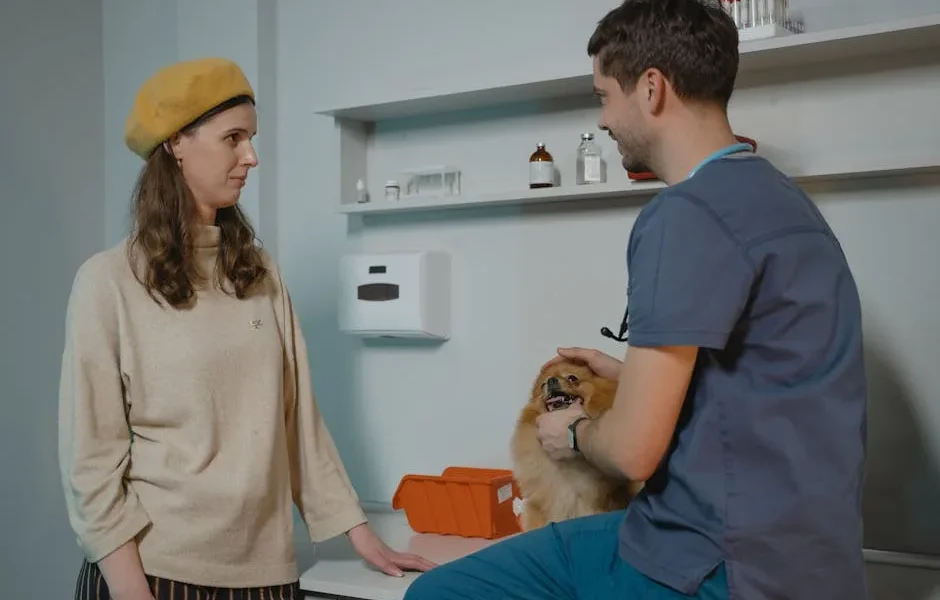
- A First Vet Visit Checklist helps you check if the clinic is clean, the staff is skilled, and the vet talks to you in a way that works for you.
- Watch for warning signs like pushy sales, unclear prices, or rough handling of pets. These mean you should look elsewhere.
- Ask important questions before your visit about emergencies, pricing, and payment options. This helps you avoid surprises.
Why Your First Vet Visit Deserves Serious Evaluation
Picking a veterinarian isn’t like picking a restaurant. You can’t just try another one next week if it’s not great.
This relationship might last a decade or more. You’ll see them for puppy shots, health problems in middle age, and hard decisions at the end of life.
I learned this the hard way years ago. I switched clinics after my dog got a chronic condition. My new vet’s approach was completely different. Starting over with medical records and building trust from scratch? Not fun.
That’s why having a proper First Vet Visit Checklist matters so much. There’s a projected shortage of 15,000 veterinarians by 2030. And 78% of pet owners switch vets because of poor communication.
You need to get this decision right the first time. The good news? You can tell if a clinic fits your pet’s needs during that first visit. You just need to know what to look for.
Here’s something many pet owners don’t realize: it’s completely okay to “shop around” before committing. Vets understand that finding the right fit helps everyone, especially your pet.
Step 1: Do Your Homework Before Scheduling
Your evaluation starts before you walk through the door. When you call to schedule that first appointment, you’re learning about how the practice works.
Questions to Ask Over the Phone
Don’t be shy about asking detailed questions. A quality clinic expects them:
- What’s included in a new patient exam? Standard wellness visits cost $50-$250 depending on location. But what you get for that price varies a lot.
- What are your emergency or after-hours policies? 67% of pet owners don’t know this information about their own vet.
- Do you accept pet insurance, and which companies? This can save you headaches later when filing claims.
- What payment options do you offer? CareCredit, payment plans, or upfront payment only?
- How far out are you booking new patients? The 2-3 week average tells you about demand and staffing.
Pay attention to how the receptionist handles these questions. Are they patient and helpful? Or rushed and annoyed?
That front desk interaction often shows the clinic’s overall culture.
Online Research That Actually Matters
Check if the clinic is AAHA-accredited. Only 15% of U.S. practices earn this designation.
It requires meeting over 900 standards for equipment, protocols, and facility quality. It’s not required, but it’s a solid sign of commitment to excellence.
Look for Fear Free certification too. These 8,000+ clinics specifically train staff to reduce pet anxiety during visits.
If your dog trembles at the sight of a vet’s office or your cat turns into a hissing tornado, this matters.
Step 2: Assess the Physical Environment
Walk in with your eyes open. Literally. The physical space tells you a lot about standards and priorities.
Cleanliness Checklist
Is the waiting room clean and odor-free? Veterinary clinics deal with sick animals, accidents, and bodily fluids. But you shouldn’t smell or see evidence of poor cleaning.
Check:
- Floor condition (clean, not sticky or stained)
- Exam room surfaces (wiped down between patients)
- Overall smell (mild antiseptic is fine; strong urine or feces odor is not)
- Clutter levels (organized chaos vs. actual disorganization)
I once visited a clinic where the exam table still had fur from the previous patient. We didn’t go back.
Equipment and Facility Quality
Modern veterinary medicine requires proper tools. You don’t need to be an expert to notice whether equipment looks current and well-maintained.
Or does it look outdated and worn?
If 82% of practices now offer online booking and client portals, they should also invest in quality medical equipment.
Look for separate waiting areas for cats and dogs if possible. This reduces stress for cats who really don’t appreciate barking dogs three feet away.
Step 3: Observe Staff Interactions and Handling
How the veterinary team treats your pet during that first visit reveals everything about their training and philosophy.
Watch the Handling Techniques
Gentle but confident handling is the gold standard.
Staff should:
- Approach pets calmly, allowing them to sniff and adjust
- Use minimal restraint necessary for safety
- Speak in soothing tones (yes, even to that grumpy cat)
- Take breaks if your pet becomes too stressed
Red flag alert: if anyone gets rough, impatient, or dismissive of your pet’s fear, that’s your cue to leave.
There’s never an excuse for harsh handling during a routine appointment.
Staff-to-Staff Communication
Listen to how team members talk to each other. Is there mutual respect?
Do they communicate clearly about your pet’s care? A dysfunctional team often provides inconsistent care.
Also note the staffing levels. If the veterinarian seems overwhelmed or the technicians are running ragged, that practice might be understaffed.
This affects the quality of attention your pet receives.
Step 4: Evaluate the Veterinarian’s Communication Style
This is the heart of the matter. Your vet’s medical knowledge matters, absolutely.
But if they can’t explain things in a way you understand, the relationship won’t work. Or if they don’t actually listen to your concerns.
Green Flags for Veterinarian Communication
- They let you finish sentences without interrupting
- They ask open-ended questions about your pet’s behavior and history
- They explain diagnoses and treatment options in plain language
- They welcome questions and answer them thoroughly
- They discuss costs before performing procedures
- They present multiple treatment options when appropriate, not just the most expensive one
Remember, 78% of people who switch vets cite feeling rushed or communication problems. Trust your gut here.
Treatment Philosophy Alignment
Do you prefer aggressive, cutting-edge treatments? Or conservative, watch-and-wait approaches?
Neither is wrong, but your vet’s default philosophy should align with yours.
During your first visit, pay attention to how they discuss preventive care, vaccination schedules, and treatment recommendations.
Ask about their stance on topics that matter to you. Interested in grain-free diets or nutritional approaches?
Want to understand their vaccination protocol? These conversations reveal compatibility.
Step 5: Understand Pricing and Financial Transparency
Money conversations are awkward. But they’re necessary.
A good clinic won’t make you feel bad for asking.
What to Expect Cost-Wise
That first wellness exam typically runs $50-250. Urban clinics charge 20-30% more than rural practices.
But what’s included? A thorough exam should involve:
- Complete physical examination
- Discussion of medical history
- Weight and body condition assessment
- Parasite screening recommendations
- Vaccination discussion (though initial vaccines may cost extra)
Some clinics bundle first-visit services. Others charge à la carte.
Neither approach is inherently better, but you deserve to know upfront.
Red Flags Around Money
Be wary if the clinic:
- Refuses to provide cost estimates before treatment
- Pressures you into unnecessary tests or procedures
- Doesn’t discuss payment options until checkout
- Dismisses your budget concerns
- Offers only the most expensive treatment without discussing alternatives
Financial transparency is becoming the industry standard. Several states are even considering legislation requiring upfront cost estimates.
Major chains are voluntarily publishing price lists online.
Wellness Plans and Preventive Packages
Many clinics offer wellness plans. These spread preventive care costs throughout the year.
Practices with these plans see 40% better client retention. Pets receive 2.5x more preventive care visits annually.
Ask about them during your first visit. They can make routine check-ups more affordable.
Step 6: Clarify Emergency and After-Hours Care
This isn’t the fun stuff to think about, but it’s crucial.
When your pet has a sudden emergency at 2 AM, you need to know exactly what to do.
Questions About Emergency Protocol
- Do you provide after-hours emergency care?
- If not, which emergency clinic do you recommend?
- Do you coordinate with that emergency facility for continuity of care?
- Can I reach someone after hours for phone consultation?
- What constitutes a true emergency vs. something that can wait?
Some clinics offer 24/7 care. Others refer to emergency hospitals.
Neither is wrong, but you need this information before panic sets in during a crisis.
Consider preparing a pet emergency kit and keeping emergency contact numbers easily accessible.
Step 7: Test Their Technology and Communication Systems
Modern veterinary care includes modern communication. How easy is it to reach the clinic and access your pet’s information?
Technological Conveniences
As of 2024, 82% of practices offer online appointment booking and client portals. Does this clinic?
Can you:
- Schedule appointments online
- Access medical records digitally
- Request prescription refills through a portal
- Receive appointment reminders via text or email
- Review invoices and pay bills online
These aren’t just nice-to-haves. They reflect a practice keeping pace with modern standards and respecting your time.
Telemedicine Options
Following regulatory changes, virtual vet consultations have grown 200%.
Many clinics now offer hybrid care models. These combine in-person visits with remote follow-ups.
This can be incredibly convenient for medication adjustments, behavioral consultations, or checking on recovery progress. No stress of transporting your pet.
Common Mistakes Pet Owners Make During First Vet Visits
Let’s talk about what not to do. I’ve made some of these mistakes myself.
Being Too Polite to Ask Questions
This isn’t the time to be overly polite. Your pet’s health depends on your understanding.
If something isn’t clear, ask again. And again. A good veterinarian appreciates engaged pet owners.
Ignoring Your Gut Feeling
If something feels off—the staff seems dismissive, the vet talks down to you, the facility makes you uncomfortable—listen to that instinct.
You don’t need to rationalize staying somewhere that doesn’t feel right.
Focusing Only on Price
Yes, veterinary care costs money. Sometimes a lot of money.
But the cheapest option isn’t always the best value. Consider the whole package: expertise, communication, convenience, and quality of care.
That said, expensive doesn’t automatically mean better either.
Not Preparing Your Pet’s Medical History
Bring previous medical records, vaccination history, current medications, and a list of any health concerns.
This information helps your new vet provide better care from day one. It shows you’re a prepared, responsible pet owner.
Accepting Vague Answers About Costs
Don’t leave without understanding what you’re paying for.
If the estimate seems high, ask for a breakdown. Request to see less expensive alternatives if cost is a concern.
Tips for Making the Most of Your First Visit
Bring a List of Questions
You’ll forget something if you don’t write it down.
Include questions about your pet’s specific breed, age-related concerns, dietary recommendations, parasite prevention, and any behavioral issues you’ve noticed.
Observe Before the Appointment Starts
Arrive 10-15 minutes early. Watch how staff interact with other clients and pets.
Is the waiting room chaotic or calm? Are appointment times respected? Or do people wait significantly past their scheduled time?
Ask About Specialists and Referrals
Eventually, your pet might need specialized care. Orthopedics, cardiology, oncology.
Ask which specialists the clinic works with and how referrals are handled. Established relationships with quality specialists matter.
Discuss Chronic Condition Management
If your pet has diabetes, allergies, or other ongoing conditions, discuss the clinic’s approach.
For example, managing diabetes requires regular monitoring and adjustments.
Make sure the practice can provide consistent care for complex cases.
Request a Tour
Many clinics will show you the treatment areas, surgery suite, and hospitalization areas if you ask.
This transparency builds trust. You get to see where your pet would be cared for during procedures.
Special Considerations for Different Pets
Exotic Pet Owners
Not all vets treat rabbits, birds, reptiles, or pocket pets.
If you have an exotic animal, confirm the veterinarian’s specific experience. Ask about continuing education in exotic medicine.
These specializations require additional training.
Senior Pet Parents
Older animals need more frequent monitoring. They often have multiple health concerns.
Look for clinics experienced in geriatric care. They should offer senior wellness programs and understand the nuances of aging pet health.
Pets with Behavioral Issues
If your dog has aggression issues or severe anxiety, special handling is needed. If your cat’s fear makes vet visits traumatic, that’s also a concern.
Specifically ask about behavioral support services.
Ask whether the staff has training in low-stress handling techniques.
The Second Opinion Question
What if you’re already established somewhere but considering a change? Or what if you want another perspective on a diagnosis?
Seeking second opinions is completely acceptable in veterinary medicine.
You don’t need to hide it or feel guilty. Most veterinarians respect that pet owners want to make informed decisions, especially for serious diagnoses or expensive treatments.
When requesting records to take elsewhere, you’re legally entitled to copies. Practices typically provide them for a small fee or sometimes free.
Just be honest: “I’d like to get a second opinion before moving forward with this treatment plan.”
Building a Long-Term Relationship
Finding the right clinic is just the beginning. The real value comes from consistent care over years.
Once you’ve chosen a clinic, stick with it for routine care. Continuity matters.
The same veterinarian seeing your pet for regular wellness exams will notice subtle changes.
These might indicate emerging health problems. They’ll know your pet’s normal baseline and can spot deviations quickly.
Communicate between visits too. If you notice changes in appetite, behavior, energy level, or bathroom habits, don’t wait.
Don’t wait for the next appointment to mention it. Good clinics encourage this ongoing dialogue.
When Corporate Ownership Matters
Here’s something to consider: as of 2024, corporate ownership has reached 35% of all U.S. veterinary clinics.
This consolidation raises questions about care quality and pricing transparency.
Corporate ownership isn’t automatically bad, but it can mean:
- Less pricing flexibility
- Mandatory upselling of certain products or services
- Higher staff turnover as veterinarians become employees rather than practice owners
- Standardized protocols that may not account for individual patient needs
On the flip side, corporate practices often have better technology. They may have extended hours and more specialists available.
Ask who owns the practice and how that affects treatment decisions.
Final Thoughts
Choosing a veterinarian might feel overwhelming, but remember this: you’re interviewing them as much as they’re evaluating your pet.
The first visit isn’t a commitment—it’s information gathering. Trust develops over time through consistent, quality interactions.
Pay attention to the combination of factors: clinical expertise, communication quality,