
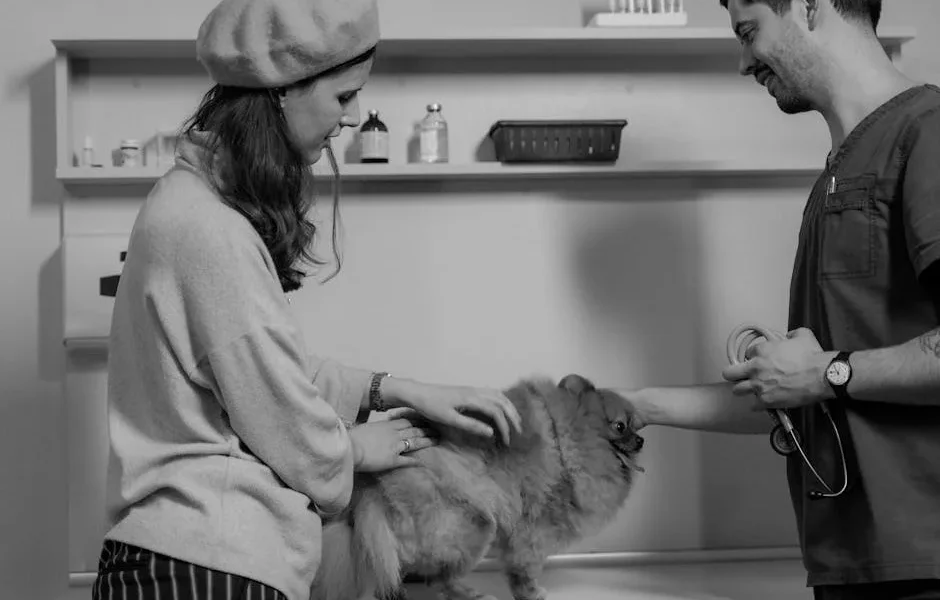
- The veterinary practice legally owns pet medical records. But you can request copies. Most practices must give them to you within 5-15 business days.
- Digital record transfers are now normal in 2025. About 85% of practices use electronic systems. These make transfers faster and more secure.
- Complete medical record transfers help a lot. They reduce duplicate testing by 40-60%. Your new vet can provide better care right away.
I’ll be honest. I moved three times in five years. Each time, getting my dog Max’s medical records was hard. It felt like trying to get secret government documents.
But here’s the thing. Learning how to transfer your pet’s medical records when switching vets in 2025 doesn’t have to be that hard. Most veterinary practices now use digital systems. There are also clearer rules about record access. The process has gotten much simpler.
You might be moving across the country. You might be switching to a specialist. Or maybe you just found a practice that fits better. Either way, getting your pet’s complete medical history to their new vet is very important for good care.
Why does this matter so much? Without those records, your new vet starts from scratch. That means possibly repeating expensive tests. It means missing important information about allergies or chronic conditions. Worst case? The vet might prescribe something that conflicts with your pet’s medical history.
Let’s walk through exactly how to make this transition smooth.
1. Understand Your Legal Rights to Your Pet’s Medical Records
Here’s something that surprises many pet owners. The medical records technically belong to the veterinary practice. They don’t belong to you.
But don’t panic. That doesn’t mean you can’t access them.
Under most state veterinary medical board rules, you have the right to request copies. You can get your pet’s complete medical history. Think of it like your own medical records. The hospital owns the originals. But you can get copies whenever you need them.
The specific laws vary by state. But the general rule is the same across the country. Your vet must provide these records within a reasonable time. This is typically 5-15 business days for a written request. Many practices can do it much faster. Some states even specify exact timeframes in their veterinary practice acts.
Can a vet refuse? Not really.
The only good reasons for delay are outstanding payment issues. Or if you’re requesting records in a way that disrupts patient care. If you find a practice being uncooperative without good reason, that’s a red flag. Note this when you’re evaluating veterinary clinics.
2. Make Your Request in Writing (Email Counts!)
You might be tempted to just call and ask. But putting your request in writing is better. It creates a paper trail. It ensures nothing gets lost.
In 2025, email counts as a written request. You don’t need to send a formal letter via certified mail. Unless you’re dealing with an unusually difficult situation.
Your request should include some basic information:
Your pet’s full name. Your name as the owner. Your contact information. Your pet’s identification number or microchip number if you have it.
Specify that you want the complete medical record. This includes vaccination history, surgical reports, lab results, diagnostic imaging, medication records, and any specialist consultations.
Be clear about your preferred format. Do you want a digital PDF via email? A patient portal download? Or physical copies?
Pro tip? Tell them you’re switching vets. Provide your new vet’s contact information. Many practices will send records directly between offices. This can be even faster than going through you. Just make sure you also get a personal copy for your own files.
3. Expect to Pay a Fee (But Know It Should Be Reasonable)
Let’s talk money.
Some practices provide medical records completely free. This is especially true if you’ve been a long-term client. Others charge fees. These can range from $10-$50 for a complete record copy. Or $0.25-$1.00 per page for physical copies.
These fees cover administrative costs. Staff time, paper, postage, or digital file preparation.
What’s reasonable? A flat fee of $20-$30 for a digital copy or standard physical record is pretty typical. If you’re being quoted $100+ for basic records, that’s too much. Unless your pet has a very complex medical history spanning hundreds of pages.
Some states actually cap these fees by law. If something feels off, check with your state veterinary medical board.
Here’s a money-saving tip I learned the hard way. If you only need vaccination records for boarding or a simple wellness visit, ask specifically for just those documents. Most practices will provide basic vaccination certificates free or for a minimal fee.
You don’t necessarily need the complete file. Unless you’re establishing care with a new primary vet.
4. Leverage Digital Record Systems and Patient Portals
This is where 2025 really shines.
About 85% of veterinary practices now use electronic medical record (EMR) systems. Digital transfers have become the standard. Many practices now offer client portals. These are similar to what you might use for your own healthcare. You can log in 24/7 to view and download your pet’s records directly.
If your current vet has a patient portal, this is the fastest way to get records. You can usually download everything as a PDF within minutes. No waiting period required.
Some modern systems even allow you to grant temporary access directly to your new vet. They can pull the records into their own system seamlessly.
Not sure if your practice has a portal? Just ask. They might have added one recently. They might not have told existing clients about it.
Setting up portal access takes maybe five minutes. It can save you days of waiting time.
5. Know What Should Be Included in Complete Records
When you request your pet’s medical records, you want to make sure you’re getting everything.
A complete medical record should include:
Vaccination history with specific dates and vaccine types. Records of any surgeries or dental procedures. Laboratory test results like bloodwork, urinalysis, and fecal tests. Diagnostic imaging reports and images like X-rays and ultrasounds. Prescription medication history. Records of any chronic conditions or ongoing treatments. Growth charts and weight tracking. Notes from wellness exams and sick visits.
Don’t forget about specialist records. Has your pet seen a veterinary cardiologist, oncologist, or dermatologist? These might be separate files. Your primary vet may or may not have them in their system. You might need to request those directly from the specialist’s office.
One document that’s critical? Your pet’s current rabies certificate.
This is legally required for boarding, grooming, and often for licensing. Make sure you have the official certificate with your vet’s signature and clinic information. A notation in the medical record isn’t always enough. You need that actual certificate.
6. Plan Ahead—Don’t Wait Until You Need Urgent Care
I learned this lesson the hard way.
Max developed sudden severe vomiting on a Saturday night. We rushed to an emergency clinic. Of course, they asked for his medical records. Which were still sitting at my old vet’s office. I’d been meaning to request them but hadn’t gotten around to it.
The ER vet had to make treatment decisions without knowing his full history. This included a previous bad reaction to a particular anti-nausea medication.
If you know you’re switching vets, start the transfer process before your first appointment. Give yourself at least two weeks of buffer time.
This is especially important if you’re moving long-distance. Or switching due to a specialist referral. When you’re facing a potential emergency, having records immediately available can literally be lifesaving.
For planned moves, request records about a month before your relocation date. For routine vet changes in the same area, request them as soon as you’ve scheduled your first appointment with the new practice.
Most new veterinarians will appreciate receiving records before your visit. They can review them in advance.
7. Prepare for Interstate or International Moves
Moving across state lines or internationally with your pet? The record transfer process gets a bit more complex.
Different states have varying requirements. These are for establishing a veterinarian-client-patient relationship (VCPR). Some require specific documentation or examinations. These are needed before a new vet can prescribe medications or perform certain procedures.
For interstate moves, you’ll definitely need current health certificates and vaccination records. Particularly rabies documentation. Some states have additional requirements. Hawaii, for example, has extensive quarantine regulations.
Call your new vet before you move. Ask exactly what documentation they need to establish care immediately upon your arrival.
International moves require even more preparation.
You’ll need international health certificates. Country-specific vaccination requirements. And often additional testing like rabies titer tests. Start this process at least 3-6 months before your move. Some countries have mandatory waiting periods.
Your current vet will need to work with a USDA-accredited vet. Together they’ll complete the appropriate forms.
8. Maintain Your Own Personal Pet Health File
Here’s my best advice. Don’t rely solely on your vet to keep track of everything.
Create your own comprehensive pet health file at home. I keep both a physical folder and a digital backup on my phone.
Include copies of all vaccination records. Test results. Surgical reports. Medication lists with dosages. Emergency contact numbers. And photos of any unusual symptoms or conditions.
This personal file becomes invaluable in several scenarios:
Emergency clinic visits when your regular vet is closed. Traveling with your pet and needing to see an unfamiliar vet. Applying for pet insurance or updating policies. And providing information to pet sitters or boarding facilities.
If you’re someone who makes homemade pet food, keep nutrition records alongside medical ones. This gives your vet a complete picture of your pet’s health.
Whenever your vet gives you test results or reports, ask for a copy for your personal records. Take photos of vaccination certificates. Note down medication changes or dosage adjustments.
It takes maybe five minutes after each vet visit. But having this information organized and accessible can save hours of hassle later.
9. Understand What Your New Vet Will Do With the Records
Once your new vet receives your pet’s records, they’ll integrate them into their own system. They’ll review them before your first appointment.
This review helps them understand several things:
Your pet’s baseline health. Any chronic conditions that need ongoing management. Patterns in your pet’s health history. And medications or treatments that haven’t worked well in the past.
During your first visit, expect your new vet to ask questions about the records. They might clarify timeline details. They might want to understand the context of previous treatments. Or discuss why certain approaches were taken.
This isn’t them questioning your previous vet’s competence. It’s them making sure they fully understand your pet’s unique health story. This approach significantly improves care quality. It helps avoid the duplicate testing that wastes both your time and money.
In some cases, your new vet might want to repeat certain baseline tests. Especially if previous results are more than a year old. Or if they use different laboratory reference ranges.
This is normal and actually good practice. It’s not a sign that they’re ignoring the transferred records.
For procedures like surgeries or chemotherapy treatments, having complete historical records is essential for planning.
Final Thoughts
Transferring your pet’s medical records when switching vets doesn’t have to be stressful.
Digital systems make the process faster. Clearer regulations protect your access rights. It’s actually pretty straightforward in 2025.
The key is being proactive. Start the process early. Know what to request. And keep your own backup copies.
Those records represent years of your pet’s health history. They’re crucial for ensuring continuity of care as you transition to a new veterinary practice.
Here’s what I want you to do today:
If you’re planning to switch vets or move in the next few months, send that record request email right now. If you’re not switching but don’t have copies of your pet’s records, request them anyway. Start that personal health file.
And if you’re reading this because you need records urgently? Call your vet’s office immediately. They can often accommodate rush requests, especially if you explain the situation.
Your pet’s health history is too important to leave to chance.
Sources & Further Reading
- American Veterinary Medical Association — Official guidance on medical records release policies and fee structures for veterinary practices
- American Animal Hospital Association — Comprehensive standards and best practices for veterinary medical records management and retention
- FDA Center for Veterinary Medicine — Pet owner information about medical records access rights and what records should contain
- Veterinary Team Brief — Professional resource on veterinary practice management and record-keeping requirements