
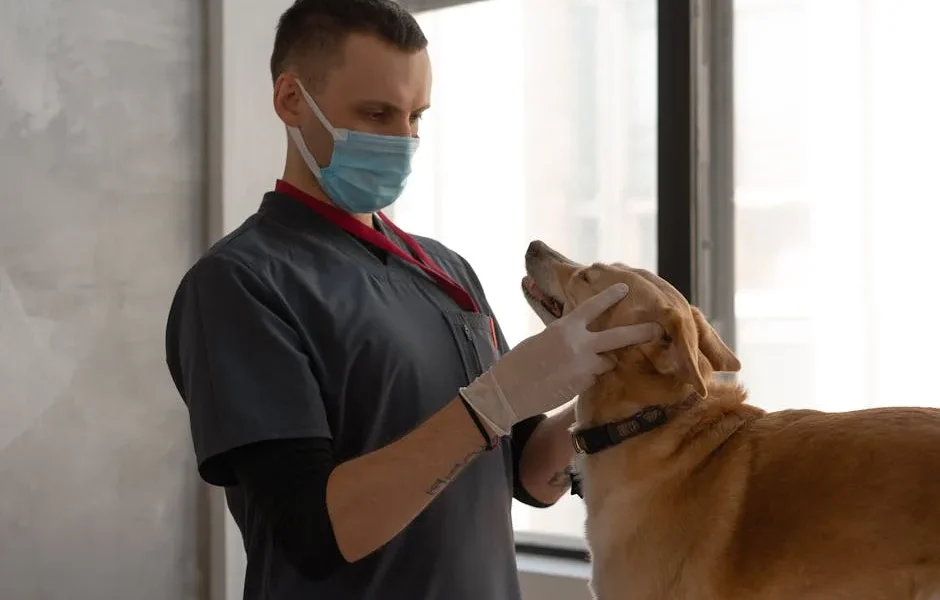
- Custom preventive care plans can cut lifetime healthcare costs by 30-40%. These plans are based on your pet’s breed, age, lifestyle, and where you live.
- Modern preventive care in 2026 uses technology like wearables and AI tools. These help create health strategies made just for your pet.
- Preventive care changes as your pet ages. Senior pets need checkups twice a year, not just once a year.
- Work with your vet to customize recommendations. Don’t just accept default protocols. This creates the best prevention strategy for your pet.
I’ll be honest. After 15 years in emergency medicine, I’ve seen too many preventable crises.
That dog with bad dental disease who gets a life-threatening heart infection. The cat with kidney disease who crashes in renal failure. The puppy with parvovirus whose owner didn’t know vaccines were needed.
It’s heartbreaking. So many of these cases could have been caught early or prevented entirely.
That’s why I’m passionate about helping pet owners. I want to help you understand how to create a personalized preventive care plan for your pet in 2026.
The good news? Preventive veterinary medicine has changed a lot. We’re not talking about one-size-fits-all anymore.
We now have genetic testing, technology integration, and risk-based protocols. We can tailor preventive strategies to your pet’s unique needs.
Let me walk you through the most common questions I hear.
What Actually Goes Into a Personalized Preventive Care Plan?
Think of a preventive care plan as a roadmap. It’s customized to your pet’s individual risk factors.
It’s not just about showing up for annual shots. Though vaccines are part of it.
A comprehensive plan addresses several key parts:
- Wellness exams scheduled based on your pet’s life stage
- Vaccination protocols tailored to lifestyle risks
- Parasite prevention customized to your region and your pet’s exposure
- Dental care including professional cleanings and home maintenance
- Diagnostic screening for breed risks and age-related problems
- Nutrition optimization for your pet’s specific needs
- Body condition monitoring to prevent obesity-related health issues
The “personalized” part comes from your pet’s unique factors.
A two-year-old Golden Retriever who hikes every weekend has different needs. Compare that to a 10-year-old indoor Persian cat. The breed risks differ. The lifestyle risks differ. The preventive strategy should reflect that.
Here’s what makes 2026 different. We now have AI-powered risk assessment tools. These can analyze your pet’s data—breed, age, location, lifestyle factors. They predict likely health issues.
This allows us to customize preventive care schedules more precisely than ever before.
How Do I Know What My Pet Actually Needs Versus What’s Just Optional?
This is probably the most common question I get. And honestly? It’s a fair one.
The veterinary field has sometimes struggled with transparency. What’s essential versus what’s recommended “just in case”?
Let me break this down into tiers:
Core Preventive Care (Non-Negotiable)
These are the essentials that virtually every pet needs:
- Annual wellness exams (or twice yearly for seniors)
- Core vaccinations based on species and real risk factors
- Year-round parasite prevention in most regions
- Regular dental care (dental disease affects 80% of dogs and 70% of cats by age 3)
- Basic bloodwork screening starting around middle age
Risk-Based Preventive Care (Personalized Recommendations)
These depend on your pet’s specific situation:
- Non-core vaccines based on location and lifestyle
- Breed-specific genetic testing for hereditary conditions
- Advanced diagnostic screening for at-risk breeds
- Specialized nutritional strategies
- Microbiome testing for pets with chronic digestive issues
Enhanced Preventive Care (Nice to Have)
These offer additional benefits but aren’t critical:
- Pet wearables and activity trackers
- Routine titers instead of automatic revaccination
- Advanced nutritional supplements
- Acupuncture or rehabilitation therapy for aging pets
The key is having an honest conversation with your veterinarian. Talk about your pet’s actual risk factors.
If your cat never goes outside and has no exposure to other cats, does she really need a feline leukemia vaccine every year? Probably not, according to updated guidelines.
But if you’re fostering kittens regularly, that changes everything.
Don’t be afraid to ask “Why do you recommend this for my specific pet?” A good vet will explain the reasoning behind each recommendation.
If you’re evaluating a new practice, knowing what green flags to look for can help. You’ll find a veterinarian who practices evidence-based, individualized care.
How Should My Pet’s Preventive Plan Change as They Age?
Aging isn’t a disease. But it definitely changes what your pet needs from preventive care.
I think of preventive planning in distinct life stages.
Puppy/Kitten Stage (Birth to 1 Year)
This is your foundation-building phase. Focus on:
- Completing the initial vaccine series (typically every 3-4 weeks until 16 weeks)
- Establishing parasite prevention
- Spay/neuter timing discussion based on breed and size
- Nutritional optimization for growth
- Behavioral foundation and socialization
Young pets need frequent checkups during this stage. Monthly visits aren’t unusual.
Adult Stage (1-7 Years for Dogs, 1-10 Years for Cats)
This is typically the “maintenance” phase. Annual wellness exams are sufficient for most pets.
Focus shifts to:
- Maintaining vaccine protocols based on risk assessment
- Consistent parasite prevention
- Dental care (most pets need their first professional cleaning between ages 2-4)
- Weight management
- Baseline bloodwork around age 5-6 to establish normal values
Senior Stage (7+ Years for Dogs, 10+ Years for Cats)
This is where preventive care becomes absolutely critical.
Here’s why. Diseases like kidney failure, heart disease, and cancer become much more common in senior pets. Catching these early—when they’re still treatable—makes all the difference.
Senior pets need:
- Twice-yearly wellness exams (this is now the standard recommendation)
- Comprehensive bloodwork every 6-12 months
- Blood pressure monitoring
- More frequent dental assessments
- Body condition and mobility evaluations
- Cognitive function monitoring
- Potentially advanced imaging based on breed risks
I can’t stress this enough. Waiting a full year between senior pet exams is like waiting three years for an elderly person.
Too much can change. Six-month intervals allow us to catch subtle changes before they become crises.
How Do I Factor in Breed-Specific Risks?
Breed matters. A lot.
Certain breeds are predisposed to specific health conditions. This is based on their genetics. Your preventive care plan should account for these risks.
For example, if you have a Cavalier King Charles Spaniel, heart disease screening should be part of your preventive plan. Start young. These dogs have a genetic predisposition to mitral valve disease.
A Bernese Mountain Dog owner needs to think about cancer screening and orthopedic health. Persian cats should have regular kidney function monitoring.
The great news? Genetic testing has become about 60% more affordable since 2023.
For around $100-200, you can get comprehensive breed-specific genetic screening. This identifies your pet’s risk for dozens of hereditary conditions.
This information allows you to implement targeted monitoring before symptoms appear.
Even if you have a mixed breed, genetic testing can identify what breeds are in the mix. And what risks come along with that heritage.
I’ve seen this catch early cases of serious conditions. Things we could manage or prepare for because we knew to look.
Talk to your vet about whether genetic testing makes sense for your pet. For most owners, I think it’s money well spent.
What About Lifestyle Factors—How Do Those Influence My Pet’s Plan?
Your pet’s lifestyle dramatically impacts what preventive measures they need.
Let’s look at some key factors.
Indoor vs. Outdoor Exposure
Outdoor pets face increased risks of:
- Infectious disease exposure (lepto, Lyme disease, kennel cough)
- Parasite encounters (fleas, ticks, intestinal parasites)
- Trauma (vehicle accidents, animal attacks, toxin ingestion)
Indoor-only cats may not need certain vaccines. But they are at higher risk for obesity and behavioral issues. The preventive plan should address those specific concerns instead.
Geographic Location
Where you live matters more than ever in 2026.
Climate change has expanded the range of disease-carrying parasites. Ticks carrying Lyme disease are now found in regions where they weren’t present ten years ago. Heartworm-carrying mosquitoes have expanded north.
Check the Companion Animal Parasite Council’s regional prevalence maps for your area. Your parasite prevention protocol should match your actual regional risks.
Multi-Pet Households
If you have multiple pets or regularly introduce new animals, your infectious disease prevention needs to be more aggressive.
Core vaccines become even more important. And certain non-core vaccines may become essential.
Travel Frequency
Do you travel with your pet? Different regions have different disease risks.
If you’re taking your dog from Arizona to Wisconsin for summer vacation, you’ve suddenly entered Lyme disease territory.
If you’re crossing international borders, additional vaccinations or treatments may be legally required.
How Can I Use Technology to Enhance Preventive Care?
The integration of technology into veterinary preventive care has exploded.
Over 65% of pet owners now use some form of digital health tracking. And for good reason.
Pet Wearables and Activity Trackers
Devices like FitBark, Whistle, or PetPace can monitor:
- Activity levels and sleep patterns
- Heart rate and respiratory rate
- Calories burned
- Behavior changes that might indicate illness
I’ve had cases where owners noticed their dog’s resting heart rate gradually increasing over weeks. We caught early heart disease before it became symptomatic. That’s powerful.
Health Tracking Apps
Apps help you organize:
- Vaccination records and preventive care schedules
- Weight trends over time
- Medication reminders
- Symptom journals
- Photos to track changes in appearance
When you switch veterinarians, having organized digital records makes the transition seamless.
Telemedicine Integration
Many veterinary practices now offer hybrid preventive care models. These include virtual check-ins between physical exams.
This is especially useful for:
- Senior pet monitoring
- Discussing non-emergency concerns
- Medication adjustments
- Post-procedure follow-ups
Telemedicine doesn’t replace hands-on exams. But it enhances continuity of care between visits.
Home Monitoring Tools
You can now purchase veterinary-grade tools for home use:
- Digital thermometers
- Blood pressure monitors
- Blood glucose meters (for diabetic pets)
- Urine test strips
For pets with chronic conditions, home monitoring extends the reach of preventive care between vet visits.
How Much Should I Budget for Preventive Care?
Let’s talk money. I know this matters to people. Veterinarians should be transparent about costs.
For a healthy adult dog or cat, expect to budget approximately:
- Annual wellness exam: $50-150
- Vaccines: $20-50 per vaccine
- Parasite prevention: $150-400 annually depending on products and pet size
- Dental cleaning: $300-800 (needed every 1-3 years depending on the pet)
- Basic bloodwork screening: $100-300
Total annual preventive costs for an adult pet typically range from $500-1,500.
Senior pets requiring twice-yearly exams and more frequent diagnostics may be $800-2,500 annually.
Compare this to reactive care. The average cost of hospitalization for a preventable condition? Often $2,000-5,000 or more.
I’ve seen dental disease infections require $3,000-8,000 in emergency surgery and ICU care. Preventable parvovirus cases run $3,000-10,000 to treat—if the puppy survives.
Research shows preventive care reduces lifetime healthcare costs by 30-40%. It’s not just good medicine. It’s good economics.
Making Preventive Care Affordable
If budget is a concern, consider:
- Veterinary wellness plans: Many clinics offer monthly payment plans that bundle preventive services
- Pet insurance: Many companies now offer premium discounts (10-20%) for documented preventive care compliance
- Low-cost vaccine clinics: For basic vaccines (though you’ll miss the comprehensive exam component)
- Care Credit or veterinary financing: For larger expenses like dental cleanings
- Prioritization: Work with your vet to identify the highest-priority items if you can’t do everything at once
Don’t skip preventive care because of cost. Talk to your veterinarian about what’s most critical and what can be staged over time.
How Do I Create an Actual Prevention Calendar?
Abstract plans don’t work. You need a concrete schedule.
Here’s how to build one:
Step 1: Schedule Your Core Exams
Put these in your calendar now:
- Adult pets: Annual wellness exam
- Senior pets: Wellness exams every 6 months
- Puppies/kittens: Monthly until vaccine series complete, then follow adult schedule
Step 2: Map Out Vaccine Timing
Work with your vet to determine which vaccines your pet needs and how frequently.
Many adult pet vaccines are now given every 3 years rather than annually. This is evidence-based. Antibody levels remain protective longer than we once thought.
Step 3: Establish Parasite Prevention Routine
Most parasite preventives are monthly.
Set a consistent day (first of the month, your pet’s birthday date, whatever you’ll remember). Put it in your phone as a recurring reminder.
Step 4: Plan Dental Care
Schedule daily home dental care (brushing or dental chews).
Book professional cleanings as recommended by your vet. Typically every 1-3 years depending on your pet’s oral health.
Step 5: Add Diagnostic Screening Milestones
- Baseline bloodwork around age 5-6
- Annual or biannual screening for seniors
- Breed-specific screening as recommended
Step 6: Build in Body Condition Checks
Weigh your pet monthly at home or at your vet’s office. Most practices let you use their scale anytime.
Track the trend. Weight changes often signal health issues before other symptoms appear.
Step 7: Document Everything
Keep records of all preventive care in a centralized location. A pet health app, a binder, a digital folder. Whatever system works for you.
Include:
- Dates of all vet visits
- Vaccines given and dates due
- Diagnostic test results
- Weight records
- Photos documenting any physical changes
- Notes about behavioral or health observations
When unexpected health issues arise, you may need to decide whether to rush to the ER. Having this history at your fingertips helps emergency vets make faster, better decisions.
Final Thoughts
Creating a personalized preventive care plan isn’t complicated. But it does require intentionality.
The pets I see thriving in their senior years—still playing, still eating well, still engaged with life—almost universally have owners who made preventive care a priority from day one.
The emergency cases that haunt me are the preventable ones. Early intervention could