
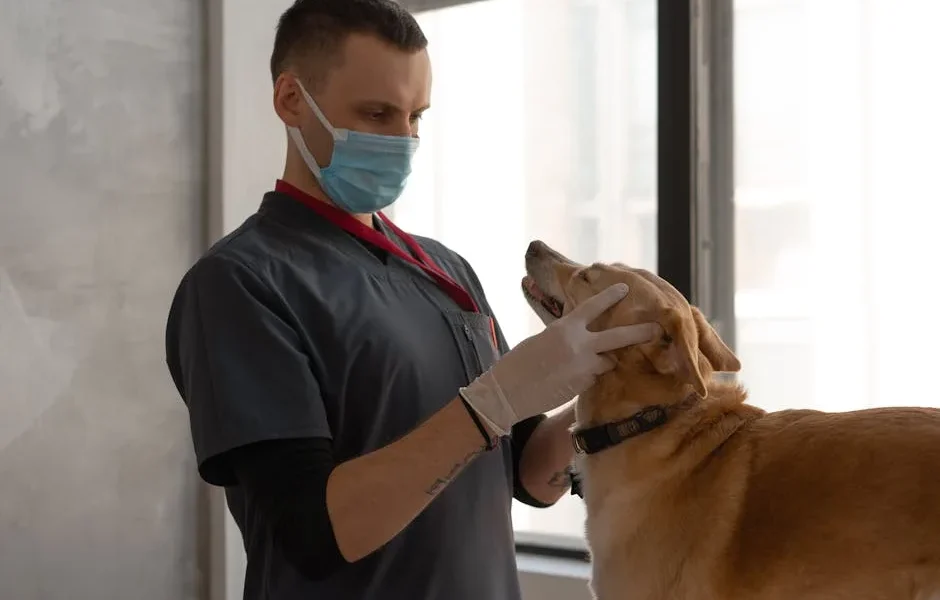
- Your pet needs to fast 8-12 hours before surgery. This prevents dangerous lung problems during anesthesia. Water is usually okay up to 2 hours before surgery.
- Blood tests before surgery find hidden health problems in 15-20% of pets who seem healthy. These tests are essential for safe anesthesia.
- Set up a proper recovery space and follow medication schedules. This reduces problems after surgery by up to 40%. Most routine surgeries need 10-14 days of rest.
I’ll be honest. After fifteen years in emergency medicine, I still get nervous when my own dog needs surgery. If you’re reading this, you probably feel the same anxiety. You want to get everything right.
How to Prepare Your Pet for Surgery isn’t just about following rules. It’s about giving your pet the best chance at a smooth recovery. Here’s what most pet owners don’t know: what you do before surgery matters just as much as the surgery itself.
Last month, I had a case that proved this point. A five-year-old Labrador came in for a simple mass removal. But the owner had given him breakfast that morning. “Just a little something so he wouldn’t be hungry,” they said. We had to postpone the entire procedure.
That delay meant another week of worry. Another day of anesthesia fees. And unnecessary stress for everyone. These little details? They’re actually huge.
Why Proper Surgical Preparation Actually Matters
I get it. Your vet hands you a sheet of instructions. It feels like overkill. But there’s real science behind every single item on that list.
Pre-surgical preparation affects three critical things: anesthesia safety, surgical success, and recovery speed.
When pets aren’t fasted properly, food can get into their lungs during anesthesia. This causes aspiration pneumonia. It has a 30-50% death rate.
Pre-operative bloodwork catches hidden problems. Things like kidney disease, liver problems, or clotting disorders. We find these in about 15-20% of “healthy” pets. These conditions change how we do anesthesia.
And recovery? That’s where most problems happen. About 60% of post-surgery complications come from poor aftercare. Pets lick incisions. Owners let them play too soon. Or they miss warning signs that something’s wrong.
When you follow proper protocols, infection rates stay around 3-6%. Skip the aftercare instructions, and that number jumps to 15-20%.
One Week Before Surgery: Start Your Prep
Don’t wait until the night before. Here’s what needs to happen in the week before your pet’s procedure.
Schedule Your Pre-Anesthetic Consultation
This isn’t optional. Especially for senior pets.
During this visit, your vet should do a thorough physical exam. They should discuss bloodwork options. For dogs over seven and cats over ten, I also recommend heart evaluation.
The American Veterinary Medical Association supports comprehensive pre-surgical screening. Honestly, I won’t put a pet under without it.
Ask these specific questions:
- What anesthetic protocol will be used, and why?
- Will my pet receive pain medication before, during, and after surgery?
- What monitoring equipment will be used during the procedure?
- Who will be monitoring my pet while under anesthesia?
- What’s your complication rate for this specific procedure?
Don’t feel awkward about asking. Any good veterinarian welcomes these questions.
Adjust Medications (With Veterinary Guidance)
Never stop medications without clear instructions from your vet.
But certain drugs do need adjustment before surgery. NSAIDs (non-steroidal anti-inflammatory drugs) typically need to be stopped 5-7 days before. They affect blood clotting and kidney function.
Steroids, insulin, and heart medications require individual plans.
If your pet is on supplements, mention every single one. Even “natural” products can interact with anesthesia. I’ve seen herbal supplements cause unexpected bleeding. They can also prolong anesthesia recovery.
Check out our guide on pet supplements to understand what you’re actually giving.
Shop for Recovery Supplies Now
The last thing you need after surgery is a midnight run to the pet store. Stock up on:
- Elizabethan collar (e-collar) or approved alternative—get the right size beforehand
- Non-slip bedding or yoga mat for their recovery space
- Pet-safe cleaning supplies for accidents
- Pill pockets or other treats for giving medications
- Bland diet ingredients (boiled chicken, white rice) in case of stomach upset
- Ice packs wrapped in towels for managing swelling
The Night Before: Final Preparations
This is when precision matters most.
Fasting: Get the Timing Right
Your vet will give you specific fasting instructions. The general rule is 8-12 hours without food before anesthesia.
For morning surgeries, pick up food bowls by 8-10 PM the night before.
Water is different. Most protocols allow water until 2 hours before drop-off. Some surgeons prefer no water for 2-4 hours.
Why so strict? During anesthesia, protective airway reflexes stop working. If your pet vomits with food in their stomach, that material can enter the lungs. This causes chemical burns and severe pneumonia. It’s not worth the risk, even if those puppy-dog eyes are breaking your heart.
Multi-pet households need special attention. Separate your surgical patient the night before. This way other pets don’t share food. I’ve had more than one “oops, my cat ate the dog’s breakfast” emergency. These result in postponed surgeries.
Bathing and Grooming
Give your pet a bath 24 hours before surgery if possible. Clean fur reduces bacteria around the surgical site.
Trim nails too. This prevents scratching at incisions. It also makes it easier for the surgical team to place IV catheters.
Remove collars, harnesses, and any clothing before drop-off. These interfere with monitoring equipment and surgical prep.
Surgery Day: What to Expect
You’re going to feel anxious. That’s completely normal. Here’s how the day typically unfolds.
Drop-Off Procedures
Arrive on time. Late arrivals can disrupt the entire surgical schedule. You may need to reschedule.
Bring your pet on a leash or in a secure carrier. Even if they’re normally well-behaved. Stressed pets bolt.
The veterinary team will review your consent forms. They’ll confirm:
- Fasting compliance
- Current medications
- Emergency contact numbers
- Post-operative pain medication preferences
- Any last-minute health changes
This is your final chance to mention concerns. Did your pet have diarrhea this morning? Mention it. Limping that wasn’t there yesterday? Speak up. These details matter.
During Surgery: The Waiting Game
Most practices will call with updates. Especially for longer procedures.
If you haven’t heard anything by the estimated completion time, it’s fine to call and ask. We expect it.
Your pet will be monitored continuously during anesthesia. Modern veterinary anesthesia is remarkably safe. Mortality rates for healthy dogs are about 0.05%. For healthy cats it’s about 0.11%.
Those numbers have improved dramatically over the past decade. Better monitoring equipment and anesthetic drugs have made this possible.
Bringing Your Pet Home: First 24 Hours
This is the most critical recovery window.
Understanding Discharge Instructions
Before you leave the clinic, make sure you clearly understand:
- Medication names, dosages, and schedules—write it down
- Feeding instructions and when to resume normal diet
- Activity restrictions and for how long
- Incision care protocols
- Follow-up appointment dates
- Emergency contact information
Don’t leave until you’re confident you understand everything. I’d rather spend an extra ten minutes explaining than deal with a panicked midnight phone call.
Honestly? There’s no such thing as a stupid question when it comes to your pet’s surgery recovery.
The Car Ride Home
Keep your pet secured in a crate or with a seatbelt harness.
Post-anesthesia pets are wobbly and disoriented. They’re unpredictable. I’ve seen dogs try to jump out of moving vehicles because they didn’t know where they were.
Drive carefully. Avoid sudden stops. Some pets experience nausea from anesthesia. Bring towels just in case.
Keep the car cool. Pets recovering from anesthesia can’t regulate their body temperature as well.
Setting Up the Recovery Space
Your pet needs a quiet, confined area for the first 24-48 hours. This isn’t punishment. It’s protection.
Choose a room with minimal activity. It should have a comfortable temperature and easy-to-clean flooring.
The ideal setup includes:
- Soft, washable bedding (no raised beds they might fall from)
- Water bowl within easy reach
- Non-slip surface for getting up and down
- Dim lighting—bright lights can be disorienting
- Baby gate or closed door to prevent wandering
Keep other pets separated initially. Even friendly animals can be too rowdy for a recovering patient. Some pets become irritable or protective when they’re in pain.
Managing Pain and Medications
Modern veterinary surgery uses multimodal pain management. This means combining several medications to control pain through different mechanisms.
This approach reduces complications by up to 40%. That’s compared to older single-drug protocols.
Common Post-Operative Medications
Your pet will likely go home with some combination of:
- Opioids (tramadol, buprenorphine): For moderate to severe pain
- NSAIDs (carprofen, meloxicam): Anti-inflammatory and pain relief
- Gabapentin: Nerve pain and anxiety management
- Antibiotics: Infection prevention for certain surgeries
Never skip doses because your pet “seems fine.” Pain medications work best when maintained at consistent blood levels. Letting pain get ahead of the medication makes it much harder to control.
Recognizing Medication Side Effects
Watch for:
- Excessive sleepiness or difficulty waking
- Vomiting or diarrhea
- Loss of appetite lasting more than 24 hours
- Black, tarry stools (can indicate GI bleeding from NSAIDs)
- Increased panting or restlessness
If you notice any of these signs, contact your vet. Don’t just stop the medication on your own. There may be alternatives that work better for your pet.
Feeding and Hydration After Surgery
Anesthesia affects the digestive tract. So we take food reintroduction slowly.
First Meal Protocol
Most vets recommend offering a small amount of bland food 4-6 hours after arriving home. Give 1/4 to 1/2 of their normal portion.
If your pet vomits, wait another 2-3 hours before trying again.
Bland diet options include:
- Boiled chicken (no skin) with white rice (2:1 ratio)
- Plain boiled ground turkey with rice
- Prescription GI diet if recommended
Resume normal diet gradually over 2-3 days. Mix increasing amounts of regular food with the bland diet.
For pets on therapeutic diets, check out our guide on therapeutic diets for specific recommendations.
Encouraging Water Intake
Hydration is crucial for healing. But some pets are reluctant to drink after surgery.
Try:
- Adding low-sodium chicken broth to water
- Offering ice cubes to lick
- Using a pet water fountain (some pets prefer running water)
- Feeding canned food mixed with extra water
Activity Restriction: Keeping Them Calm
This is where most pet owners struggle. How do you keep an energetic dog calm for two weeks?
What “Restricted Activity” Actually Means
For routine surgeries (spay/neuter), activity restriction typically means:
- No running, jumping, or rough play for 10-14 days
- Leashed bathroom breaks only (5-10 minutes)
- No stairs if possible
- No swimming or bathing
- Avoid dog parks, daycare, or boarding
Orthopedic surgeries require much stricter protocols. Sometimes 6-8 weeks of crate rest. Only leash walks for elimination.
Mental Enrichment Without Physical Activity
Bored pets find creative ways to cause trouble. Keep their minds busy:
- Frozen Kong toys stuffed with safe foods
- Puzzle feeders that dispense meals slowly
- Snuffle mats for gentle nose work
- Training sessions teaching “settle” or “place” commands
- Gentle massage (avoiding the surgical site)
For cats, try treat-dispensing balls, cardboard boxes to explore, or windows with bird feeders visible outside.
Incision Care and Monitoring
The incision is your primary monitoring tool. Check it at least twice daily.
What Normal Healing Looks Like
A normal incision should be:
- Clean and dry (no discharge)
- Pink to slightly red at edges (not angry red)
- Edges well-approximated (closed together)
- Mild swelling immediately around the incision line (not spreading)
- Minimal bruising that fades over 3-5 days
Some surgeons use absorbable sutures under the skin. Others use external staples or non-absorbable sutures. These require removal in 10-14 days.
The E-Collar Debate
I know. Nobody likes the cone of shame. But about 60% of post-surgical complications come from pets licking or chewing incisions.
Proper use of protective barriers reduces infection risk by 75%.
Modern alternatives to traditional plastic cones include:
- Soft fabric cones (more comfortable, still effective)
- Inflatable donut collars (work well for some pets, not all)
- Surgical recovery suits (great for trunk incisions)
- Neck braces (for pets who can still reach despite regular cones)
Whatever you choose, your pet must wear it 24/7. Unless they’re directly supervised. “Just for a few minutes” turns into an infected incision faster than you’d believe.
Warning Signs: When to Call Your Vet Immediately
Some post-operative symptoms are normal. Others require immediate attention. Here’s how to tell the difference.
Normal Post-Op Behaviors
Expected for 24-48 hours after surgery:
- Grogginess and excessive sleeping
- Mild whimpering or discomfort when moving
- Reduced appetite for the first meal or two
- Mild shivering or trembling
- Drinking less than normal initially
Red Flags Requiring Immediate Veterinary Attention
Contact your vet or emergency clinic if you notice:
- Respiratory distress: Labored breathing, blue gums, extended neck (see our emergency respiratory guide)
- Excessive bleeding: Blood soaking through bandages or more than a few drops from the incision
- Pale or white gums: Can indicate internal bleeding or shock
- Incision opening: Any separation of wound edges
- Severe swelling: Especially if warm, firm, or spreading away from the incision
- Green, yellow, or foul-smelling discharge: Signs of infection
- Vomiting more than twice: Especially if unable to keep water down
- Not urinating for 12+ hours: Particularly concerning after abdominal surgery
- Temperature above 103°F or below 99°F: Fever or hypothermia
- Extreme lethargy: Inability to stand or walk, unresponsive to voice
- Seizures or collapse: Always an emergency
Trust your instincts. If something feels wrong, it probably is.
I’ve never been upset with an owner for calling about a concern. Even if it turned out to be normal.
For more guidance on recognizing pain, check out <a href="[INTERNAL_LINK:How to Tell