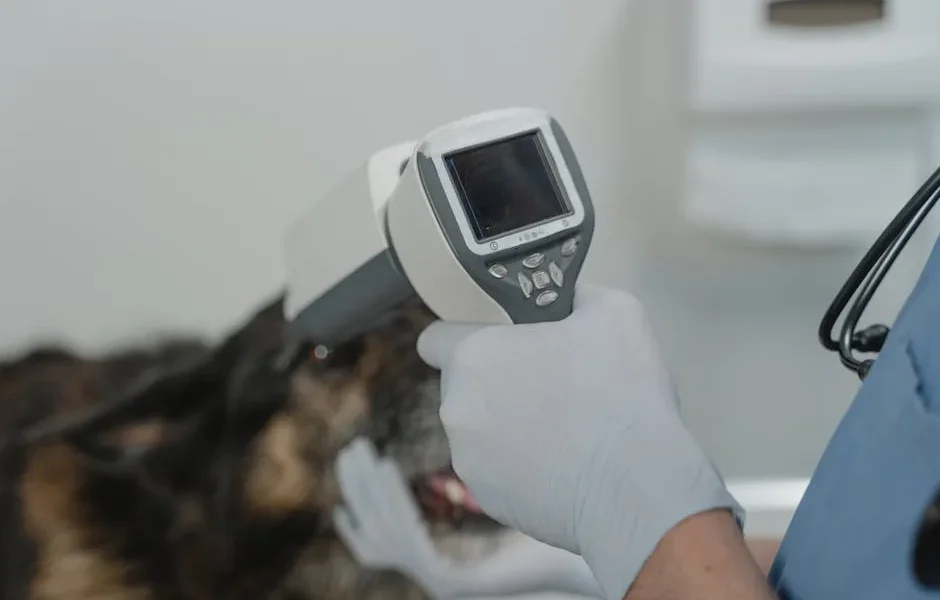
- Not all preventive care is right for every pet. Care based on your pet’s risks often works better than the same plan for all pets.
- Money can affect what vets recommend. This includes markups on prescription diets and in-house testing. Asking questions helps you know what’s truly needed.
- Watch for warning signs. These include vets who won’t explain their choices, refuse to discuss titer testing, or push services without thinking about your pet’s lifestyle.
Here’s the truth: what your vet doesn’t tell you isn’t always on purpose. Sometimes they only have 15 minutes with you. They need to examine your pet, give vaccines, discuss that skin problem, and talk about vomiting. Other times? They simply don’t communicate well. Or financial pressure on their practice affects what they recommend.
I’ve worked in emergency medicine for 15 years. I’ve seen what happens when preventive care goes wrong. I’ve also watched colleagues recommend things that don’t match the science. Many worried pet owners have asked me: “Did I really need all those tests?”
Let’s talk about the warning signs.
The Background: How We Got Here
Veterinary preventive care has changed a lot in 20 years. We used to give “annual shots for everyone.” Now we understand how long immunity lasts. We’ve moved from basic wellness exams to plans based on age and life stage. The American Animal Hospital Association and American Veterinary Medical Association have published better guidelines. These now account for individual risk factors.
Here’s the problem: not every practice has kept up.
The business side of veterinary medicine makes things complicated. Human doctors rarely sell products directly. But veterinary clinics make about 40% of their money from retail sales. This includes prescription diets, parasite preventives, and supplements. That’s not always corrupt. But it does create conflicts that aren’t always clear to pet owners.
Meanwhile, about 40-50% of pet owners skip or delay preventive care because of cost. This comes from AVMA surveys. The irony? Preventive care usually reduces lifetime medical costs by 30-40%. But when you face a $400 wellness exam bill with tests you don’t understand, it’s hard to see the value.
Vaccination Protocols: One Size Doesn’t Fit All
Let’s start with vaccines. This is where I see the biggest gap between current evidence and common practice.
The AAHA updated their dog vaccination guidelines years ago. They now recommend three-year intervals for core vaccines. These are distemper, parvovirus, adenovirus, and rabies (where legally allowed). This is for adult dogs. Studies show these vaccines often protect for many years. Sometimes for life. Yet I still hear from pet owners whose vets insist on annual boosters for everything.
What About Titer Testing?
Titer testing measures antibody levels. It shows if your pet still has immunity. It’s not perfect. It doesn’t check cell-mediated immunity. But it’s a reasonable tool for dogs who’ve had vaccine reactions. It’s also good for owners worried about overvaccination.
Red flag? A vet who refuses to even discuss titer testing. Or who dismisses it as “unnecessary” without explaining why for your specific pet. Good vets should be willing to have this conversation. Even if they ultimately recommend revaccination for specific risk factors.
Cats are trickier. They’re more prone to injection-site sarcomas. These are rare but devastating cancers. So the conversation about vaccine frequency and location matters even more. Your vet should discuss where vaccines are given and why.
The Parasite Prevention Puzzle
Year-round heartworm, flea, and tick prevention is prescribed almost everywhere. But does every pet need it?
The Companion Animal Parasite Council provides detailed risk maps for each region. A strictly indoor cat in Minnesota faces very different risks than an outdoor dog in Florida. Yet I’ve seen identical prevention plans recommended for both.
I’m not saying you should skip parasite prevention. Heartworm disease is awful. I’ve treated too many cases. But your vet should consider:
- Your geographic location and seasonal patterns
- Your pet’s lifestyle (indoor vs. outdoor, travel habits)
- Local disease prevalence
- Your pet’s health status (some preventives shouldn’t be used with certain conditions)
A good vet will explain the “why” behind their recommendations. They won’t just hand you a year’s supply of whatever product they stock.
Diagnostic Testing: What’s Essential vs. Optional
Here’s where things get murky. Comprehensive annual bloodwork sounds responsible, right? But evidence-based guidelines have different ideas. They suggest healthy young adults might only need baseline testing. This is for ages 1-6 years for most dogs. They only need more if clinical signs develop.
Senior pets absolutely benefit from twice-yearly screening. This means 7+ years depending on size and breed. We catch kidney disease, liver problems, diabetes, and thyroid issues early. They’re more manageable then. But a perfectly healthy three-year-old Lab with no risk factors? The value is debatable.
In-House vs. Reference Laboratory Testing
Many clinics push in-house testing. It’s convenient and profitable. Sometimes that’s perfectly appropriate. When I need results in 15 minutes to guide emergency treatment, in-house is essential.
But for routine wellness screening, reference laboratories often provide more. They offer more comprehensive panels. They have better quality control. And they often cost less. Ask your vet: “Is there an advantage to running this in-house? Or could we save money using an outside lab?”
If they react defensively, that’s a red flag. If they explain that in-house allows immediate consultation with specialists, that’s transparency. If they explain faster results matter for your pet’s specific situation, that’s good.
The Dental Disease Gap
Eighty percent of dogs show signs of oral disease by age three. So do 70% of cats. It’s arguably the most underaddressed preventive issue in veterinary medicine.
Yet only about 2% of pet owners brush their pets’ teeth regularly. This comes from Veterinary Oral Health Council data. Why? Partly because many vets don’t emphasize home dental care during wellness exams. It’s easier to recommend a yearly cleaning than to demonstrate proper brushing technique.
Your vet should be discussing:
- Daily home care options (brushing, dental treats, water additives)
- How to recognize signs of dental pain
- When professional cleaning is actually necessary vs. preventive
- What happens during anesthetic dental procedures
If you’re interested in how diet impacts oral health, check out this detailed guide on dental health through diet.
Breed-Specific and Lifestyle Considerations
Golden Retrievers have about 60% lifetime cancer risk. Cavalier King Charles Spaniels are predisposed to heart disease. Persian cats commonly develop polycystic kidney disease. Large breed dogs face orthopedic issues. Brachycephalic breeds struggle with respiratory problems.
Does your vet discuss breed-specific screening? A comprehensive preventive care plan for a Golden should include more aggressive cancer surveillance. This means regular physical exams with lymph node palpation. It includes baseline imaging. And awareness of subtle changes. For a Cavalier, it means cardiac auscultation. And potentially echocardiography before middle age.
This is personalized medicine. If your vet treats every Labrador like every Chihuahua like every domestic shorthair cat, something’s missing.
The Prescription Diet Conversation
I need to be careful here. Therapeutic diets absolutely have their place. I’ve seen kidney diets extend lives. I’ve seen gastrointestinal diets resolve chronic vomiting.
But.
Veterinary clinics typically mark up prescription diets significantly. And not every pet on a prescription diet truly needs one. Some vets recommend them preventively. Or for conditions where evidence is mixed.
Questions to ask:
- “What specifically about my pet’s condition requires this diet?”
- “What would happen if we tried a high-quality over-the-counter option first?”
- “Are there other dietary approaches we could consider?”
- “Do you receive any compensation from this diet company?”
That last question might feel awkward. But it’s fair. Some vets are transparent about industry relationships. Others get defensive. For more guidance on this topic, read how to find a vet who specializes in pet nutrition.
Red Flags That Demand Attention
So when should you actually worry? Here are the warning signs I’d take seriously:
Refusing to explain recommendations. “You just need this” isn’t good enough. You deserve to understand the reasoning.
Dismissing your concerns or questions. If you ask about alternatives or express budget limitations and your vet makes you feel stupid or neglectful, that’s a problem.
Aggressive upselling. There’s a difference between recommending appropriate care and pressure tactics. You shouldn’t feel bullied into services.
No individualization. Every pet gets the exact same protocol. This happens regardless of age, breed, lifestyle, or risk factors.
Refusing second opinions or outside records. Confident, ethical vets welcome second opinions. They happily share records.
Inconsistent or outdated information. If recommendations don’t align with current veterinary guidelines and your vet can’t explain why, be skeptical.
For a deeper dive into when practice issues become serious concerns, see these seven red flags that suggest it’s time to switch vets.
Questions That Empower You
Want to ensure you’re getting personalized, evidence-based preventive care? Try these questions at your next wellness exam:
- “What’s the evidence supporting this recommendation for my pet specifically?”
- “What happens if we wait or skip this test or treatment?”
- “Are there alternative approaches we could consider?”
- “What risks does my pet actually face based on their breed, age, and lifestyle?”
- “Can you explain the cost-benefit analysis of this recommendation?”
- “How does this fit into a long-term preventive care plan?”
Good vets appreciate engaged owners who ask questions. If yours doesn’t, that tells you something.
The Financial Transparency Issue
One emerging issue is the push for price transparency in veterinary medicine. I’m actually optimistic about this. Several states are considering legislation. This would require upfront cost estimates for preventive services.
Right now, many pet owners don’t know what they’ll pay until checkout. That makes it nearly impossible to comparison shop. Or to budget appropriately. If your clinic won’t provide written estimates before services, that’s another red flag.
Speaking of financial planning, you might want to explore whether pet insurance or health savings accounts make more sense for your situation.
What You Can Actually Do at Home
Legitimate home preventive care does exist. It won’t replace veterinary visits. But it’ll maximize the value of professional care:
Body condition monitoring. Learn to assess your pet’s body condition score monthly. Weight gain happens gradually. Catching it early prevents obesity-related diseases.
Dental care. Daily tooth brushing is genuinely effective. Even a few times weekly helps. VOHC-approved dental products work.
Behavioral observation. You see your pet daily. Changes in appetite, water consumption, urination, defecation, energy level, or behavior are often early disease signs. Keep notes.
Skin and coat checks. Weekly examinations during grooming catch lumps, parasites, and skin issues early.
Only 15-20% of veterinary practices conduct proper body condition scoring during wellness exams. This comes from AAHA compliance studies. If your vet isn’t doing it, you should be.
The Future of Preventive Care
Things are changing. And mostly for the better. Telehealth regulations now allow more preventive care consultations remotely. This is true in most states. It reduces costs for routine wellness advice. AI-assisted diagnostic tools are rolling out for early cancer detection. Microbiome testing for early disease prediction is becoming commercially available.
We’re moving toward personalized, risk-based preventive medicine. But that transition is uneven. Your vet’s practice might not be there yet.
Want to evaluate if your current vet offers the specialized, individualized approach your pet deserves? Here’s how to evaluate if your vet offers specialized care.
When to Seek a Second Opinion
Not every disagreement warrants switching vets. But if you’re consistently uncomfortable with recommendations, trust your instincts. If you feel pressured, get another opinion. If you sense that financial incentives are driving decisions more than your pet’s welfare, listen to that feeling.
Getting a second opinion on preventive care protocols is completely appropriate. Before booking that appointment, you might want to verify the clinic’s credentials.
And remember—preventive care is meant to prevent emergencies. But when true emergencies happen, knowing what qualifies can save your pet’s life. Check out this veterinary triage guide to understand when waiting isn’t an option.
Final Thoughts
Look, most vets genuinely care about your pet’s wellbeing. We entered this profession because we love animals. Not to get rich (trust me on that). But the business pressures on veterinary practices are real. Time constraints are brutal. And communication gaps happen.
The point isn’t to approach your vet with suspicion. It’s to be an informed advocate for your pet. Ask questions. Expect explanations. Demand individualized care based on your pet’s actual risk factors. Not a one-size-fits-all protocol. And if you’re not getting that? You have options.
Start by having an honest conversation with your current veterinarian. Use the questions I’ve outlined. If you get thoughtful, evidence-based responses, great. You’ve strengthened that relationship. If you get defensiveness or dismissal, it might be time to explore other options. Your pet deserves preventive care that’s both evidence-based and personalized. And you deserve transparency about what you’re paying for and why.
Sources & Further Reading
- American Veterinary Medical Association (AVMA) — Comprehensive pet care guidelines, preventive care recommendations, and industry statistics on pet owner behavior and veterinary practices
- American Animal Hospital Association (AAHA) — Evidence-based clinical guidelines including vaccination protocols, life stage care recommendations, and practice compliance standards
- Companion Animal Parasite Council (CAPC) — Region-specific parasite risk maps and evidence-based recommendations for heartworm, flea, and tick prevention
- Veterinary Oral Health Council (VOHC) — Standards for dental care products and statistics on dental disease prevalence in dogs and cats
- World Small Animal Veterinary Association (WSAVA) — Global vaccination guidelines and wellness care standards for companion animals