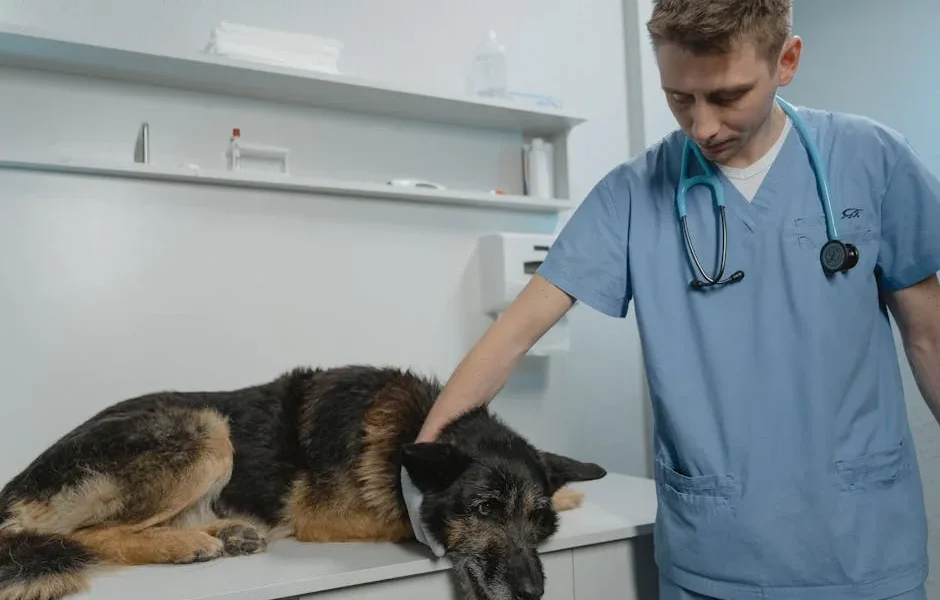
- Only about 100-120 board-certified veterinary nutritionists (ACVN diplomates) practice in the U.S. They are rare but very valuable for complex dietary needs.
- Before your first visit, ask about their training, experience with your pet’s specific problem, and whether they support different diet types (commercial, prescription, homemade).
- Virtual consultations have made it easier to see specialists across the country. But some cases need in-person visits with physical exams and tests.
I get excited when pet owners call asking how to find a vet who specializes in pet nutrition. It means they understand that nutrition isn’t just about picking food off a shelf. It’s medicine.
But finding the right nutritionist for your pet can be confusing. Not all “pet nutritionists” have the same training. Knowing what questions to ask before your first visit can save you time, money, and frustration.
I’ve spent over a decade working with pets whose health improved through diet changes. Diabetic cats who came off insulin. Dogs with IBD who finally stopped having diarrhea. Obese pets who could move freely again.
But getting there required teamwork between committed owners and qualified professionals. Let’s walk through exactly how to find that expert and what you need to ask.
1. Understand the Credentials That Actually Matter
Here’s something that surprises most pet owners: the term “pet nutritionist” isn’t regulated. Anyone can call themselves one.
What you’re actually looking for is a board-certified veterinary nutritionist. This is a veterinarian who completed a DVM degree. Then they completed a specialized residency program (usually 2-3 years). They passed tough exams. And they earned diplomate status from the American College of Veterinary Nutrition (ACVN).
There are only about 100-120 of us in the entire country. That’s it. We represent roughly 1-2% of all veterinarians in the U.S.
Most general practice vets receive only 8-20 hours of nutrition education during their entire four-year veterinary program. That’s basically one course. They’re excellent at medicine and surgery. But nutrition is a specialized field that requires additional training.
When you’re searching for a specialist, look for the letters “DACVN” after their name. This means Diplomate, American College of Veterinary Nutrition.
You can verify credentials through the ACVN’s official directory. If someone markets themselves as a “certified pet nutritionist” but doesn’t have DVM credentials, they cannot legally diagnose, treat, or prescribe therapeutic diets for medical conditions.
2. Know When You Need a Specialist vs. Your Regular Vet
Your general practice veterinarian can handle basic nutritional guidance. Weight management for a healthy pet. Choosing appropriate commercial foods. Transitioning diets.
But certain situations need specialist consultation. I see referrals for chronic diseases like kidney disease, diabetes, inflammatory bowel disease, food allergies, liver disease, and cancer.
These conditions require precision-formulated diets. These diets balance therapeutic goals with nutritional completeness.
Homemade diet formulation is another big reason owners seek me out. Up to 90% of homemade pet diets found online are nutritionally incomplete. That’s not an exaggeration. It’s based on multiple studies published in veterinary journals.
If you want to feed fresh food but ensure your pet gets every vitamin, mineral, and nutrient they need, you need a board-certified nutritionist to create that recipe.
Weight management can be tricky too. About 56% of dogs and 60% of cats in the U.S. are overweight or obese.
If your pet has been struggling with weight despite your best efforts, specialist guidance makes a real difference. If obesity is making other health issues worse, you need help.
And honestly? If you’re confused or frustrated, that’s reason enough to seek a second opinion from someone who thinks about nutrition all day, every day.
3. Ask About Their Experience with Your Pet’s Specific Condition
Not all nutritionists work with all species or all conditions.
When you call to schedule, ask directly: “How many cases like my pet’s have you managed?”
I focus heavily on obesity management and therapeutic diets for chronic disease in dogs and cats. But some colleagues specialize in exotic species. Others work with horses. And some focus primarily on research rather than clinical practice.
If your dog has kidney disease, you want someone who’s formulated dozens (or hundreds) of renal diets. Someone who understands phosphorus restriction, protein quality, and omega-3 supplementation.
If your cat has food-responsive diarrhea, you want someone experienced in elimination diets and novel protein trials.
Experience matters because every case presents unique challenges. Medication interactions. Concurrent diseases. Picky eaters. Family dynamics.
Don’t be shy about asking for examples. A confident specialist will gladly tell you, “Yes, I’ve worked with many diabetic cats and have great success stories.”
If they hesitate or seem uncertain, that’s valuable information too.
4. Clarify Their Approach to Different Diet Types
This is huge. Some veterinary nutritionists exclusively recommend commercial prescription diets. Others are open to home-cooked or even raw diets when properly formulated.
You need to know their philosophy before you commit to a consultation. This is especially true if you have strong preferences about what you feed.
I’m evidence-based but flexible. If a client wants to home-cook and they’re willing to follow a complete, balanced recipe I formulate, I support that.
If another client prefers the convenience of commercial food, I help them choose the best option.
But I’m transparent about risks. Raw diets carry bacterial contamination concerns. Homemade diets require precision and commitment. And some therapeutic goals are simply easier to achieve with prescription formulations.
Ask: “Do you work with home-cooked diets?” “Are you willing to formulate recipes for raw feeding?” “What’s your stance on grain-free diets?”
Their answers will tell you whether you’ll be working together comfortably or butting heads.
There’s no point paying $300 for a consultation if you fundamentally disagree on dietary philosophy. For context, initial consultations with board-certified nutritionists typically range from $150-$400. This depends on complexity and location.
5. Determine If Virtual or In-Person Consultation Works Best
Telemedicine in veterinary nutrition has exploded. It’s up over 300% since 2020.
This is actually fantastic news. It means you don’t have to live in a major city to access specialist care.
I do virtual consults several times a week with clients across California and beyond. For many nutritional concerns, a video appointment works beautifully.
Virtual consultations work well for: diet formulation, weight management programs, follow-up visits, food allergy investigations (after initial diagnosis), and nutritional support for chronic diseases already diagnosed by your primary vet.
They don’t work well if your pet needs a comprehensive physical exam or diagnostic testing. Or if there’s an undiagnosed medical issue.
Nutrition specialists can’t treat your pet without establishing a veterinarian-client-patient relationship (VCPR). This typically requires at least one in-person visit or coordination with your regular vet.
Ask upfront: “Can you consult virtually for my pet’s situation, or do you require an in-person visit?”
Many nutritionists offer both options. Some platforms like those mentioned in veterinary telemedicine services are making specialist access easier than ever.
Just make sure whoever you consult is licensed in your state if they’re providing direct care rather than informal guidance.
6. Prepare Your Pet’s Complete Medical History
Before your first appointment, gather everything. And I mean everything.
I need to see recent blood work. Urinalysis results. Any imaging reports. Medication lists. Supplement lists. And your current feeding regimen down to exact amounts and times.
Bring the actual food bag or write down the complete product name. Not just “chicken and rice formula.” I need the brand, product line, and life stage.
A diet journal is gold. Track what your pet eats for at least 3-7 days before your appointment. Meals, treats, table scraps, that piece of cheese you used for pilling—everything.
Include any symptoms. Vomiting, diarrhea, scratching, changes in water consumption, energy levels. The more detail you provide, the better I can tailor recommendations.
If your pet has chronic health issues like those discussed in routine screening tests, bring those results too.
Even normal values help me establish baselines. Some clinics will send records directly if you sign a release. But having your own copies ensures nothing gets lost in translation.
7. Ask About Follow-Up and Ongoing Monitoring
Nutrition isn’t a one-and-done consultation. It’s a process.
Especially if we’re managing chronic disease or implementing a homemade diet, we need follow-up visits. We need to monitor body condition. Adjust portions. Recheck bloodwork. Make sure everything’s working as planned.
Ask: “What does follow-up care look like?” “How often will we need rechecks?” “What’s the cost for follow-up visits compared to initial consultations?”
Most of my initial visits run 60-90 minutes. Follow-ups are shorter—maybe 20-30 minutes—and less expensive. Usually $100-$200.
For complex cases, I might want to see your pet every 4-6 weeks initially. Then quarterly once we’re stable.
Also ask how they handle questions between visits. Do they offer email support? Phone calls? Is there an additional charge?
I encourage clients to reach out with concerns rather than waiting for scheduled appointments. But policies vary. Clear communication expectations prevent frustration down the road.
8. Watch for Red Flags
Not everyone offering nutritional advice has your pet’s best interest at heart.
Be wary of anyone who pushes expensive supplements aggressively. Or dismisses prescription diets entirely without medical justification. Or guarantees miracle results. Or lacks verifiable credentials. Or insists on one-size-fits-all approaches.
Legitimate veterinary nutritionists practice evidence-based medicine. We recommend supplements when research supports their use. Like omega-3s for inflammatory conditions or joint supplements for arthritis.
But we don’t sell proprietary blends out of our trunk. We respect that prescription diets undergo rigorous feeding trials and quality control. And we acknowledge uncertainty when the science isn’t clear yet.
If someone’s advice contradicts everything your trusted veterinarian says, walk away. If they encourage you to discontinue medications without coordinating with your primary vet, walk away.
Nutrition is part of a comprehensive care team, not a replacement for veterinary medicine. This is especially important when dealing with behavioral issues that might have nutritional components. Like certain repetitive behaviors that can sometimes be linked to dietary deficiencies.
Final Thoughts
Finding a qualified veterinary nutritionist and preparing for that first visit takes effort. But it’s worth it.
Whether you’re managing a chronic disease, dealing with food sensitivities, wanting to home-cook, or simply feeling overwhelmed by conflicting nutritional information, a board-certified specialist brings clarity and science-based guidance.
The questions I’ve outlined aren’t meant to intimidate anyone. They’re meant to empower you to find the right fit and make the most of that consultation investment.
Start by checking the ACVN directory for diplomates near you or available virtually. Write down your questions before calling. Gather your pet’s records.
And remember—good nutritionists want informed, engaged clients. We’re not gatekeepers. We’re partners in your pet’s health.
If you’re not sure whether your situation warrants specialty care, call anyway and ask. We can help you figure out if specialist consultation makes sense or if your regular vet can handle things just fine.
Your pet’s nutrition is too important to leave to guesswork.
Sources & Further Reading
- American College of Veterinary Nutrition (ACVN) — Official directory to find board-certified veterinary nutritionists and verify credentials
- American Veterinary Medical Association (AVMA) — Information on veterinary specialties and what different certifications mean
- Pet Nutrition Alliance — Evidence-based resources and tools for finding qualified veterinary nutrition professionals
- Association for Pet Obesity Prevention — Statistics on pet obesity rates and resources for weight management
- American Animal Hospital Association (AAHA) — Guidelines on nutritional assessments as standard veterinary care