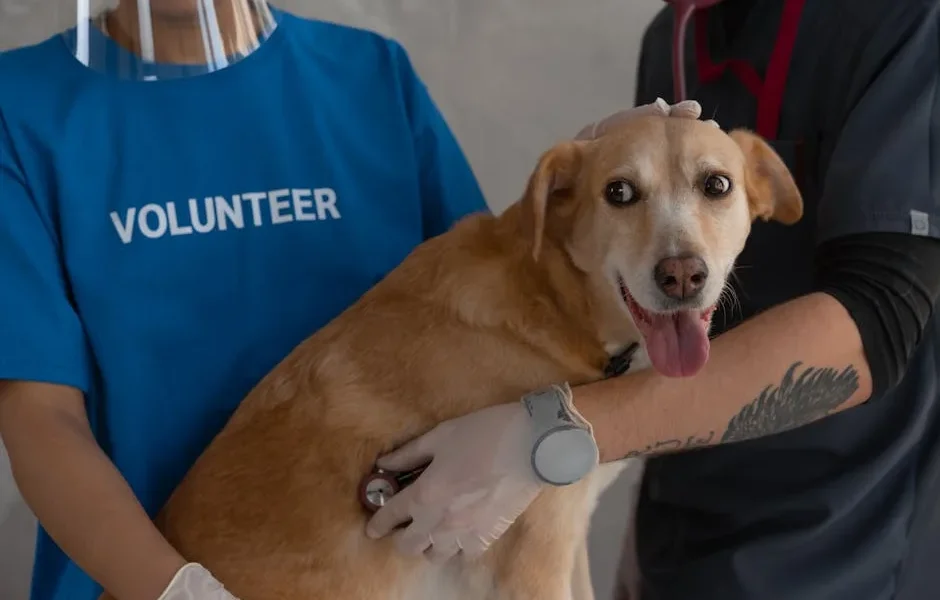
- True pet emergencies involve ABC issues (Airway, Breathing, Circulation), unconsciousness, toxin ingestion, or severe trauma. These always get immediate attention.
- Veterinary ERs use 3-5 tier triage systems. Trained technicians assess your pet within 1-2 minutes of arrival.
- About 30-40% of emergency visits could safely wait for regular vet care. This makes wait times longer and costs higher for everyone.
- Even with an appointment, critical cases will be seen first. Triage overrides scheduling. This can feel frustrating but it saves lives.
- Understanding what qualifies as a true pet emergency helps you make better decisions. It reduces unnecessary ER visits. It ensures critically ill animals get immediate care.
I’ll never forget the owner who rushed in at 2 AM. Their Labrador had eaten half a pizza four hours earlier. The dog seemed “guilty.”
Meanwhile, in the parking lot, a cat was actively dying from a urinary blockage.
Both owners thought they had emergencies. Only one was right.
Understanding what qualifies as a true pet emergency can literally save your pet’s life. It can also save you from spending $1,200 at midnight for something that could’ve waited until morning.
After fifteen years running an emergency department, I’ve seen everything. From “my dog sneezed twice” to cases where seconds mattered.
Let me walk you through how we actually make these decisions behind those swinging ER doors.
How Do Veterinary Emergency Hospitals Actually Triage Patients?
The moment you walk through our doors, a trained veterinary technician is already assessing your pet.
We’re not being rude when we ask quick-fire questions before you’ve even finished checking in. We’re triaging.
Most veterinary ERs use a modified 5-level system. It was originally developed for human hospitals. Here’s how it breaks down:
- Level 1 (Immediate): Life-threatening. Respiratory arrest, cardiac arrest, uncontrolled bleeding, unconscious. Seen within seconds.
- Level 2 (Emergent): High risk of getting worse. Difficulty breathing, active seizures, bloat symptoms, inability to urinate, severe trauma. Seen within 10-15 minutes.
- Level 3 (Urgent): Stable but needs prompt care. Moderate pain, vomiting with lethargy, suspected toxin ingestion without symptoms yet. Wait time 30-60 minutes.
- Level 4 (Less Urgent): Stable, minimal risk. Limping without trauma, minor wounds, mild diarrhea. Wait time 1-3 hours.
- Level 5 (Non-Urgent): Could wait for regular vet. Vaccine requests, nail trims, chronic issues with no acute change. Should really see regular vet.
Within 90 seconds of your arrival, we’ve assessed several things:
- Respiratory rate and effort
- Heart rate
- Mucous membrane color (those gums tell us everything about circulation)
- Mental status
- Pain level
Your pet gets a colored wristband or chart marker.
That pizza-eating Lab? Level 5.
The blocked cat? Level 1. He was in our treatment area before the Lab’s owner finished the check-in paperwork.
What We’re Looking For During That Initial Assessment
Triage isn’t guesswork. We follow specific protocols:
- Respiratory rate over 40 breaths per minute at rest? Red flag.
- Pale or blue-tinged gums? That’s a circulation emergency.
- Capillary refill time over 2 seconds? Possible shock.
- Mentation changes—disorientation, non-responsiveness? Brain or metabolic crisis.
- Severe pain despite the pet’s stoic exterior? Dogs and cats hide pain remarkably well. We’re trained to spot the subtle signs.
This is why learning about early detection through routine monitoring matters. Baseline values help us recognize when something’s truly wrong.
What Actually Qualifies as a True Pet Emergency?
Let’s get specific. These situations require immediate emergency care:
The “Drop Everything and Go” List:
- Difficulty breathing, blue or pale gums, open-mouth breathing in cats
- Unconsciousness or extreme lethargy (can’t stand, won’t lift head)
- Seizures lasting more than 5 minutes or multiple seizures within an hour
- Bloat symptoms in dogs: distended abdomen, unproductive retching, pacing, rapid breathing (this kills within hours)
- Inability to urinate, especially in male cats—they have 24-48 hours before kidney failure
- Known toxin ingestion (chocolate, xylitol, rat poison, antifreeze, human medications)
- Severe bleeding that doesn’t stop with 5 minutes of direct pressure
- Eye injuries or sudden blindness
- Heatstroke: temperature over 105°F, excessive panting, vomiting, collapse
- Major trauma: hit by car, fall from height, dog fight with puncture wounds
- Snake bites or serious insect stings with facial swelling
- Straining to defecate (cats and small dogs can obstruct)
- Protracted vomiting and diarrhea with lethargy (dehydration and electrolyte imbalances happen fast)
Notice what’s not on this list?
Single episode of vomiting with normal behavior. Limping for a day but still walking. Minor cough without respiratory distress. Small lump that’s been there for weeks.
These warrant a vet visit, absolutely. But through your regular preventive care program, not at midnight with emergency surcharges.
Why Did We Wait Three Hours When We Had an Appointment?
This question comes up constantly. I understand the frustration.
Here’s the truth: appointment times in an ER are estimates, not guarantees.
Triage overrides everything. Always.
Let’s say you scheduled an appointment for 6 PM. You need to check your dog’s ear infection. It’s been bothering him for two days.
You arrive on time.
But at 5:58 PM, someone rushes in with a Labrador in respiratory distress from an allergic reaction.
That dog is dying. Literally dying, right now.
We’re taking the Labrador immediately. Your appointment gets bumped.
It’s not personal. It’s the fundamental principle of emergency medicine.
Then at 6:15, a cat in diabetic crisis arrives. Then at 6:30, a dog hit by a car.
Your ear infection appointment? You might not be seen until 8 or 9 PM. Or we might ask you to return to your regular vet the next morning. This happens when we’re slammed with critical cases.
Emergency visits have surged 30-40% since the pandemic. This strains already limited resources.
More pets. Fewer general practice appointments available. People defaulting to the ER for non-emergencies because they can’t get in anywhere else.
It’s become a real problem for both sides.
What You Can Do to Minimize Wait Times
Be honest during triage. We’re not judging you. We’re trying to help everyone efficiently.
If your pet is stable and you’re told the wait might be 3-4 hours, consider something. Can this truly wait until morning?
Some ERs now offer telemedicine triage consultations. They cost $50-100. You can speak with a technician or vet. They’ll help determine if you need to come in at all.
Can I Call Ahead to See If My Pet’s Issue Is Really an Emergency?
Yes! Please do.
Most emergency hospitals would rather spend five minutes on the phone helping you. That’s better than having you drive across town at midnight for something non-urgent.
When you call, be prepared to answer:
- What’s the primary symptom?
- When did it start?
- Is your pet eating, drinking, urinating, and defecating normally?
- What’s their energy level compared to normal?
- Any vomiting, diarrhea, or difficulty breathing?
- Any known toxin exposure?
- What’s their gum color? (Lift the lip—should be pink, not pale or white)
We can often guide you through at-home monitoring. Or we’ll help you decide if this needs immediate attention.
For toxin ingestions specifically, call Pet Poison Helpline (855-764-7661) or ASPCA Poison Control (888-426-4435) first. They’ll tell you whether you need emergency care or can monitor at home.
Yes, there’s a consultation fee. But it’s often cheaper than an unnecessary ER visit.
Some behavioral issues seem emergent but aren’t medical emergencies. For example, if your cat suddenly started spraying everywhere, that’s stressful. It needs addressing through veterinary behavioral strategies. But it’s not a 2 AM problem.
What’s the Difference Between Urgent and Non-Urgent Symptoms?
This confuses people constantly. I get it. Without medical training, how are you supposed to know?
Think of it this way: Urgent symptoms involve ABC problems or rapid changes.
Airway (can’t breathe normally). Breathing (respiratory distress). Circulation (pale gums, collapse, severe bleeding).
Anything affecting these systems or changing rapidly is urgent.
Non-urgent symptoms are chronic, stable, or minor:
| Urgent (ER Now) | Non-Urgent (Regular Vet) |
|---|---|
| Suddenly won’t put weight on leg, crying in pain | Limping for 3 days, still walking on it, acting normal otherwise |
| Vomiting repeatedly, lethargic, won’t drink | Vomited once this morning, ate dinner normally, acting fine |
| Difficulty breathing, extended neck, blue gums | Occasional cough for a week, otherwise normal energy |
| Severe pain, won’t let you touch abdomen, hunched | Mild discomfort, still eating and moving normally |
| Eye injury, sudden blindness, eyeball looks abnormal | Mild eye discharge for a few days, no squinting |
The key question: Could this wait 12-24 hours without significantly worsening?
If yes, call your regular vet in the morning.
If no—or if you’re genuinely unsure—err on the side of caution.
Certain species have specific red flags.
Cats hiding and not eating for 24+ hours? That’s actually urgent. They develop hepatic lipidosis (fatty liver disease) quickly.
Dogs with repetitive behaviors like obsessive tail chasing? That’s worth understanding through behavioral evaluation. But it’s not an emergency unless they’re injuring themselves.
Why Do Emergency Visits Cost So Much More Than Regular Vet Visits?
Let’s talk money. I know this creates real stress.
Emergency visits average $800-$1,500. Regular visits cost $200-400.
After-hours typically adds 50-100% in surcharges.
Why?
We’re staffed 24/7/365. That means paying overnight technicians, doctors, and support staff premium wages.
We maintain equipment regular practices don’t need:
- Ventilators
- Blood gas analyzers
- Continuous ECG monitoring
- Oxygen cages
- Emergency surgery capabilities
We stock expensive emergency medications and blood products.
The lights stay on. The heat runs. The X-ray machine stays ready. This is true whether we see one patient or twenty.
When you compare the cost, you’re not comparing apples to apples. You’re comparing a Level 1 trauma center to a clinic.
Both provide excellent care within their scope. But the infrastructure costs differ dramatically.
This is where planning ahead with pet insurance or health savings accounts really matters.
A $1,200 emergency visit at 3 AM hurts a lot less when you’re reimbursed 80% of it.
Want to reduce costs? Use emergency services appropriately. Save the ER for actual emergencies.
Build a relationship with a regular vet who knows your pet. They can often squeeze you in for urgent issues during business hours. The cost is a fraction of the ER.
How Can I Better Prepare for a Potential Emergency?
Smart question. Here’s what makes our jobs easier and gets your pet faster care:
Before You Leave Home:
- Call ahead so we know you’re coming and can prepare
- Bring any medications your pet takes (bottles, not just names)
- If toxin ingestion, bring the package/bottle
- Write down when symptoms started and progression
- Note what your pet has eaten and when (especially important for vomiting cases)
- Bring a fresh stool sample if there’s diarrhea
- Have your regular vet’s contact information ready
What to Tell Triage (in order of importance):
- What’s wrong right now (the primary complaint)
- When it started
- Any relevant medical history (diabetes, heart disease, previous surgeries)
- Current medications
- Any toxin exposure or dietary indiscretion
Learn basic vital sign checks at home.
Normal dog heart rate: 60-140 bpm (higher in small dogs).
Normal cat: 140-220 bpm.
Respiratory rate at rest: 10-30 breaths per minute for both.
Gums should be pink and moist. Capillary refill should be under 2 seconds. (Press gum, release, see how fast pink color returns.)
If you can provide these numbers during triage, you’ve just given us valuable baseline data.
If you’re evaluating whether your regular vet offers specialized emergency capabilities, ask about their after-hours protocols. Ask whether they have an on-call doctor or partner with local ERs.
Final Thoughts
Understanding what qualifies as a true pet emergency isn’t about becoming a veterinarian yourself.
It’s about recognizing red flags. It’s about making informed decisions under stress.
ABC issues (Airway, Breathing, Circulation), unconsciousness, toxin ingestion, inability to urinate, and severe trauma always warrant immediate emergency care.
Everything else falls on a spectrum.
When in doubt, a phone call can provide clarity. You avoid the time and expense of an unnecessary middle-of-the-night visit.
Here’s what I want you to do:
Right now, before you need it, locate your nearest 24-hour emergency veterinary hospital. Save the number in your phone.
Consider setting aside an emergency fund or exploring insurance options.
Learn what your pet’s normal gum color and breathing pattern look like when they’re healthy. You can’t recognize abnormal if you don’t know normal.
And most importantly, build a relationship with a regular veterinarian through consistent preventive care.
They’re your first line of defense. When a true emergency happens, having medical records already established can literally save critical minutes.
Because in emergency medicine, sometimes minutes are all we have.
Sources & Further Reading
- American Veterinary Medical Association — Emergency Care Guidelines and Pet Owner Resources
- <a href="https://veccs
Medical disclaimer: This article is for educational purposes only and does not substitute professional veterinary advice, diagnosis, or treatment. Always consult a licensed veterinarian about your pet's health.