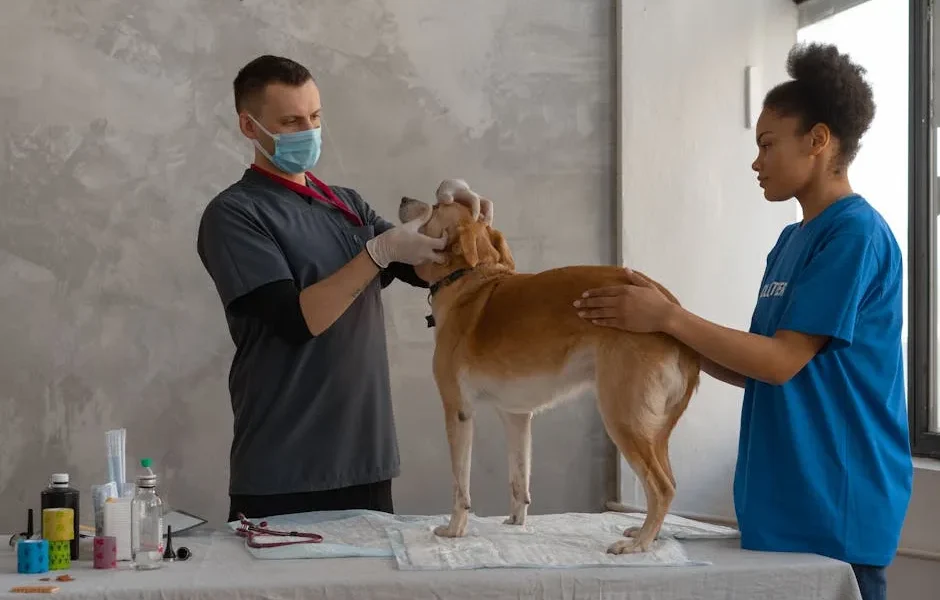
- Vets use four main signs to check if your pet’s diet is working. They look at body condition, coat quality, stool, and energy levels. You can usually see changes in 4-8 weeks.
- Weight alone doesn’t tell the whole story. Muscle condition scoring shows if your pet gets enough protein. This is very important for older pets. They can be overweight but still lose muscle.
- Most diet changes need at least 30 days to see if they work. Energy levels may change in 2-4 weeks. Coat improvements take 6-8 weeks.
I’ll be honest with you. One of the most common talks I have in clinic isn’t about rare diseases. It’s about whether Mr. Whiskers’ food is actually working.
Pet owners spend serious money on food. Sometimes $80 or more per bag. They deserve to know if it’s working.
Learning how to tell if your pet’s nutrition is actually working can help you. It can save you money. It can prevent health problems. And it can give you confidence that you’re making the right choices.
The problem? Most people rely on their pet “seeming fine” or eating eagerly. But enthusiasm doesn’t equal good nutrition. I’ve seen plenty of dogs who’d happily eat cardboard if you put it in their bowl.
The Clinical Reality: What “Working” Actually Means
When I check if a diet is right for a patient, I don’t look at marketing claims. I don’t look at Instagram posts. I look at measurable, physical signs. These signs show if the nutrition is adequate.
Here’s what matters: Is this food complete and balanced for this specific animal? Is it maintaining ideal body condition? Is it supporting healthy skin, coat, and immune function? Is it producing good digestion?
The gold standard isn’t how your pet feels about the food. It’s how their body responds to it over weeks and months.
The Four Pillars of Nutritional Assessment
In veterinary nutrition, we focus on four main indicators. These aren’t random. They’re based on decades of research. They show how nutrients affect health.
Body condition, coat quality, stool characteristics, and energy levels. Everything else is secondary.
Body Condition Scoring: Beyond the Scale
Let me tell you something that surprises most pet owners. Weight is actually one of the least useful metrics when checking nutrition.
I know that sounds strange. About 56% of dogs and 60% of cats in the U.S. are overweight or obese. But hear me out.
Body Condition Score (BCS) uses a 9-point scale. It evaluates fat distribution and muscle coverage. An ideal score is 4-5 out of 9.
At this level, you should be able to feel your pet’s ribs with gentle pressure. You shouldn’t see them. Your pet should have a visible waist when viewed from above. They should have an abdominal tuck when viewed from the side.
The magic happens when you learn to assess this at home. Place your hands on your pet’s ribcage. Put your thumbs on the spine. Can you feel individual ribs without pressing hard? That’s what we’re after.
If you have to dig through a fat layer, we’re looking at overconsumption. If ribs are prominently visible, we’re dealing with underfeeding or malabsorption.
Muscle Condition: The Overlooked Component
This is where it gets interesting. Muscle condition scoring is separate from body fat assessment. And it’s absolutely critical.
This is especially true for senior pets and those with chronic illness.
I evaluate muscle mass over the spine, shoulder blades, skull, and pelvis. A pet can be overweight but muscle-wasted. This indicates inadequate protein quality or quantity despite excess calories.
This is common in older animals eating diets designed for young adults. It’s also common in pets with kidney disease on overly restricted protein diets.
When nutrition is working properly, muscle coverage should be full and symmetrical. Protein should be adequate to maintain lean body mass. Calories should support ideal weight.
Coat Quality: The 6-8 Week Timeline
Your pet’s coat is essentially a nutritional report card. Hair growth responds predictably to dietary changes. This gives us a useful timeline for assessment.
Within 6-8 weeks of appropriate nutrition, you should see noticeable improvements. This is if there were previous deficiencies.
The coat becomes shinier, softer, and more resilient. Excessive shedding decreases. Dry, flaky skin improves. Dullness transforms into glossiness.
Essential fatty acids directly impact skin and coat health. These are particularly omega-3 and omega-6 in proper ratios.
When I see a patient with a brittle, dull coat despite adequate calories, I immediately question essential fatty acid content. Or I wonder about absorption.
Here’s the clinical nugget: If you’re eight weeks into a new diet and the coat hasn’t improved, something’s off. It might have worsened instead.
Either the food lacks adequate fatty acids, there’s a malabsorption issue, or an underlying medical condition is interfering.
What Normal Looks Like
A well-nourished dog should have a shiny coat. It should feel smooth and slightly oily. Not greasy.
Cats should have sleek, groomed-looking fur that lies flat. Both species should shed seasonally, not constantly.
The skin underneath should be supple, not flaky or tight.
Breed matters here. Some breeds naturally have coarser coats. But within their breed standard, nutrition still makes a visible difference.
Stool Quality: The Unglamorous Truth
Nobody loves talking about poop. But in veterinary nutrition, it’s actually fascinating data.
Stool quality reflects digestive efficiency, nutrient absorption, and food tolerance.
We assess using the “4 Cs.” That’s consistency, coating, contents, and color.
Ideal stools should be firm, formed, and easy to pick up. They should lack mucus coating or undigested food particles. Color should be chocolate brown. This varies slightly with diet.
When nutrition is working, you’ll notice several things.
First, stool volume decreases with higher-quality foods. This is because digestibility is better. More nutrients are absorbed. Less waste is produced.
Premium foods with 80-90% digestibility produce less stool. Lower-quality foods with 60-70% digestibility produce more.
Second, consistency remains stable. Chronic soft stools or intermittent diarrhea suggest problems. These might be protein digestibility issues, food sensitivities, or ingredient intolerance.
These aren’t necessarily “bad” foods universally. But they’re wrong for that particular animal.
The Adjustment Period
During food transitions, some stool softening is normal for 3-5 days. The gut microbiome needs time to adapt to new protein sources and fiber content.
But if you’re two weeks in and still seeing loose stools? That’s not adjustment. That’s incompatibility.
This is different from the temporary digestive upset discussed in recognizing true emergency symptoms. In those cases, acute changes signal immediate problems.
Energy Levels: The 2-4 Week Window
Appropriate nutrition should result in stable, consistent energy throughout the day. Not hyperactivity. Not lethargy. Just appropriate vitality for that animal’s age and breed.
Within 2-4 weeks of dietary changes, energy level shifts become apparent.
If calories are inadequate, you’ll see reduced playfulness. You’ll see increased sleeping and reluctance to exercise.
If calories are excessive (but not yet causing weight gain), you might see restlessness or difficulty settling.
The sweet spot produces an animal who’s alert. They’re playful during appropriate times. They’re calmly restful between activities.
Puppies and kittens should be energetic but capable of napping. Adults should maintain steady activity. Seniors should remain engaged and mobile, not shut down.
I’ve seen dramatic transformations when we correct nutritional imbalances. A lethargic Labrador on a low-protein senior diet perks up significantly when switched to appropriate protein levels. A hyperactive terrier calms down when we adjust carbohydrate sources and add appropriate fiber.
Additional Indicators Vets Monitor
Beyond the big four, several secondary markers provide supporting evidence. These show nutritional adequacy.
Dental Health and Diet Type
Research shows dogs eating dry kibble have 42% less tartar buildup. This is compared to those on soft diets alone. Dental-specific formulations show even better results.
While diet alone won’t prevent all dental disease, it’s a contributing factor.
When I examine a patient’s teeth during wellness exams, diet history helps me. It helps me predict what I’ll find.
Pets on exclusively soft diets typically require more frequent dental cleanings. Those on kibble or dental diets often have cleaner teeth between professional cleanings.
That said, dental health isn’t the primary reason to choose a food. Nutritional adequacy comes first. But it’s a nice bonus when it aligns.
Immune Function and Illness Frequency
This one’s harder to quantify but clinically significant. Pets on nutritionally adequate diets tend to have fewer infections. They have faster wound healing and better vaccine responses.
If your pet seems to catch every bug going around, nutrition might be playing a role. Or if they take unusually long to recover from minor illnesses.
Adequate protein supports immune function. So do vitamins A, D, and E. Trace minerals like zinc and selenium all support immune function too.
The 30-Day Nutrition Checkpoint
So you’ve switched foods. Now what? Here’s the realistic timeline for evaluating whether it’s working:
Week 1: Focus on appetite and transition tolerance. Your pet should eat willingly. Not just tolerate the food. Mild stool softening is acceptable. But it should be improving by day 5-7.
Week 2-4: Energy levels should stabilize or improve. You’re still too early for coat changes. But you should notice stable stools, good appetite, and appropriate vitality. This is when the investment in quality nutrition starts becoming apparent.
Week 4-8: Coat improvements become visible. Shedding should normalize. Skin should look healthier. If you’re monitoring body condition, you might start seeing subtle shifts. This is if caloric intake needed adjustment.
Week 8-12: Body condition changes become measurable. If weight loss or gain was a goal, you should see progress. Muscle condition should be maintained or improved.
If you’re not seeing positive indicators by week 8-12, it’s time to reassess. Either the food isn’t appropriate for your pet, there’s an underlying medical issue, or the life stage formulation is wrong.
When Standard Diets Aren’t Enough
Sometimes, despite choosing quality food and monitoring carefully, pets don’t thrive. This is when veterinary nutrition specialists become valuable.
Board-certified veterinary nutritionists handle cases where standard commercial diets fail. Like me. There are fewer than 100 of us in the US.
We handle chronic GI disease. Food allergies. Multiple diet failures. Complex medical conditions requiring therapeutic nutrition.
We also formulate home-cooked diets that are actually balanced. Not just “natural.”
Most home-cooked diets created without professional guidance are nutritionally inadequate. This happens even with the best intentions.
Similar to seeking specialty care for complex medical issues, nutritional problems sometimes require specialized expertise.
Red Flags Requiring Professional Input
Certain signs indicate you need more than a food change.
Weight loss despite adequate intake. Persistent diarrhea through multiple diet trials. Recurring skin infections. Muscle wasting in a pet receiving adequate calories.
These suggest underlying medical conditions. Like inflammatory bowel disease, pancreatic insufficiency, protein-losing enteropathy, or endocrine disorders.
These require diagnosis and therapeutic nutrition. Not just premium food.
Life Stage Matters More Than Marketing
AAFCO (Association of American Feed Control Officials) requires different nutritional profiles. These are for growth, maintenance, and reproduction.
In 2024, they added specific guidelines for senior pets. This recognizes aging as a distinct life stage requiring targeted nutrition.
Feeding the wrong life stage can have real consequences.
Puppies and kittens on adult maintenance diets may develop skeletal abnormalities. This comes from calcium/phosphorus imbalances.
Senior pets on high-calorie growth formulas become obese. Adult dogs on senior diets with restricted protein may lose muscle mass unnecessarily.
The label matters. “All life stages” foods are formulated to meet the highest nutritional requirements. That’s growth. This means they’re typically too calorie-dense for adult maintenance. And definitely too rich for seniors.
The Senior Pet Nutrition Challenge
Older animals present unique assessment challenges. They’re prone to both obesity and muscle wasting simultaneously. This is called sarcopenic obesity.
They may have decreased appetite or dental issues affecting food intake. Kidney function changes alter protein requirements.
For seniors, I pay extra attention to muscle condition scoring. Even if body weight is stable, muscle loss indicates inadequate protein quality or quantity.
Senior pets actually need high-quality, highly digestible protein. Not the protein restriction that old nutrition myths promoted.
Budget Considerations and Nutritional Value
Let’s address the elephant in the room. Expensive doesn’t automatically mean better. But quality ingredients and manufacturing do cost more.
When evaluating cost-effectiveness, I look at feeding amounts.
A 30-pound dog might need 3 cups daily of a lower-digestibility food. Versus 1.5 cups of a premium food. That $80 bag lasting twice as long changes the math significantly.
Plus less poop to pick up. That’s a bonus.
The question isn’t “Is this the most expensive food?” It’s “Does this food produce the clinical indicators of nutritional adequacy in my pet?”
Sometimes mid-tier foods perform beautifully. Sometimes they don’t. And the premium option is justified.
Judge by results, not price alone. But also recognize that rock-bottom budget foods often show their limitations. This shows in coat quality, stool volume, and long-term health outcomes.
As I discuss in preventive care economics, investing in nutrition now often prevents expensive medical problems later.
Fresh and Alternative Diet Trends
The fresh/refrigerated pet food market exploded 87% from 2023-2024. I’m fielding more questions about these options than ever before.
Fresh foods can absolutely provide excellent nutrition. But only if they’re properly formulated.
The same assessment criteria apply. Body condition, coat quality, stool characteristics, energy levels.
Marketing about “human-grade” or “fresh” means nothing if the nutritional profile is inadequate or imbalanced.
I’ve seen beautifully formulated fresh diets produce outstanding results. I’ve also seen nutritionally incomplete fresh foods cause deficiencies.
The format matters less than the formulation.
Microbiome Testing: Useful or Hype?
Direct-to-consumer gut microbiome testing for pets became mainstream in 2024. As a nutritionist, I find these occasionally useful for chronic GI cases.
But they’re not necessary for routine nutritional assessment.
A healthy gut microbiome produces good stools. If stools are consistently ideal, you don’t need expensive testing to confirm gut health.
Save the testing for problem cases where standard approaches have failed.
Documenting Your Pet’s Nutritional Journey
I encourage clients to keep simple records when evaluating food changes. Nothing elaborate. Just notes on what you observe.
Weekly weigh-ins if you have a reliable scale. Photos of body condition from above and the side. Brief notes on energy level, stool quality, and coat appearance.
This documentation helps you make objective assessments. Rather than relying on memory.
It’s also invaluable if you need to consult with a nutritionist. Or when discussing concerns with your veterinarian.
Concrete observations trump vague feelings.
Similar to maintaining complete medical records, nutrition records become part of your pet’s health history.
Final Thoughts
Evaluating your pet’s nutrition doesn’t require a veterinary degree. But it does require knowing what to look for. And giving adequate time for assessment.
Body condition scoring, coat quality, stool characteristics, and energy levels tell you almost everything you need to know. They show whether a food is working.
Most changes become apparent within 30 days. Though coat improvements take 6-8 weeks. And body condition shifts may require 8-12 weeks.
Start with one diet change at a time. Monitor consistently using objective criteria. Give it enough time to work before switching again.
If you’re not seeing positive results by the 8-12 week mark, consult your veterinarian. Or if you’re seeing concerning signs earlier.
Sometimes the issue isn’t the food. It’s an underlying medical condition that requires professional diagnosis.
Trust the physical signs your pet’s body is showing you. Not marketing claims or Instagram testimonials.
And remember: the best diet for your pet is the one that produces measurable, sustained health indicators. Over months and years. Not just enthusiasm at mealtime.
Sources & Further Reading
- Association of American Feed Control Officials (AAFCO) — Official pet food regulatory standards and nutrient profiles for different life stages
- World Small Animal Veterinary Association (WSAVA) Nutritional Guidelines — Evidence-based nutritional assessment tools including body condition and muscle condition scoring systems
- Association for Pet Obesity Prevention — Current obesity statistics, body condition scoring charts, and weight management resources
-
Medical disclaimer: This article is for educational purposes only and does not substitute professional veterinary advice, diagnosis, or treatment. Always consult a licensed veterinarian about your pet's health.