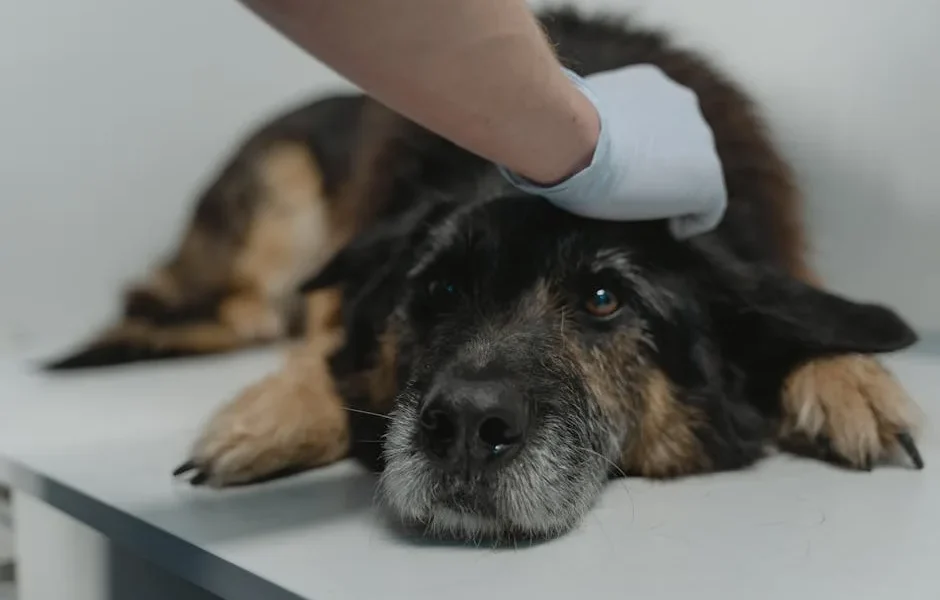
- Chronic kidney disease affects 1 in 3 cats and 1 in 10 dogs. Regular blood tests don’t show problems until 75% of kidney function is already lost.
- Increased thirst and urination are often the earliest signs you can spot at home. These appear when about 66-75% of kidney tissue is damaged.
- New SDMA blood tests can detect kidney disease much earlier. They find problems when only 40% of function is lost. Regular screening is crucial for pets over age 7 (cats) or 10 (dogs).
- Subtle changes often come first. Watch for gradual weight loss, decreased appetite, and behavioral shifts. Cats are especially good at hiding illness.
I’ll never forget talking to a client about her 9-year-old cat, Whiskers. He seemed “just fine” until suddenly he wasn’t. She’d noticed he was drinking more water. But she thought it was just the warmer weather. By the time we diagnosed kidney disease, we were already playing catch-up.
That’s why learning how to spot early warning signs of kidney disease in cats and dogs matters so much. These clever creatures are masters at hiding how they really feel. They often hide illness until things have progressed significantly.
Kidney disease is sneaky. It creeps up gradually. It steals function bit by bit.
But here’s the thing: if you know what to watch for, you can catch it earlier than you might think.
Why Is My Pet Drinking So Much Water Lately?
This is often the first question pet owners ask. It gets us thinking about kidneys.
Increased water consumption is called polydipsia. When paired with more frequent urination (polyuria), it’s one of the earliest warning signs. You can actually observe this at home.
When kidneys start losing function, they become less efficient. They can’t concentrate urine as well. Your pet’s body tries to compensate by processing more water. This means they need to drink more to stay hydrated.
You might notice you’re refilling the water bowl twice as often. Or your dog suddenly wants to go outside at 3 AM. They’ve been sleeping through the night for years.
For cat owners, this often shows up as much wetter litter box clumps than usual. You might need more frequent scooping sessions. Some cats even start drinking from unusual places. They drink from the sink, shower, or toilet. Their thirst drive is that strong.
Here’s the critical part: this sign typically appears when 66-75% of kidney tissue is already compromised. That sounds scary. But it’s actually still early enough to make a real difference with treatment.
The problem is many people dismiss it. They think it’s “just getting older” or “the weather’s been warm.”
Trust your instincts. If your gut says something’s changed, it probably has.
What Other Behavioral Changes Should I Watch For?
Beyond the water bowl, pets with developing kidney disease often show subtle shifts. These are easy to miss if you’re not looking for them.
Weight loss happens gradually. It happens so gradually that you might not notice until you look at photos from six months ago.
Studies show 60-80% of pets with progressing kidney disease experience unexplained weight loss. This often includes muscle wasting along the spine and hips. Run your hands along your pet’s body weekly. You should feel muscle, not just bone and loose skin.
Appetite changes are tricky because they’re inconsistent. Your pet might eat normally one day. Then they pick at their food the next.
As kidney disease progresses, waste products build up in the bloodstream. This causes nausea. Some pets develop picky eating habits. They suddenly turn their nose up at foods they previously loved.
This connects directly to proper nutrition for pets with health challenges.
Lethargy or decreased activity is another red flag. Sure, senior pets slow down naturally. But there’s a difference between “I’m taking more naps” and “I don’t want to play with my favorite toy anymore.”
Pets with kidney disease often seem more tired. Their body is working overtime to filter toxins with diminished kidney capacity.
Vomiting can be a sign, especially in the morning. Or it happens after not eating for a while. This can indicate uremia (waste buildup in the blood). If you’re seeing this alongside other symptoms, don’t wait.
Are Some Pets More at Risk Than Others?
Absolutely. Age is the biggest risk factor. Kidney function naturally declines over time.
For cats, we start seeing increased incidence after age 7. It really ramps up after 10.
Dogs typically show problems after age 10. Though larger breeds may develop issues earlier since they age faster.
But genetics play a huge role too. Certain breeds have hereditary predispositions to kidney disease.
If you own a Persian or Abyssinian cat, you should be extra vigilant. These breeds are prone to polycystic kidney disease.
For dogs, German Shepherds, Bull Terriers, English Cocker Spaniels, and Samoyeds top the high-risk list.
Other risk factors include:
- Previous kidney infections or urinary tract issues
- Exposure to toxins (certain medications, antifreeze, grapes/raisins, lilies for cats)
- High blood pressure
- Dental disease (yes, really—bacteria can affect kidney health)
- Obesity and poor diet
If your pet checks any of these boxes, proactive screening becomes even more important.
When evaluating whether your vet clinic has adequate diagnostic tools, make sure they offer comprehensive kidney function testing.
What’s the Difference Between Acute and Chronic Kidney Disease?
Great question. The warning signs and urgency levels are completely different.
Acute kidney injury (AKI) happens suddenly. We’re talking hours to days. It’s usually caused by toxin ingestion, severe infection, heatstroke, or blockage.
The signs are dramatic and unmistakable. These include sudden complete loss of appetite, repeated vomiting, extreme lethargy, decreased or absent urination, wobbliness, or even seizures.
This is a medical emergency. It requires immediate veterinary care. Like right now, emergency clinic level care.
The silver lining? If caught quickly, acute kidney injury can sometimes be reversed. This requires aggressive treatment (IV fluids, medications, sometimes dialysis).
Chronic kidney disease (CKD) develops over months to years. It’s progressive and irreversible. But it’s manageable when caught early.
The warning signs we’ve been discussing are hallmarks of CKD. These include increased thirst, gradual weight loss, and subtle appetite changes.
The kidney tissue that’s damaged can’t regenerate. But early intervention can significantly slow progression. It can maintain quality of life for years.
Understanding this distinction matters. It changes how urgently you need to act. It also changes what outcomes you can expect.
How Can My Vet Detect Kidney Disease Before I See Symptoms?
This is where modern veterinary medicine really shines. We now have tools that can identify kidney problems much earlier. This wasn’t possible even five years ago.
SDMA testing (symmetric dimethylarginine) is probably the biggest game-changer. It’s revolutionized kidney disease detection.
Traditional creatinine blood tests don’t show elevation until about 75% of kidney function is lost. SDMA, by contrast, becomes elevated when only 40% of function is compromised. That’s a massive window for early intervention.
Since SDMA testing became widely available in 2023-2024, we’re catching cases that would have been missed entirely. If your vet isn’t including SDMA in senior wellness panels, ask why not.
Urinalysis is equally critical. It’s often overlooked. Checking urine concentration (specific gravity), looking for protein (proteinuria), and examining sediment can reveal problems early. This can be months or even years before blood work changes.
Protein in the urine is particularly telling. It’s one of the earliest detectable abnormalities.
Blood pressure monitoring should be part of senior pet wellness exams. Hypertension occurs in 20-65% of cats and 50-93% of dogs with CKD.
It can be both a cause and a consequence of kidney disease. This creates a vicious cycle if left unchecked.
Regular screening schedules matter: For healthy pets, annual wellness exams with bloodwork starting around age 7 (cats) or 10 (dogs) are baseline.
For high-risk breeds or pets with other health conditions, twice-yearly screening makes sense.
The financial investment in early detection is minimal. It’s much less than managing advanced kidney disease long-term.
Can I Monitor My Pet’s Kidney Health at Home?
You absolutely can. Honestly, you’re the best early warning system your pet has. You see them every single day. You’ll notice changes before anyone else.
Here’s what I recommend to my clients:
Track water intake. Measure what you put in the bowl in the morning. Then measure what’s left at night. Do this a few times a month so you have baseline numbers.
A sudden 50% increase in consumption is worth calling about.
Monitor urination patterns. Note how often your dog asks to go out. Or count how many litter box clumps you’re scooping.
For cats, watch the size of urine clumps. Large, soggy clumps that break apart easily suggest dilute urine.
Weigh your pet monthly. Use a home scale. You can weigh yourself holding your pet, then subtract your weight. Keep a simple log.
A 10% weight loss over 3-6 months warrants investigation.
Watch energy levels and appetite. Not scientifically, just observationally. Is your pet engaging with life the way they used to? Are they excited about meals?
There are now even at-home urine testing kits available (as of 2024-2026). These can detect certain kidney markers between vet visits. Though these aren’t replacements for professional screening. They’re just additional monitoring tools for high-risk pets.
The key is establishing what’s normal for YOUR pet. Then you can recognize when things change.
What Should I Do If I Notice Warning Signs?
Don’t panic, but don’t wait either.
Here’s my standard advice: If you notice one subtle sign (like slightly increased water drinking), monitor closely for a week. Schedule a wellness exam within the next 2-4 weeks.
If you’re seeing multiple warning signs together—increased thirst AND weight loss AND decreased appetite—call your vet within a few days for an appointment.
If you see signs of acute kidney injury, that’s an emergency. Signs include sudden vomiting, complete loss of appetite, no urination, or extreme lethargy. This requires same-day care.
When you call, be specific. “I’ve been tracking his water intake, and he’s drinking twice as much as he was two months ago” is way more helpful than “He seems to be drinking more.”
Vets take documented observations seriously.
Come prepared for your appointment with:
- Notes about when symptoms started and how they’ve progressed
- A list of any medications or supplements your pet takes
- Information about diet and any recent changes
- Questions about testing options and what early intervention might look like
Don’t be afraid to ask questions about dietary modifications that might support kidney health.
You can also discuss referral to a specialist if needed. Specialists have advanced diagnostic and treatment capabilities. These can make a real difference in complex cases.
Also, be thoughtful about medication use. Kidneys process many drugs. It’s important to ensure any medications your pet receives are appropriate and necessary.
Final Thoughts
Kidney disease in cats and dogs is incredibly common. But it doesn’t have to be a sudden, devastating diagnosis.
The difference between catching it at 40% function loss versus 75% can literally add years of quality life to your pet’s story. Those extra years matter—to you, and certainly to them.
Trust yourself to notice the small changes. The extra trips to the water bowl. The gradual weight loss you initially attributed to aging. The decreased enthusiasm for meals.
These subtle shifts are your pet’s way of communicating that something’s off.
Get your senior pets screened regularly. Know your pet’s breed-specific risks. Don’t hesitate to advocate for thorough testing when your gut tells you something’s changed.
Early detection transforms kidney disease from a crisis into a manageable chronic condition.
Your vigilance might be the best gift you can give your four-legged family member.
Sources & Further Reading
- International Renal Interest Society (IRIS) — Global veterinary organization setting standards for kidney disease diagnosis, staging, and treatment protocols
- Cornell University College of Veterinary Medicine — Research and educational resources on kidney disease in companion animals
- American Veterinary Medical Association (AVMA) — Professional guidelines and pet owner resources on kidney health and disease management
- American Animal Hospital Association (AAHA) — Clinical guidelines for early detection and management of kidney disease in practice settings
- American College of Veterinary Internal Medicine (ACVIM) — Specialist-level resources on nephrology and internal medicine for companion animals
