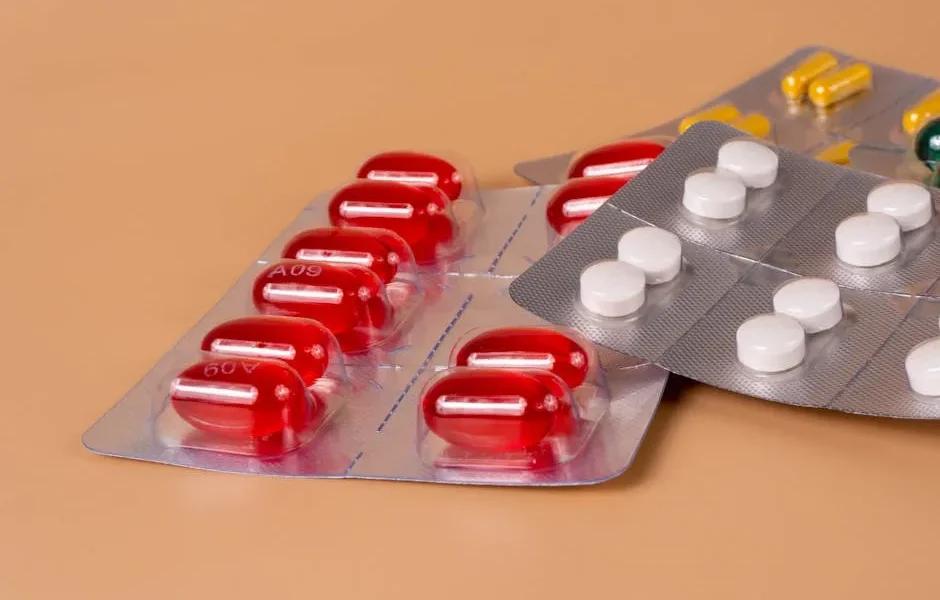
- Antibiotic resistance in pets is rising fast. 40-50% of pet owners stop treatment early. This helps create resistance that affects both animals and humans.
- Culture and sensitivity testing happens in only 20-35% of cases. Requesting it can prevent wrong antibiotic use. It saves money in the long run.
- Finish the full antibiotic course. Store medicines properly. Never share medications between pets. These simple steps are critical.
Here’s my honest take: Antibiotic Resistance in Pets: How to Use Medications Responsibly 2025 isn’t just some abstract problem. It’s a real crisis happening in vet offices every single day.
I’ve watched too many heartbroken pet owners learn the truth. Their dog’s simple skin infection has become a nightmare to treat. Why? Resistant bacteria.
And here’s the uncomfortable truth: we’re all part of the problem. Vets sometimes prescribe too quickly. Pet owners stop treatment when symptoms improve. Nobody wants to talk about how our shortcuts are creating superbugs. These bugs don’t respond to our best medications.
The stakes? Higher than most people realize. Treatment costs for resistant infections run 3-5 times more than regular ones. And those bacteria don’t stay confined to your pet.
The Real Numbers Behind Pet Antibiotic Resistance
Let’s talk data. This isn’t fear-mongering—it’s science.
About 65-80% of antibiotics prescribed to pets are for skin and urinary tract infections. Sounds routine, right? Except resistance rates for these common conditions have increased 15-20% over the past decade alone.
Staphylococcus pseudintermedius is the bacteria behind most dog skin infections. It now shows resistance rates of 20-30% to methicillin in the US. That means nearly one in four dog staph infections might not respond to our first-line antibiotics.
The FDA’s Center for Veterinary Medicine has news. Antibiotic sales for pets decreased by about 9% from 2019-2022. But resistance patterns keep emerging for commonly used drugs. Drugs like amoxicillin and enrofloxacin.
And here’s what keeps me up at night: Multi-drug resistant E. coli bacteria can transfer between pets and humans. This happens in about 15-30% of households where pets get broad-spectrum antibiotics.
Your pet’s infection becomes your family’s problem. That’s the One Health connection nobody wants to think about. Especially at 2 AM when their dog is miserable and they just want a quick fix.
Why We Keep Making the Same Mistakes
Studies show 40-50% of pet owners admit to stopping antibiotic courses early. They stop when their pet seems better.
I get it. Your dog’s acting normal again. The hot spot looks healed. And giving pills to a cat is basically a contact sport.
But here’s what’s happening beneath the surface: You’re killing off the weakest bacteria. The strongest survive. They multiply. And they pass on their resistance genes.
Culture and sensitivity testing is the gold standard. It identifies exactly which bacteria is causing infection. And which antibiotic will kill it.
But it’s performed in only 20-35% of pet infections before prescribing antibiotics. Why?
Sometimes it’s cost concerns. Sometimes it’s time pressure. Sometimes we vets make educated guesses based on clinical signs. And sometimes? We’re just responding to client expectations for immediate treatment.
The Diagnostic Gap
Here’s where responsible medicine starts: with proper diagnostics.
New rapid diagnostic tests became available in vet clinics throughout 2024-2025. These PCR-based tests provide resistance information within 2-4 hours. Traditional cultures take 3-5 days.
This is game-changing technology. It removes the main excuse for skipping testing.
Should you request a culture test if your vet prescribes antibiotics without one? Yes. Absolutely.
Especially for recurring infections. Or serious conditions. Or when your pet hasn’t responded to previous antibiotic treatment.
It’s not questioning your vet’s competence. It’s being a responsible partner in your pet’s healthcare. Any vet practicing evidence-based medicine will support this request.
If yours doesn’t? That’s valuable information about whether your clinic meets modern standards.
When Antibiotics Aren’t Actually Necessary
Not every infection needs antibiotics. Not every illness is even bacterial.
Many pet owners—and honestly, some vets—reach for antibiotics when other approaches would work better.
Viral infections don’t respond to antibiotics. Period.
Many mild skin irritations resolve with proper topical care. And addressing underlying allergies.
Some urinary symptoms are actually behavioral. Or related to bladder inflammation without bacterial involvement.
Minor wounds often heal beautifully with cleaning and bandaging alone.
The American Veterinary Medical Association launched a 2025 stewardship campaign. It targets this issue. It educates pet owners about when watchful waiting is appropriate. And when immediate treatment is genuinely necessary.
Their resources are worth reviewing before your next vet visit.
Supportive Care and Alternatives
What about probiotics, natural alternatives, and immune support?
Here’s my nuanced take: they have a place. But they’re not replacements for necessary antibiotics.
Probiotics during and after antibiotic therapy can help. They restore healthy gut bacteria. Proper nutrition supports immune function. Topical treatments can reduce the need for systemic antibiotics in some skin conditions.
But—and this is important—essential oils won’t cure a raging bladder infection. Colloidal silver isn’t a substitute for treating pneumonia.
When your pet has a serious bacterial infection confirmed by diagnostics, antibiotics save lives.
The key is using them correctly when they’re truly needed. Not avoiding them entirely. Not using them for everything.
The Financial Reality Nobody Mentions
Pet insurance claims related to antibiotic-resistant infections increased by 25% between 2020-2023.
Treatment costs for resistant infections run 3-5 times higher than sensitive ones.
That $45 culture test you declined? It might have prevented a $2,000 hospitalization. A hospitalization for a resistant infection that requires IV antibiotics and extended care.
I’ve had clients question the cost of diagnostics upfront. Then they face crushing bills when empirical treatment fails. We’re dealing with multi-drug resistant bacteria.
The math strongly favors doing things right the first time.
This is especially relevant when considering long-term healthcare costs and insurance coverage.
Your Responsibility as a Pet Owner
Let’s be clear about what responsible antibiotic use looks like in practice:
Complete the full course. Every single pill. Every single day. Even after symptoms resolve.
Set phone reminders if you need to. Mark it on your calendar. No excuses.
Store medications properly. Follow label instructions for temperature and light exposure. Degraded antibiotics don’t work properly. They can contribute to resistance.
Never share antibiotics between pets. That leftover amoxicillin from your dog’s ear infection last month? It’s not appropriate for your cat’s current problem.
Different species. Different infections. Different dosing. It doesn’t work that way.
Dispose of unused medications correctly. Don’t flush them. Don’t throw them in the trash.
Take them to medication take-back programs. Or follow FDA disposal guidelines. Antibiotics in our water systems contribute to environmental resistance.
Ask questions before accepting prescriptions. What bacteria are we targeting? Have we confirmed this is bacterial? Are there narrower-spectrum options?
What are the signs that treatment isn’t working? When should I call back?
Special Considerations for High-Risk Pets
Some pets face higher resistance risks.
Senior animals and immunocompromised pets are more vulnerable to resistant infections.
Pets in boarding facilities, doggy daycare, or dog parks have increased exposure. They encounter bacteria from multiple sources.
Working dogs and therapy animals encounter more pathogens than typical house pets.
If your pet falls into these categories, extra vigilance matters.
Regular wellness checks help catch problems early. Discuss preventive strategies with your vet before infections develop.
And understand that quality veterinary care involves proper diagnostic equipment. This becomes even more critical.
The One Health Perspective
Can your pet’s antibiotic-resistant infection spread to your family? Yes.
Especially to children. Elderly household members. Or anyone with compromised immune systems.
We share our homes with our pets. Our furniture. Our affection. We also share bacteria.
This isn’t about fear—it’s about awareness.
Basic hygiene practices matter. Wash your hands after handling pets. Especially if they’re on antibiotics or have infected wounds.
Clean pet bowls and bedding regularly. Don’t let pets lick your face or open wounds.
These simple steps reduce transmission risk for everyone in your household.
The CDC’s One Health initiative recognizes the truth. Human health, animal health, and environmental health are interconnected.
Responsible antibiotic use in pets protects not just your dog or cat. It protects your entire family and community.
Recent Changes and Future Directions
The landscape is shifting.
The FDA issued updated guidance in late 2024. It emphasizes veterinary oversight for all medically important antimicrobials. It restricts over-the-counter availability of certain pet antibiotics previously sold without prescription.
This is good news. It prevents inappropriate self-treatment. It ensures professional evaluation.
About 35% of practices now have formal antimicrobial stewardship programs as of early 2025. This shows the profession taking this seriously.
When choosing a vet clinic, ask about their antimicrobial stewardship policies. This is increasingly relevant. Similar to evaluating clinic accreditation and standards.
Research published in 2024 shows promise for bacteriophage therapy. This uses viruses that specifically target bacteria. It’s being used to treat resistant infections in dogs and cats.
Clinical trials are expanding in North America. This isn’t science fiction. It’s the future of treating infections we can no longer manage with traditional antibiotics.
Acknowledging the Counterarguments
Some people argue that veterinary antibiotic resistance isn’t as urgent as human medicine resistance.
The data doesn’t support that position. Resistance genes don’t recognize species boundaries. They transfer between bacteria in animals, humans, and the environment.
Others suggest that restricting antibiotic use means pets will suffer with untreated infections.
That’s a false choice. Responsible use means using the right antibiotic. At the right dose. For the right duration. For confirmed bacterial infections.
It doesn’t mean withholding necessary treatment. It means being smarter about when and how we use these critical medications.
There’s also pushback about diagnostic costs being prohibitive. I understand budget constraints are real.
But we need honest conversations. What’s the true cost of skipping diagnostics? Versus the expense of treatment failures. Resistant infections. And prolonged illness.
Sometimes the cheapest option upfront becomes the most expensive path overall.
Final Thoughts
Antibiotic resistance in pets isn’t something happening to other people’s animals in distant places.
It’s here. It’s accelerating. And it directly impacts the health of the pets we love. And the families who care for them.
But—and this is the hopeful part—we’re not powerless.
Every completed antibiotic course matters. Every culture test performed prevents inappropriate prescribing. Every conversation with your vet about responsible use makes a difference.
Start by examining your own practices. Do you have leftover antibiotics in your medicine cabinet? Dispose of them properly.
Does your pet have a chronic infection that keeps recurring? Request culture testing. Identify exactly what you’re fighting.
Feeling uncertain about whether your pet truly needs antibiotics for their current symptoms? Ask your vet to explain the diagnostic reasoning.
And most importantly, if antibiotics are prescribed, commit to completing the full course. No matter how good your pet looks halfway through.
We can’t individually solve antibiotic resistance. But we can each stop contributing to the problem.
That’s where responsible pet ownership and genuine love for our animals begins.
Sources & Further Reading
- FDA Center for Veterinary Medicine — Comprehensive antimicrobial resistance resources and updated guidance for pet owners and veterinary professionals
- American Veterinary Medical Association (AVMA) — Antimicrobial stewardship guidelines and educational materials for responsible antibiotic use
- Centers for Disease Control and Prevention — One Health approach to antibiotic resistance and zoonotic disease information
- American Animal Hospital Association (AAHA) — Evidence-based antibiotic use guidelines for companion animal practice
- PubMed Central — Peer-reviewed veterinary research on antimicrobial resistance patterns and treatment outcomes
