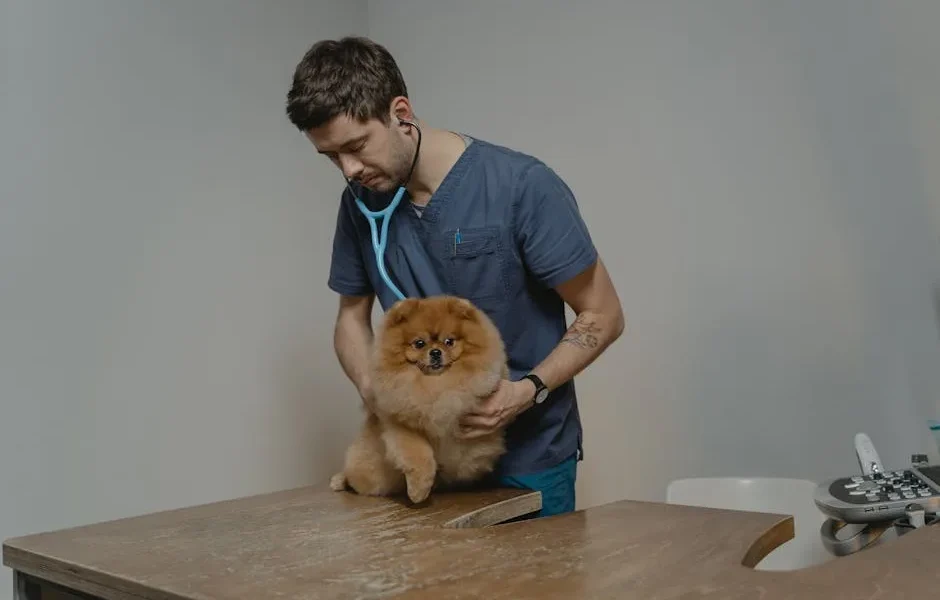
- Only 15% of veterinary practices are AAHA-accredited. This means most clinics don’t meet quality standards for preventive care.
- Warning signs include rushed appointments and incomplete exams. Also watch for poor communication and lack of follow-up on test results.
- Quality clinics provide thorough records and clear cost estimates. They also give personalized preventive care and maintain clean, modern facilities.
I’ve spent 15 years in emergency medicine. You know what I see all the time? Preventable conditions. These could have been caught earlier with proper preventive care.
The thing is, not all preventive care clinics are the same. Some do an outstanding job. Others fall short in ways that could hurt your pet’s health.
Learning to spot warning signs isn’t about being difficult. It’s about being an informed advocate for your pet.
Here’s the reality: About 50% of dogs and cats don’t get annual wellness exams. Poor clinic practices contribute to this problem.
I’ve watched pets come through my ER doors with advanced diseases. These should have been found months earlier during routine visits.
Let’s talk about what you should look for. And what should make you think twice.
1. Your Appointments Feel Rushed and Superficial
A thorough wellness exam should include a complete physical. This takes at least 15-20 minutes for a routine visit.
Your veterinarian should check many things. They should feel lymph nodes and listen to the heart and lungs. They should check body condition and examine ears and eyes. They should assess dental health and feel the abdomen.
If your vet is in and out in five minutes? That’s a red flag. A quick look and a vaccine isn’t enough.
I remember rotating through a busy practice during training. The veterinarian saw patients every 10 minutes. It’s impossible to do a thorough exam in that time.
Research shows something important. Clinics with incomplete exams miss an average of 3.2 preventive care recommendations per patient each year. That could mean missing early kidney disease. Or dental infections. Or heart murmurs. Or lumps that need attention.
Watch for whether your vet discusses their findings. They should explain what they’re checking and why it matters. Generic statements without specifics about your pet? Something’s off.
2. They Don’t Follow Current Preventive Care Guidelines
Veterinary medicine evolves constantly. The protocols I learned 15 years ago have been updated many times since then.
AAHA updated their preventive care guidelines in 2024. The new guidelines include more parasite screening and earlier disease detection.
If your clinic uses outdated vaccine schedules or skips recommended screenings? That’s concerning.
Here’s an example. Current guidelines recommend annual fecal testing for all pets. Not just young animals or those with symptoms.
Baseline blood work should be done in young healthy pets. This is typically around age 1-2 for dogs, earlier for cats. This gives you a reference for comparison as they age.
Senior pets should get blood work and urinalysis at least once a year. Twice yearly is even better.
Ask your veterinarian what guidelines they follow. Good practices typically reference AAHA, AVMA, or specialty organizations.
If they can’t explain their preventive care philosophy? That’s worth noting. If they seem defensive about the question? Also worth noting.
You can learn more in our guide on how to tell if your pet’s nutrition is working. This addresses another crucial part of preventive care.
3. Communication Is Poor or Non-Existent
Good preventive care requires partnership. Your veterinarian should ask about changes in your pet.
They should ask about appetite and water consumption. Activity level. Bathroom habits. Behavior.
They should listen when you describe concerns. No matter how minor they seem. They should take them seriously.
If you feel dismissed or rushed when asking questions? That’s a significant warning sign.
Follow-up communication is equally important. When test results come back, you should get a call or message. This should explain the findings and next steps.
Client satisfaction surveys show something troubling. About 40% of pet owners have difficulty reaching their clinic by phone. Or getting timely responses to messages. That’s unacceptable when we’re talking about your pet’s health.
I’ve also seen practices that don’t provide written instructions. Everything’s verbal. This makes it easy to forget details or miss important information.
Quality clinics provide written summaries. These include exam findings, recommendations, and clear instructions. If you’re leaving appointments without documentation? That’s a problem.
4. The Facility Looks (or Smells) Questionable
Walk into any clinic I’ve worked in. You should see visible sanitation between patients.
Exam tables should be cleaned and disinfected. Floors should be clean. The facility should smell relatively neutral.
It shouldn’t smell like a combination of urine, feces, and heavy air freshener covering it up.
The CDC recommends something important. Veterinary clinics should follow infection control protocols similar to human hospitals.
But compliance audits show a problem. Only 60% of practices consistently use proper sanitation between patients. That’s terrifying when you consider disease transmission.
Watch for staff wiping down surfaces between appointments. They should use clean towels or disposable pads for each pet. They should follow basic hygiene practices.
Equipment condition matters too. Not every practice can afford the latest technology. But equipment should be well-maintained and functional.
Broken scales? Flickering lights? Outdated diagnostic machines? These suggest a practice that’s not investing in quality care.
Studies show something important. Outdated equipment can miss early disease detection by up to 25% compared to modern equipment.
5. There’s No Consistency or Continuity of Care
High staff turnover is a major red flag. If you see different veterinarians and technicians every visit, there’s a problem.
No one can really know your pet’s individual baseline. Or personality. Or health trajectory.
Sure, rotating through a couple of veterinarians is normal. Especially in larger practices. But if it’s a revolving door? That suggests deeper problems.
Continuity matters enormously in preventive care. I can’t count how many times I’ve diagnosed conditions in the ER. Conditions that a familiar veterinarian would’ve caught earlier.
Subtle weight loss is easier to spot when someone knows your pet. Gradual behavior changes too. Slowly developing issues are much easier to identify when someone knows what’s normal for your pet specifically.
Good practices maintain detailed medical records. Any veterinarian in the practice can access and understand them.
If you’re constantly re-explaining your pet’s history? That means records are incomplete or disorganized. That’s inefficient and potentially dangerous.
For guidance on changing practices, check out our article on how to transition your pet to a new veterinarian.
6. Cost Transparency Is Non-Existent
Look, veterinary care costs money. That’s reality. But you deserve to know what you’re paying for before services are done.
Research shows something important. Clinics that don’t offer clear cost estimates upfront have problems. They have 35% higher client dissatisfaction rates. And lower compliance with recommended preventive care.
Quality practices provide written estimates. For any procedure beyond a basic exam. They discuss options at different price points when relevant.
They explain what’s truly essential. Versus what’s ideal but optional.
If your clinic doesn’t discuss costs until you’re checking out? That’s a problem. If bills include surprise charges for services you didn’t authorize? That’s a serious problem.
Financial transparency also means having clear payment policies. Offering various payment options. Not pressuring you into unnecessary products or services.
Be wary of hard-sell tactics. For supplements. Prescription diets. Or procedures that aren’t clearly explained.
For help planning expenses, our guide on how to budget for pet care provides realistic cost expectations.
7. They Skip Important Parts of the Physical Exam
A complete physical examination has specific parts. Shortcuts here mean problems get missed.
Your veterinarian should check body condition score at every visit. And muscle condition score. These are different metrics. They provide important information about nutrition and overall health.
They should examine the mouth and discuss dental health. This affects the entire body.
Pain assessment should be part of every exam. Especially for senior pets. This includes observing gait and feeling joints. And asking detailed questions about mobility and activity.
If your 10-year-old dog hasn’t had their joints assessed in years? That’s a missed opportunity. Early arthritis intervention could help.
For cats specifically, blood pressure should be measured. For senior and geriatric patients. But many practices skip this.
Hypertension in cats can cause serious problems. Including blindness and organ damage. It’s silent. It’s common. And it’s measurable. So why isn’t it being checked?
8. They Don’t Offer Fear-Free or Low-Stress Handling
Here’s something that really matters. How your pet feels about veterinary visits affects their willingness to receive preventive care.
If every visit is traumatic, you’re going to delay bringing them in. And your pet’s going to be more difficult to examine. Which means things get missed.
The fear-free movement has transformed veterinary medicine. Over the past several years. There are growing certification programs for practices committed to low-stress handling.
This includes using calming techniques. Allowing pets time to acclimate. Using minimal restraint. Offering treats and positive reinforcement. And recognizing when an animal is too stressed to safely continue.
Some practices still use aggressive restraint techniques. They ignore obvious stress signals. Or have staff members who seem annoyed by anxious animals. These practices are behind the times.
Your pet deserves better. And frankly, fearful pets are harder to examine thoroughly and safely.
Studies show something important. High-stress clinic environments cause pets to avoid necessary preventive care visits.
9. Medication Errors or Confusing Instructions
This one’s particularly concerning for me. Medication errors can have serious consequences.
The FDA reports something troubling. Medication errors occur in about 1 in 1,000 veterinary prescriptions. With higher rates in clinics lacking proper protocols.
That might sound rare. But when it’s your pet, statistics don’t matter much.
Quality clinics have systems to prevent errors. They verify patient weight before dosing. They double-check prescriptions. They use clear labeling. And provide written instructions that are easy to understand.
If you’ve received medications without clear dosing instructions? Speak up immediately. If labels don’t match what the veterinarian told you? Speak up. If medications seem wrong for your pet’s size? Speak up.
Staff should also ask about current medications at every visit. And supplements. To check for potential interactions.
If nobody’s asking what medications your pet is currently taking? That’s sloppy and dangerous.
For more information about specific medications, you might find our article on anti-nausea medications for pets helpful.
10. There’s No System for Reminders and Follow-Up
Preventive care requires prevention. That means staying ahead of schedules.
For vaccines. Parasite prevention. Screening tests. And dental care.
About 50% of pets don’t receive recommended annual exams. Partly because clinics don’t have adequate reminder systems.
Good practices have automated reminder systems. These contact you when your pet is due for care.
They follow up after appointments if tests were pending. Or if your pet was experiencing symptoms. They check in after procedures or new treatments. To make sure everything’s going well.
If you’re solely responsible for remembering when your pet needs care? The clinic isn’t holding up their end of the partnership.
I’ve also seen situations where test results just disappear. Nobody follows up on abnormal findings. Or results that require recheck testing get forgotten.
That’s not just poor service. It’s genuinely dangerous. Critical abnormalities have time-sensitive implications.
11. Emergency Protocols Are Unclear or Inadequate
Even the best preventive care can’t eliminate all emergencies. Your preventive care clinic should have clear protocols for after-hours emergencies.
This includes specific recommendations. For where to go and what to do.
If they’re vague about emergency procedures? That’s concerning. If they don’t have established relationships with emergency facilities? Also concerning.
Part of good preventive care is education. About warning signs that require immediate attention. Versus things that can wait until morning.
If your veterinarian isn’t discussing potential emergency scenarios? They’re missing an important educational opportunity.
This is relevant to your pet’s breed, age, or health conditions. For example, certain breeds are prone to specific emergencies. Owners should know about these.
Our comprehensive guide on how to recognize hidden emergency symptoms can help fill knowledge gaps. But your preventive care veterinarian should be providing this education proactively.
Final Thoughts
Trust your instincts. If something feels off about your pet’s preventive care, it probably is.
Quality veterinary care exists. I’ve worked alongside amazing practitioners. They go above and beyond for their patients every single day.
But not all practices meet the same standards. Your pet’s health is too important to settle for inadequate care.
Take action if you’re seeing multiple warning signs. Start by having an honest conversation with your veterinarian. Talk about your concerns.
Sometimes issues can be resolved through better communication. But if problems persist? Or if you’re seeing serious red flags around medical care quality? Or facility standards? Or ethical concerns? It’s time to find a new practice.
Only 15% of veterinary practices are AAHA-accredited. But you can use their accredited hospital finder. As a starting point for quality practices in your area.
Your pet deserves a healthcare partner. Who’s truly invested in keeping them healthy for the long haul.
Sources & Further Reading
- American Animal Hospital Association (AAHA) — Accreditation standards and searchable database of accredited veterinary practices
- American Veterinary Medical Association (AVMA) — Evidence-based preventive care guidelines and pet health resources
- Companion Animal Parasite Council (CAPC) — Current parasite prevention recommendations and geographic risk maps
- Centers for Disease Control and Prevention (CDC) — Infection control guidelines for veterinary facilities