
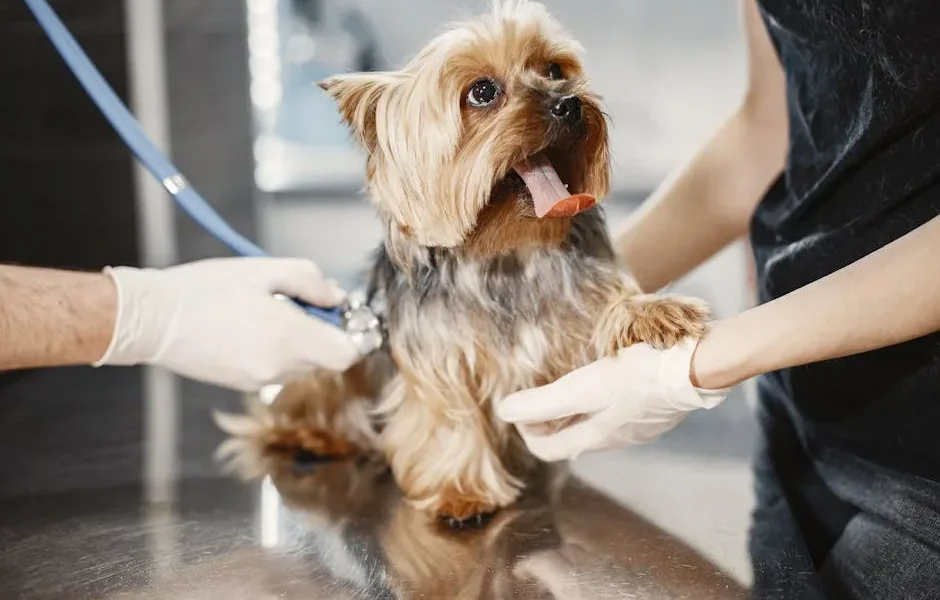
- Request medical records 1-2 weeks before switching practices. This gives time for processing. You legally own those records in most states.
- Schedule a wellness exam within 2-4 weeks of switching. This establishes baseline health data. It also builds rapport before emergencies happen.
- Prepare specific questions about after-hours care and communication. Ask about treatment philosophy. This ensures the new practice fits your needs.
Why Switching Vets Is More Common (and Complex) Than You Think
I’ve worked in emergency practice for 15 years. I’ve noticed something interesting. Pet owners who recently switched vets are more stressed in my ER. They’re more stressed than those with established relationships.
And honestly? I get it. Learning how to transition your pet to a new veterinarian—including what records you need, questions to ask, and the ideal timeline—isn’t intuitive. Most people figure it out through trial and error.
The data backs up what I see. About 31% of pet owners change vets during their pet’s lifetime. The top reasons are relocation and service dissatisfaction. That’s nearly one in three pet owners doing this. Yet we don’t talk about it enough.
When I moved from Philadelphia to my current position, I fumbled through transferring my own dog’s records. If a board-certified vet struggles with it, imagine how confusing it is for everyone else.
But here’s my point: a smooth vet transition isn’t just about paperwork. It’s about strategic timing. It’s about knowing your legal rights. It’s about asking the right questions.
Done right, it actually strengthens your pet’s care. It doesn’t disrupt it.
The Medical Records Question: What You Actually Own
Let’s start with something that surprises most pet owners. You legally own your pet’s medical records in most U.S. states.
Your previous vet must provide copies when you request them. They can charge reasonable copying fees. Typically $0.25 to $1.00 per page. Some practices now provide digital copies free. That should be the standard everywhere.
Request those records 1-2 weeks before you need them. Most clinics need 3-5 business days to process transfers. Practices with electronic systems can sometimes do it in 24-48 hours.
I’ve seen transitions fall apart because owners assumed records would transfer instantly. Then they faced delays when their new vet needed vaccination proof before scheduling procedures.
What Complete Records Should Include
Your transferred records need to be complete. Not just vaccination certificates.
According to American Animal Hospital Association standards, complete vet records should contain:
- Full vaccination history with specific product names and dates
- Surgical records and anesthesia protocols used
- Complete medication lists with dosages and duration
- Diagnostic test results (bloodwork, urinalysis, imaging reports)
- Microchip number and registry information
- Known allergies or adverse drug reactions
- Chronic condition management notes
Missing vaccination records create real problems. I can’t count how many times I’ve had to recommend re-vaccination. Or expensive titer testing (typically $80-$200). This happens because records were incomplete.
If previous records are truly lost, titer testing can determine immunity levels. This is better than automatically giving unnecessary shots. It’s worth discussing with your new vet.
Timeline That Actually Works
Timing matters more than most people realize. Here’s the schedule I recommend:
2-3 weeks before switching: Research new vet practices. Look for properly licensed facilities with transparent credentials.
Schedule tours if possible. Don’t just rely on online reviews. Actually visit during business hours. Observe staff interactions and cleanliness.
One thing I look for? How the front desk staff handles stressed clients. That tells you everything about practice culture.
1-2 weeks before: Submit your medical record transfer request to your current vet. Do this in writing. Email works. This gives you documentation. Ask specifically when you can expect to receive copies.
Within 2-4 weeks after switching: Schedule a wellness exam. Do this even if your pet seems healthy.
This isn’t just about checking a box. That initial visit establishes baseline health data in the new system. It lets you build rapport before emergencies arise.
Trust me on this. 67% of pet emergencies occur outside regular business hours. You want an established relationship before you’re calling in a panic at 2 AM.
Special Considerations for Chronic Conditions
If your pet has ongoing health issues, tighten that timeline. Pets on daily medications need careful planning. So do pets managing conditions like diabetes, epilepsy, or heart disease. They can’t afford gaps in monitoring.
Schedule that first appointment within one week. Make sure you have at least a 30-day supply of all medications before switching practices.
Some prescriptions require new examinations before refills. This has caught owners off-guard when they’re down to their last few pills.
For pets seeing specialists, coordinate the transition carefully. Your new primary vet needs to communicate with those specialists. And vice versa.
I’ve managed cases where lack of coordination caused problems. A new primary vet and an established cardiologist failed to communicate. This led to dangerous medication interactions.
If your cat is seeing a board-certified feline internal medicine specialist, that relationship needs protection during transitions.
Questions That Reveal Everything
The questions you ask during that first visit matter. They matter more than the answers themselves.
They reveal practice philosophy. They reveal communication style. They show whether this team truly fits your needs.
Here’s what I’d ask. These are what I actually asked when vetting my dog’s new practice:
“What’s your after-hours emergency protocol?”
Do they have overnight staff? Or do they refer to emergency hospitals? Which specific emergency clinic do they recommend?
Get that information upfront. When your dog is seizing at midnight, you don’t want to be Googling emergency vets.
Speaking of emergencies, knowing hidden emergency symptoms helps you make critical timing decisions.
“How do you handle treatment cost estimates and financial discussions?”
This isn’t awkward. It’s responsible. Transparent practices provide written estimates before procedures. They discuss options at different price points.
Evasiveness about costs is a red flag.
“What’s your communication preference for updates and questions?”
Some practices love client emails. Others prefer phone calls. Some offer portal messaging.
Match this to your style. I’m a portal message person. Phone tag drives me nuts. If they only do phone communication, that would frustrate me long-term.
“How do you approach [specific concern relevant to your pet]?”
If your dog has anxiety, ask about their fear-free handling techniques. If your cat has chronic kidney disease, ask about their monitoring protocols.
Their depth and specificity of response tells you whether they’re current on best practices.
The Philosophy Question Nobody Asks
Here’s one that separates good fits from poor ones:
“Can you walk me through how you’d handle a situation where my pet needs care that’s beyond my budget?”
The answer reveals everything. Do they shame clients? Offer payment plans? Present alternatives? Discuss prioritizing treatments?
This hypothetical tells you how they’ll actually treat you during vulnerable moments. Any hint of judgment? Keep looking.
What About Emergency Switches?
Sometimes you don’t have the luxury of a planned transition. Your vet retires suddenly. You move across the country with two weeks’ notice. The practice closes unexpectedly.
I’ve seen it all.
In emergency situations, prioritize differently.
First, get immediate access to essential records. Even if incomplete. Request an electronic summary via email while full records process. Most practices will accommodate urgent requests. Especially if you explain the situation.
Second, identify emergency care immediately. Before you even have a regular vet appointment scheduled, know where the nearest 24-hour emergency hospital is. Check whether they have specialists on staff.
When my colleague relocated mid-month, she mapped emergency clinics before finding a primary vet. Smart move.
Third, communicate clearly with your new practice about the rushed timeline. They can often expedite new patient processing if they understand the urgency.
For things like ongoing medication needs, most vets will write short-term prescriptions. They do this while waiting for full record transfer.
The Multi-Pet Household Logistics
Moving multiple pets to a new practice at once? The process gets exponentially more complicated.
Request all records together in one batch. You’ll save time and potential fees. Many practices offer multi-pet discounts on initial examinations. Ask explicitly about this.
Consider staggering appointments slightly if your pets have different needs. Schedule the healthiest pet first as a “trial run.” This lets you evaluate the practice.
If that goes well, bring the others. If it doesn’t? You’ve only invested one appointment. You can pivot to a different practice.
Update microchip registries for all pets at once. Use your new vet’s contact information. After seeing how natural disasters separated pets from owners during recent hurricanes and wildfires, this step isn’t optional. It’s critical.
Digital Tools Changing Everything
Technology is finally catching up to what pet owners actually need.
Cloud-based systems like VitusVet and PetDesk now allow instant record sharing between practices. This cuts transfer time from days to hours. When researching new vets, ask if they use these platforms.
Telehealth options have expanded significantly. Many practices offer initial virtual consultations ($30-$75) for new clients. You can discuss pet history and assess fit before in-person visits.
I’m honestly impressed by how useful these can be for initial screening. You get face time with the vet. They review your pet’s history. Everyone decides if it’s a good match before committing to a full appointment.
Some practices now participate in standardized transfer systems. AAHA introduced these in late 2023. They streamline requests across member practices. It’s not universal yet, but it’s coming.
The Counterargument: Why Not Just Stay?
I hear this occasionally: “Switching vets is too complicated. Even if I’m not thrilled with my current practice, maybe I should just stay?”
Look, I understand the inertia. Established relationships have value. Your current vet knows your pet’s quirks and history. Starting over feels daunting.
But here’s what I’ve learned watching thousands of cases.
Staying with a practice that doesn’t meet your needs costs you more in the long run. Whether that’s communication style, treatment philosophy, or insurance documentation thoroughness.
Stress, miscommunication, and delayed care compound over time. Those cumulative costs exceed the temporary inconvenience of switching.
Besides, your pet can’t advocate for themselves. If something feels off about your vet relationship, trust that instinct.
The transition process might take a few weeks. But the years of improved care that follow make it worthwhile.
Building Trust With Your New Team
Once you’ve made the switch, invest in that relationship actively.
Bring treats for the staff. Yes, really. We remember thoughtful clients.
Communicate your pet’s unique personality traits early. Does your cat hide when scared? Does your dog resource-guard when in pain? That information helps us provide better, safer care.
Show up on time for appointments. Follow discharge instructions. Ask questions when confused rather than assuming.
These seem basic. But they build the foundation of trust that makes everything else work.
And here’s something from the ER side: tell your new primary vet if you end up visiting emergency care. We send records. But client follow-up reinforces continuity.
It also shows you value coordinated care. Every good vet appreciates that.
Cost Reality Check
Let’s talk money. Because it’s on everyone’s mind.
Initial exams at new practices typically range from $50-$250. This depends on location and clinic type. Urban specialty practices cost more than rural general practices.
Some clinics waive exam fees for new patient transfers. Always ask.
Budget for potential duplicate testing if records are incomplete. The most common: vaccine titers, heartworm tests, and baseline bloodwork.
These aren’t money grabs. They’re legitimate medical necessities when documentation has gaps.
Compare pricing transparency during your research phase. Practices that provide clear fee schedules on their websites are better. So are those who discuss costs proactively during phone inquiries.
They tend to be more straightforward about expenses throughout the relationship. Those who evade pricing questions upfront? That pattern continues.
What About Nutrition Continuity?
One overlooked aspect: dietary recommendations often differ between practices.
If your pet is on a specific diet that’s working well, mention this explicitly during the transition. Your new vet might have different preferences.
But if you can demonstrate that current nutrition is working based on objective measures, most will maintain that protocol.
Bring a list of all supplements, treats, and foods. Include brands and amounts.
Diet changes during vet transitions cause more digestive upset than owners realize. And it’s completely preventable with good communication.
Final Thoughts
Transitioning your pet to a new vet doesn’t have to be chaotic.
With proper planning, you can do this smoothly. Request records early. Schedule that crucial wellness exam within 2-4 weeks. Ask questions that reveal practice philosophy.
You can actually strengthen your pet’s care continuity rather than disrupt it. The key is treating this as a strategic process. Not an administrative hassle.
Your preparation directly impacts your pet’s health outcomes. This is especially true if emergencies arise before that relationship is fully established.
Start today if you’re considering a switch. Research practices in your area. Request those medical records. Schedule tours.
The couple of hours you invest now prevents stress later. It prevents potential health consequences of rushed decisions later.
Your pet depends on you to advocate for their care. That includes finding the right vet team to partner with for the long haul.
Sources & Further Reading
- American Veterinary Medical Association (AVMA) — Comprehensive guidance on what to expect from veterinary care and pet owner rights regarding medical records
- American Animal Hospital Association (AAHA) — Standards for complete veterinary medical records and best practices for transitions between practices
- VCA Animal Hospitals — Expert recommendations on selecting and transitioning to new veterinary practices, including timeline guidance
- ASPCA — Evidence-based advice for selecting veterinarians and evaluating practice quality indicators