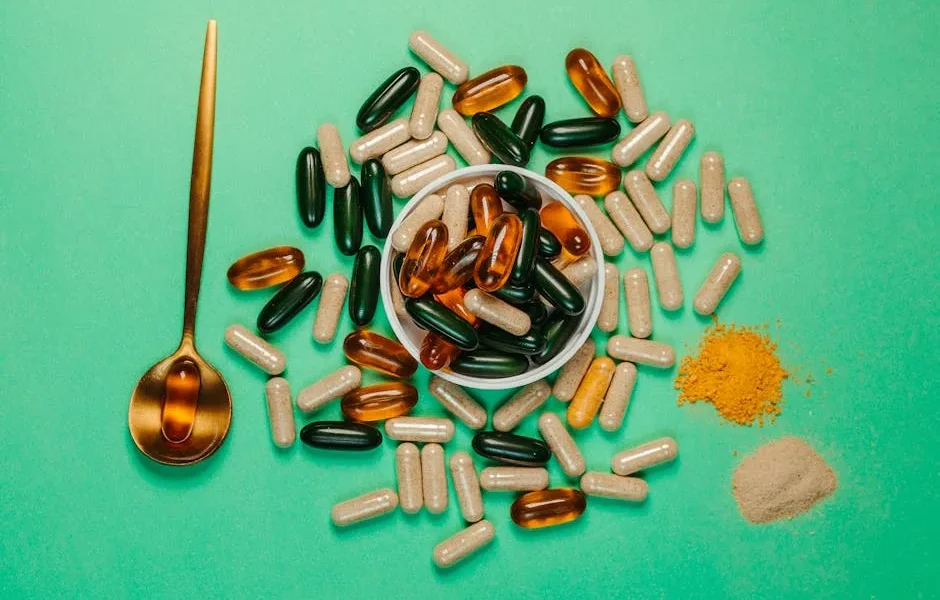
- Most pets eating complete, AAFCO-approved commercial diets don’t need multivitamins — you’re likely wasting money on unnecessary supplements
- Only three supplement categories have strong research backing: omega-3 fatty acids, joint support (glucosamine/chondroitin), and specific probiotic strains
- Quality varies wildly — up to 60% of pet supplements don’t meet label claims, making third-party testing verification essential before purchase
- Over-supplementation can be dangerous: vitamin D toxicity and calcium-phosphorus imbalances cause serious health problems including kidney failure
I talk to pet owners about supplements at least three times every week. Someone’s aunt loves turmeric capsules. A TikTok vet recommends seventeen different ingredients. Their breeder gave them a long shopping list.
The most common question? Should You Give Your Pet Supplements? Here’s the truth: the $1.7 billion pet supplement industry relies on confusion.
Most products in those colorful bottles range from unnecessary to harmful. But some supplements really work for the right pet. Let’s look at the science versus the sales pitch.
The Supplement Explosion: How We Got Here
Ten years ago, supplement talks were simple. Joint support for dogs with arthritis. Fish oil for allergies. Maybe a probiotic after antibiotics. That was it.
Then pet care changed. Instagram marketing took over. Suddenly every pet needed tons of supplements.
The pet supplement market exploded. It went from niche products to a projected $2.8 billion industry by 2030. Pet stores now have entire aisles of bottles. They promise everything from anxiety relief to cancer prevention.
Here’s what changed: supplement makers realized pet owners would pay high prices. They wanted to feel proactive. Wellness culture moved to our animals. If you take probiotics and fish oil, shouldn’t your dog?
The problem? Pet supplements face even less regulation than human supplements. The FDA doesn’t regulate them as medications. They follow AAFCO and voluntary guidelines from the National Animal Supplement Council (NASC). This means quality control is optional.
The Regulation Gap Nobody Talks About
When I send bloodwork to a lab, I trust the results. Medical labs face strict oversight.
When you buy a pet supplement at a big store? You’re trusting the manufacturer’s honor system.
Independent testing shows problems. About 30-40% of pet probiotics don’t contain the bacteria listed on the label. Or the bacteria are dead.
One study tested joint supplements. It found glucosamine content ranging from 0% to 115% of what the label claimed. Zero percent. That’s right.
This isn’t just theory. I’ve treated vitamin D toxicity from supplements. They contained 40 times the labeled amount. The owner followed directions perfectly. The manufacturer’s quality control failed. Their dog developed kidney failure.
The Big Three: Supplements With Actual Evidence
Let me save you time and money. Only three supplement types have consistent research showing real benefits in pets.
Everything else ranges from “maybe helpful” to “expensive placebo.”
Omega-3 Fatty Acids (EPA/DHA from Fish Oil)
This is my desert island supplement. If I could only recommend one product, omega-3s win.
The research is extensive. Clinical trials show real benefits for:
- Skin allergies and inflammation (reduces itching, improves coat)
- Kidney disease (slows progression, reduces protein loss)
- Brain function in senior pets (those “senior moments” can improve)
- Heart disease in specific conditions
- Joint inflammation with arthritis management
The catch? Dosing matters a lot.
Most fish oils sold for pets are underdosed. The bottles look impressive but deliver only 50-100mg of EPA/DHA per capsule.
Helpful doses for a 50-pound dog typically start around 1,000-2,000mg daily. You’d need 10-20 capsules of the typical pet store product.
I usually recommend veterinary-grade fish oils. Or high-quality human supplements. Yes, they’re safe for pets when dosed right.
Look for third-party testing for heavy metals. Rancid fish oil smells terrible and doesn’t work.
Joint Support: Glucosamine and Chondroitin
The evidence here is moderate but real. Studies show 20-30% improvement in mobility for dogs with arthritis.
That’s not miraculous, but it’s real. When you’re watching your 12-year-old Lab struggle with stairs, 25% improvement matters.
Important points:
Joint supplements work best as early intervention. They’re not a late-stage rescue. Starting them when your large puppy is young shows better results. Or start at the first signs of stiffness.
They’re extra therapy, not replacement. I combine joint supplements with weight management and exercise. Often we add prescription anti-inflammatories. The supplements help. But they won’t eliminate severe arthritis pain alone.
Quality varies a lot. Many products contain too little active ingredients. Or they use forms that don’t absorb well.
For at-risk breeds or dogs showing early arthritis, I recommend products with glucosamine, chondroitin, and MSM. Ideally with added omega-3s.
Some veterinary formulas also have hyaluronic acid or green-lipped mussel extract. These have emerging research support.
Probiotics: The Strain-Specific Story
Probiotics could change how we manage chronic digestive disease in pets. Could. Right now, we’re in the Wild West phase.
Here’s what we know: specific probiotic strains help specific conditions.
Enterococcus faecium helps acute diarrhea. Bifidobacterium strains may help inflammatory bowel disease. Some multi-strain products improve stool quality in dogs with chronic loose stools.
Here’s what makes me cautious: most pet probiotics haven’t been tested in clinical trials. They contain random bacteria chosen for marketing, not evidence.
And remember that 30-40% don’t contain living bacteria at all?
I recommend probiotics in three cases: during or after antibiotics, for chronic digestive issues under vet supervision, and sometimes for stress-related digestive upset.
But I’m picky about brands. I want products with published research. I want viable bacteria counts guaranteed through expiration. Not just at manufacturing. And refrigerated storage when needed.
The science on gut microbiome testing for pets excites me. Within a few years, we may test your dog’s specific bacteria. Then recommend targeted probiotic strains. We’re not there yet.
When Supplements Are Actually Necessary (Not Optional)
Some situations require supplementation. Not “nice to have.” Genuinely necessary for health.
Homemade and Raw Diets
This is non-negotiable. If you’re feeding a homemade diet not formulated by a vet nutritionist, your pet needs supplements. Period.
Commercial pet foods meeting AAFCO standards already contain complete nutrition. Every vitamin, mineral, and amino acid in correct amounts.
Homemade diets don’t unless carefully balanced.
I regularly see nutritional deficiencies in pets fed “wholesome” homemade meals:
- Calcium deficiency causing broken bones in dogs fed meat-only diets
- Taurine deficiency in cats fed homemade food (can cause fatal heart disease)
- Thiamine deficiency from diets heavy in raw fish
- Vitamin E and selenium imbalances
If you want to feed homemade, see a board-certified vet nutritionist. We’ll create recipes with specific supplement requirements.
Services like BalanceIT provide home-prepared diet recipes with exact supplement specifications.
Diagnosed Medical Conditions
Several health conditions require ongoing supplementation:
Exocrine pancreatic insufficiency (EPI) requires pancreatic enzymes with every meal. Often plus fat-soluble vitamins.
Chronic kidney disease benefits from omega-3s and phosphorus binders. Sometimes B-vitamin supplementation.
Some bladder conditions detected through urinalysis respond to specific supplements.
Certain liver diseases need antioxidants and specific amino acids.
These aren’t optional wellness supplements. They’re treating diagnosed disease. Often with prescription products.
Specific Life Stages and Breeds
Large and giant breed puppies have unique calcium and phosphorus needs during growth.
Too much calcium during rapid growth increases hip dysplasia risk. It increases developmental bone disease risk.
Ironically, owners over-supplementing calcium in large-breed puppies cause the exact problems they’re trying to prevent.
For these breeds, work with a vet familiar with breed-specific needs. This helps with proper nutrition without harmful supplementation.
The Overhyped Waste Category: What Doesn’t Work
Let me save you money.
Multivitamins for Pets on Complete Diets
This is the number one unnecessary supplement in my opinion.
If your pet eats an AAFCO-approved commercial diet, they already get 100% of required vitamins and minerals.
Adding a multivitamin doesn’t create “super-nutrition.” It creates expensive urine.
Worse, fat-soluble vitamins (A, D, E, K) build up in the body. Over-supplementation causes toxicity.
I’ve diagnosed vitamin D toxicity from well-intentioned multivitamin use multiple times. It’s not harmless.
Generic “Immune Support” Blends
Marketing gold. Scientific validity? Questionable at best.
Most immune support supplements contain vague antioxidant blends. Or medicinal mushrooms. Or colostrum.
Do antioxidants support immune function generally? Probably. Will this specific product improve your healthy pet’s disease resistance? No published research suggests so.
If your pet has a truly compromised immune system, we need actual veterinary medicine. Not pet store supplements.
Calming Supplements (Mostly)
The anxiety supplement market exploded. Thunderstorm phobias! Separation anxiety! Firework panic!
Here’s a $60 bottle of… chamomile and L-theanine?
Some ingredients show mild effects in research. L-theanine, alpha-casozepine, certain pheromone products. But “mild effects” means exactly that.
For true anxiety disorders, we need behavior modification protocols. And often prescription medication.
Calming supplements might help a slightly nervous pet. They won’t treat clinical anxiety.
CBD and Hemp Products
I’ll be honest. This category frustrates me.
Not because CBD has no potential. Early research suggests possible benefits for anxiety and pain.
But the current market is a regulatory disaster.
Product quality varies from “possibly helpful” to “potentially contaminated with THC causing toxicity.” Claims vastly outpace evidence. Dosing is mostly guesswork.
And in many states, I legally cannot recommend these products even if I wanted to.
If federal regulations create quality standards, CBD may join my evidence-based recommendations. If we get solid clinical trials. We’re not there yet.
For now, I’m cautious.
Dangerous Mistakes: When Supplements Harm
This section keeps me up at night.
Supplements feel safe because they’re “natural” and sold without prescriptions. They’re not always safe.
Toxicity From Over-Supplementation
I mentioned vitamin D toxicity earlier. It’s increasingly common and completely preventable.
Symptoms include vomiting, excessive thirst, kidney failure, and death if untreated.
Most cases trace to products with incorrect formulation. Or owners doubling up supplements without realizing multiple products contain vitamin D.
Calcium toxicity creates similar kidney problems. Iron supplements cause stomach bleeding and liver damage. Vitamin A toxicity affects bones and liver.
The dose makes the poison, even with “wellness” products.
Drug Interactions
Calcium supplements interfere with certain heart medications and antibiotics.
High-dose vitamin E increases bleeding risk in pets on blood thinners. Some herbs interact with seizure medications or thyroid supplementation.
Before starting any supplement, tell your vet every single product your pet takes. Including that fish oil from Costco.
Especially that fish oil from Costco, actually. Those are often high-dose human formulations.
Delaying Actual Treatment
The saddest cases involve owners trying supplements for serious conditions. They delay veterinary diagnosis.
I’ve seen treatable cancers progress during months of “immune-boosting” supplement trials. Diabetes managed with cinnamon supplements instead of insulin. Infections worsening while owners tried “natural” alternatives.
Supplements are supplementary. They supplement actual medical care. They don’t replace it.
How to Evaluate Quality (Because It Matters Enormously)
If you decide a supplement is right for your pet, choosing a quality product is critical.
Here’s my evaluation framework:
Look for Third-Party Testing Verification
The NASC Quality Seal shows a company follows good manufacturing practices. They submit to random audits. It’s not perfect, but it’s something.
ConsumerLab and similar services test pet supplements independently. Though less thoroughly than human products.
Veterinary-exclusive brands available only through vet clinics typically maintain higher quality standards. Vets won’t stock products that harm reputations.
This isn’t universal, but it’s a useful guide.
Red Flags to Avoid
Be immediately suspicious of:
- Miracle cure claims or disease treatment promises (supplements can’t legally claim to treat disease)
- Products sold exclusively through multi-level marketing
- Supplements from unknown manufacturers on Amazon with no company history
- Proprietary blends that don’t disclose individual ingredient amounts
- Products with endless ingredient lists (if it claims to do 47 things, it probably does none well)
- No contact information or veterinarian on staff at the company
Research the Specific Ingredients
Use resources like the Tufts University Veterinary Nutrition website. Or the American College of Veterinary Nutrition guidelines.
Look for actual published research on the specific ingredient. For the specific condition. In the specific species.
“Studies show turmeric reduces inflammation” doesn’t automatically mean this pet supplement will help your dog’s arthritis.
We need species-specific, condition-specific evidence.
The Cost-Benefit Conversation
Supplements are expensive.
Quality fish oil costs $30-60 monthly for a large dog. Joint supplements run $40-80 per month. Probiotics range from $25-50.
These add up, especially when pet insurance often doesn’t cover supplements.
Is it worth it? Sometimes absolutely yes. Sometimes absolutely no.
Worth it: Omega-3s for my patient with kidney disease. Research shows slowed disease progression. Joint supplements for the 10-year-old Golden Retriever with early arthritis and good response. Prescription probiotics for the dog with chronic diarrhea that resolved with specific strains.
Not worth it: Multivitamins for healthy pets on complete diets. “Antioxidant blends” with no specific reason. Five different supplements addressing vague “wellness” in an already healthy animal.
Have an honest conversation with your vet.
“I have $50 monthly for supplements. Where will it make the biggest difference for my pet?”
That’s a fair question. Sometimes the answer is “save that money for preventive care instead.”
Working With Your Veterinarian (Please)
I’m not suggesting this to sell you veterinary-brand supplements. I don’t work on commission.
I’m suggesting it because supplement decisions involve medical judgment.
Your vet knows your pet’s health history. Current medications. Lab values. Specific risk factors.
We can identify which supplements might actually help. Versus which are unnecessary or potentially harmful. We can source quality products. And dose them correctly for your pet’s weight and condition.
We can also talk you out of unnecessary purchases. Honestly, I talk owners out of supplements more often than into them. That’s part of providing good care.
If you’re considering supplements, bring the bottles to your next appointment. Or bring a list of what you’re thinking about.
Let’s evaluate together. That’s not gatekeeping. It’s making sure good intentions don’t accidentally cause problems.
The Future: Where Supplement Science Is Heading
I’m cautiously optimistic about the next decade of pet supplement research.
Gut microbiome testing may enable truly personalized probiotic recommendations. We’re learning which bacterial strains matter for which conditions. Moving from shotgun approaches to targeted therapy.
Nutrigenomics — how nutrients interact with genes — could identify which dogs benefit most from joint supplements. Based on genetic markers, rather than trial-and-error.
Regulation may tighten. Veterinary organizations are increasingly vocal about quality concerns. Some states are developing stricter oversight. Federal guidelines might eventually create meaningful quality standards.
More veterinary-exclusive products with research backing are launching. This creates a clearer distinction between evidence-based supplements and marketing-driven products.
The challenge? Market growth continues outpacing science.
For every legitimate research development, ten new supplement trends emerge from social media. My 2025 feed features sea moss for pets (why?). Beef organ supplements (because ancestral diet trends). And colloidal silver (please no).