
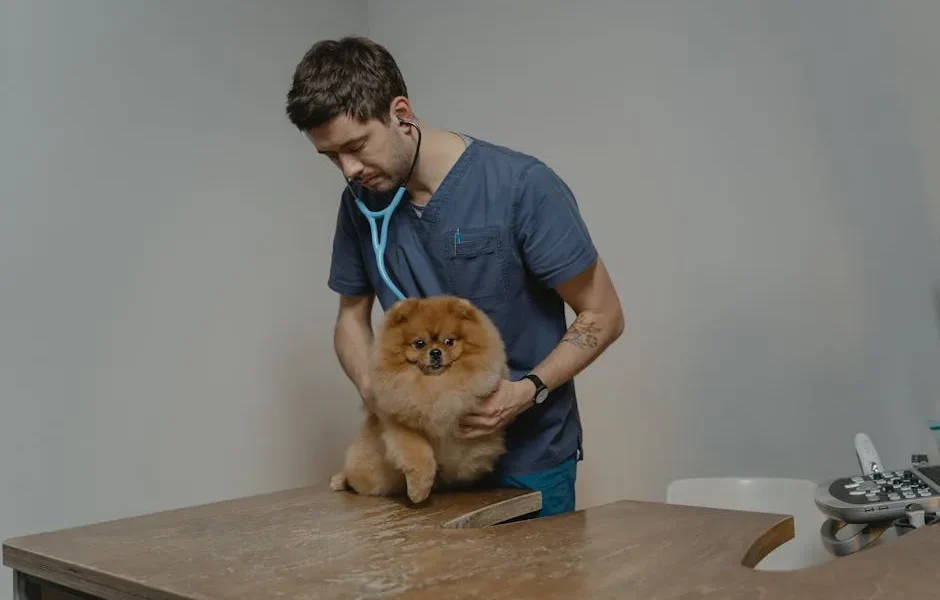
- Board-certified veterinary specialists train for 3-4 extra years after vet school. They must pass hard tests to earn their credentials.
- Your regular vet is your best partner. They can tell you when your pet needs a specialist and what type is right.
- Ask about credentials and experience before you choose. Find out how they communicate and what care will cost.
I’ll never forget the panicked call from my neighbor Sarah last spring. Her golden retriever, Murphy, had been limping for weeks. Her regular vet thought he had a torn ligament.
“She gave me three different surgeon names,” Sarah said. Her voice was shaking. “How am I supposed to know which one to choose? They all sound qualified. What if I pick the wrong one and Murphy doesn’t get better?”
We see this all the time at Animal Hospital Clinic. Pet parents get thrust into a world of specialists. They see credentials they don’t understand. They face decisions that feel huge. Learning how to choose the right veterinary specialist can feel overwhelming. This is especially true when you’re already worried about your pet.
But here’s what I’ve learned after years of making referrals. There’s a method to this. You’re more capable of making this decision than you think.
When Your Regular Vet Isn’t Enough (And That’s Okay)
First thing? Your primary vet is amazing at what they do. They handle puppy vaccines. They treat ear infections. They provide senior wellness care.
But sometimes a case needs specialized expertise. It’s just like when your family doctor refers you to a heart doctor or bone surgeon.
There are 23 veterinary specialties that the AVMA recognizes. These range from heart care to cancer treatment. They include skin doctors and eye doctors. Each specialty means thousands of extra hours of training beyond vet school.
Murphy’s case was straightforward. He needed bone surgery for a torn ligament.
But what about other cases? The cat with mysterious weight loss? The dog with seizures that won’t stop despite medication? The rabbit with a heart murmur? These situations often need specialist help.
Here’s something most pet owners don’t know. About 12-15% of pets will need a specialist at some point. You’re not alone in this journey. It might feel that way when you’re searching online for vets at midnight.
Understanding Specialist Credentials
Sarah had three surgeon names. How do you evaluate them?
Start with one critical question: Are they board-certified?
Board-certified specialists have completed 3-4 years of intensive training after vet school. Then they passed big exams given by their specialty college. They earn the title “Diplomate.” For example, Diplomate ACVS for surgery. Or Diplomate ACVIM for internal medicine.
This matters. Some vets develop a “special interest” in an area without formal certification. They might be excellent. But there’s a difference between interest and board certification.
It’s like the difference between someone who loves cooking and a top chef. Both can make great food. But the training levels differ.
When researching specialists, look for these credentials after their name. You can check specialty college websites to verify certification. It’s all public information.
The Questions That Actually Matter
Once you’ve confirmed credentials, dig deeper:
How many cases like your pet’s have they handled? A surgeon who’s done 500 ligament repairs will likely have better outcomes. They’re better than one who does five a year. Experience counts.
What’s their communication style? Will they call your primary vet with updates? Will they explain things clearly? Some specialists are brilliant but terrible communicators. You need both.
What are their emergency protocols? What happens if your pet has complications at 2 AM? Is there 24-hour monitoring? Who covers after-hours emergencies?
What’s the realistic cost range? Specialist visits typically cost $150-$500. Procedures range from $1,000 to well over $10,000. This depends on how complex they are. You need to know this upfront.
Cost is a concern for most of us. Let’s be honest about that. Ask about payment plans. Ask if your situation might qualify for assistance programs.
Resources like veterinary payment plans can help. They let you make decisions based on what’s best for your pet. You won’t be in immediate financial panic.
Working the Referral System (Without Losing Your Mind)
Here’s how it usually works. Your primary vet identifies the need for specialist care. They make the referral. They send medical records.
The specialist does their thing. Then they report back to your regular vet. This helps with ongoing care coordination.
This system works great when everyone communicates. It falls apart when they don’t.
Be the bridge if you need to be. Ask your primary vet what information they’re sending. After your specialist appointment, make sure your regular vet receives the report.
It sounds like extra work. But it ensures everyone’s on the same page about your pet’s treatment.
Some conditions require ongoing specialist management. Like the cat with chronic kidney disease. They see both their regular vet and a specialist. In these cases, clear communication becomes even more critical.
If you’re managing something like kidney disease in cats, having a specialist helps. They can dramatically improve outcomes.
The Geographic Challenge
Not everyone lives near a major veterinary hospital. Rural pet owners often face hours of driving for specialty care.
The good news? Telemedicine for specialists has exploded. It grew 300% from 2020 to 2024.
Some specialists now offer virtual consultations. They review records and discuss cases with your local vet. They provide expert guidance without requiring travel.
Mobile specialty services are also growing. Specialists travel to primary care clinics to see patients. It’s not available everywhere yet. But it’s worth asking about.
Red Flags and Green Flags
Green flags that you’ve found a good specialist:
- They respect your primary vet and communicate clearly with them
- They explain treatment options with pros and cons
- They give realistic outcome expectations
- Their facility is clean, well-staffed, and organized
- They’re honest about what they can and cannot do
- They provide detailed cost estimates before proceeding
- They treat you as a partner in your pet’s care
Red flags to watch for:
- They dismiss your questions or concerns
- They pressure you to proceed immediately
- They give vague answers about credentials, experience, or costs
- They communicate poorly with your referring vet
- Their facility seems chaotic, understaffed, or unclean
- They won’t discuss alternatives or limitations
When You Need a Second Opinion
Sometimes you meet with a specialist and something feels off. Or the recommended treatment seems extreme. Or you simply want another perspective. Maybe you’re facing a $5,000 surgery.
Getting a second opinion is completely reasonable. Most specialists respect this. The good ones actually encourage it for major decisions.
Be upfront about it. Say “I’d like to get a second opinion before we proceed.” This is perfectly acceptable. Any specialist who reacts defensively is waving a red flag.
Just remember something. You’re looking for different perspectives on the same medical facts. You’re not shopping around until someone tells you what you want to hear.
If three board-certified specialists agree your pet needs surgery, that’s meaningful information.
The Emergency Specialist Situation
Everything we’ve discussed assumes you have time to research. But what about emergencies?
When your pet is in crisis, you choose the nearest appropriate facility. That’s okay. You can’t research credentials when your dog is actively seizing. You can’t when your cat can’t breathe.
In those moments, get to help. Once your pet is stabilized, you can still ask questions. You can request transfers if needed. You can seek additional opinions.
Recognizing emergency situations is important. Getting immediate help matters more than finding the “perfect” specialist.
Sarah chose the surgeon who’d done the most ligament repairs. He took twenty minutes to answer all her questions without rushing her. Murphy recovered beautifully.
The decision wasn’t about picking the absolute best surgeon in the state. It was about finding a qualified, communicative specialist. He felt like the right fit for them.
The Chronic Condition Reality
Some pets need specialists for ongoing management. Not just one-time procedures.
The diabetic cat sees an internal medicine specialist. The dog with severe allergies is under a skin doctor’s care. The senior pet with heart disease gets monitored by a heart specialist.
These relationships are long-term. So fit matters even more. You’ll be working with this specialist for months or years.
Do they return calls promptly? Do they adjust treatment plans based on your observations at home? Do they make you feel like a valued part of the care team?
Studies show something important. Pets with chronic conditions managed by specialists have better quality of life. It’s 20-40% better compared to those receiving only general practice care.
But that benefit requires consistent, collaborative care over time.
Trust Your Gut (But Verify With Facts)
Here’s something I tell pet owners constantly. Your instinct about your pet matters. You know when something’s not right.
You notice subtle changes in behavior. You see appetite changes or energy shifts that others might miss.
Apply that same intuition to choosing a specialist. If something feels off about a particular practice or doctor, pay attention. If you leave an appointment confused rather than informed, that’s a problem.
But balance intuition with facts. Verify credentials. Ask specific questions. Don’t let a slick website or fancy facility override concerns. Make sure they have actual qualifications and experience.
Final Thoughts
Choosing the right veterinary specialist isn’t about finding perfection. It’s about finding qualified expertise combined with good communication. You want a philosophy that aligns with yours.
Start with board certification. Ask about experience with your pet’s specific condition. Evaluate communication style. Trust the partnership between your primary vet and the specialist.
Most importantly, remember this. You’re not just choosing a doctor for your pet. You’re choosing a collaborator in their care.
If your pet might need specialist care, start with an honest conversation. Talk with your primary veterinarian. Ask them why they’re recommending a referral. Find out what they’re looking for from the specialist.
Ask if they have specific recommendations. Then do your homework on credentials and experience. But don’t paralyze yourself trying to find the “perfect” choice.
A board-certified specialist who communicates well is an excellent choice. One with solid experience with your pet’s condition will work great. Your pet will be in good hands.
Sources & Further Reading
- American Veterinary Medical Association — Comprehensive information on recognized veterinary specialties and board certification requirements
- American College of Veterinary Internal Medicine — Details on internal medicine specialists, certification verification, and condition-specific resources
- American Animal Hospital Association — Pet owner education resources on when to seek specialist care and what to expect
- VetSpecialists — Educational resources on various veterinary specialties and multi-specialty hospital care coordination