
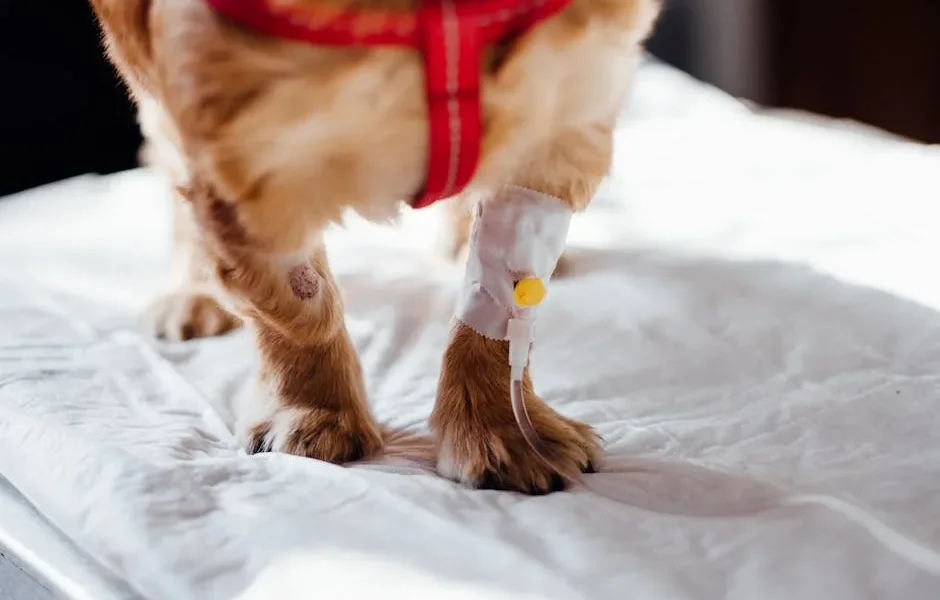
- About 1 in 3 pets will have a medical emergency each year. You need to know about emergency medications to be a good pet owner.
- Some human medications like Benadryl can save pets. Others like ibuprofen and Tylenol are deadly. Knowing which is which could save your pet’s life.
- Time matters. Medications work best in the first 15 minutes. You need to be prepared before an emergency happens.
- Cats and dogs process medications in different ways. What’s safe for your dog could kill your cat in hours.
It was 11 PM on a Saturday. My client Sarah called me. Her voice was shaking.
Her golden retriever, Max, had just eaten a whole box of chocolate truffles. He ate the wrappers too. The nearest emergency vet clinic was 40 minutes away. She was panicking.
“Do I have anything at home that can help him right now?” she asked.
That call stuck with me. Sarah actually did have the right supplies. We’d talked about her pet emergency kit during Max’s last check-up.
Within minutes, she gave Max hydrogen peroxide. I guided her over the phone. This made Max vomit. He threw up most of the chocolate before his body could absorb it.
By the time she reached the emergency clinic, the crisis was mostly over.
But here’s what bothers me. Sarah was one of only 38% of pet owners who keep emergency supplies at home.
The other 62%? They’re driving frantically to emergency clinics. Meanwhile, toxins absorb. Airways swell. Or seizures get worse.
This article covers emergency medications every pet owner should know about. These supplies and knowledge can make the difference between a close call and a tragedy.
Why Every Second Counts in Pet Emergencies
The numbers tell a serious story.
The ASPCA Animal Poison Control Center handles over 400,000 cases each year. Human medications cause 25% of all poisoning calls.
That’s nearly 100,000 pets poisoned by medications each year. Many of them are poisoned by owners who didn’t know which pills were safe.
When Max ate those chocolates, Sarah had maybe 90 minutes before serious symptoms would start.
In cases of severe allergic reactions, you might have 5-10 minutes. These reactions don’t wait for business hours. Neither do poisonings or sudden injuries.
Money matters too. Average emergency vet visits cost between $800-$1,500. After-hours care costs 2-3 times more than regular appointments.
Having the right medications at home doesn’t replace emergency vet care. But it buys you time. It can also reduce how serious the treatment needs to be.
The Essential Emergency Medication Cabinet
Diphenhydramine (Benadryl): Your First Line Against Allergic Reactions
I’ll be honest. I recommend Benadryl to clients almost weekly.
It’s the most useful emergency medication you can legally keep at home. Diphenhydramine works for bee stings. It helps with facial swelling from allergic reactions. It works for vaccine reactions. It even helps with mild anxiety during thunderstorms.
The dose is simple for dogs. Give 1mg per pound of body weight. Give it every 8-12 hours.
A 50-pound dog gets 50mg. That’s two 25mg tablets.
But here’s what the internet often gets wrong. Benadryl only works in about 70% of cases.
Let’s say you’ve given the correct dose. Your dog’s swelling isn’t getting better within 30 minutes. You’re dealing with something more serious.
For cats? I’m much more careful.
Cats process drugs differently than dogs. Diphenhydramine is technically safe at 1mg per pound. But getting a cat to swallow a pill during an emergency is really hard.
Liquid versions often contain xylitol. This is toxic to both dogs and cats. Always check the inactive ingredients.
Hydrogen Peroxide: The Double-Edged Sword
Remember Max and his chocolate problem? Hydrogen peroxide saved him.
But I’ve also seen it cause bad damage when used wrong. You need to think carefully before using this medication.
Here’s how to do it right:
Use 3% hydrogen peroxide. That’s the standard drugstore kind. Give 1 teaspoon per 5 pounds of body weight.
The maximum dose is 3 tablespoons. This is true no matter how big your dog is.
It makes 90% of dogs vomit within 15 minutes. But timing matters a lot.
Give it within the first hour after your pet eats poison. You might eliminate 80-90% of the poison. Wait three hours? Effectiveness drops to 50% or less.
Here are the critical warnings:
Never use hydrogen peroxide in cats. Their bodies react in unpredictable ways. You risk causing more harm than the original poison.
Never cause vomiting if your pet has swallowed caustic substances. These include drain cleaners or acids. Don’t do it if they ate petroleum products or sharp objects.
Never cause vomiting if your pet is unconscious. Don’t do it if they’re having seizures or trouble breathing. These situations need immediate vet care, not home treatment.
I keep a bottle marked “PET USE ONLY – 3% H2O2” in my own pet emergency kit. I tape the dosing instructions to it. In a crisis, you won’t remember the math.
Famotidine (Pepcid AC): The Stomach Soother
This one surprises people. But famotidine is really useful for pet emergencies.
Dogs and cats get upset stomachs. They get acid reflux and nausea just like we do.
I’ve recommended Pepcid AC for many things. Dogs eat things they shouldn’t have. I use it before a stressful car ride to the emergency vet too.
The standard dose is 0.25 to 0.5 mg per pound every 12-24 hours.
A 20-pound dog gets 5-10mg. That’s half of a 10mg tablet.
This won’t cure a serious stomach emergency. But it can reduce vomiting. It makes your pet more comfortable during transport to the clinic.
What You Absolutely Cannot Give Your Pet
Let’s talk about medications that kill pets every single day. These are so dangerous that even one dose can be fatal.
Ibuprofen and naproxen (Advil, Aleve, Motrin) cause kidney failure in dogs and cats. They cause severe stomach ulcers.
There is no safe dose. I’ve seen dogs die from a single 200mg ibuprofen tablet.
The toxic dose is very low. As little as 100mg per pound can be lethal.
Acetaminophen (Tylenol) is especially deadly for cats. A single regular-strength tablet (325mg) can kill an average-sized cat.
It causes liver failure. It destroys red blood cells.
Dogs handle it slightly better. But acetaminophen still causes severe liver damage at doses that seem small.
The heartbreaking part? Most of these poisonings happen when owners are trying to help their pets with pain.
They see their dog limping. They think, “I take ibuprofen for pain, so…”
Please, don’t. Kidney damage from these medications often doesn’t show symptoms. By the time you see signs, it’s too late to reverse.
Species-Specific Warnings: Cats Are Not Small Dogs
This might be the most important section of this entire guide.
Cats lack certain liver enzymes. Dogs and humans have these enzymes. This means medications that are safe for dogs can reach toxic levels in cats.
Essential oils? Many are toxic to cats even in small amounts.
Permethrin is found in dog flea treatments. It causes seizures and death in cats.
Aspirin can be used carefully in dogs. But it has a half-life of 38 hours in cats. In dogs, it’s only 8 hours. This means it builds up rapidly to toxic levels in cats.
Even something as innocent as Pepto-Bismol has problems. It contains salicylates that cats can’t process properly.
When in doubt with cats, don’t give them anything. Call your vet first. Or call the Pet Poison Helpline.
The 24-hour consultation fee is $85 as of 2025. This is much cheaper than emergency treatment for poisoning.
Building Your Pet Emergency Kit
Here’s what I keep in my own kit at home. This is what I recommend to clients.
Medications you can get without a prescription:
- Diphenhydramine (Benadryl) 25mg tablets
- Famotidine (Pepcid AC) 10mg tablets
- 3% hydrogen peroxide (replace yearly—it loses strength)
- Sterile saline eye wash
- Triple antibiotic ointment (without pain reliever)
Supplies:
- Digital thermometer (normal temp for dogs and cats: 100.5-102.5°F)
- Oral dosing syringe for liquids
- Muzzle (even friendly dogs bite when in pain)
- Gauze pads and self-adhesive wrap
- Instant cold pack
- Emergency contact numbers (your vet, nearest emergency clinic, Pet Poison Helpline: 855-764-7661)
Store everything in a clearly labeled container. Keep it in a cool, dry place.
I use a plastic tackle box. It’s waterproof. It has compartments. It has handles.
Check expiration dates every six months. Set a phone reminder for January 1st and July 1st.
Working With Your Vet to Prepare
Here’s something most pet owners don’t know. You can ask your vet to prescribe emergency medications to keep at home.
During your next wellness visit, talk about your pet’s specific risks.
Does your dog have a history of severe allergic reactions? Your vet might prescribe an epinephrine auto-injector to keep at home.
Does your cat have seizures? You might keep rectal diazepam at home for cluster seizures.
Is your dog prone to anxiety-induced diarrhea? Having metronidazole at home might prevent a weekend emergency visit.
Since January 2024, FDA guidance has changed. Vets can now prescribe certain emergency medications by telemedicine. This is for established clients.
If you’re working with a new vet, establish that relationship early. This means you’ll have more options during off-hours emergencies.
The 15-Minute Window: When Every Second Matters
Some emergencies have very narrow treatment windows. Understanding these can be the difference between life and death.
Anaphylaxis: Severe allergic reactions cause airway swelling. This can kill within minutes.
Epinephrine at 0.01 mg/kg works within 5-10 minutes. You give it as a shot in the muscle.
If you have an at-risk pet, keep prescribed epinephrine at home. This includes pets with previous severe reactions. Or severe bee sting allergies. This isn’t paranoid. It’s prepared.
Toxin ingestion: Activated charcoal or induced vomiting work less well after the first hour.
Most toxins start absorbing within 30-60 minutes. If you know your pet ate something toxic, don’t wait to see if symptoms develop.
By the time symptoms appear, the toxin is already in the bloodstream.
Choking: Brain damage from lack of oxygen begins after 3-4 minutes.
Knowing the Heimlich technique for pets isn’t optional. This is especially true if you have a breed prone to choking. Or a dog who gulps food.
New Developments in Pet Emergency Care
Pet emergency medication access has changed a lot in the past two years.
In 2024, several states passed new laws. These include California, Nevada, and Colorado.
Pet owners can now get naloxone (Narcan) without a prescription. This is specifically for pet opioid overdoses.
This addresses a growing problem. Pets accidentally eat human pain medications. Or they’re exposed to illegal drugs.
There’s also exciting new technology. The FDA approved VetGuardian in 2024.
It’s an AI-powered monitoring device. It tracks your pet’s vital signs. It alerts you to changes before symptoms become obvious.
It won’t replace vet care. But it could give you a 2-3 hour head start in recognizing emergencies.
Telemedicine has expanded access dramatically. I now do video consultations with clients. Their pets are showing concerning symptoms.
I can sometimes guide them through emergency treatment at home. They do this while driving to the clinic.
It’s not right for every emergency. But it’s changed how we handle after-hours care.
What to Do While Driving to the Emergency Vet
You’ve given appropriate first aid. Now you’re in the car. You’re racing to the emergency clinic. What can you do during transport?
Keep your pet calm and warm. Shock causes body temperature to drop. Cover your pet with a blanket. This helps maintain core temperature.
If someone else is driving, you can help. Monitor breathing. Keep your pet’s airway clear.
Call ahead to the emergency clinic. Tell them you’re coming with a chocolate poisoning case. Or a cat in respiratory distress.
This allows the staff to prepare. They might tell you additional steps to take during transport.
Bring the medication bottle. Or the plant. Or the food package your pet ate.
Knowing exactly what and how much helps us. We can calculate treatment doses. We can determine the prognosis.
If your pet vomited, bring a sample in a plastic bag. It might help identify the toxin.
Write down timing. When did eating or symptoms start? When did you give medications? This information is critical for treatment decisions.
Understanding Your Limitations
Here’s something I tell every client. Emergency medications at home are a bridge to vet care. They’re not a replacement for it.
Even when home treatment seems to work, follow-up care is often necessary.
Remember Max, the chocolate-eating golden retriever? Sarah successfully made him vomit at home. But we still saw him at the emergency clinic.
We ran bloodwork. We gave IV fluids. We monitored his heart rate for six hours.
Chocolate poisoning can cause heart problems. These can happen 12-24 hours after eating it.
Sarah’s quick action at home made his outlook much better. But it didn’t eliminate the need for professional care.
Trust your instincts. If something feels wrong, it probably is.
I’d rather see ten false alarms than miss one treatable emergency. Don’t wait too long because you weren’t sure.
Insurance Considerations for Emergency Preparedness
One thing surprises clients. Pet insurance often covers emergency care. But it doesn’t cover preventive emergency supplies.
However, you save thousands by avoiding emergencies. Or by reducing how serious the treatment needs to be. This more than pays for a well-stocked emergency kit.
Some insurance companies offer discounts. You get these for completing pet first aid courses.
Others provide 24/7 nurse helplines. These can guide you through emergency triage.
When comparing policies, ask specific questions. Ask about emergency coverage. Ask whether telemedicine consultations are included.
Final Thoughts
Looking back at cases like Max’s, I remember why I became a veterinarian.
Sarah’s preparation saved her dog’s life. Her willingness to learn. To keep supplies on hand. To call rather than panic.
She saved thousands in emergency costs. But more than that, she spared Max hours of suffering.
Here’s what I want you to do today. Build your emergency kit this week.
Print this article. Highlight the medications and supplies relevant to your pets.
Schedule a conversation with your vet. Talk about your specific pet’s risks.
Add emergency numbers to your phone contacts.
These small actions matter. You take them now in calm moments. They become life-saving decisions in crisis moments.
Emergencies don’t wait for you to be ready. But you can be ready before emergencies strike.
If you’re ever unsure whether to use an emergency medication or head straight to the clinic, remember this. There’s always someone available to help guide you.
We’re here for exactly these moments.
Sources & Further Reading
- American Veterinary Medical Association — Comprehensive pet emergency care guidelines and resources for pet owners
- ASPCA Animal Poison Control Center — Toxin database, poisoning statistics, and 24/7 emergency consultation services
- VCA Animal Hospitals — Evidence-based first aid protocols and emergency medication dosing guidelines
- Pet
Medical disclaimer: This article is for educational purposes only and does not substitute professional veterinary advice, diagnosis, or treatment. Always consult a licensed veterinarian about your pet's health.