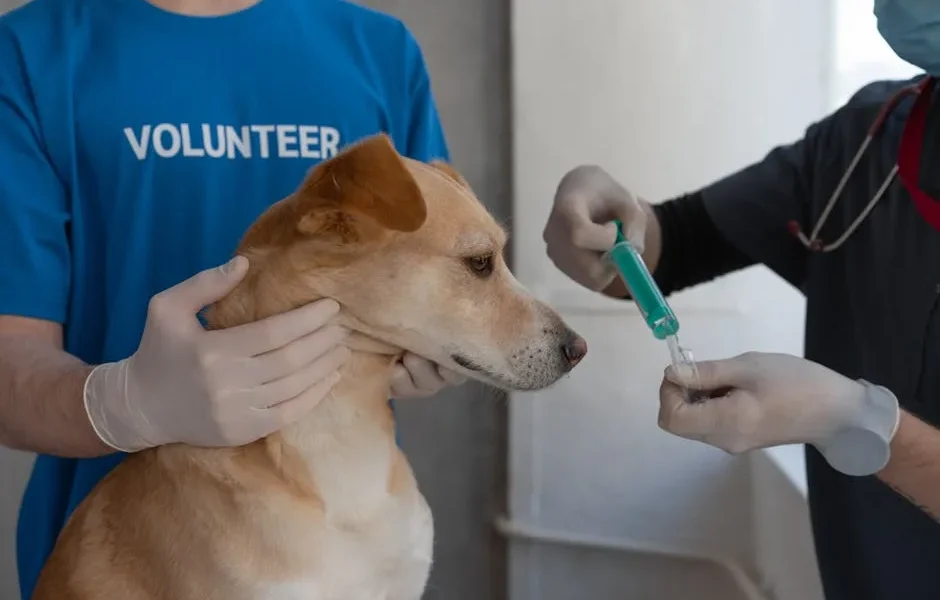
- Only 15-20% of regular vet offices offer true 24-hour emergency care. Don’t assume your vet is open after hours.
- Ask clear questions during regular visits: “Do you have vets on-site 24/7?” and “Where do you send emergencies?”
- Make an emergency plan now. Include contact info for after-hours clinics. Do this before you need it.
- Know the difference between on-call services, urgent care, and full emergency hospitals. This can save time in a crisis.
I’ll never forget the Sunday evening my golden retriever swallowed a corn cob whole. My heart was racing. I grabbed my phone to call our regular vet. I only reached a recording. It gave me a different number for emergencies.
That moment of confusion was hard. I was trying to figure out where to go. My dog was in distress. It taught me an important lesson. You need to know how to find after-hours emergency services before you need them.
Here’s what surprised me most: Nearly 60% of pet owners don’t know if their regular vet offers emergency services. They don’t find out until an actual emergency happens. If you’re reading this during a calm moment, you’re already ahead.
What’s the Difference Between “Emergency Services” and Real 24/7 Care?
This is where things get confusing. Your vet clinic might say they have “emergency services.” But that doesn’t always mean what you think.
A clinic with true 24-hour emergency care has vets and staff in the building all the time. They’re there around the clock. They can handle serious cases at 2 AM just as well as at 2 PM. This includes bloat, seizures, severe trauma, or poisoning.
But here’s what many clinics actually mean by “emergency services”:
- On-call arrangements: A vet carries a phone after hours. They may come in for true emergencies. But response time varies.
- Emergency referrals: They give you the number of a dedicated emergency hospital. You hear this on their after-hours recording.
- Urgent care hours: Extended hours like 7 AM to 10 PM. But not true 24/7 coverage.
None of these options are bad. They’re just different. The key is knowing which one your clinic offers. Find out before your dog needs help at midnight.
How Do I Find Out What After-Hours Options My Vet Actually Provides?
Start by calling your vet clinic right now. Don’t wait for an emergency. Literally call right now.
Ask these specific questions:
- “Do you have vets on-site 24 hours a day, 7 days a week?”
- “If I have an emergency at 11 PM on a Saturday, what happens when I call this number?”
- “Do you have an on-call doctor? Or do you refer to an emergency clinic?”
- “What’s the address and phone number of your recommended emergency hospital?”
Don’t accept vague answers. If they say they have “emergency services,” dig deeper. The staff should clearly explain their exact protocol.
Also check these places:
Their website: Look for an “Emergency Care” page. Real 24-hour clinics display this information prominently. If you only see “Contact us for emergencies” without specifics, they likely refer out.
Client portal or app: Many clinics now use digital platforms. These clearly list emergency contact information and protocols.
Your new client paperwork: If you’re vetting a new vet in an unfamiliar city, review all the documents from your first visit. Emergency procedures are usually outlined somewhere.
What Should I Look for on a Vet Clinic’s Website?
The website tells you a lot. True 24-hour emergency hospitals make this very clear. It’s a major selling point.
You’ll typically see:
- Phrases like “24/7 Emergency Care” or “Open 365 Days a Year” in big headers
- A dedicated emergency services page with detailed information
- Staff bios that include emergency and critical care specialists
- Photos or descriptions of their emergency treatment areas
Red flags that suggest limited after-hours availability:
- Only listing regular business hours (Monday-Friday, 8 AM – 6 PM)
- Phrases like “urgent care available” without 24/7 specification
- An “Emergency” section that just lists other emergency clinics
- No mention of after-hours care anywhere on the site
General practice clinics often have a simple statement. It says: “For after-hours emergencies, please contact [Emergency Animal Hospital Name] at [number].”
That’s actually helpful information. They’re being upfront about their referral relationship.
Why Don’t More Regular Vet Clinics Offer 24/7 Emergency Care?
Good question. Only about 15-20% of general vet practices offer true 24-hour services. There are solid reasons for this.
Running a 24-hour facility is incredibly expensive and complex.
You need:
- Multiple vets willing to work overnight shifts
- Round-the-clock vet technicians and support staff
- Advanced diagnostic equipment (like x-rays, ultrasounds, and sometimes CT or MRI machines)
- Specialized training in emergency and critical care
- A facility large enough for emergency cases plus regular appointments
The veterinary field is also facing big staffing shortages. Wait times at standalone emergency hospitals have increased by 35% since 2022. This is partly because there aren’t enough emergency vets to go around.
Many excellent general practice vets partner with dedicated emergency hospitals instead. This actually works well. The emergency clinic specializes in critical care. They have the equipment and expertise to handle complex cases. Your regular vet focuses on preventive care, routine procedures, and managing chronic conditions.
What’s My Game Plan If My Regular Vet Doesn’t Offer After-Hours Care?
Most dog owners are in this situation. So you’re in good company. Here’s what to do:
Right now, before any emergency:
- Find the nearest 24-hour emergency vet hospital. Google “24 hour emergency vet near me” and verify their hours.
- Save the address and phone number in your phone. Call it something like “EMERGENCY VET”.
- Drive there during the day. Know exactly where it is and how long it takes.
- Keep the ASPCA Poison Control number saved: (888) 426-4435. There’s a consultation fee, but it’s worth it.
- Consider signing up for a pet telemedicine service that offers after-hours triage.
Create a physical emergency card to keep in your wallet or phone case:
- Emergency vet name, address, phone
- Your regular vet’s name and number
- Poison control number
- Your dog’s critical medical information (allergies, medications, chronic conditions)
Building a complete pet health record system now makes emergency situations much easier to navigate.
How Do I Know If My Dog’s Problem Requires After-Hours Emergency Care?
This is the big question. About 25% of pet emergencies happen outside regular business hours. But not every health concern requires an immediate trip to the ER.
Get to an emergency vet immediately if your dog has:
- Difficulty breathing or blue/pale gums
- Seizures (especially if lasting more than a couple minutes or happening repeatedly)
- Suspected bloat (swollen belly, trying to vomit but nothing coming up, restlessness)
- Severe trauma from being hit by a car or a serious fall
- Ate a known toxin (chocolate, xylitol, antifreeze, medications, etc.)
- Severe bleeding that won’t stop with pressure
- Can’t urinate or defecate with straining
- Collapse or can’t stand
- Eye injuries
These symptoms can’t wait until morning. Trust your gut. If something feels seriously wrong, it probably is.
Monitor closely and call the emergency clinic for guidance if your dog has:
- Vomiting or diarrhea (frequency and severity matter)
- Loss of appetite for more than 24 hours
- Unusual lethargy
- Limping or showing pain
- Minor wounds or cuts
Many emergency clinics will do a quick phone triage. They help you determine if your dog needs to be seen immediately. Or if you can wait for your regular vet.
Some issues that seem minor develop slowly. Like early warning signs of kidney disease. These can wait for a regular appointment.
What About Cost? Are After-Hours Emergency Visits More Expensive?
Yes, significantly. The average after-hours emergency vet visit costs $150-300 just for the exam. Regular hours cost $50-100. That’s before any treatment, tests, or medications.
Why the premium? Emergency hospitals maintain expensive infrastructure 24/7. This includes staff, equipment, and specialized facilities. They maintain this whether they see five patients or fifty on any given night. The higher fees help cover those fixed costs.
Here’s how to prepare financially:
Pet insurance: Most policies cover emergency visits. You’ll pay upfront and get reimbursed. If you have multiple pets, check out multi-pet insurance discounts to make coverage more affordable.
CareCredit or similar: These medical credit cards offer payment plans for veterinary care. Apply before you need it.
Emergency fund: Try to set aside $1,000-2,000 for pet emergencies. I know that’s hard. But even $50/month adds up.
Ask about payment plans: Some emergency hospitals offer payment arrangements for larger bills.
Here’s an uncomfortable truth: About 1 in 3 pets will have a medical emergency at some point in their lifetime. An emergency that requires immediate vet care. Financial preparation isn’t pessimistic. It’s responsible.
Are There Any Middle-Ground Options Between Regular Hours and Full Emergency Care?
Actually, yes! This is a growing trend. It fills a real need.
Urgent care vet clinics have started popping up. They offer extended hours (typically 5 PM to midnight or similar). They handle issues that need attention soon but aren’t life-threatening.
Think of them like urgent care for humans. More accessible than the ER. But more immediate than scheduling a regular appointment.
These clinics typically handle:
- Minor wounds and lacerations
- Ear infections
- Mild vomiting or diarrhea
- Minor lameness or sprains
- Skin issues or hot spots
- Suspected UTIs
The costs usually fall between regular appointments and full emergency visits. Maybe $75-150 for an exam.
Telemedicine triage services have also expanded since 2024. For a monthly subscription or per-visit fee, you can video chat with a vet. They help you determine if your dog needs immediate in-person care.
This is incredibly helpful at 9 PM. You’re trying to decide if that weird cough warrants an emergency visit. Or if it can wait until morning.
Some vet cooperative arrangements now exist. Multiple small clinics share on-call responsibilities. They rotate who handles after-hours calls. It’s not 24/7 in-clinic care. But it gives you access to a vet who knows your dog’s records.
Final Thoughts
The best time to figure out your emergency care options is right now. Do it while your dog is healthy and you can think clearly.
Call your vet clinic tomorrow. Ask those specific questions about their after-hours protocols. Save emergency clinic information in your phone. Drive past the emergency hospital. Then you’re not searching for it in the dark during a crisis.
Remember: Finding out your regular vet doesn’t offer 24/7 care isn’t a dealbreaker. Most don’t. What matters is having a clear plan. Know where to go. Be financially prepared.
Your regular vet can still be excellent for routine care. They’re great for preventive medicine and managing chronic conditions. And they’ll work with emergency hospitals when needed.
Take thirty minutes this week to set up your emergency plan. Your future panicked self will thank you for it.
And if you haven’t already, check out what to do when your vet retires. Be prepared for any changes in your veterinary care team.
Sources & Further Reading
- American Veterinary Medical Association — Comprehensive guide to emergency veterinary care and what pet owners should know
- American Animal Hospital Association — Pet owner education resources on recognizing and responding to pet emergencies
- Veterinary Emergency and Critical Care Society — Information for pet owners about emergency veterinary care standards
- ASPCA Emergency Pet Care — Guide to identifying emergencies and accessing appropriate veterinary care
