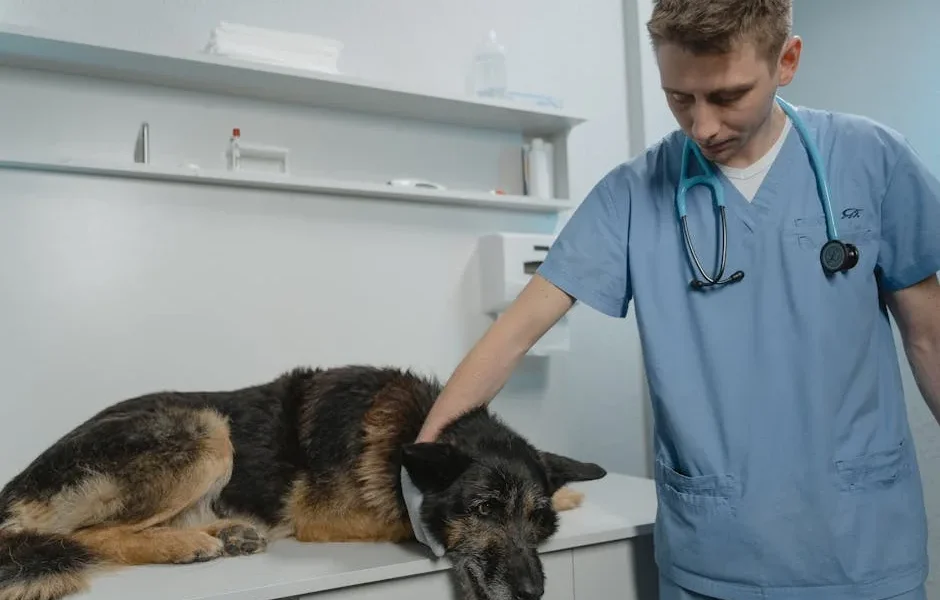
- Virtual vet visits cost $30-$80 per session. In-person visits cost $50-$250 or more. Some platforms offer unlimited access for a monthly fee.
- Best telemedicine vet platforms in 2025 include Vetster, Fuzzy, and Pawp. But they cannot replace in-person care for physical exams, tests, or emergencies.
- Telemedicine works best for behavior issues, skin problems, diet questions, and medication refills. Breathing problems, injuries, seizures, and poisoning always need immediate in-person emergency care.
Last Tuesday night at 10:47 PM, a client called me in tears. Her Labrador had a swollen paw. She didn’t know if she needed the emergency room. That would cost $350 or more.
Within twelve minutes, she was on video chat with a licensed vet. The vet looked at the paw. The vet stayed calm. She told my client to use ice and rest. She scheduled a follow-up for the next morning. Cost? $49. The emergency visit? Not needed.
This is veterinary telemedicine in 2025. It has changed how we think about pet care.
The veterinary telemedicine market is growing fast. It was $1.8 billion in 2023. It will reach $4.8-5.5 billion by 2030. These platforms aren’t just convenient. They’re changing animal healthcare.
But here’s the truth: not all platforms are the same. You need to know when to use virtual care. You also need to know when to grab your car keys and go to the vet. This could save your pet’s life.
The Virtual Vet Revolution: What Changed in 2024-2025
Remember waiting three days for a vet appointment? Or spending all Saturday at a walk-in clinic? Those days are ending.
By 2024, about 60-70% of pet owners said they would use telemedicine. That’s double the number from before the pandemic.
What’s driving this change? Three things.
First, rules changed. All 50 states now allow some form of vet telemedicine. About 30 states let vets start treating your pet entirely online. You don’t need an existing relationship with a clinic to get help.
Second, the technology got better. AI-powered symptom checkers work well now. Video quality is good. Vets can actually see that weird rash on your cat. Prescriptions get delivered through Chewy and PetMeds.
Third? Cost. A virtual visit costs $30-$80. An in-person visit costs $150 or more. People notice this difference. This matters even more if you have multiple pets.
Top Telemedicine Platforms: What Sets Them Apart
Vetster: The Flexible Specialist
Vetster uses pay-per-visit pricing. You don’t need a membership. Each consultation costs $50-$80.
You can get video calls within 1-4 hours for urgent concerns. You can also schedule appointments for routine questions.
Their best feature? Access to veterinary specialists. Need a board-certified dermatologist? Vetster has them. Need help with your dog’s behavior? You can get scheduled within days. Normal wait times for in-person specialists are six weeks or more.
The platform works in all 50 states. Vets can prescribe medications in states where rules allow. They cannot prescribe controlled substances. About 20-25% of consultations end with prescriptions. The prescription goes to your pharmacy or gets delivered within 24-48 hours.
Fuzzy: The Wellness Powerhouse
Fuzzy uses a membership model. It costs about $15-$30 per month.
Your membership includes unlimited 24/7 chat with vet professionals. You get video calls when needed. They use AI assistants to help before you talk to a licensed vet.
This model works well for anxious pet parents. It’s good if you have frequent questions about diet, behavior, or minor health concerns. If you have multiple pets, the unlimited access pays for itself quickly.
Fuzzy also offers wellness plans. These include preventive care reminders and vaccination schedules. They provide nutritional guidance. They’ve partnered with several pet insurance companies. Some membership levels include insurance coverage.
Pawp: Emergency Triage Specialists
Pawp focuses on emergency triage. Their membership costs $24/month as of 2025.
You get 24/7 access to vets trained in emergency assessment. Think of them as your “should I panic?” hotline.
Here’s what makes Pawp different. They include a $3,000 annual emergency fund. This covers up to six pets in your household. If your dog ate something toxic and needs emergency treatment, Pawp helps pay for that ER visit.
Response time averages under 30 minutes. This matters when your cat is acting weird at 3 AM. Google will convince you every symptom is either nothing or immediately fatal.
Dutch and AirVet: Specialized Care Models
Dutch focuses on specific conditions. These include allergies, anxiety, and joint issues. Virtual consultations cost $50-$100. They include follow-up care and medication delivery.
Their vets spend 15-30 minutes on video calls. This is often longer than many in-person visits.
AirVet operates 24/7. They use pay-per-use pricing at $30-$50 per consultation. They emphasize quick connections. You often connect within minutes for urgent concerns.
They’ve integrated with several vet clinic networks. This allows easy referrals when you need in-person care.
What Telemedicine Can Actually Do (And What It Absolutely Cannot)
Let’s talk about limitations. This matters more than any app feature.
Virtual vets are good at:
- Skin and coat issues. About 25-30% of telemedicine visits are for this. Rashes, hot spots, hair loss, weird lumps that need evaluation.
- Behavioral consultations. Anxiety, aggression, compulsive behaviors. A vet can learn a lot from video observation.
- Dietary and nutrition questions. Switching foods, weight management, addressing coprophagia and other dietary behaviors.
- Minor injuries that need assessment. Small cuts, limping without obvious broken bones, mild vomiting or diarrhea.
- Medication refills when you already have a relationship with the vet.
- Second opinions for chronic conditions.
But here’s where virtual care stops:
Telemedicine cannot do physical examinations. A vet can’t hear your dog’s heart murmur through a screen. They can’t feel that abdominal mass. They can’t take your cat’s temperature. They can’t run bloodwork or take X-rays. And they definitely can’t give vaccinations or do surgery.
Certain symptoms always require immediate in-person emergency care:
- Difficulty breathing or labored respiration
- Suspected poisoning or toxin ingestion
- Severe trauma or injury with bleeding
- Seizures or collapse
- Inability to stand or sudden paralysis
- Bloat symptoms (swollen belly, retching without vomiting, restlessness)
- Prolonged vomiting or diarrhea with signs of dehydration
- Eye injuries or sudden blindness
- Urinary blockage (especially male cats straining to urinate)
If you see these signs, skip the virtual consultation. Get to an emergency clinic immediately.
Good telemedicine platforms will tell you this. Services like Pawp and Vetster will direct you to emergency care when needed.
The Cost Calculator: When Does Virtual Care Actually Save Money?
Let’s look at real numbers.
Scenario one: You have a healthy dog with occasional minor issues. Maybe three or four concerns per year. These aren’t emergencies. You just need veterinary input.
Pay-per-visit telemedicine: 4 consultations × $60 = $240/year
Traditional in-person visits: 4 appointments × $150 = $600/year
Savings: $360 per year
Scenario two: Multiple pets or a pet with chronic conditions. You need veterinary input monthly.
Fuzzy unlimited membership: $25/month × 12 = $300/year
Traditional in-person: 12 appointments × $150 = $1,800/year
Savings: $1,500 per year. You’ll still need some in-person visits for physical exams and tests.
The best approach? Use telemedicine for triage and minor concerns. Keep your relationship with a primary care vet for wellness exams, vaccinations, and complex issues.
Most of my clients using this hybrid model report 40-60% reduction in yearly vet costs. They actually get more veterinary guidance overall.
Insurance Coverage: The 2025 Landscape
Good news here. More pet insurance providers now cover virtual consultations.
Nationwide, Trupanion, ASPCA Pet Health Insurance, and Lemonade all include telemedicine coverage in many plans. Specifics vary by plan.
Some platforms like Fuzzy offer insurance options as part of higher-tier memberships. You get insurance bundled with unlimited virtual access.
Always check whether your insurance covers telemedicine before the consultation. Some policies cover it fully. Others apply it toward your deductible. A few still don’t cover virtual visits at all.
The landscape is changing quickly. What wasn’t covered last year might be covered now.
Technology Requirements and User Experience
Most platforms need very little tech. You need a smartphone with a decent camera. You need stable internet (3-5 Mbps minimum). You need to handle video calls. That’s it.
The best apps offer easy interfaces. Fuzzy and Pawp lead here. You can upload photos before your consultation. You can access previous medical records. You can get prescriptions sent directly to pharmacies.
Vetster’s scheduling system works smoothly for non-urgent appointments. Pawp and AirVet are great for “I need help now” situations.
One practical tip: have good lighting ready before your first consultation. Vets can’t assess skin issues if your video looks dark. Natural light near a window works best.
State Regulations: Why Location Matters
Your location affects what telemedicine can do for you.
About 30 states let vets become your pet’s veterinarian without meeting in person. Other states require at least one physical exam within the past 12 months.
Prescription rules vary too. Most states allow non-controlled medication prescriptions via telemedicine. But some restrict certain drugs. Some require in-person exams first.
The platforms handle this behind the scenes. They won’t connect you with vets who can’t legally prescribe in your state. But service levels might differ depending on where you live.
What’s Coming: 2025 and Beyond
AI for symptom checking is growing. This doesn’t replace veterinarians. That wouldn’t be safe. But it helps triage concerns before your video call. This means shorter wait times and better consultations.
Hybrid care models are expanding rapidly. Platforms like Bond Vet and Small Door now offer both telemedicine and physical clinics. You can easily move between virtual and in-person care. Your digital records follow you everywhere.
Specialty consultations via telemedicine are growing fastest. Board-certified vets offer virtual consultations at half the cost of in-person specialist visits. For senior pet nutrition adjustments or interpreting pet DNA testing results, these virtual consultations provide great value.
Making the Right Choice for Your Pet
Which platform should you choose? It depends on your situation.
For occasional questions and pay-as-you-go: Vetster or AirVet
For multiple pets or frequent concerns: Fuzzy’s unlimited membership
For emergency triage and peace of mind: Pawp with emergency fund
For specific chronic conditions: Dutch’s specialized care
For families wanting both virtual and in-person: Hybrid platforms like Bond Vet
Most platforms offer introductory promotions. First consultation discounted or first month free. Use these to test the service before committing long-term.
When to Trust Your Gut and Go In-Person
Here’s my final advice after years of practice. If something feels seriously wrong, it probably is.
Virtual care is great for guidance, triage, and managing minor issues. But your instinct that says “this isn’t right” deserves an in-person examination.
The best telemedicine vets will tell you this themselves. They’ll say “based on what I’m seeing, you need to be evaluated in person within the next few hours.” That’s not a failure of telemedicine. That’s exactly what it’s supposed to do.
I’ve had virtual consultations where I spent three minutes on video before saying “stop everything and go to emergency now.” Heat stroke, potential choking emergencies, and situations requiring immediate medication don’t allow time for a virtual chat. And that’s okay. That’s appropriate triage.
Final Thoughts
Telemedicine isn’t replacing traditional vet care. It’s expanding access to it.
The best telemedicine vet platforms in 2025 offer convenience and lower costs. They make quality veterinary guidance accessible when and where you need it. Whether you choose Vetster, Fuzzy, or Pawp, you’re getting licensed veterinarians who genuinely care about helping your pet.
Start by identifying your most common vet questions. Are you constantly worried about whether something needs immediate attention? Pawp might be your answer. Do you have ongoing questions about diet, behavior, and minor health issues? Fuzzy could save you hundreds. Need occasional specialist input? Vetster offers access you might wait months for otherwise.
Try a consultation. Most first-time users are pleasantly surprised by how much a vet can assess via video.
Just remember: virtual care is one tool in your pet care toolkit. It’s not the only tool. When in doubt, when something feels wrong, when the situation gets worse—that’s when you grab your keys and head to the clinic.
Your pet deserves both the convenience of modern telemedicine and the thorough hands-on care that only in-person veterinary medicine can provide.
Sources & Further Reading
- American Veterinary Medical Association — Official telemedicine resources, state-by-state regulations, and VCPR guidelines
- American Animal Hospital Association — Comprehensive telemedicine trends and adoption statistics for 2024-2025
- Today’s Veterinary Business — Industry analysis of telemedicine platforms, market growth data, and platform comparisons
- FDA Center for Veterinary Medicine — Guidelines for telemedicine prescriptions and regulatory framework
- Pet Insurance Review — Comparative analysis of telemedicine platform features and insurance coverage options
