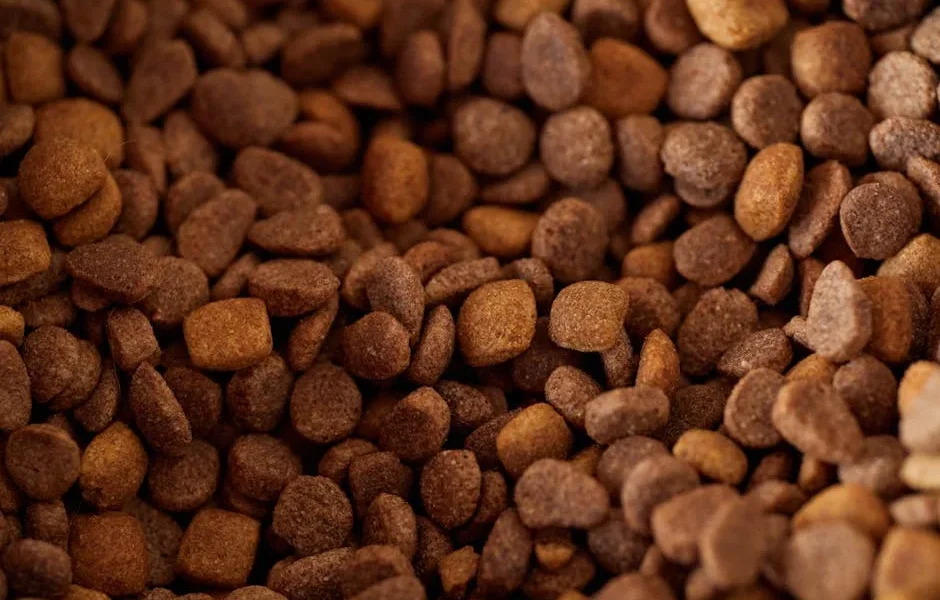
- Senior pets need 20-30% fewer calories. But they need more high-quality protein. This helps prevent muscle loss. Diet changes are essential as they age.
- Work with your vet to create a nutrition plan. It should be based on your pet’s health, body condition, and muscle mass.
- Changing to senior nutrition isn’t just about new food brands. It’s about addressing new metabolic needs. It’s about managing chronic diseases. And it’s about maintaining quality of life.
I’ll be honest with you. The moment I realized my Labrador was officially “senior” hit me hard. She was only seven. She still chased tennis balls with enthusiasm. But her nutritional needs had already started shifting.
That’s when senior pet nutrition became personal for me.
Here’s the thing most pet owners don’t realize. Your dog or cat doesn’t wake up one morning suddenly “old.” The transition happens gradually. Their dietary needs shift right along with it.
But how do you know when it’s time to make changes? And what changes actually matter versus marketing hype?
Let me walk you through the essential steps. These will help you adjust your senior pet’s nutrition the right way.
1. Recognize When Your Pet Actually Becomes “Senior” (It’s Earlier Than You Think)
When does your pet actually become “senior”? It’s not as straightforward as you’d think. It varies between species and breeds.
Dogs generally hit senior status around age seven. But large and giant breeds age faster. Think five to six years for Great Danes or Mastiffs.
Their joints wear down quicker. Their organs work harder. Their metabolic clocks tick faster.
Small breed dogs might not show aging until eight or nine years old. Cats are different. They’re typically considered senior at age eleven. But kidney changes often begin years earlier.
Here’s what matters more than age. Watch for physical and behavioral signs.
Is your pet slowing down on walks? Sleeping more? Showing stiffness after rest?
These indicators signal that metabolic changes are already happening. A thorough wellness exam with bloodwork becomes crucial at this stage.
2. Understand the Calorie-Protein Paradox in Senior Nutrition
This confuses almost everyone. Senior pets need fewer calories but not less protein. In fact, they often need more high-quality protein than their younger selves.
As pets age, their metabolism slows down. Activity decreases. Studies show senior pets require about 20-30% fewer calories than adults.
Feed them the same amount you always have? You’re looking at obesity. This affects 50-60% of senior dogs and cats.
That excess weight accelerates arthritis. It stresses organs. It shortens lifespan.
But here’s the catch. Aging muscles become less efficient at utilizing protein. This is called sarcopenia.
Without adequate high-quality protein, seniors lose muscle mass. This happens even when body weight stays the same.
You might look at your thirteen-year-old cat and think she’s holding steady. But underneath that fur, she could be wasting away.
That’s why I emphasize protein quality and digestibility. Not just the percentage on the label.
3. Schedule a Comprehensive Senior Wellness Assessment
You can’t adjust nutrition properly without knowing what you’re working with. A senior wellness exam goes far beyond the annual checkup.
A proper senior evaluation includes several things. Complete bloodwork. Urinalysis. Blood pressure measurement. Often additional screening based on breed.
But here’s what many pet owners overlook. Body condition scoring (BCS) and muscle condition scoring (MCS).
These hands-on assessments tell us important things. Is your pet truly at an ideal weight? Are they maintaining muscle mass?
Come prepared with questions. What’s your pet’s current metabolic status? Any early kidney changes? Evidence of cognitive decline?
Your vet should examine teeth too. 80% of dogs and 70% of cats over age three have dental disease. It worsens with time.
Sometimes the “diet problem” is actually a painful mouth problem.
4. Determine If Your Pet Needs a Specialized Senior Diet or Condition-Specific Formula
Not every senior pet needs a prescription diet. But many benefit from targeted nutrition. The trick is figuring out which category your pet falls into.
Over-the-counter senior formulas typically offer several things. Reduced calories. Moderate protein levels. Added omega-3 fatty acids. Antioxidants.
They’re reasonable choices for healthy seniors without diagnosed medical conditions.
But here’s the important part. They’re not all created equal. Some cheap “senior” formulas simply reduce protein. That’s exactly what we don’t want.
Prescription diets become necessary when specific conditions emerge.
Early kidney disease in cats? You need controlled phosphorus and modified protein.
Arthritis? Diets with therapeutic levels of omega-3s show clinical benefits.
Cognitive dysfunction syndrome? Research on medium-chain triglycerides (MCTs) has demonstrated improvements.
Heart disease, diabetes, inflammatory bowel disease. Each has evidence-based nutritional strategies.
This is where working with a veterinary nutritionist becomes invaluable. Or following your vet’s guidance based on American College of Veterinary Nutrition recommendations.
5. Adjust Feeding Amounts and Frequency Based on Individual Needs
The feeding guidelines on the bag? They’re starting points, not commandments. Senior pets often need customized portion control.
Start by calculating your pet’s ideal body weight. Not current weight if they’re overweight. Adjust portions based on that target.
Many seniors do better with smaller, more frequent meals. Two to three times daily instead of once or twice.
This approach helps maintain stable blood sugar. It reduces digestive upset. It can improve nutrient absorption in aging guts.
Monitor body condition monthly. You should be able to easily feel ribs without excess fat covering. See a waist when viewed from above. Notice an abdominal tuck from the side.
Weigh your pet regularly. I recommend every two weeks for seniors.
Unexplained weight loss warrants immediate veterinary attention. It could signal dental pain, cancer, or hyperthyroidism. A diagnostic workup may be needed.
6. Incorporate Joint Support and Anti-Inflammatory Nutrients
Nearly every senior pet experiences some degree of osteoarthritis. Even if they’re not obviously limping.
Nutritional strategies can genuinely help. They manage inflammation and support remaining cartilage.
Omega-3 fatty acids from fish oil have solid evidence. They support anti-inflammatory effects. We’re talking EPA and DHA specifically, not plant-based omega-3s.
We need therapeutic doses here. Typically 50-150 mg combined EPA/DHA per kg body weight daily. Not the token amounts in some foods.
Glucosamine and chondroitin are everywhere in senior diets. I’ll be straight with you. Clinical evidence for their effectiveness is mixed.
They seem to work better as part of comprehensive joint support diets. These include omega-3s, antioxidants, and controlled calories.
Newer additions like green-lipped mussel extract show promise. Some prescription mobility diets combine multiple strategies.
They demonstrate measurable improvements in activity levels and comfort. It’s not magic. But it can meaningfully improve quality of life.
7. Address Cognitive Health Through Targeted Nutrition
Canine cognitive dysfunction syndrome affects many senior dogs. It’s basically doggy dementia.
Signs include disorientation. Altered sleep-wake cycles. House soiling. Changes in social interaction.
Nutrition can’t cure it. But research shows it can slow progression.
Clinical trials have looked at special foods. These are supplemented with medium-chain triglycerides (MCTs). Antioxidants. Omega-3 fatty acids. Other brain-supporting nutrients.
They’ve demonstrated improvements in cognitive function. Better learning ability in senior dogs.
Some studies suggest these interventions might delay decline by one to two years. In a twelve-year-old dog, that’s huge.
Cats can develop cognitive dysfunction too. It’s less commonly diagnosed. The same nutritional principles apply.
Antioxidants, omega-3s, and maintaining ideal body weight support overall brain health.
If your senior is showing behavioral changes, discuss both medical workup and dietary interventions with your vet. Especially at night. This reminds me of feline nighttime activity patterns. But more confused than zoomy.
8. Manage Kidney Disease Through Precise Phosphorus and Protein Control
Chronic kidney disease is the number one killer of senior cats. It’s a major issue in older dogs too.
Once diagnosed, nutrition becomes one of your most powerful management tools.
The International Renal Interest Society (IRIS) provides staging guidelines. These help determine appropriate nutritional intervention.
Early kidney disease benefits from moderate phosphorus restriction. And omega-3 supplementation.
As disease progresses, more aggressive phosphorus control becomes critical. Elevated phosphorus accelerates kidney damage.
We also modify protein. But this is nuanced. Too little protein causes muscle wasting. Too much may burden damaged kidneys.
Prescription renal diets are formulated based on extensive research. They consistently show benefits in slowing disease progression. They improve quality of life.
I’ve seen cats with Stage 2 kidney disease maintain stability for years. This works with appropriate renal diets combined with other therapies.
The catch? Many cats initially refuse these foods. They’re formulated to be low in phosphorus. This limits ingredients.
Patience with transition makes the difference. Sometimes creative strategies help. Warming food. Trying different textures. Using appetite stimulants short-term.
9. Transition Gradually to Avoid Digestive Upset
Senior digestive systems are less forgiving than young ones. Rush a diet change and you’ll have problems. Vomiting. Diarrhea. A pet who now refuses the new food entirely.
Plan for a 7-10 day transition minimum. Longer if your pet has a sensitive stomach.
Start with 75% old food and 25% new food for 2-3 days. Then go 50-50 for 2-3 days. Then 25% old and 75% new. Finally reach 100% new food.
Some seniors need even slower transitions. 14 days isn’t excessive for particularly sensitive individuals.
Watch for warning signs during transition. Vomiting more than once. Diarrhea lasting more than 24 hours. Complete loss of appetite. Lethargy.
These could indicate food intolerance. But they might also signal unrelated medical issues.
When in doubt, slow down the transition. Check with your vet.
If you’re switching to a prescription diet for medical reasons, don’t give up. Work with your veterinary team to find strategies that work.
10. Consider Texture Modifications for Dental Issues
That dental disease I mentioned earlier? It’s not just about bad breath.
Painful teeth and inflamed gums directly impact nutrition. They make eating uncomfortable or even impossible.
Some seniors benefit from switching from dry kibble to canned food. This requires less chewing effort.
Others do fine with softened kibble. Add warm water and let it sit for 5-10 minutes before feeding.
There’s a persistent myth that dry food cleans teeth. It doesn’t. At least not regular kibble.
Specialized dental diets with specific kibble shapes can help somewhat. But they’re no substitute for professional dental cleaning when needed.
Watch for these signs. Dropping food. Chewing on one side. Showing reluctance to eat hard treats. Visible tartar buildup.
If you see these, schedule a dental evaluation.
Sometimes the best dietary intervention is addressing the underlying dental disease. Professional cleaning and extractions if needed.
Yes, anesthesia in seniors carries risks. But modern anesthetic protocols have made it much safer. The quality-of-life improvement from a pain-free mouth is dramatic.
11. Monitor and Adjust Based on Regular Reassessments
Senior nutrition isn’t set-it-and-forget-it. Your pet’s needs will continue evolving. Sometimes rapidly. This happens as they age further or develop new conditions.
Schedule wellness exams every six months for senior pets. More frequently if managing chronic disease.
Each visit should include weight and body condition reassessment. Discussion of any changes in appetite or behavior. Periodic bloodwork.
At least annually. Sometimes more often depending on conditions being managed.
Don’t wait for obvious problems to emerge. Subtle changes caught early are much easier to address.
Keep a simple log at home. Weekly weights. Daily food intake. Water consumption. Energy levels. Any digestive issues.
Increased drinking is a red flag. It could signal kidney disease, diabetes, or other conditions.
This data helps your vet spot trends. It helps make informed adjustments.
You know your pet’s normal better than anyone. Trust your instincts when something feels off. Advocate for investigation.
12. Know When to Consult a Board-Certified Veterinary Nutritionist
Most senior pets do fine with guidance from their primary veterinarian. But some situations benefit from specialist input.
There are fewer than 100 board-certified veterinary nutritionists in the US. I see complex cases regularly that need that deeper dive.
Consider a nutritionist consultation in these situations. Your pet has multiple health issues requiring conflicting dietary approaches. They’re not responding as expected to standard dietary management. You’re considering homemade diets. You’re managing rare conditions with limited nutritional guidance available.
Many nutritionists offer remote consultations. This makes specialist access easier than ever.
The American College of Veterinary Nutrition maintains a directory of diplomates. Your primary vet can also refer you.
Most of us love when general practitioners reach out for collaborative case management. It’s not about replacing your vet. It’s about adding specialized expertise to the team.
13. Understand the Reality of Homemade Senior Diets
I get it. You want to cook for your aging beloved companion. Control every ingredient. Show love through home-prepared meals.
The intention is beautiful. But the execution requires serious commitment and expertise.
Nutritionally complete and balanced homemade diets are complex. Especially for senior pets with medical conditions.
You’re not just throwing together chicken and rice. You need precise calculations. Calcium-phosphorus ratios. Essential fatty acid profiles. Vitamin and mineral supplementation. Calorie density appropriate for your pet’s specific conditions.
I’ve reviewed hundreds of homemade diet recipes from well-meaning owners. Honestly, most are dangerously deficient in multiple nutrients.
If you’re committed to homemade feeding, work with a board-certified veterinary nutritionist. They can formulate a recipe specific to your pet’s needs.
Services like BalanceIT provide veterinarian-formulated recipes with required supplements.
Never use random internet recipes. Or even cookbook recipes without veterinary nutritionist review. The stakes are too high in seniors with compromised health.
Alternatively, several companies now offer fresh, pre-made foods. These are formulated by veterinary nutritionists. They provide the “home-cooked feel” with nutritional assurance.
14. Balance Budget Realities with Nutritional Needs
Let’s talk about the elephant in the room. Prescription diets and supplements aren’t cheap. Senior pet healthcare adds up quickly.
But compromising on nutrition to save money often costs more in the long run. Through medical complications.
If budget is a genuine constraint, be upfront with your veterinarian.
Sometimes there are therapeutic over-the-counter options. While not ideal, they provide reasonable management.
Generic prescription diets exist for some conditions. They cost less than brand names.
Some conditions allow for partial therapeutic diet feeding. Mixing with regular food. When full prescription diet feeding isn’t financially feasible. Not ideal, but better than nothing.
Consider pet insurance options that cover prescription diets. As part of chronic disease management.
Some companies reimburse for therapeutic foods when prescribed for diagnosed conditions.
CareCredit and similar healthcare financing can help spread costs over time. Local veterinary schools sometimes offer nutritional consultations at reduced costs.
15. Recognize Warning Signs That Dietary Management Isn’t Working
Even with perfect nutrition, things can go wrong. Knowing when dietary adjustments aren’t enough is crucial. Or when something else is happening.
Here are red flags. Progressive weight loss despite adequate food intake. Sudden appetite changes (increased or decreased). Increased water consumption paired with increased urination.
Vomiting more than occasionally. Diarrhea lasting beyond a day or two. New lethargy or weakness. Behavioral changes like confusion or aggression.
Any of these warrant veterinary evaluation. Not just diet tweaking.
Sometimes what looks like a nutrition problem is actually advancing disease. This requires medical intervention beyond diet.
A senior dog losing weight might have dental pain. Intestinal disease. Cancer. Or organ failure. All needing specific treatment.
Similarly, a cat suddenly ravenous might be hyperthyroid. Diabetic. Or have intestinal disease.
Don’t assume everything’s diet-related just because your pet is old. Age isn’t a disease. Changes deserve investigation. Especially when they happen relatively quickly.
Final Thoughts
Adjusting your senior pet’s nutrition is one of the most impactful things you can do. It maintains their quality of life in their golden years.
It’s not about following generic “senior food” marketing. It’s about understanding your individual pet’s changing needs. Working with your veterinary team to address them precisely.
The combination of appropriate calories, high-quality protein, and targeted nutrients creates a foundation. For healthy aging.
Start with that comprehensive senior wellness exam if you haven’t already. Come armed with questions about your pet’s specific nutritional needs.
Be prepared to adjust and reassess regularly. Senior nutrition is a moving target.
And remember, investing in proper nutrition now can add quality years to your companion’s life.