
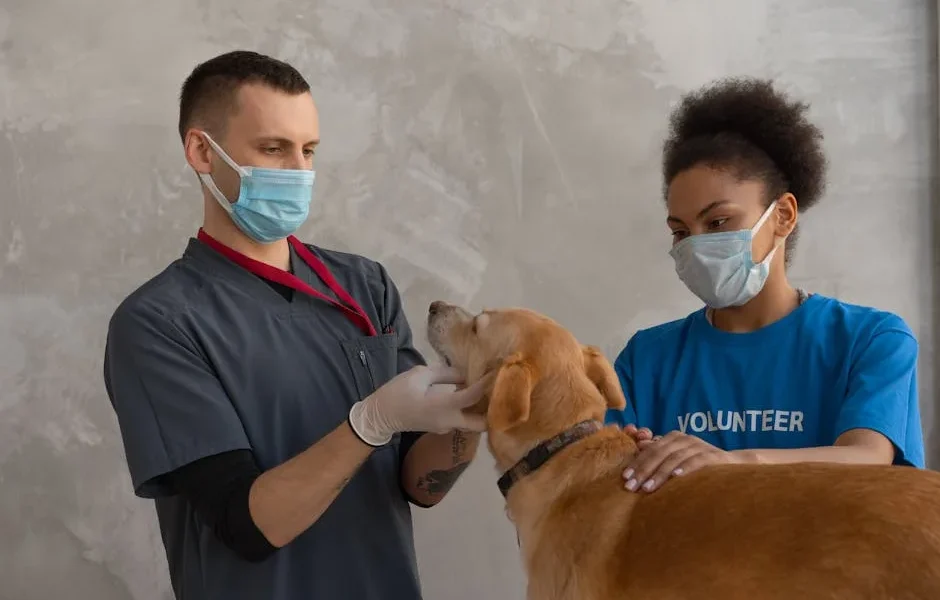
- Preventive care can extend your pet’s lifespan by 1-3 years and reduce lifetime veterinary costs by 15-20%
- Only 50% of dogs and 25% of cats receive recommended annual wellness exams, leaving many treatable conditions undetected
- The five essential preventive care steps include regular wellness exams, dental care, parasite prevention, weight management, and up-to-date vaccinations
- Early detection through routine bloodwork identifies 80% of chronic diseases before symptoms appear, when they’re most treatable
I’ve worked in emergency medicine for fifteen years. I can tell you something that might surprise you. Most of the critical cases I see at 2 AM shouldn’t have become emergencies.
That kidney failure? We could’ve caught it years earlier with routine bloodwork.
The dental infection that spread to the jaw? We could’ve prevented it with regular cleanings.
When pet owners ask me about the 5 essential preventive care steps every pet owner should take before it’s too late, I’m not just reciting textbook recommendations. I’m sharing what I’ve learned from thousands of pets who ended up in my ICU. Simple preventive measures could have changed everything.
Look, I get it. When your dog or cat seems perfectly healthy, it’s easy to put off that wellness visit.
But here’s what happens behind the scenes. Diseases progress silently for months or years before you notice anything wrong.
By the time symptoms appear, we’re often playing catch-up. The conditions are harder and more expensive to treat.
Why Preventive Care Matters More Than You Think
Let me be blunt about something. Preventive care isn’t just “nice to have.”
It’s the difference between a fifteen-year-old cat and one that doesn’t make it past ten.
The data backs this up pretty clearly. Pets who receive regular preventive care live 1-3 years longer on average. This is compared to those who only see a vet when something’s obviously wrong.
And yeah, I know what you’re thinking about cost.
Here’s the reality though. Pet owners who maintain regular wellness visits spend 15-20% less over their pet’s lifetime. This is compared to those who only seek emergency care.
That heartworm treatment I mentioned? It runs about $1,000-$1,800. Monthly prevention? Five to fifteen bucks. The math isn’t complicated.
But honestly, the financial argument isn’t what keeps me up at night.
It’s the fact that 80% of dogs and 70% of cats have dental disease by age three. Eighty percent.
That’s a preventable condition causing chronic pain. Most owners don’t even realize their pets are experiencing it. Cats and dogs are incredibly stoic. They hide discomfort until they literally can’t anymore.
Step 1: Schedule Annual Wellness Exams (Biannual for Seniors)
This is the foundation everything else builds on.
Your pet needs a comprehensive physical exam at least once a year. Make it twice a year once they hit age seven. For large-breed dogs, start even earlier. They age faster.
During these visits, we’re not just giving vaccines and sending you on your way.
We’re palpating for abnormal masses. We’re listening for heart murmurs that weren’t there last year. We’re checking teeth and gums. We’re assessing body condition. And we’re discussing any subtle changes you might have noticed.
You’d be amazed what we can detect during a thorough physical exam.
Here’s what makes these exams so valuable: early detection.
When I find a small mammary mass during a routine exam, the prognosis is much better. This is versus waiting until it’s the size of a golf ball. Same with heart murmurs, dental disease, arthritis. Catching things early means more treatment options and better outcomes.
What to Expect During a Wellness Visit
A comprehensive wellness exam should include several things.
You’ll get a nose-to-tail physical assessment. We’ll do weight and body condition scoring. We’ll discuss diet and lifestyle. We’ll do parasite screening, usually a fecal test.
For pets over seven or those with risk factors, we’ll do baseline bloodwork.
That bloodwork is crucial. It can identify kidney disease, liver issues, diabetes, and thyroid problems before your pet shows any symptoms.
The American Animal Hospital Association recommends annual exams for healthy adult pets. They recommend biannual visits for seniors.
That might seem like a lot. But remember: one year for a dog or cat equals roughly four to seven human years. This depends on their age and size.
Would you skip seeing your doctor for four years straight?
Step 2: Prioritize Dental Care and Professional Cleanings
If there’s one thing I could magically make every pet owner understand, it’s this.
Your pet’s dental health directly impacts their overall health and lifespan.
Periodontal disease doesn’t just stay in the mouth. Bacteria from infected gums enter the bloodstream. They can damage the heart, liver, and kidneys.
I’ve seen dogs develop heart valve infections from untreated dental disease.
I’ve had to extract fourteen rotten teeth from a seven-year-old cat. Her owner had no idea anything was wrong because “she was still eating.”
Yeah, she was eating. In pain. Every single day.
Professional dental cleanings under anesthesia are necessary for most dogs and cats. They need them every 1-3 years. This depends on breed, diet, and home care.
I know the anesthesia part freaks people out.
But here’s the truth. Modern veterinary anesthesia is incredibly safe. This is especially true with proper pre-anesthetic bloodwork and monitoring.
And it’s the only way to properly clean below the gumline. That’s where disease actually happens.
Home Dental Care Between Cleanings
Between professional cleanings, daily tooth brushing is the gold standard.
If your pet tolerates it, use veterinary toothpaste. Never use human toothpaste. The xylitol can be fatal to pets.
Dental chews and water additives approved by the Veterinary Oral Health Council can help. But they’re not substitutes for brushing or professional care.
Start dental care young if possible.
Puppies and kittens can learn to accept tooth brushing much more easily than adults. But even older pets can adapt with patience and positive reinforcement.
Step 3: Maintain Year-Round Parasite Prevention
Climate change has fundamentally altered parasite risk.
Areas that used to have “flea season” now need year-round prevention. Ticks are active in temperatures above freezing. With warming winters, we’re seeing them nearly twelve months a year in many regions.
This isn’t just about your pet’s comfort. Though flea allergies and tick-borne diseases absolutely matter.
It’s also about your family’s health.
Fleas, ticks, and intestinal parasites can transmit diseases to humans. Kids playing in the backyard where your dog poops? If that dog has roundworms and isn’t on prevention, those kids are at risk for larva migrans.
Modern preventive medications are incredibly effective and convenient.
Many products now combine heartworm, flea, tick, and intestinal parasite prevention in one monthly dose. Your vet can recommend what’s appropriate for your pet’s lifestyle and your region’s specific parasite risks.
For comprehensive information about these medications, check out our expert safety guide to flea and tick medications.
The Heartworm Reality Check
Heartworm prevention deserves special mention.
These parasites are transmitted by mosquitoes and can be fatal. Treatment is expensive, risky, and requires months of restricted activity.
Prevention costs pocket change in comparison.
There’s really no excuse not to keep your dog on year-round heartworm prevention. And yes, indoor cats can get heartworms too.
Step 4: Manage Weight and Optimize Nutrition
Here’s an uncomfortable statistic.
Approximately 60% of cats and 56% of dogs in the US are overweight or obese. This is a crisis, folks.
Obesity leads to diabetes, arthritis, heart disease, and shortened lifespans.
I can’t tell you how many senior dogs I see whose quality of life is destroyed by arthritis. It’s exponentially worse because they’re carrying an extra fifteen pounds.
Weight management starts with proper nutrition.
Not all pet foods are created equal. What works for one pet might not work for another. This is based on age, activity level, and health status.
Our complete guide to balanced pet nutrition covers this topic extensively.
Your vet should assess your pet’s body condition score at every visit. They should help you establish appropriate feeding guidelines.
Most pets are overfed. Not because owners are careless. But because they’re following bag recommendations that don’t account for individual metabolism or activity level.
The Treat Problem
Nobody wants to hear this, but treats add up fast.
That dental chew? Could be 50-100 calories. Those training treats throughout the day? Another 100+ calories.
For a small dog with a daily caloric need of 400 calories, treats can easily represent 25-30% of their intake if you’re not careful.
Calculate treat calories into your pet’s daily total. Or use pieces of their regular kibble for training.
Starting nutrition right matters tremendously for puppies and kittens.
If you have a young pet, our article on building a foundation for lifelong health provides essential guidance.
Step 5: Keep Vaccinations Current Based on Risk
Vaccine protocols have evolved significantly.
We no longer automatically vaccinate every pet for everything every year. Instead, modern protocols focus on core vaccines. Those are the ones every pet needs. Then we add lifestyle vaccines based on individual risk factors.
Core vaccines for dogs include rabies, distemper, parvovirus, and adenovirus.
For cats, it’s rabies, panleukopenia, herpesvirus, and calicivirus.
These diseases are either fatal or cause severe illness. And they’re prevalent enough that all pets are at risk.
Lifestyle vaccines depend on your pet’s specific circumstances.
Like Bordetella for dogs who go to daycare. Or Lyme for dogs in tick-heavy areas. Or feline leukemia for cats who go outdoors.
This is where that annual wellness visit becomes crucial. Your vet can assess your pet’s risk factors and recommend an appropriate vaccine protocol.
Understanding Vaccine Intervals
Many core vaccines provide immunity that lasts three years in adult pets.
After the initial puppy or kitten series and the one-year booster, your dog might not need another distemper vaccine for another three years.
Rabies vaccines are mandated by law. Intervals vary by state and vaccine type.
Some pets may need more frequent boosters. This applies if they’re immunocompromised or if titers indicate waning immunity.
Blood titer tests can measure antibody levels for certain diseases. These help if you’re concerned about over-vaccinating.
Common Preventive Care Mistakes to Avoid
Let me walk you through the mistakes I see most often. Recognizing these can literally save your pet’s life.
Skipping preventive care for indoor-only pets.
Indoor cats still need wellness exams, bloodwork, and core vaccines. They can still develop dental disease, kidney disease, diabetes, and hyperthyroidism. We catch these conditions early through routine care.
And yes, mosquitoes get indoors. So heartworm prevention matters for indoor cats too.
Assuming a good appetite means good health.
Pets hide illness instinctively. I’ve diagnosed advanced kidney disease in cats who were eating normally. I’ve found massive abdominal tumors in dogs who never missed a meal.
Appetite is not a reliable indicator of overall health.
Delaying care because of cost concerns.
I completely understand budget constraints.
But skipping preventive care to save money is like skipping oil changes to save money on your car. It costs way more when the engine dies.
Many clinics offer wellness plans that spread costs over monthly payments. Pet insurance can also help, especially if you get it while your pet is young and healthy.
Shopping by price alone for parasite prevention.
Over-the-counter products from big-box stores aren’t as effective as prescription preventives from your vet.
If they were, we’d use them. Trust me, if I could get the same results from a $10 product versus a $30 product, I’d recommend the cheaper option.
But efficacy matters. With parasite prevention, you get what you pay for.
Forgetting to update your vet on lifestyle changes.
Your indoor cat started going outside? Your dog will now be boarding at a kennel while you travel?
These lifestyle changes affect disease risk and vaccination needs. Keep your vet in the loop.
Tips for Making Preventive Care Manageable
Start by establishing a relationship with a primary care veterinarian you trust.
Continuity of care matters. When the same vet sees your pet year after year, they notice subtle changes. A different doctor might miss these changes.
If you ever need specialized care, our guide on choosing the right veterinary specialist can help.
Set reminders on your phone for annual exams, monthly parasite prevention, and vaccine boosters.
Many veterinary clinics send reminder postcards or emails. But don’t rely solely on those. Take ownership of your pet’s healthcare schedule.
Keep a simple health journal.
Note any changes in appetite, water consumption, urination, defecation, energy level, or behavior. These observations are incredibly valuable during wellness visits.
“He seems less playful” is helpful. “His water intake increased from about two cups daily to four cups daily over the past month” is actionable data.
Ask questions during vet visits.
If you don’t understand why we’re recommending something, say so. A good vet will explain the reasoning and help you make informed decisions.
We’re not just checking boxes. We’re making recommendations based on your individual pet’s needs.
Consider pet insurance or a dedicated pet savings account.
Knowing you have resources available makes it easier to say yes to recommended preventive care. Many insurance plans now cover wellness care, not just emergencies and illness.
When Preventive Care Isn’t Enough
Even with perfect preventive care, emergencies happen.
Pets get into things they shouldn’t. They develop sudden illnesses. Or they suffer traumatic injuries.
Knowing the critical signs your pet needs emergency care is essential.
Difficulty breathing, profuse bleeding, inability to stand, or seizures require immediate veterinary attention. Don’t wait.
For dogs specifically, understanding warning signs that require emergency vet care can help you make quick decisions when minutes matter.
And if your pet is bleeding, knowing how to apply pressure and stop blood loss can be lifesaving while you’re en route to emergency care.
Age-Specific Preventive Care Considerations
Puppies and kittens need frequent visits initially.
Usually every 3-4 weeks until they complete their vaccine series around sixteen weeks of age.
These visits aren’t just about shots. They’re opportunities to catch congenital problems early. We establish good nutrition habits. And we discuss training and socialization.
Adult pets in their prime years need annual wellness exams.
That’s roughly 1-7 years for most dogs and cats. They need bloodwork every 1-2 years to establish baseline values.
These baselines become incredibly useful when your pet gets older. We’re trying to determine if lab values represent normal aging or disease.
Senior pets need more frequent care.
That’s seven years and older for most breeds. Younger for giant-breed dogs. They need biannual exams and annual bloodwork at minimum.
Diseases like kidney disease, hyperthyroidism, and diabetes are common in older pets. They’re manageable when caught early. Once symptoms appear, damage has often already occurred.
Final Thoughts
After a decade and a half in emergency medicine, I’ve come to think of preventive care as the unsung hero of veterinary medicine.
It’s not glamorous. Nobody rushes their pet to the vet for preventive care at midnight.
But it’s absolutely where the biggest impact happens.
Those routine wellness visits, dental cleanings, and monthly parasite preventives? They’re quietly adding years to pets’ lives. Their owners never fully realize what disasters were avoided.
Here’s what I want you to do.
If your pet hasn’t had a wellness exam in the past year, schedule one this week. Not next month, not when you get around to it. This week.
If your pet is over seven and you’re only doing annual visits, move to biannual exams.
Start a simple calendar reminder system for monthly parasite prevention if you don’t have one already.
These aren’t complicated steps. But their impact is enormous.
Your pet can’t advocate for their own health. That responsibility falls entirely on you.
Take it seriously. Because by the time I see your pet in the emergency room, we’ve often missed our best window to help them.
Don’t let that happen.
Sources & Further Reading
- <a href="https://www.avma.org/resources/pet-
Medical disclaimer: This article is for educational purposes only and does not substitute professional veterinary advice, diagnosis, or treatment. Always consult a licensed veterinarian about your pet's health.