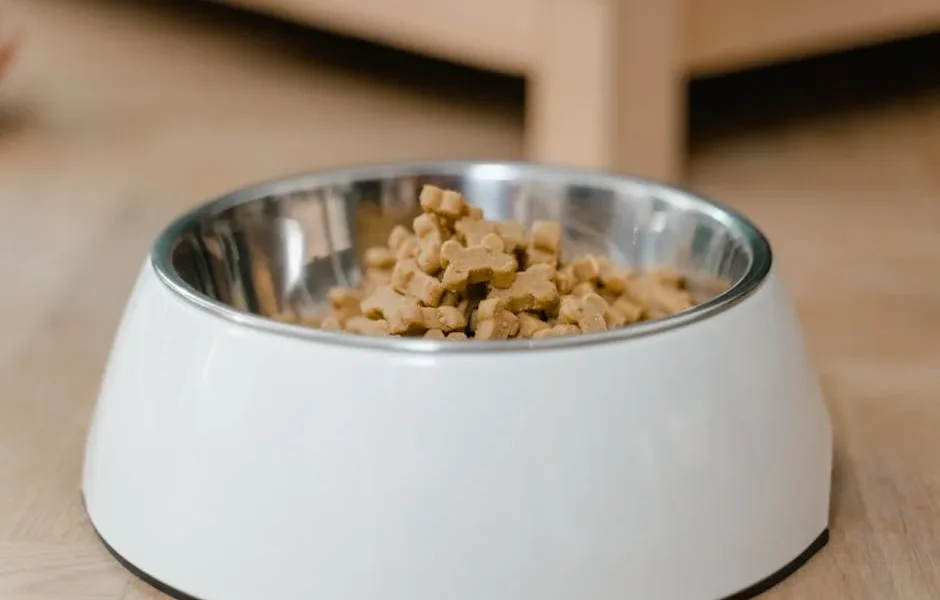
- Puppies and kittens need much more food than adults. They need up to twice the calories per pound. They also need specific nutrients for their brain, bones, and immune system.
- The first year of life is critical. Feeding mistakes during this time can cause lifelong problems. These include obesity, bone issues, and weak immunity.
- AAFCO-certified growth formulas are the safest choice for most young pets. Trendy diets like grain-free, raw, or homemade can be dangerous. They need careful vet supervision to avoid health problems.
I remember one case that showed me how important early nutrition is. A family brought in their six-month-old Great Dane puppy. He was gorgeous and already huge. But he could barely walk.
They had been giving him extra calcium tablets. They were also feeding him large-breed puppy food. They thought “big dogs need big bones.” But they actually created a serious bone growth problem. His growth plates were damaged. That puppy would have mobility problems for life. All because of a well-meaning mistake during a critical growth period.
That’s why understanding Puppy & Kitten Nutrition: Building a Foundation for Lifelong Health 2025 matters so much. It’s not just theory. It’s about preventing permanent damage during the few months when nutrition matters most.
The stakes really are that high. And I see the same feeding mistakes over and over in my practice.
Why Growing Animals Are Nutritional Powder Kegs
Here’s what surprises most pet owners. A ten-pound puppy doesn’t need one-tenth the food of a hundred-pound dog. Not even close.
That puppy actually needs about twice as many calories per pound as an adult. Small breed puppies can need up to 50 calories per pound daily. Kittens during peak growth need 200-250 calories daily. That’s huge compared to their body size.
Why such high needs? They’re not just maintaining their bodies. They’re building entirely new tissues very fast. Brain development, bone formation, immune system growth, organ development. All happening at once.
Miss a critical nutrient during a specific growth window? You can’t make it up later.
The protein requirements tell the story. Kittens need 30-35% protein compared to 26% for adult cats. Dogs have similar higher needs.
And it’s not just quantity. The amino acid profile matters enormously. The 2024 AAFCO guidelines updated stricter requirements for specific amino acids. This includes taurine and methionine in growth formulas. We’ve learned how devastating even small deficiencies can be.
The DHA Difference Nobody Talks About
One nutrient deserves more attention: DHA. That’s docosahexaenoic acid. It’s an omega-3 fatty acid found mainly in fish oil.
Research over the past few years has been stunning. Studies show DHA during early development can improve cognitive function by up to 30%. It also helps trainability and eye health.
I recommend that clients look for puppy and kitten foods with added DHA from fish sources. The research is solid enough that I consider it essential, not optional.
Your kitten’s brain is developing its neural networks during those first months. Why wouldn’t you give it the building blocks we know improve that process?
The Great Breed Size Divide
If you have a Chihuahua puppy and your neighbor has a Mastiff puppy, you’re not just feeding different amounts. You’re dealing with completely different nutritional challenges.
Large and giant breed puppies face a particular danger. These are dogs that will hit over 50 pounds at maturity. They can develop developmental orthopedic disease.
Their rapid growth makes them vulnerable to skeletal problems. This happens if mineral ratios aren’t carefully controlled. Remember that Great Dane I mentioned? The issue is that excessive calcium during growth actually increases the risk of hip dysplasia. It also causes other joint problems by 30-40%.
Large breed puppy formulas have controlled calcium levels. Typically 0.7-1.2% on a dry matter basis.
Small breed puppies have the opposite problem. They mature faster. They burn calories like tiny furnaces. They can develop hypoglycemia if they go too long between meals.
They need calorie-dense food fed more frequently. Sometimes three to four times daily when very young.
For kittens, breed-specific concerns are less dramatic but still real. Maine Coons and other large cat breeds benefit from formulas supporting slower, steadier growth. Breeds prone to urinary crystals (like Persians) might need specific mineral profiles even as kittens.
The Commercial Food Question Everyone Asks
I’d estimate 60% of my puppy and kitten nutrition consults involve this question. “Should I be feeding raw/grain-free/homemade instead of that commercial garbage?”
Let’s unpack this. It matters.
First, not all commercial foods are created equal. But AAFCO-certified “complete and balanced for growth” formulas have something critical. They’ve been formulated to meet established nutritional standards. In many cases, they’ve been tested through feeding trials.
When you’re dealing with puppy and kitten nutrition, there’s little margin for error. That’s not nothing.
Grain-free diets? The hype has cooled considerably. Sales are down 15-20%. This started when the FDA investigated potential links to heart disease in dogs.
Most quality brands now include taurine supplementation. But honestly, unless your puppy has a diagnosed grain allergy (which is rare), there’s no compelling reason to go grain-free. Grains aren’t the enemy. Poor formulation is.
The Raw and Homemade Reality Check
Raw diets for puppies and kittens make me particularly nervous. Not because raw feeding is impossible to do correctly. But because the stakes are so high and the margin for error so small.
I’ve seen puppies on raw diets develop severe bone problems from calcium-phosphorus imbalances. I’ve seen kittens with taurine deficiency on homemade diets.
Can you feed a properly balanced raw or homemade diet to a growing animal? Technically, yes. But it requires consultation with a board-certified veterinary nutritionist. And no, that’s not the same as a “pet nutritionist” with online certification.
The few extra months of effort to feed a tested commercial growth formula is worth it. In my professional opinion, it dramatically reduces risk.
The fresh food delivery services have expanded their young animal lines. Some are actually formulated by veterinary nutritionists and meet AAFCO standards. If you want the “fresh food” feeling without the DIY risk, that’s a reasonable middle ground.
How Much, How Often, and When to Stop
The feeding guidelines on pet food bags confuse everyone. They give you a range that seems enormous.
Here’s why. Individual variation is massive. A high-energy Border Collie puppy might need the upper end of the range. A calm Bulldog puppy might need the lower end. And that ten-pound range on the bag might represent a difference of 200 calories.
My practical advice: start in the middle of the recommended range. Then assess body condition weekly.
You should be able to feel ribs easily but not see them prominently. Puppies and kittens should have a visible waist when viewed from above. If you’re not sure, veterinary guidance can help establish healthy growth patterns early.
Meal frequency matters too. Until about three months of age, puppies and kittens typically need three to four meals daily. From three to six months, you can usually drop to three meals. After six months, most can handle twice-daily feeding. Though some small breed dogs benefit from three meals throughout life.
The Transition Timeline
When to switch from puppy/kitten food to adult food? This is where size really matters.
Small breed dogs can transition around 9-12 months. Medium breeds around 12 months. Large and giant breeds should stay on puppy food until 18-24 months. They’re still growing.
For cats, the transition typically happens around 12 months.
The actual switch should be gradual. Mix increasing proportions of adult food over 7-10 days. This avoids digestive upset.
And if your kitten has been on a formula you’re happy with, check if the brand offers an adult version with similar ingredients. Sudden protein source changes are a common cause of diarrhea.
The Supplement Trap
Here’s a rule that’ll save you money. It may also save your pet from harm.
If you’re feeding a complete and balanced growth formula, you almost certainly don’t need to add supplements.
That calcium supplement? Dangerous for large breed puppies. That joint supplement? Unnecessary if the food already contains appropriate levels. That probiotic? Might be beneficial if your puppy has digestive issues. But it’s not a requirement for healthy animals eating quality food.
The exception: DHA supplementation if your chosen food doesn’t contain adequate levels. Though increasingly, quality puppy and kitten foods include it.
And certain medical conditions might require specific supplements. But that’s a veterinary decision, not a pet store recommendation.
The 2024 research on prebiotics and probiotics has been interesting. It shows about 40% improvement in digestive health markers and immune response in young animals. But we’re talking about formulas with these included. Not random supplements added to complete diets.
Common Mistakes That Haunt Me
Beyond the calcium-supplement disaster I mentioned earlier, here are the mistakes I see most often:
Starting adult food too early. Usually because someone reads that puppy food is “too rich” or causes rapid growth. Large breed puppy formulas are specifically designed to promote slow, steady growth. Switching to adult food early defeats that purpose.
Overfeeding. This is the big one. About 56% of dogs and 60% of cats in the US are overweight or obese. Overfeeding during puppyhood and kittenhood is a primary risk factor for lifelong obesity. A chubby puppy isn’t cute. It’s a future orthopedic and metabolic patient.
Rotating proteins too frequently. I see people switch foods every bag “for variety.” Before six months, this can actually increase food sensitivity risks. After six months, controlled exposure to diverse proteins might improve tolerance. But constantly switching young animals through trendy foods is unnecessary stress on developing digestive systems.
Ignoring body condition. The bag guidelines are starting points. Your individual puppy or kitten is the feedback mechanism. Regular veterinary checkups help catch growth problems early.
Special Situations Worth Mentioning
What about rescue puppies and kittens with unknown nutritional history? If they’re obviously malnourished, resist the urge to overfeed rapidly. Refeeding syndrome is real. Gradual increases under veterinary guidance are safer.
Picky eaters? Usually not actually picky. Usually trained by anxious owners who keep switching foods. Pick a quality food, stick with it, and don’t free-feed. Scheduled meals create appetite.
Medical conditions requiring therapeutic diets exist even in young animals. Puppies with congenital portosystemic shunts, kittens with FIP, animals recovering from parvovirus. These need specific nutritional support. But that’s specialty territory, not general advice.
Reading Labels Like a Professional
Want to know what I actually look for on a puppy or kitten food label?
First: the AAFCO statement. It should say something like “formulated to meet AAFCO nutrient profiles for growth.” Or “animal feeding tests using AAFCO procedures substantiate that [product] provides complete and balanced nutrition for growth.”
If it says “for intermittent or supplemental feeding only,” that’s not a complete diet.
Second: named protein sources. “Chicken meal” or “salmon” is better than generic “meat meal” or “fish meal.” The first several ingredients should be recognizable protein sources and whole food ingredients.
Third: appropriate fat levels. Puppies and kittens need more fat than adults. Look for at least 8-10% fat on a dry matter basis for dogs. 9-15% for cats.
Fourth: added DHA. I specifically look for this now.
What I don’t worry much about: ingredients that sound scary but are actually fine. Like “by-products,” which can be highly nutritious organ meats. Or the order of grains versus proteins after the first few ingredients. That’s marketing versus meaningful nutrition.
Final Thoughts
That Great Dane puppy I mentioned at the start? He ended up needing surgical correction and lifelong joint supplements. His family was devastated.
They’d done what they thought was best. They followed internet advice and the pet store employee who sold them the calcium supplements. The tragedy is that it was completely preventable with accurate information during a critical window.
Here’s what I want you to remember. Those first twelve months represent your one chance to build the foundation your pet will live on for the rest of their life. For giant breeds, that’s twenty-four months.
Feed an AAFCO-certified growth formula appropriate for your pet’s expected adult size. Don’t supplement complete diets. Monitor body condition, not just weight.
And when you’re uncertain, talk to your veterinarian. Or better yet, a board-certified veterinary nutritionist.
The good news? Get it right during those critical months, and you’ve given your pet an enormous head start. That’s worth way more than any boutique diet trend.
If you’re preparing for a new puppy or kitten, start by researching foods before bringing them home. If you’re adopting, ask about early training strategies that work alongside proper nutrition. The foundation you’re building now matters more than almost any health decision you’ll make later.
Sources & Further Reading
- Association of American Feed Control Officials (AAFCO) — Official pet food nutrient standards and labeling guidelines, updated 2024
- World Small Animal Veterinary Association (WSAVA) Global Nutrition Guidelines — Evidence-based nutritional recommendations for dogs and cats across all life stages
- Tufts University Veterinary Nutrition Service — Clinical nutrition resources and myth-busting from board-certified veterinary nutritionists
- Cornell Feline Health Center — Research and educational resources on kitten nutrition and feline developmental health
- American Kennel Club Nutrition Resources — Breed-specific puppy nutrition guidance and feeding recommendations