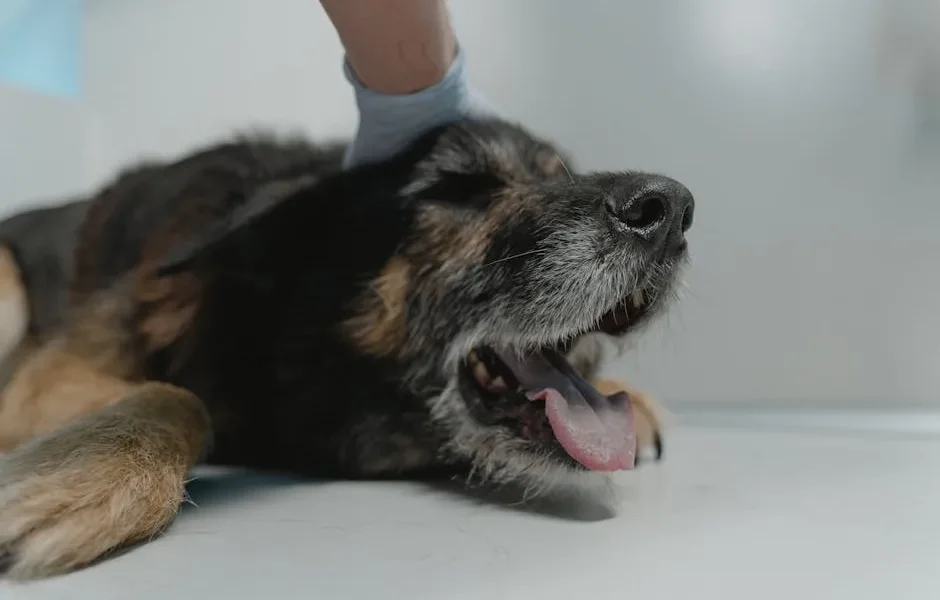
- Shock is a life-threatening emergency. Blood flow can’t reach tissues properly. Early treatment within the “golden hour” can improve survival rates from 50% to 80-90%
- Classic warning signs include pale or white gums. Also rapid heart rate (over 150 bpm in dogs, 200 in cats). Watch for weak pulse, low body temperature, and capillary refill time over 2 seconds
- Keep your pet warm, calm, and lying flat during transport. Never give food, water, or medication. This can make things worse or cause choking
I’ll never forget the German Shepherd who came through our doors at 11 PM on a Tuesday. His owner thought he was just “acting tired” after playing too hard. It turned out he had a ruptured spleen. He was in advanced shock. We saved him, but it was close. Too close.
That case taught me something important. I now tell every pet owner this: knowing how to recognize a Pet Shock Emergency is critical. Understanding how to keep your pet stable until vet care can literally mean the difference between life and death. Shock isn’t like the movies. It’s subtle at first. Then suddenly it’s not.
Let me walk you through what every pet owner needs to know about this critical emergency.
What Exactly Is Shock in Pets, and Why Is It So Dangerous?
Shock happens when your pet’s circulatory system can’t deliver enough oxygen-rich blood to vital organs and tissues. Think of it like a city losing power. Everything starts shutting down. If you don’t restore the supply quickly, permanent damage occurs.
There are four main types of shock we see in emergency medicine:
- Hypovolemic shock (the most common, about 60% of cases): severe blood or fluid loss from trauma, internal bleeding, or extreme dehydration
- Cardiogenic shock: the heart can’t pump effectively, often from heart failure or cardiac disease
- Distributive shock: blood vessels dilate abnormally, as seen in sepsis or severe allergic reactions
- Obstructive shock: something physically blocks blood flow, like bloat (GDV) or chest trauma
Here’s the scary part: untreated shock has a mortality rate over 50-70%. But here’s the good news. Early intervention can flip those odds completely. Survival can improve to 80-90%. The catch? You have to recognize it early.
How Can I Tell If My Pet Is Going Into Shock vs. Just Being Tired or Sick?
This is the question that keeps me up at night. Pets are masters at hiding symptoms until they absolutely can’t anymore. By the time shock becomes obvious, you’re often already in the dangerous late stage.
Here’s what to check right now if you’re concerned:
The Gum Color Test
Lift your pet’s upper lip and look at their gums. Normal gums are bubble-gum pink and moist.
In shock, they turn pale pink, white, gray, or sometimes brick red (in early distributive shock). This is your fastest visual indicator.
Capillary Refill Time (CRT)
Press firmly on your pet’s gums for two seconds, then release. The white spot should return to pink in less than 2 seconds.
If it takes longer—or happens almost instantly (less than 1 second)—that’s abnormal. It suggests shock.
Heart Rate and Pulse Quality
You can feel your dog’s pulse on the inner thigh where the leg meets the body. Or on the inside of the wrist on the front leg. In cats, the femoral pulse on the inner thigh works best.
A normal resting heart rate is 60-140 bpm for dogs. For cats, it’s 140-220. In shock, you’ll see rates over 150 in dogs or 200 in cats. The pulse feels weak, thready, or barely detectable.
Body Temperature
Pets in shock often feel cold to the touch. Check their ears, paws, and tail especially. If you have a rectal thermometer, anything below 99°F (37.2°C) is concerning.
Above 104°F can also indicate distributive shock from sepsis or heatstroke.
Mental State Changes
This is where “tired” becomes “something’s really wrong.” Shock causes:
- Profound lethargy or unresponsiveness
- Disorientation or not recognizing you
- Inability to stand or walk
- Rapid, shallow breathing or panting when at rest
Trust your gut here. You know your pet. If something feels off beyond normal tiredness, don’t talk yourself out of it.
What Are the Most Common Causes That Lead to Shock?
Knowing what commonly triggers shock helps you recognize high-risk situations faster. Trauma-related shock represents 30-40% of emergency visits. But it’s not always obvious trauma.
Severe blood loss tops the list. This includes being hit by car, dog fights, falling from heights, or internal bleeding from tumors. I’ve seen pets walk into the ER looking okay-ish with a belly full of blood.
Bloat (GDV) in dogs is another big one. It’s particularly common in large, deep-chested breeds. Think Great Danes, German Shepherds, and Standard Poodles. The stomach twists, cutting off blood flow. This causes rapid deterioration into shock. This is a “drive immediately” emergency. You have minutes to hours, not days.
Severe dehydration from vomiting, diarrhea, or heatstroke can progress to hypovolemic shock fast. This is especially true in small dogs under 20 pounds. They have less blood volume to begin with.
Anaphylactic reactions to bee stings, vaccines, or medications can trigger distributive shock within minutes. You’ll see facial swelling, hives, vomiting, and collapse.
Sepsis from severe infections causes distributive shock that develops over hours to days. This includes pyometra in unspayed females, pneumonia, and abdominal infections.
The common thread? These aren’t always dramatic, obvious emergencies at first. That’s why understanding what qualifies as a true pet emergency matters so much.
What Should I Do Immediately If I Suspect My Pet Is in Shock?
The “golden hour” principle applies here. Intervention within 60 minutes significantly improves outcomes. Every 10-minute delay decreases survival rates by approximately 10%. So let’s make those minutes count.
First: Call Ahead to the Emergency Vet
While you’re preparing to transport, have someone call the emergency clinic. This way they can prepare for your arrival. Many now offer telemedicine triage via video. This can guide you through immediate assessment.
Keep Your Pet Warm
Wrap them in blankets or towels. Shock causes hypothermia. This worsens the condition.
Don’t use electric heating pads or hot water bottles directly against the skin. You can cause burns when circulation is compromised. Just use gentle ambient warmth.
Position Matters
Keep your pet lying on their right side with their head level or slightly elevated. This position optimizes blood flow.
If they’re vomiting, keep the head slightly elevated. This prevents aspiration.
What NOT to Do (This Is Critical)
Do NOT give:
- Food or water (aspiration risk and can worsen certain types of shock)
- Medications, including over-the-counter pain relievers
- Anything by mouth if they’re vomiting or unconscious
Do NOT delay transport to “see if they improve.” They won’t. Shock requires veterinary intervention. This means IV fluids, oxygen, medications, and blood transfusions. There’s no home remedy.
Minimize Stress During Transport
Keep handling gentle and movement minimal. Excessive jostling or stress can worsen shock.
Have someone hold them steady in the back seat if possible. Don’t put them in a crate. This way you can monitor breathing and consciousness.
Drive safely but quickly. I know that sounds contradictory. But getting into an accident helps no one.
Can Shock Happen Suddenly, or Does It Develop Over Time?
Both, actually. And this is where things get tricky.
Anaphylactic shock from a severe allergic reaction can develop within minutes. You go from normal to collapsed almost instantly. Same with acute blood loss from major trauma or a ruptured organ.
But many types of shock develop gradually over hours or even days. Your pet’s body compensates initially. It does this through increased heart rate, constricted blood vessels, and other mechanisms. They might seem “off” but not critical. Then suddenly, the compensatory mechanisms fail. They crash into decompensatory shock.
This is why early warning signs matter so much. If you notice pale gums, increased heart rate, or lethargy in a pet who’s been sick with vomiting or diarrhea for 24-48 hours, don’t wait for dramatic collapse. That’s early shock. It’s your window for intervention.
Small dogs and brachycephalic breeds are particularly vulnerable. Think bulldogs, pugs, and Persian cats. They have lower blood volume and compromised respiratory function. What might take 6 hours to progress to critical in a Labrador might take 2 hours in a Chihuahua.
Are Certain Pets at Higher Risk for Shock?
Absolutely. After 15 years in emergency medicine, I can tell you we see patterns.
Small breed dogs (under 20 lbs) deteriorate faster. This is due to limited blood volume. They simply have less reserve capacity.
Large, deep-chested dogs are at significantly higher risk for GDV/bloat. This includes Great Danes, Weimaraners, Irish Setters, and German Shepherds. Bloat causes rapid-onset obstructive shock.
Brachycephalic breeds struggle with shock. Their compromised airways make oxygen delivery even more difficult when circulation is failing.
Senior pets often have underlying cardiac disease or reduced organ function. This makes them less resilient when shock occurs.
Unspayed female dogs face risk of pyometra (uterine infection). This can progress to septic shock.
Puppies and kittens can’t regulate body temperature well. They become hypothermic quickly in shock.
If your pet falls into any of these categories, be extra vigilant about early warning signs. Consider evaluating whether your vet offers specialized emergency care or has a solid relationship with an emergency referral hospital.
What Happens After Emergency Treatment for Shock?
This is something pet owners rarely ask but should understand. Shock treatment isn’t a quick fix. It’s intensive and ongoing.
Initially, we’re focused on resuscitation. This means aggressive IV fluid therapy, oxygen supplementation, and blood pressure support with medications. Sometimes blood transfusions. We’re monitoring continuously. We check heart rate, blood pressure, oxygen levels, body temperature, urine output, and blood glucose.
The first 24-48 hours are critical. Even with successful initial stabilization, complications can develop. This includes kidney failure from prolonged poor perfusion. Also disseminated intravascular coagulation (DIC) and acute respiratory distress syndrome (ARDS). Or systemic inflammatory response.
Most pets require hospitalization for 2-5 days minimum. Sometimes longer depending on the underlying cause. For example, a dog with GDV needs emergency surgery. Plus several days of post-operative intensive care.
Recovery at home involves strict rest, medications, and close monitoring. You’ll need to watch for warning signs of relapse or complications. Your vet will likely want recheck appointments. They’ll assess organ function through blood work. This is similar to what blood work reveals about your pet’s health.
Cost-wise, shock treatment typically runs $1,500-$5,000+. It depends on severity and length of hospitalization. This is where having financial preparation through insurance or savings accounts becomes invaluable.
Final Thoughts
Recognizing shock in your pet isn’t about becoming a veterinarian overnight. It’s about knowing the handful of critical signs that should trigger immediate action.
Pale gums, weak rapid pulse, cold extremities, and altered consciousness are your red flags. When you see them, you move. Fast.
Here’s what I want you to do today: take 30 seconds right now to check your pet’s normal gum color. Practice finding their pulse. Seriously, put this article down and do it.
When an emergency happens, you won’t have time to figure out what “normal” looks like. You need that baseline now.
Save your emergency vet’s number in your phone. Know where the closest 24-hour facility is. Know how long it takes to get there. These small preparations make all the difference when seconds count.
And if you’re ever standing there wondering “Is this serious enough to go to the ER?”—the answer is yes. I’d rather see you for something minor than not see you at all for something critical.
Sources & Further Reading
- Veterinary Emergency and Critical Care Society — Professional organization providing guidelines and standards for emergency veterinary medicine and shock management protocols
- American Veterinary Medical Association Emergency Care Resources — Evidence-based pet owner guidance on recognizing and responding to veterinary emergencies including shock
- RECOVER Initiative (Reassessment Campaign on Veterinary Resuscitation) — Updated clinical guidelines for CPR and emergency stabilization in veterinary patients
- American Red Cross Pet First Aid — Educational resources for pet owners on emergency first aid and vital sign assessment
- Today’s Veterinary Practice: Emergency Medicine & Critical Care — Peer-reviewed clinical information on emergency veterinary medicine and shock treatment advances