
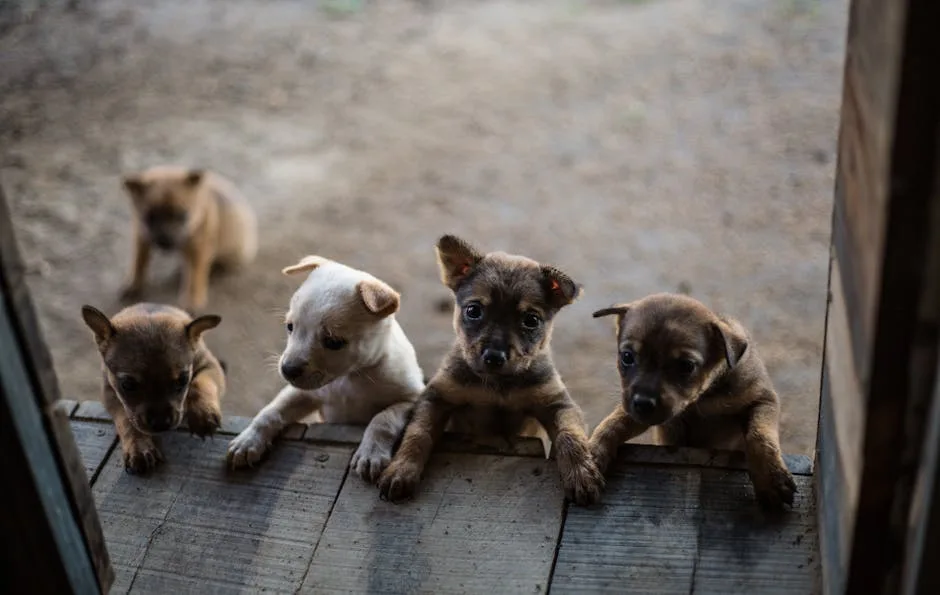
- Puppies learn best between 3-14 weeks of age. This is when they form lasting views about their world. Missing this time can cause lifelong behavior problems.
- Not socializing your puppy is riskier than disease exposure. Vets say to start socialization one week after first shots, before all vaccines are done.
- Quality matters more than quantity. Puppies need positive, safe exposure to different people, animals, places, and handling. Not just any exposure.
I’ll never forget one dog who came to our clinic last year. He was 18 months old. He was a Lab mix. He shook so hard during his exam that we had to reschedule. We had to sedate him for the next visit.
His owner was heartbroken. She told me she kept him home until he was fully vaccinated at 16 weeks. She wanted “to keep him safe.” She did everything right to prevent disease. But for his behavior? We’d missed the boat.
Understanding How to Socialize Your New Puppy: Veterinary Behavioral Milestones is important. It’s not just about raising a friendly dog. It’s about preventing behavior problems. These problems are the top reason dogs under three years old end up in shelters.
The challenge is real. How do you protect a puppy from diseases? And at the same time, make sure they don’t become a fearful adult? Every new puppy owner faces this question. Veterinary advice has changed a lot over the past ten years.
The Science Behind the Critical Socialization Window
Here’s what we know from research. Puppies have a critical socialization period. It happens between 3 and 14 weeks of age.
During this short window, their brains absorb information about the world. They have very little fear response. They’re learning machines. They form impressions that stick with them for life.
Think of it like a software update that only runs once. Miss the installation window? You’re stuck with outdated programming forever.
The American Veterinary Society of Animal Behavior (AVSAB) has taken a strong position. The risks of poor socialization are worse than disease risks in partly vaccinated puppies.
Their research shows something important. Behavior problems kill more dogs under three years old than infectious diseases. That’s because these problems lead to dogs being surrendered and euthanized.
Why 3-14 Weeks Matters So Much
During this stage, puppies are ready to accept new experiences as normal and safe. Their fear response hasn’t fully developed yet.
This sounds risky. But it’s actually evolutionary genius. It allows them to learn about their environment without being paralyzed by anxiety.
After 14 weeks? The window doesn’t slam shut completely. But it definitely starts closing.
Puppies become more cautious. They’re more suspicious of new things. New experiences require more work. You need more positive reinforcement. You need more repetition to create the same level of comfort.
But there’s a complication. Puppies experience a fear period between 8-11 weeks. During this stage, they’re more sensitive to scary experiences. A single bad event can leave a lasting impression.
This means socialization during the critical window requires thoughtfulness. Not just exposure.
The Vaccination Dilemma: Disease Risk vs. Behavioral Risk
Let’s address the elephant in the exam room. Your puppy won’t complete their vaccine series until around 16 weeks old. The critical socialization window closes around 14 weeks.
See the problem?
For years, veterinarians erred on the side of caution. They told owners to keep puppies home until fully vaccinated. This approach was well-intentioned. But we’ve learned it creates a different kind of health crisis. A behavioral one.
The current veterinary behavioral consensus? Start socialization at 7-8 weeks old. That’s one week after the first round of vaccinations. Yes, before the series is complete.
The key is doing it intelligently.
Safe Socialization for Partially Vaccinated Puppies
You can absolutely socialize a young puppy while minimizing disease risk. Here’s how we recommend it:
Controlled environments first. Enroll in puppy socialization classes. Look for classes that require proof of vaccination and health screening for all participants. These classes provide ideal early socialization opportunities.
Choose your surfaces wisely. Avoid areas where unvaccinated dogs gather. This means dog parks, pet store floors, and busy public sidewalks.
Instead, carry your puppy through stores. Take them to friends’ homes with vaccinated dogs. Let them explore your yard and driveway.
Invite the world to come to you. Your home is a safe zone. Invite diverse groups of people over. Kids, teenagers, elderly folks. People in wheelchairs. People wearing hats and sunglasses.
Veterinary behaviorists recommend exposure to about 100 different people during the first 12 weeks of life.
Car socialization works brilliantly. Drive to different locations. Park. Let your puppy observe from the safety of your vehicle or your arms. They’re experiencing new sights, sounds, and smells. But they’re not touching contaminated surfaces.
Developmental Milestones: A Week-by-Week Framework
Socialization isn’t random exposure. It’s a structured process. It aligns with your puppy’s developmental stages.
Here’s what we look for at different ages:
3-5 Weeks (Usually Still with Mother and Littermates)
This is the breeder’s responsibility. But it matters.
Puppies should be handled gently by humans. They should be exposed to mild household noises. They’re learning bite inhibition from their mother and siblings.
Responsible breeders start early neurological stimulation during this period.
7-9 Weeks (Your Puppy Comes Home)
The adventure begins. Focus on:
- Positive handling—touching paws, ears, tail, mouth
- Introduction to household sounds (vacuum, doorbell, TV, kitchen noises)
- Meeting immediate family and close friends
- Exploration of safe indoor and yard spaces
- First vet visit focused on positive experience
Remember that fear period we mentioned? It often kicks in around 8 weeks. Go slow.
If your puppy shows hesitation, don’t force interaction. Let them approach new things at their own pace. Reward brave behavior.
9-12 Weeks (Peak Socialization Period)
This is go-time. Your puppy should experience:
- Different types of people (children, men with beards, people in uniforms)
- Various surfaces (grass, concrete, gravel, wood, tile, carpet)
- Different environments (friend’s homes, parking lots, outdoor cafes)
- Other vaccinated, healthy dogs of different sizes
- Car rides to multiple locations
- Gentle grooming experiences (brushing, nail touching, simulated ear cleaning)
We often recommend “The Rule of 12s.” Expose puppies to 12 different surfaces. 12 different objects. 12 different locations. 12 different sounds. 12 different people types.
It’s a framework, not a strict requirement. But it helps ensure variety.
12-16 Weeks (Adolescence Approaches)
Continue everything from earlier weeks. But now you can expand to more public environments. Vaccination protection is increasing.
This is also when preventive care routines like dental care handling should become part of your routine.
Start working on:
- Confidence in busier environments
- Polite greetings with strangers
- Tolerance of restraint and handling for vet visits
- Exposure to grooming equipment (nail clippers, clippers, dryers)
Quality Over Quantity: Recognizing Positive Socialization
Here’s where many well-meaning owners go wrong. They think socialization means maximum exposure to everything, immediately.
But veterinary behaviorists emphasize something different. Quality trumps quantity every time.
A single frightening experience during the critical window can do more harm than dozens of positive ones do good.
So how do you ensure your socialization efforts are helping, not hurting?
Reading Your Puppy’s Body Language
Learn to recognize stress signals:
- Whale eye (showing whites of eyes)
- Lip licking or yawning when they’re not sleepy
- Tucked tail or lowered body posture
- Backing away or hiding behind your legs
- Refusal to take treats they’d normally devour
These signals mean slow down or stop. Your puppy isn’t ready for this particular experience yet. That’s okay.
Back up. Increase distance. Try again another day with a gentler approach.
The Gold Standard: Happy, Curious Engagement
Positive socialization looks like:
- Loose, wiggly body language
- Willingness to approach new things
- Play bows and asking for interaction
- Readily accepting treats
- Quick recovery from startling events
Your goal isn’t just exposure. It’s creating positive emotional associations.
This is where high-value treats become your best friend. Pair new experiences with really good things. Chicken, cheese, whatever makes your puppy’s tail wag.
Beyond People: Environmental and Object Socialization
Socialization isn’t only about meeting other dogs and people. Environmental confidence matters just as much.
Puppies need exposure to different surfaces and textures. A dog who’s only ever walked on carpet may struggle with slick tile floors or metal grates.
We see this in veterinary practice constantly. Dogs whose nails have never been trimmed. Dogs who’ve never been on a metal exam table. Dogs who panic at the sensation of a slick floor.
Introduce your puppy to:
- Stairs, ramps, and elevated surfaces
- Different flooring types
- Moving objects (shopping carts, strollers, bicycles)
- Umbrellas, bags, wheelchairs, crutches
- Household appliances in operation
Sound desensitization deserves special mention. Play recordings of thunderstorms, fireworks, sirens, and city traffic. Start at very low volumes during positive activities like meals and play.
Gradually increase volume over weeks. This simple exercise can prevent noise phobias. These are very difficult to treat in adult dogs.
Breed-Specific Considerations
Not all puppies mature at the same rate. Large and giant breed dogs may have slightly extended socialization windows. Sometimes up to 16 weeks. Small breed dogs often mature faster.
Breed temperament also influences socialization needs.
Herding breeds may require extra work around motion sensitivity. Bikes, joggers, kids running.
Guardian breeds benefit from extensive positive exposure to strangers during the critical window. They have a genetic predisposition to wariness.
Terriers need particular attention to appropriate play with other dogs. Their high prey drive can complicate social interactions.
Your veterinarian can provide breed-specific guidance. This is also when consulting a veterinary behaviorist might be valuable. Especially if your puppy’s breed has particular behavioral considerations.
The Second Fear Period: What to Expect
Just when you think you’ve nailed this socialization thing, adolescence hits. Between 6-14 months, puppies experience a second fear period. Timing varies by breed and individual.
Suddenly, your confident puppy may become suspicious of things they previously ignored. A trash can that’s always been there. A person wearing a hood. A noise they’ve heard a hundred times.
It’s developmentally normal. But it can be alarming for owners.
Don’t panic. Don’t force interaction. Return to the same gentle, positive approach you used during early socialization.
This phase passes. But how you handle it matters. Punishment or forced exposure during fear periods can create lasting problems.
Special Circumstances: Late Adoption and Under-Socialized Puppies
What if you adopted an older puppy? What if you missed the critical window? What if your puppy came from a shelter or rescue with unknown early history?
The honest answer: it’s harder, but not hopeless.
The brain remains plastic throughout life. You can still create positive change. It just requires more patience and often professional help.
For under-socialized or fearful puppies past the critical window:
- Work with a certified veterinary behaviorist or certified professional dog trainer who uses positive reinforcement methods
- Go slow—really slow. We’re talking weeks or months of gradual desensitization
- Consider anxiety medication as a tool during behavior modification (yes, this is legitimate and sometimes necessary)
- Set realistic expectations. Some dogs will always be more reserved or cautious
The goal shifts. You’re not trying to create a bomb-proof social butterfly. You’re developing a dog who can cope with their environment without constant fear or reactivity.
That’s still a win.
Cooperative Care: Preparing for a Lifetime of Vet Visits
Here’s something we wish every puppy owner understood. Veterinary visit preparation is socialization. And it’s some of the most important work you’ll do.
Research from Fear Free veterinary programs shows something important. Puppies who receive handling and mock exam practice during their critical socialization period show 60% less stress during actual veterinary appointments.
That’s huge. Not just for your dog’s emotional wellbeing. But for their physical health too. A dog who tolerates examination allows for better medical care throughout their life.
Practice at home:
- Gently handle paws, lifting each one and holding for a few seconds
- Look in ears and mouth
- Run your hands over their entire body, including belly and tail
- Practice restraint positions (standing for exam, lying on side)
- Touch them with different objects (thermometer, brush, stethoscope)
Pair every handling session with treats and praise. Make it a game.
Your veterinary team will thank you. And your adult dog will actually tolerate necessary medical procedures without sedation.
This also applies to grooming. If your breed requires professional grooming, start introducing those sensations early. The sound of clippers. The sensation of brushing. The experience of having paws held for extended periods.
All of this should be normalized during the socialization period. Not encountered for the first time at six months old when they’re bigger and stronger.
The Post-Pandemic Reality: Learning from Recent Behavioral Trends
We’re now seeing the long-term effects of the 2020-2021 “pandemic puppy” phenomenon.
Veterinary behaviorists are reporting unprecedented numbers of dogs with severe socialization deficits. These dogs are now 3-5 years old. They’re struggling with basic life experiences because they missed critical early exposure during lockdowns.
This has reinforced what we already knew. Early socialization isn’t optional or nice-to-have. It’s fundamental to canine welfare.
The dogs who missed it are suffering. Their owners are struggling. And in too many cases, these behavioral issues have led to relinquishment.
The silver lining? This crisis has driven innovation in puppy socialization support. Digital tools. Sound desensitization apps. Virtual puppy training classes. These have expanded access to guidance.
While these can’t replace real-world exposure, they’re valuable supplements. Especially for owners in rural areas or those with limited resources.
Practical Implementation: Your Week-by-Week Action Plan
Let’s make this concrete. Here’s what a realistic socialization schedule might look like:
Week 1 at Home (7-8 weeks old)
- Day 1-2: Let puppy acclimate to home, meet immediate household members
- Day 3-4: Introduce to 2-3 trusted friends, practice gentle handling
- Day 5-7: First vet visit, car rides, exposure to household sounds
Week 2-3 (8-9 weeks old)
- Puppy class enrollment (look for classes requiring vaccination)
- 3-4 new people per week with diverse characteristics
- Daily exploration of different surfaces at home and yard
- Controlled exposure to one friendly, vaccinated adult dog
Week 4-6 (9-11 weeks old)
- Car trips to safe locations (parking lots, drive-throughs)
- Invitation-only gatherings at home with new people
- Introduction to grooming tools and handling exercises
- Continued puppy class attendance
- Beginning of basic nutrition and care routines that become lifelong habits
Week 7-12 (12-16 weeks old)
- Expanded public outings as vaccine protection increases
- Introduction to various environments (suburban, urban, rural)
- Practice with grooming facilities or vet clinics for “happy visits”
- Continued meeting of diverse people and safe dogs
Adjust this based on your puppy’s temperament and responses. Confident puppies may progress faster. Cautious puppies need more time at each stage.
When to Seek Professional Help
Sometimes, despite your best efforts, a puppy struggles.
Signs that warrant professional consultation with a veterinary behaviorist:
- Extreme fear responses that don’t improve with gentle exposure
- Aggressive reactions toward people or other animals
- Panic or complete shutdown in new situations