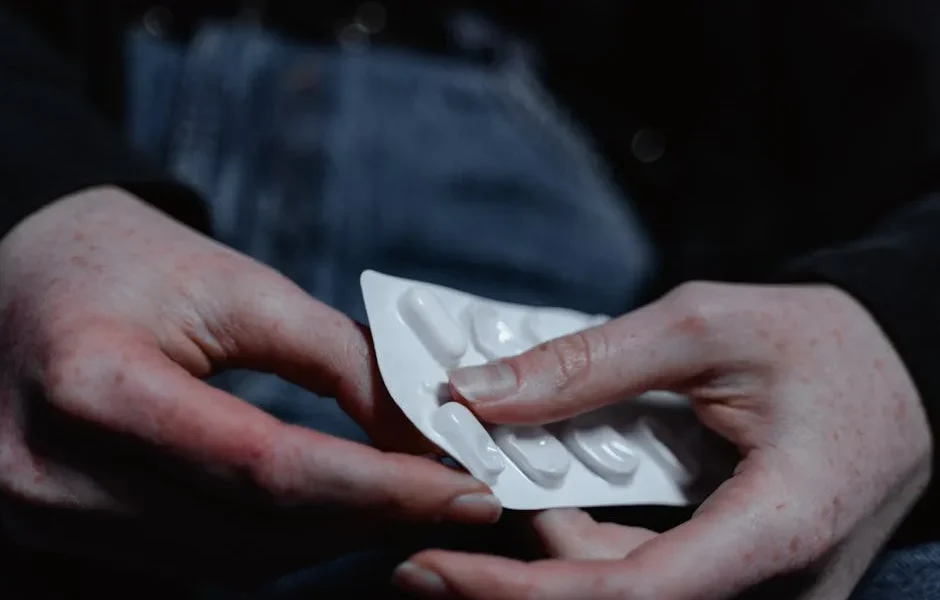
- Gabapentin is a popular medication for managing chronic pain, anxiety, and seizures in dogs and cats
- Studies show gabapentin can reduce stress in cats by about 40% when given before vet visits
- Always check liquid forms for xylitol. This ingredient is toxic to dogs. The FDA warned about this in 2024
- Side effects like sleepiness and wobbling are common at first. They usually go away within 24-48 hours
- Pets with kidney disease need lower doses. Never stop gabapentin suddenly after long-term use
Are you researching Gabapentin for Pets: Pain & Anxiety Management Guide 2025? You probably have a dog or cat who is uncomfortable or stressed.
Maybe your older dog is slowing down from arthritis pain. Or your cat panics at the sight of a carrier.
I’ve prescribed gabapentin many times over the years. It’s become one of my go-to tools. It helps improve quality of life in pets with chronic conditions or anxiety.
Here’s what makes gabapentin interesting: it wasn’t originally designed for pets at all. This human medication has found a second life in veterinary medicine. The results have been impressive.
But like any medication, it works best when you understand what it does. You need to know how to use it safely and what to expect. Let’s walk through everything you need to know.
1. What Gabapentin Actually Does in Your Pet’s Body
Gabapentin affects how nerve signals travel through your pet’s nervous system. Think of it as turning down the volume on pain and anxiety messages. It does this before they reach the brain.
It binds to calcium channels in nerve cells. This reduces the release of chemicals that amplify discomfort and stress.
What’s particularly useful is gabapentin’s versatility. NSAIDs only address inflammation-related pain. Gabapentin tackles nerve pain. This is the kind caused by damaged nerves. It’s very difficult to treat.
It also has anti-anxiety properties. But it doesn’t cause heavy sedation like some tranquilizers. This makes it valuable for everything from chronic arthritis to pre-vet visit jitters.
The medication has a short half-life. That’s about 3-4 hours in dogs and 2-3 hours in cats.
This means it gets in and out of the system fairly quickly. This is both good and challenging. The good: fewer long-term buildup concerns. The challenging: it requires multiple daily doses for continuous effect.
Most pets process gabapentin through their kidneys. This becomes important if your pet has any kidney issues.
2. Common Conditions Veterinarians Treat with Gabapentin
Osteoarthritis is probably the number one reason I prescribe gabapentin for dogs.
When combined with other pain management strategies, it significantly improves mobility and comfort in aging pets.
I’ve seen 12-year-old dogs who could barely get up start playing again. This happened after a few weeks on a treatment plan that includes gabapentin.
For cats, the game-changer has been using gabapentin for veterinary visit anxiety.
Research published in the Journal of the American Veterinary Medical Association showed important results. There was a roughly 40% reduction in stress levels. This happened when cats received gabapentin 90 minutes before their appointment.
That’s huge. We’re talking about cats who actually tolerate their exam. No more requiring three technicians and a towel burrito situation.
Other common uses include:
- Intervertebral disc disease in dogs
- Cancer-related pain
- Post-surgical discomfort
- Nerve damage conditions
- Feline idiopathic cystitis (where stress plays a major role)
Gabapentin’s also prescribed for seizure disorders. But typically as an add-on medication rather than a first-line treatment.
If you’re dealing with any of these issues, you might want to read more about when specialist care becomes necessary.
3. Proper Dosing Guidelines and Administration Tips
Dosing varies considerably based on what you’re treating.
For dogs, typical ranges are 5-30 mg/kg every 8-12 hours for pain management.
Cats generally receive 5-10 mg/kg every 8-12 hours.
But here’s the thing — these are broad ranges. Your vet will tailor the dose to your specific pet’s needs, condition, and response.
Pre-appointment anxiety dosing is different. We typically recommend giving cats 50-100 mg (total dose, not per kilogram) about 90 minutes before you leave home.
Some pets need a test run first. The sedation can vary.
I always tell clients to do a trial dose on a weekend when you’re home. This lets you observe how your pet responds.
Gabapentin can be given with or without food. Giving it with a small meal may reduce the chance of stomach upset.
If you’re using capsules and need a smaller dose, you can open them. Mix the powder with a bit of wet food. Just use it immediately since the powder is quite bitter.
Liquid formulations are easier for precise dosing in small pets. But here’s the critical warning:
Always verify that liquid gabapentin doesn’t contain xylitol. This ingredient is extremely toxic to dogs.
The FDA has raised serious concerns about this in compounded formulations. It’s something we’re very vigilant about in 2025.
4. Side Effects: What’s Normal and What’s Not
Sedation is the most common side effect. This is especially true during the first few days.
Your pet might seem drowsy, a bit “out of it,” or just more relaxed than usual.
Ataxia is also typical initially. That’s the wobbly, uncoordinated walk. I describe it to clients as looking like your pet had a couple glasses of wine.
It sounds concerning, but it usually resolves within 24-48 hours. This happens as their body adjusts.
These effects are dose-dependent. Higher doses produce more pronounced sedation.
If your pet seems excessively groggy or can’t walk safely, contact your vet about adjusting the dose. Starting low and increasing gradually often prevents these issues.
Some pets also experience increased appetite. Mild stomach upset like vomiting or diarrhea can occur, though these are less common.
Serious side effects are rare but possible. Watch for:
- Severe lethargy (can’t be roused)
- Difficulty breathing
- Signs of an allergic reaction like facial swelling or hives
These require immediate veterinary attention.
If you’re ever unsure about whether symptoms warrant emergency care, check out our guide on when to seek emergency veterinary services.
5. Important Safety Considerations and Drug Interactions
Kidney disease is the big one.
Gabapentin is eliminated primarily through the kidneys. Pets with kidney problems need lower doses and more careful monitoring.
Your vet will likely recommend baseline bloodwork before starting gabapentin. This is especially true for senior pets.
We’re not being overly cautious. We’re being appropriately cautious.
Drug interactions matter too.
Gabapentin can enhance the sedative effects of other medications. This includes opioids, benzodiazepines, or certain antihistamines.
That doesn’t mean they can’t be used together. They often are, intentionally. But your vet needs to know about every medication and supplement your pet takes. Even over-the-counter products can interact.
Here’s something many pet owners don’t realize: you cannot stop gabapentin suddenly after long-term use.
Abrupt discontinuation can potentially trigger withdrawal seizures. This can happen even in pets who’ve never had seizures before.
If you need to stop gabapentin, your vet will create a tapering schedule. This gradually reduces the dose over a week or two. Never just run out of medication without having a plan in place.
6. Using Human Gabapentin vs. Veterinary Formulations
Technically, yes, you can use human gabapentin prescribed by a veterinarian for your pet. The medication itself is identical.
Many veterinary prescriptions are actually filled with human generic gabapentin. It’s more affordable and readily available.
We’re talking about generic capsules or tablets that cost $15-40 monthly. This depends on your pet’s size and dose.
However — and this is important — never give your pet leftover human gabapentin without veterinary guidance.
Dosing is completely different. What’s safe for you might be completely inappropriate for your 15-pound cat.
Plus, there’s that xylitol issue with liquid formulations. Some human liquid gabapentin contains xylitol as a sweetener. This causes life-threatening low blood sugar and liver failure in dogs.
Veterinary-specific formulations are emerging in 2024-2025. They often have flavoring to improve taste.
These can be worth the extra cost if you’re struggling to get your pet to take medication.
Some compounding pharmacies create custom-flavored versions. Think chicken, fish, or beef flavors that pets actually enjoy.
Just make sure any compounded medication comes from a reputable pharmacy. They need to understand veterinary-specific safety concerns.
7. Combining Gabapentin with Other Pain Management Strategies
Gabapentin really shines as part of a multimodal approach.
For chronic pain, we rarely rely on just one medication.
A typical osteoarthritis protocol might include:
- Gabapentin for nerve pain
- An NSAID for inflammation
- Joint supplements like glucosamine
- Physical therapy or weight management
This approach works because different medications target different pain pathways.
NSAIDs reduce inflammation at the source. Gabapentin modifies how pain signals are processed. Supplements support joint health long-term.
Together, they often provide better relief with lower doses of each medication. This means fewer side effects.
Non-pharmaceutical strategies matter too.
Weight management is huge for arthritic pets. Every extra pound puts additional stress on painful joints.
Physical therapy, acupuncture, laser therapy all help. Even simple environmental modifications contribute to comfort. Think ramps, orthopedic beds, and raised food bowls.
Gabapentin handles the neurological component. These other strategies address the physical and environmental factors.
For cats specifically, reducing stress through environmental enrichment can dramatically improve conditions. This is especially true where pain and anxiety overlap.
This is why many owners eventually consider specialized feline veterinary care.
8. How to Monitor Effectiveness and Adjust Treatment
Measuring pain relief isn’t as straightforward as taking a temperature.
You need to watch for functional improvements. Is your dog more willing to climb stairs? Is your cat grooming again? Are they more interactive and playful?
These behavioral markers tell us whether the medication is working.
I recommend keeping a simple pain journal for the first few weeks.
Note:
- Mobility levels
- Appetite
- Sleep quality
- Interaction with family
- Any behaviors that indicate discomfort (panting, restlessness, reluctance to be touched)
Take short videos of your pet walking or playing. You’d be surprised how helpful it is to compare footage from week one to week four.
Give any new gabapentin regimen at least 5-7 days to assess effectiveness.
Some benefits appear immediately. But optimal pain relief often builds over the first week. This happens as steady medication levels establish.
If you’re not seeing improvement after two weeks at the prescribed dose, contact your vet.
They might adjust the dose, change the frequency, or add complementary medications. Pain management is always individualized. What works beautifully for one pet might need tweaking for another.
9. Pre-Veterinary Visit Protocol: Step-by-Step
This has become one of my favorite uses for gabapentin. It genuinely transforms the veterinary experience for anxious cats (and occasionally dogs).
Here’s the protocol we recommend:
Give 50-100 mg of gabapentin to your cat approximately 90 minutes before you need to leave home. Not right before. Timing matters.
Do a trial run first.
Give the dose on a weekend morning. Observe your cat for the next 4-6 hours.
You’ll see how sedated they become. You’ll see how long it lasts. You’ll know whether the dose needs adjusting.
Some cats get pleasantly relaxed. Others get quite sleepy. Better to discover this at home than when you’re running late for an appointment.
On appointment day, keep everything low-key.
Don’t bring out the carrier until you’ve given the medication time to work.
Once your cat seems calmer, gently place them in the carrier with a familiar-smelling blanket.
The gabapentin won’t eliminate all stress. But it takes the edge off enough that the exam becomes manageable.
Many of my feline patients actually tolerate nail trims and blood draws. These would have been impossible without pre-medication.
This approach works especially well for cats who’ve had traumatic veterinary experiences in the past.
Final Thoughts
Gabapentin has genuinely changed how we manage pain and anxiety in veterinary medicine.
It’s not a miracle drug — nothing is. But it’s a safe, effective, affordable tool. It improves quality of life for countless pets dealing with chronic discomfort or stress-related conditions.
The key is using it appropriately. This means proper dosing, awareness of potential side effects, and integration into a comprehensive care plan.
If you think gabapentin might help your pet, schedule a conversation with your veterinarian.
Bring your observations about your pet’s pain or anxiety levels. Bring any videos you’ve taken. Bring questions about how gabapentin would fit into your pet’s overall treatment plan.
Pain management is never one-size-fits-all. Your vet can help determine whether gabapentin is the right choice for your specific situation.
Your pet’s comfort is worth that conversation.
Sources & Further Reading
- American Veterinary Medical Association (AVMA) — Comprehensive guidelines on veterinary medication safety and off-label drug use in companion animals
- American Animal Hospital Association (AAHA) — Updated pain management guidelines emphasizing multimodal approaches including gabapentin
- Today’s Veterinary Practice — Peer-reviewed articles on gabapentin protocols and clinical applications
- VCA Hospitals — Client education resources on gabapentin use, dosing, and side effects
- Veterinary Information Network — Evidence-based pet owner resources on pain and anxiety management
